How to Verify ARTG Registration for Kids Optical Frames Imported to Australia?
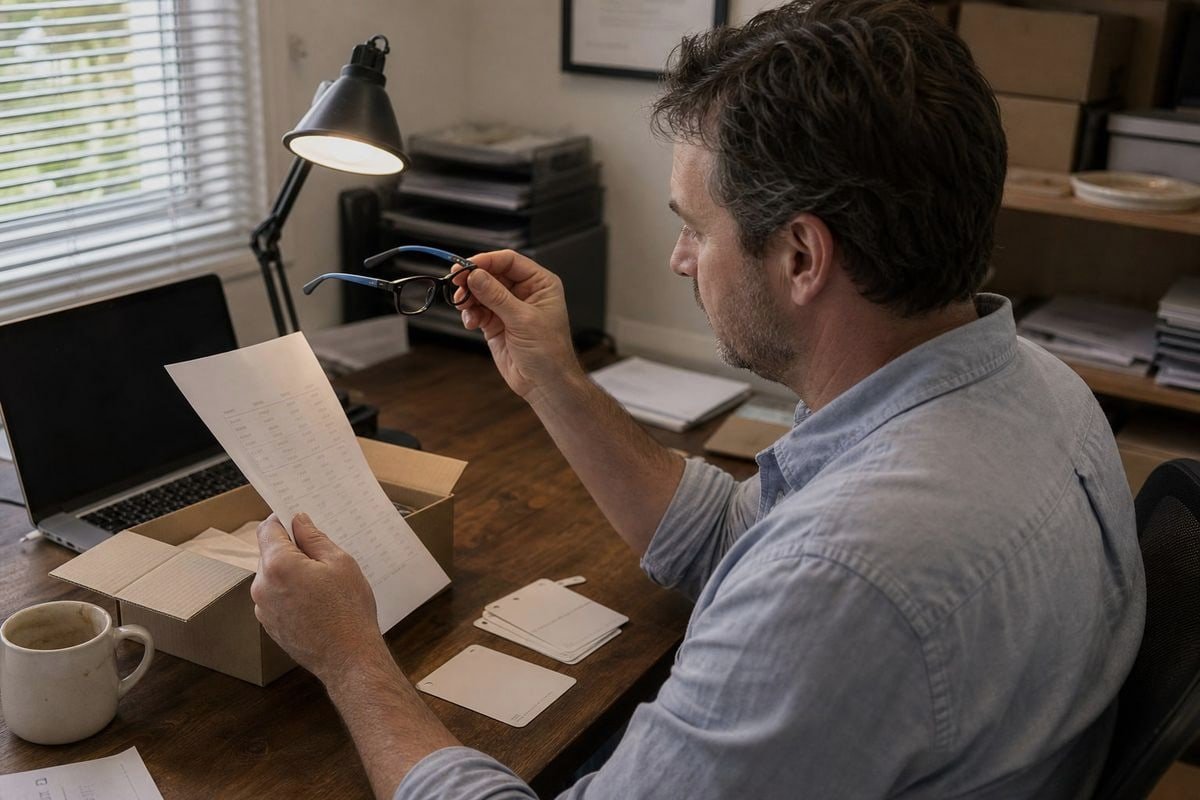
Verifying ARTG registration for kids optical frames confuses many of our Australian buyers public ARTG database 1. One shipment held at customs can wipe out a season’s margin. I have watched it happen, and it is avoidable.
To verify ARTG registration for kids optical frames imported to Australia, first classify the product under TGA rules. Since 15 June 2024, frames without lenses are exempt from ARTG inclusion. If your product does require inclusion, search the public ARTG database by ARTG ID and match the sponsor, manufacturer, and intended purpose.
That answer has layers, though. Let me walk you through each step the way I explain it to buyers who order our TR90 kids optical frames for the Australian market.
How do I check if a kids' optical frame supplier is listed on the ARTG database?
Last year, a Melbourne-based optical distributor asked me for our "ARTG certificate" before placing an order for our flexible TPEE-temple frames. That conversation taught me how much confusion exists around this check.
Search the public ARTG database at tga.gov.au or the ARTG Search Visualisation Tool using the ARTG ID, product name, or sponsor name. Note that suppliers themselves are not listed; the ARTG lists products and their Australian sponsors. Overseas manufacturers appear only within a product entry.
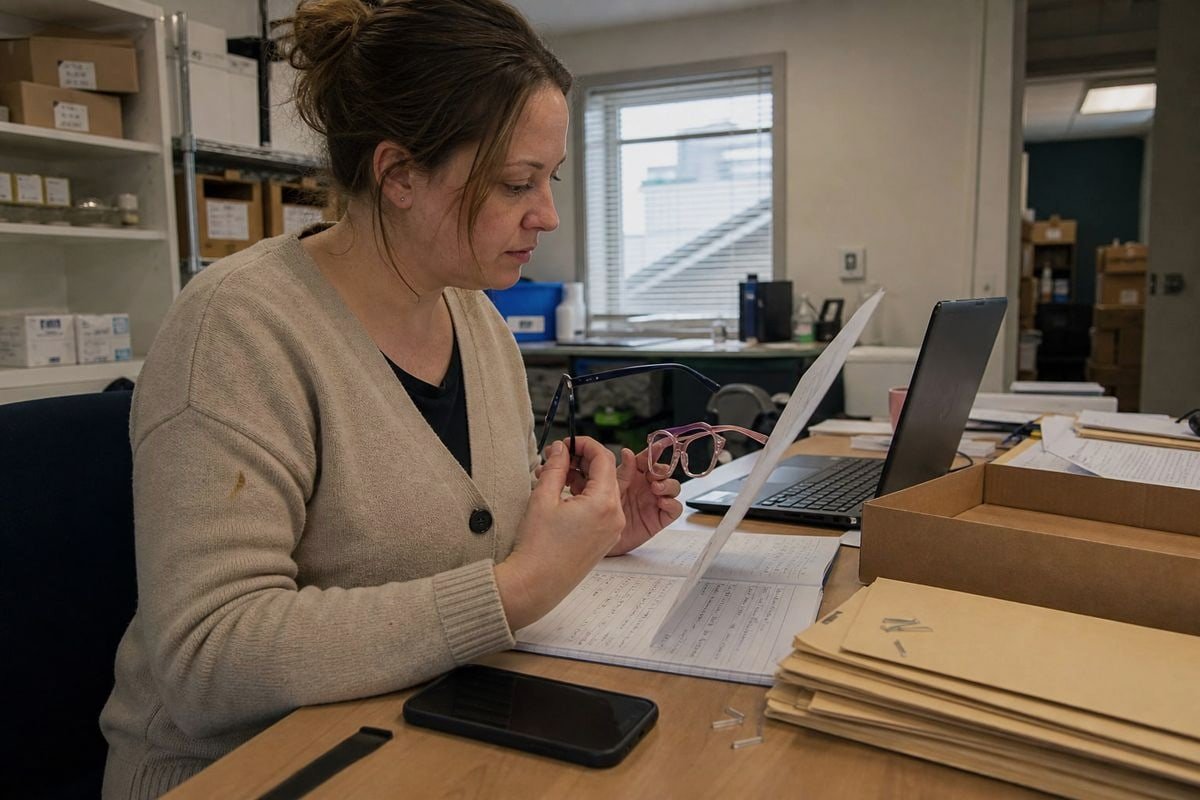
Here is the point most importers miss. The ARTG is a product register, not a supplier directory. So you cannot type in a Chinese factory name and expect a clean yes or no. What you can do is run an ARTG database search against a specific ARTG identification number that your supplier or their Australian partner provides.
Where to search
The TGA offers two public tools. The classic ARTG search on the TGA website works by ARTG ID, product name, or sponsor. The newer ARTG Search Visualisation Tool 2 at compliance.health.gov.au gives a cleaner interface for the same public register. Both are free. Neither requires a login.
What the entry actually shows
When you open an entry, you will see fields like these:
| ARTG Entry Field | What It Tells You | Why It Matters for Importers |
|---|---|---|
| ARTG ID | The unique identification number | The anchor for every compliance check |
| Sponsor name | The Australian resident or company responsible | Only sponsors hold the legal responsibility in Australia |
| Manufacturer | The actual production site | Must match your factory, not just the brand |
| Intended purpose | The therapeutic claim | Must match your product's labels and marketing |
| Classification | Device class under TGA medical device regulations 3 | Determines the conformity route |
One nuance I always flag: "registered" is not the correct TGA term for devices. The proper language is "included in the ARTG." When a supplier says "we are TGA registered" but cannot show an ARTG ID or explain who their Australian medical device sponsor is, treat that as a warning sign, not a credential.
What documents should I request from my manufacturer to prove ARTG compliance?
Our export team in Taizhou prepares a standard document pack for every Australian order, because we learned early that buyers who receive files upfront clear customs faster and reorder sooner.
Request the manufacturer's technical documentation, intended-purpose statement, labelling artwork, ISO or safety test reports, and material declarations. If the product requires ARTG inclusion, also request the ARTG ID and the Australian sponsor's details. For exempt frames, keep evidence supporting the exemption instead.

Documentation is where good manufacturers separate themselves from cheap traders. Under the Therapeutic Goods Act framework 4, the TGA expects the sponsor and manufacturer relationship to produce evidence on request, including technical, safety, and clinical information. Even when your frames are exempt, that evidence protects you if a customs officer or a customer asks questions.
The core document pack
Here is what I recommend requesting, based on what our own compliance file for kids optical frames contains:
| Documento | Who Provides It | Purpose |
|---|---|---|
| Intended-purpose statement | Manufacturer | Confirms the frame makes no therapeutic claim beyond holding lenses |
| Technical file / product specification | Manufacturer | Describes materials, dimensions, and construction |
| Material safety declarations (e.g., TR90, TPEE) | Manufacturer | Shows the frame is safe for children's skin contact |
| ISO or equivalent test reports | Manufacturer or third-party lab | Evidence of compliance with international safety standards |
| Labelling and packaging artwork | Manufacturer | Must match any ARTG entry or exemption position |
| ARTG ID and sponsor details (if applicable) | Australian sponsor | Verifiable against the public register |
| Exemption rationale (if applicable) | Sponsor or consultant | Documents why no ARTG entry exists |
A note on sponsor certificates
Only the Australian sponsor can view or print the official ARTG certificate through TGA Business Services 5. So if a Chinese factory emails you a "certificate" with no sponsor involved, question it. When our buyers work with a local sponsor, we supply the technical file, and the sponsor handles the ARTG side. That division of roles is exactly how medical device compliance Australia is designed to work. Keep every email, screenshot, and PDF. If your supplier later changes the mold, material, or branding, refresh the whole pack, because your old evidence no longer matches the physical product.
Why does ARTG registration matter for importing children's eyewear into Australia?
A trade-off I discuss with nearly every new Australian client is this: spend a few days on classification before ordering, or risk weeks of delay after shipping. Fifteen years of exporting kids eyewear has made my preference obvious.
ARTG status matters because it determines whether your children's eyewear is legal to import and supply in Australia. Getting it wrong risks border seizures, forced recalls, and penalties under the Therapeutic Goods Act. It also determines who carries legal responsibility: the Australian sponsor, not the overseas factory.
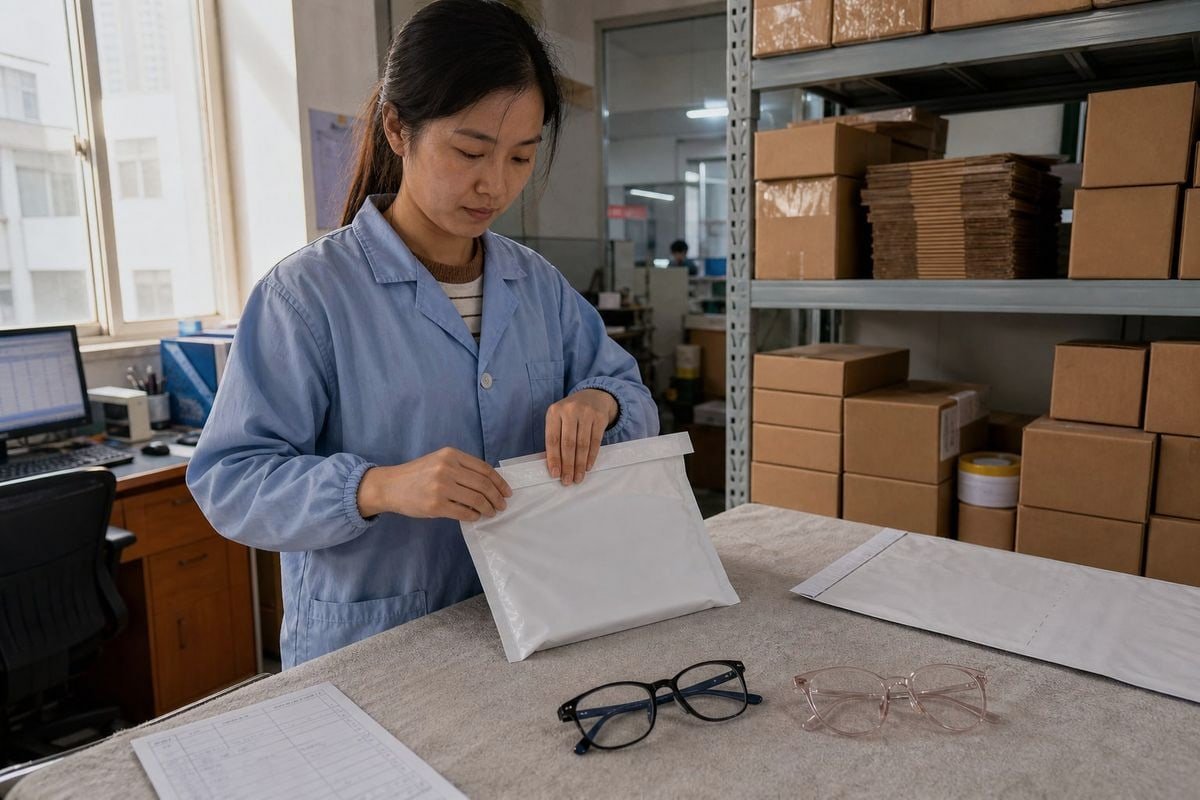
The single most important shift happened on 15 June 2024. From that date, spectacle frames supplied without lenses, and prescription lenses supplied solely for refractive correction, became exempt medical devices Australia no longer requires in the ARTG before import or supply. This changed the game for importing optical products Australia-wide, and it made a lot of older blog advice outdated.
Not all optical products fall in the same bucket
This is where importers get burned. Optical frames classification TGA outcomes depend on intended purpose, not appearance. Consider the differences:
| Product Type | ARTG Inclusion Required? | Notas |
|---|---|---|
| Kids optical frames, no lenses | No (exempt since 15 June 2024) | Still subject to consumer safety and labelling laws |
| Prescription lenses for refractive correction only | No (exempt since 15 June 2024) | Exemption is limited to simple refraction |
| Myopia-control lenses for children | Sí | Therapeutic claim beyond refraction removes the exemption |
| Complete eyewear with therapeutic claims | Likely yes | Depends on the combined intended purpose |
| Plano sunglasses | Generally not a medical device | Regulated under consumer standards like AS/NZS 1067 6 |
Exempt does not mean unregulated
Even when a frame is exempt, the TGA can still act on safety issues, and Australian Consumer Law still applies. Post-market surveillance medical devices obligations continue for products that remain in the ARTG, and sponsors must respond to adverse events. For exempt frames, you still owe your customers accurate labelling and safe materials. That is why our factory tests flexibility, hinge durability, and skin-contact safety on every kids frame we ship, whether or not a register entry exists. Compliance is a floor, not the goal, when the end user is a child.
How can I avoid customs delays by confirming ARTG status before I place an order?
A lesson I learned the hard way: one of our early Australian buyers assumed all eyewear needed identical paperwork, quoted the wrong tariff heading, and spent three weeks arguing with their broker. We now share a pre-order checklist with every client instead.
Classify the product before ordering, confirm whether it is exempt or requires ARTG inclusion, verify any ARTG ID against the public register, align labels and invoices with that status, and brief your customs broker in writing. Do all of this before production starts, not after the shipment sails.
Customs delays rarely come from the TGA alone. They come from mismatches: an invoice that says "medical device" for an exempt frame, a label that claims therapy for a plain frame, or an ARTG ID that belongs to a different model. The fix is a disciplined sequence.
The pre-order verification workflow
- Confirm the exact product type. Frame only, lenses only, or complete eyewear? Our clients ordering frames without lenses sit in the exempt category; those adding myopia-control lenses do not.
- Check the manufacturer's intended purpose. Read the instructions, labels, and marketing copy. Compare them with the legal definition of a medical device.
- Determine exempt, excluded, or included. Excluded goods are outside TGA regulation entirely. Exempt goods need no ARTG entry but stay under the Act. Included goods need a valid entry.
- Verify any ARTG ID yourself. Run the ARTG database search. Match manufacturer, sponsor, model, intended purpose, and classification against your actual product. A similar frame from the same brand may not be covered if the model differs.
- Align the commercial paperwork. Australian Border Force requirements — tariff classification, customs duties, and GST — apply independently of TGA rules 7. Make sure the invoice description, HS code, and any compliance statements tell one consistent story.
- Brief your broker and keep records. Screenshots of the register, supplier correspondence, test reports, and labels should live in one file per SKU.
Recheck when anything changes
If your supplier switches factories, changes the temple material, or you rebrand the frame under private label, redo the check. OEM/ODM sourcing is exactly where generic or borrowed listings cause trouble, so the verification must follow the physical product, not the brand name on the box.
Conclusión
Skipping ARTG verification invites seizures and recalls. Classify first, verify the exact entry, keep documentation, and partner with a manufacturer that prepares compliance files before you order.
Notas al pie
1. Provides information on the public database for therapeutic goods in Australia. ↩︎
2. Direct link to the official TGA tool for searching the ARTG with a visual interface. ↩︎
3. Explains the regulatory framework and classification of medical devices by the TGA. ↩︎
4. Direct link to the official Therapeutic Goods Act 1989 on the Federal Register of Legislation. ↩︎
5. Official portal for industry to manage applications and ARTG entries with the TGA. ↩︎
6. Explains the Australian/New Zealand Standard for sunglasses and fashion spectacles. ↩︎
7. Explains TGA’s role and regulations for medical devices in Australia. ↩︎
Más artículos que te podrían gustar

5 de agosto de 2026
Bio-Based vs Regular Cellulose Acetate: What's the Difference for Kids' Frames?
5 de agosto de 2026
How Recyclable Are Kids' Optical Frame Materials, and What Eco-Friendly Alternatives Exist?
5 de agosto de 2026
Do Kids Optical Frames Whiten or Age in Storage, and How to Control Warehouse Conditions?
¿Buscas un socio confiable en gafas para niños?
Explore más de 800 estilos listos y soporte OEM/ODM completo adaptado a su marca.
Ponte en contacto English
  Español de México
  Deutsch
  Français
  日本語
日本語  العربية
  Português do Brasil