How to Use Presales and a Waitlist to Validate Demand for Kids Sunglasses?

Presales and a waitlist can validate demand for kids sunglasses before you order stock materiales libres de BPA 1. I’ve watched buyers on our production line skip this step, over-order, and regret it.
To validate demand for kids sunglasses, build a landing page and collect waitlist sign-ups first, then convert your most engaged subscribers with a presale offer or refundable deposit. If 15–25% of visitors sign up and 20%+ of the waitlist pays, place your first bulk order.
Curiosity is not demand. A waitlist measures interest, but a presale measures money impact resistance 2. Let me walk you through how to combine both, step by step, before you commit to inventory.
How can I use a waitlist to test real demand before ordering inventory?
A buyer from Australia once told me she had 3,000 email sign-ups but sold only 40 pairs at launch. That conversation changed how I advise new brands on inventory risk management.
Use a simple landing page with product mockups, one clear call to action, and one or two intent questions at sign-up. Drive paid, targeted traffic to it, then track your visitor-to-waitlist conversion rate. A 15–25% sign-up rate on cold traffic signals real interest; under 5% means weak messaging.
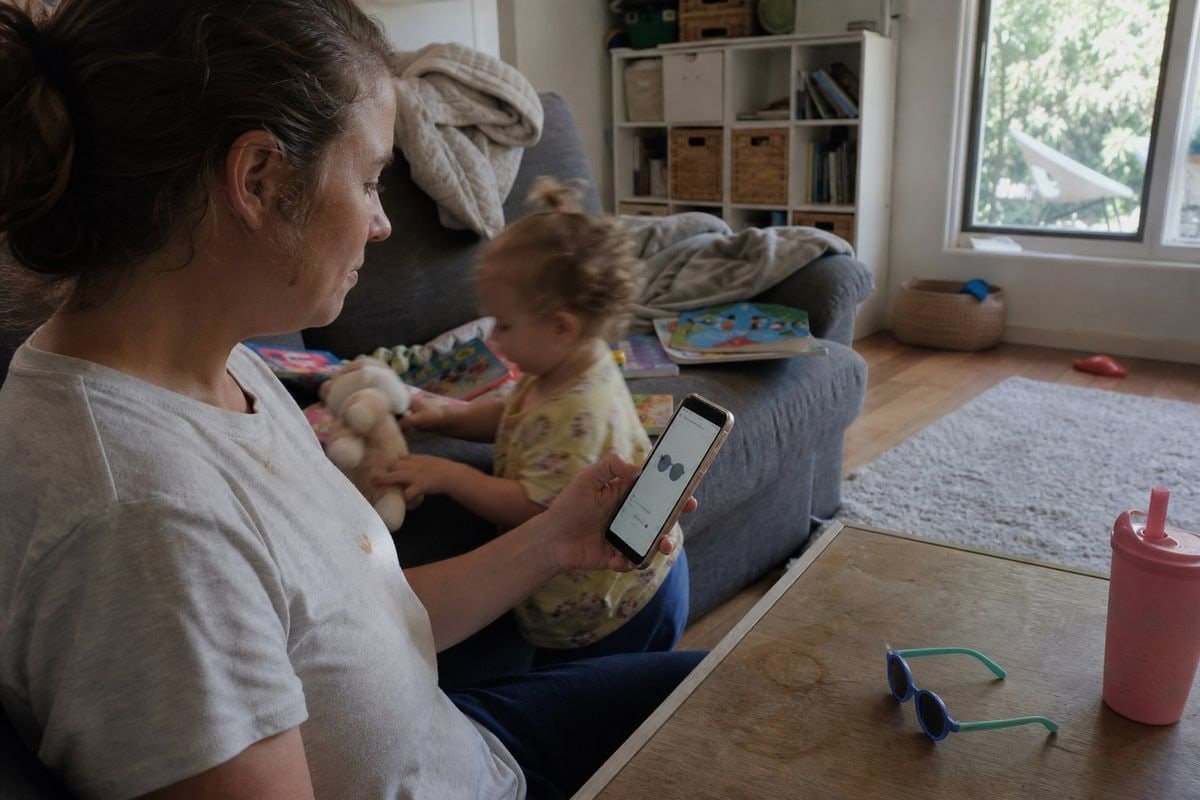
A waitlist is your cheapest test. It costs you a landing page, some ad spend, and a few weeks of patience. But it only works if you set it up to produce honest signals, not vanity numbers.
Build the landing page around parent concerns
Parents buy kids sunglasses, not kids. So your page must answer the parent's rational filters first: Protección UV400 3, BPA-free materials, impact resistance, and whether the frames will survive being sat on. In our experience supplying children's brands in 20+ countries, the brands that lead with safety and flexible-material comfort convert far better than the ones that lead with style alone. Use mockups or prototype photos, a clear headline, a realistic launch timeline, and a single email-capture form. That is your Minimum Viable Product for testing — no inventory needed.
Add intent questions to segment your list
A plain email address tells you little. Adding one or two questions turns email list building into real research:
- "What matters most to you: UV protection, durability, style, or price?"
- "What age is your child?"
This data later shapes your presale messaging and even your SKU choices with your factory.
Drive stranger traffic, not friends
Warm-network sign-ups inflate results. Friends will join anything you launch. Run small Facebook, Instagram, or Google ad tests, or post in niche parenting communities. Stranger conversion is the only conversion that predicts product-market fit.
| Métrica | Strong signal | Weak signal |
|---|---|---|
| Visitor-to-waitlist conversion | 15–25% on targeted traffic | Menos de 5% |
| Cost per sign-up | Low and stable across ad sets | Rising or wildly inconsistent |
| Email open/click engagement | Consistent opens on follow-ups | Silence after sign-up |
| Sign-up questions answered | Most subscribers complete them | Most skip them |
One more tactic worth testing: a referral-based waitlist 4 that rewards parents for sharing your link. It creates a viral loop, lowers acquisition cost, and shows you who your genuine advocates are. Some brands also gamify the sign-up for the child — printable stickers or activity packs as digital unlocks — which leverages pester power to lift completion rates.
What presale strategy works best for launching kids sunglasses with a manufacturer?
When we developed our TPEE flexible frames, one European client presold two colorways before confirming her order with us. Her presale data decided the final color split — not guesswork.
The best presale strategy is a staged offer to your waitlist: give early access with a founding-member discount, state an honest shipping date, and offer a refundable deposit option. Presales convert curiosity into payment, which is the strongest validation signal before committing to a factory order.
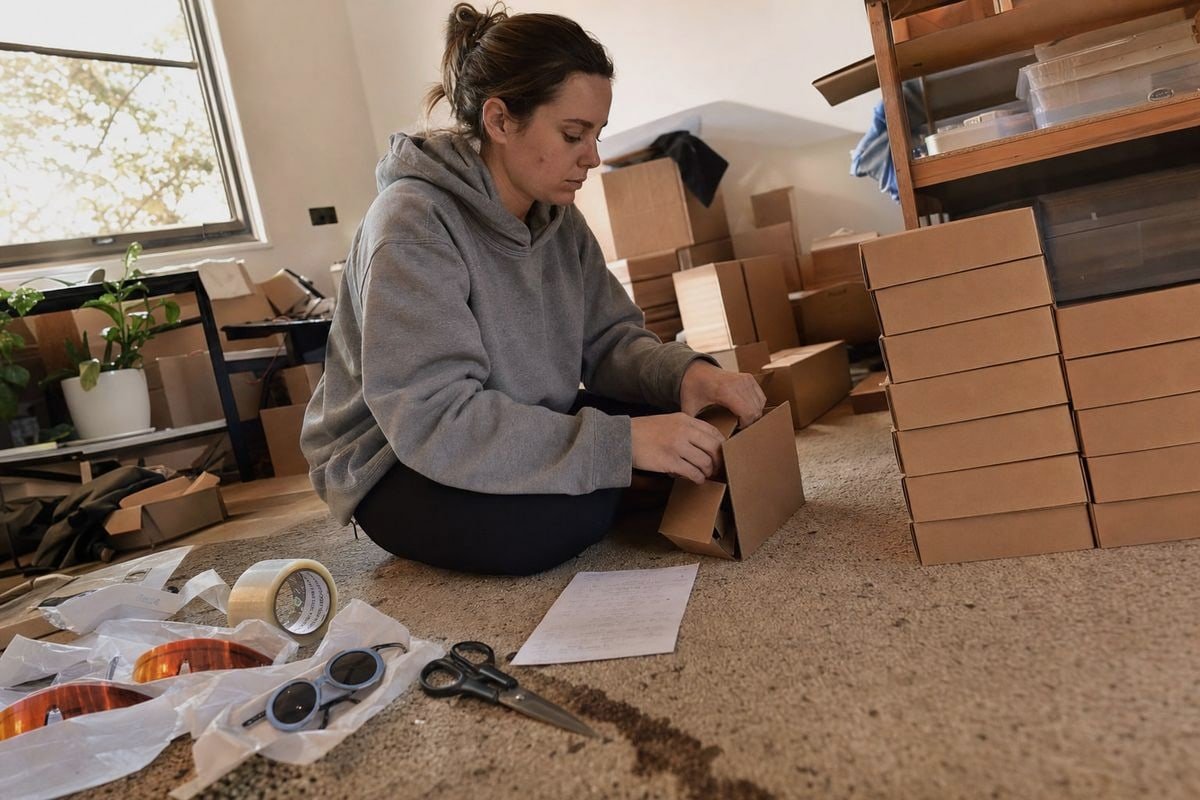
A presale is where soft interest becomes hard proof. But the strategy matters. A badly structured presale can burn trust with parents, and parents do not give second chances on kids' products.
Choose the right presale format
There are three common formats, and each carries a different risk level:
- Full pre-payment with early bird pricing. Strongest signal, funds inventory, but demands a reliable shipping date.
- Refundable VIP deposit. A small paid reservation. Paid waitlists typically convert several times higher than free sign-ups because money filters out casual browsers.
- Card-on-file pre-order. Charge at shipment. Softer signal, but lower friction for cautious parents.
Here is a caveat worth taking seriously: presales only work if you can honestly meet the delivery date. This is where your manufacturer relationship matters. At our Taizhou factory, we quote production lead times before a client ever launches a presale, so the shipping promise on their landing page matches reality. If you cannot confirm lead times yet, use refundable deposits instead of full payment.
Layer in urgency and trust
Tiered early-bird incentives work well in this category — founding-member discounts, exclusive launch-only colorways, or a bundled hard case. Equally important are trust signals: UV400 protection claims stated plainly, Las afirmaciones de durabilidad cumplen una doble función. Prometen seguridad y prometen que el padre no necesitará volver a comprar en dos semanas. Redacciones como "se dobla, no se rompe" o "hecho para la vida en el patio de recreo" traducen la resistencia a impactos en lenguaje cotidiano. Si sus lentes son 5 explained in parent language, and transparent timelines. Some brands also test a replacement-guarantee add-on during the presale to see whether parents value loss protection as much as the product itself. That single test can shape your entire post-launch offer.
Keep the list warm during the wait
Manufacturing takes weeks. Behind-the-scenes production updates — mold photos, lens QC checks, packaging previews — nurture the audience, reduce refund requests, and build customer feedback loops before the product even ships.
How many presales or sign-ups do I need before placing a bulk order with my factory?
The trade-off I discuss most with first-time buyers is this: order too early and you gamble; wait for perfect certainty and you miss the summer season entirely.
Aim for 10–20 presales for directional validation, or 50+ pre-orders within four weeks for strong validation. On the waitlist side, target a 5–7% visitor conversion minimum and a 20%+ waitlist-to-purchase rate before committing to a bulk factory order.
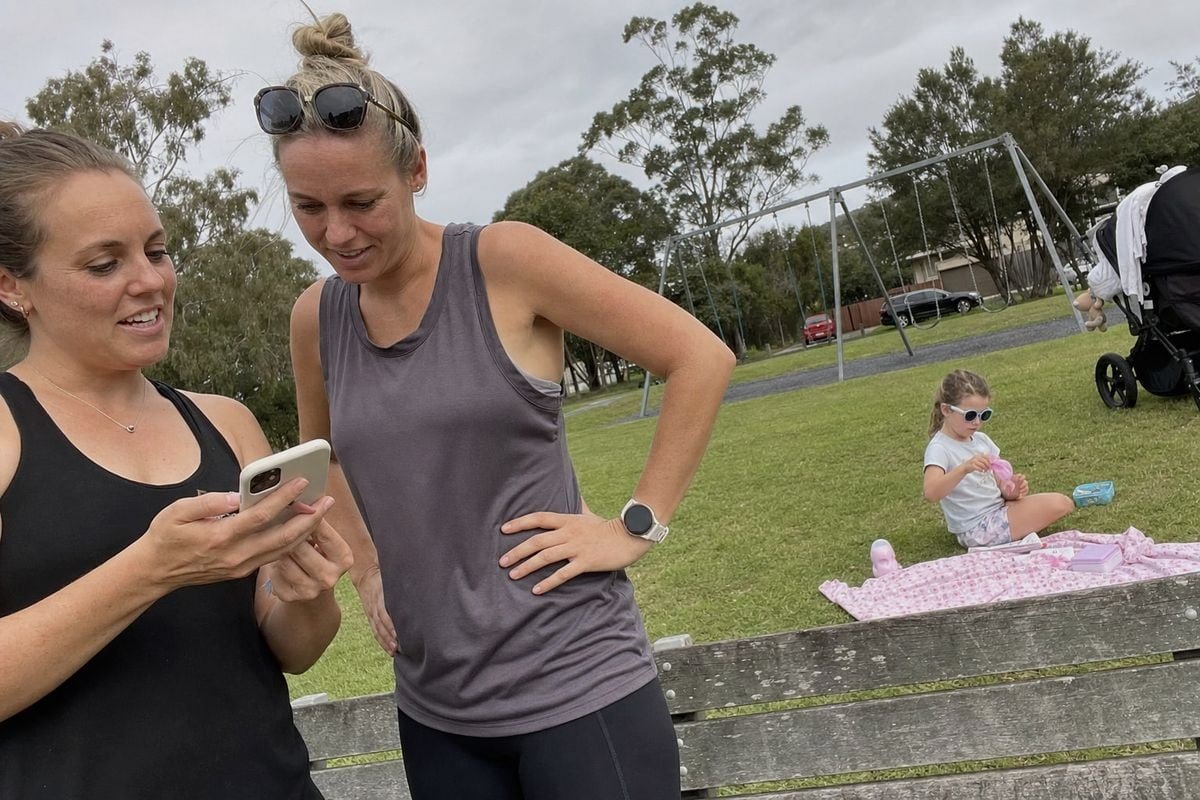
Numbers keep you honest. Founders often overinterpret a handful of enthusiastic comments as market proof. A few excited replies from a parenting Facebook group are not a purchase order. Use benchmarks instead of feelings.
Benchmark table for your go/no-go decision
| Señal | Weak | Directional | Una |
|---|---|---|---|
| Landing page sign-up rate | Menos de 5% | 5–7% | 15–25% |
| Waitlist-to-presale conversion | Menos de 5% | 10–15% | 20%+ |
| Presale volume | 1–5 orders | 10–20 orders | 50+ units in 4 weeks |
| Email engagement | Low opens | Steady opens | Replies asking about price, sizing, shipping |
Notice the last row. Repeated inbound questions about price, sizing, and shipping dates are underrated buying signals. Parents rarely ask logistics questions about products they do not intend to buy.
Why small samples can mislead you
Ten presales from one Instagram post is a different signal than ten presales from three ad channels 6 over a month. Spread your test across channels and time. Also watch geographic and demographic patterns — if all your buyers cluster in one region, that shapes your shipping plan and even your lens choices, since polarized lenses matter more in high-glare coastal markets.
Match validation strength to order size
Your presale volume should scale your first order, not just approve it. Directional validation justifies a small trial order. Strong validation justifies a fuller SKU spread. In our experience, brands that match order size to evidence — rather than to ambition — survive their first season with cash left for marketing. That is inventory risk management in its simplest form.
How can I turn presale and waitlist data into a low-risk first order with my OEM partner?
A Japanese buyer once sent me her presale spreadsheet before ordering — style clicks, color votes, age ranges. We built her first order around it, and her sell-through was excellent.
Share your presale data with your OEM partner to set SKU ratios, colors, and sizes based on real demand. Then start with a small first order from existing factory styles, add your logo and packaging, and scale reorders as customer feedback loops confirm winners.
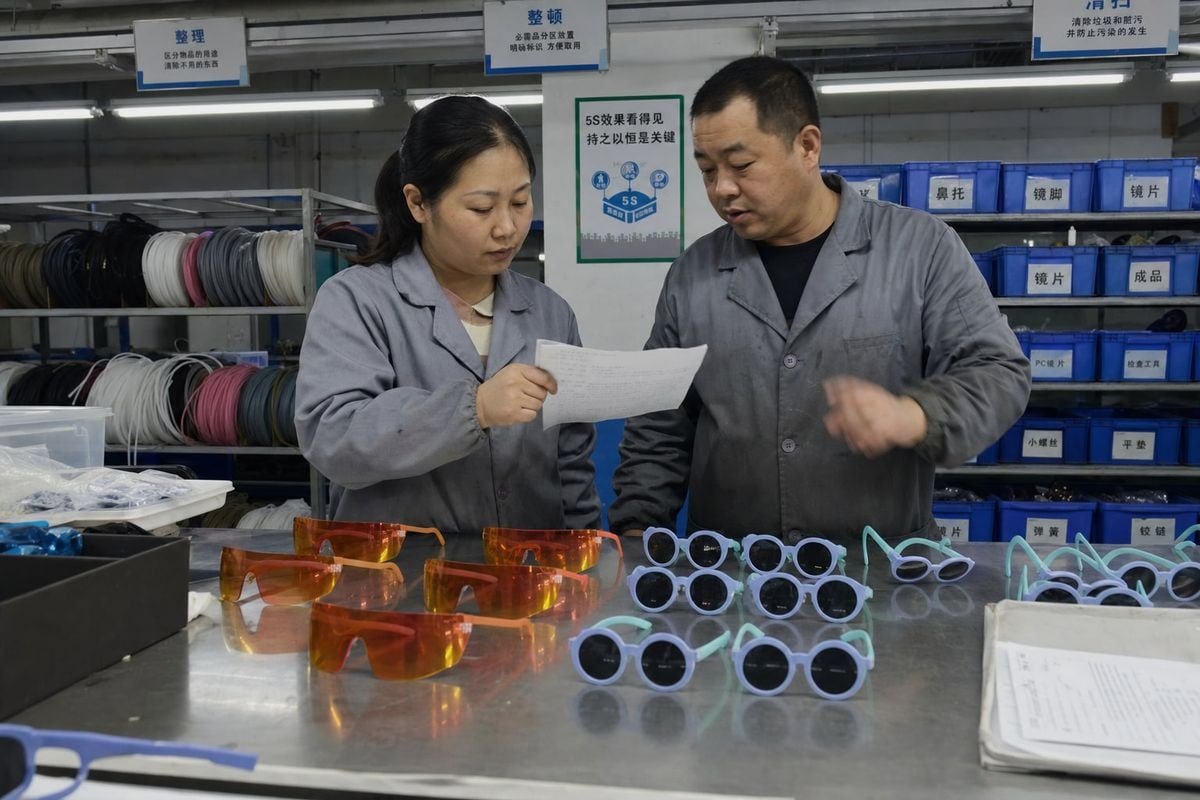
Your validation data is only valuable if it changes what you actually order. Here is how to translate signals into a purchase order without betting the business.
Map each data point to an ordering decision
| Validation data | Ordering decision it informs |
|---|---|
| Intent-question answers (durability vs. style vs. price) | Material choice — flexible TPEE/TR90 vs. standard plastic |
| Style-level clicks and AR try-on engagement | SKU ratio across sporty shield styles vs. round playful frames |
| Presale color votes | Color split per style, avoiding dead stock |
| Age data from sign-ups | Frame sizing spread across the order |
| Questions about glare, driving, beach use | Whether to upgrade to polarized lenses |
An AR virtual try-on filter on Instagram or TikTok is worth testing here. Style-specific engagement tells you which frames parents and kids gravitate toward, so your inventory SKU ratios reflect behavior, not guesses.
Use existing styles to skip mold costs
The biggest hidden risk for a new kids eyewear brand is tooling. Custom molds cost money and lock you in before you have proof. This is exactly why we keep roughly 800 existing styles at our factory — a new brand can pick validated shapes, customize colors, logos, lenses, and packaging, and launch a branded, retail-ready product without any mold investment. Your presale data picks the styles; OEM customization makes them yours. It is the lowest-risk path to a first order, and it leaves your budget free for lead generation strategy and landing page optimization on the next round.
Close the loop after delivery
Once your presale units ship, survey buyers, track breakage complaints, and feed everything back to your factory. Fit issues, hinge feedback, and lens preferences all sharpen the second order. Timing helps too — many brands sync their next waitlist push with Children's Eye Health and Safety Month 7 in August, positioning UV400 protection as a health essential rather than a fashion extra. That is how a one-time test becomes a repeatable launch system and a genuine path to product-market fit.
Conclusión
Waitlists measure interest; presales measure money. Validate with both, match your order size to the evidence, and let real demand data shape your first factory order.
Notas al pie
1. National Institute of Environmental Health Sciences page detailing BPA and safety in consumer products. ↩︎
2. Authoritative FDA regulation (21 CFR 801.410) specifically covering impact resistance for sunglasses. ↩︎
3. Authoritative FDA page explaining UV radiation and the importance of protection for eye health. ↩︎
4. Wikipedia article explaining referral marketing strategies used to incentivize sharing and growth. ↩︎
5. Correct Wikipedia article title for polarized eyewear technology. ↩︎
6. Authoritative Wikipedia page for the selection of advertising media and channels. ↩︎
7. Official page for the awareness month by Prevent Blindness, an authoritative eye health organization. ↩︎
Más artículos que te podrían gustar

1 de agosto de 2026
¿Debería la fábrica encargarse del embalaje y etiquetado de las gafas de sol para niños, o utilizar un proveedor designado?

1 de agosto de 2026
Almacén propio vs. Cumplimiento directo del proveedor: ¿Qué reduce los costos de devolución para las marcas de gafas de sol para niños?

1 de agosto de 2026
Directo al almacén del puerto o staging en el extranjero: ¿Cuál ahorra más en el envío de gafas de sol para niños?
¿Buscas un socio confiable en gafas para niños?
Explore más de 800 estilos listos y soporte OEM/ODM completo adaptado a su marca.
Ponte en contacto English
  Español de México
  Deutsch
  Français
  日本語
日本語  العربية
  Português do Brasil