How to Structure Sourcing Commission on Kids’ Sunglasses Without Inflating Quotes?

Sourcing commission on kids’ sunglasses can quietly destroy margins. On our Taizhou production line, we regularly see buyers arrive with quotes padded by hidden middleman markups they never agreed to.
Structure sourcing commission on kids’ sunglasses as a disclosed fee on the net factory price only — typically 3%–10% — shown as a separate line item, excluding freight and duties. Tie the fee to defined services like vetting, sampling, and inspection, never buried inside the unit quote.
That is the short answer. Below, I will break down each part: setting a fair rate, keeping finance teams happy, separating commission from FOB, and comparing agent quotes.
How can I set a fair commission rate without pushing my factory quote too high?
A brand founder from Australia once told me her agent quoted our frames at nearly 30% above our factory direct pricing. She had no idea until we compared numbers together.
Set the commission between 3% and 10% of the net ex-works product price, matched to real scope. Simple reorders sit at the low end; compliance-heavy custom kids' eyewear justifies the higher end. Fix the rate in writing before quoting begins, and exclude all pass-through costs.
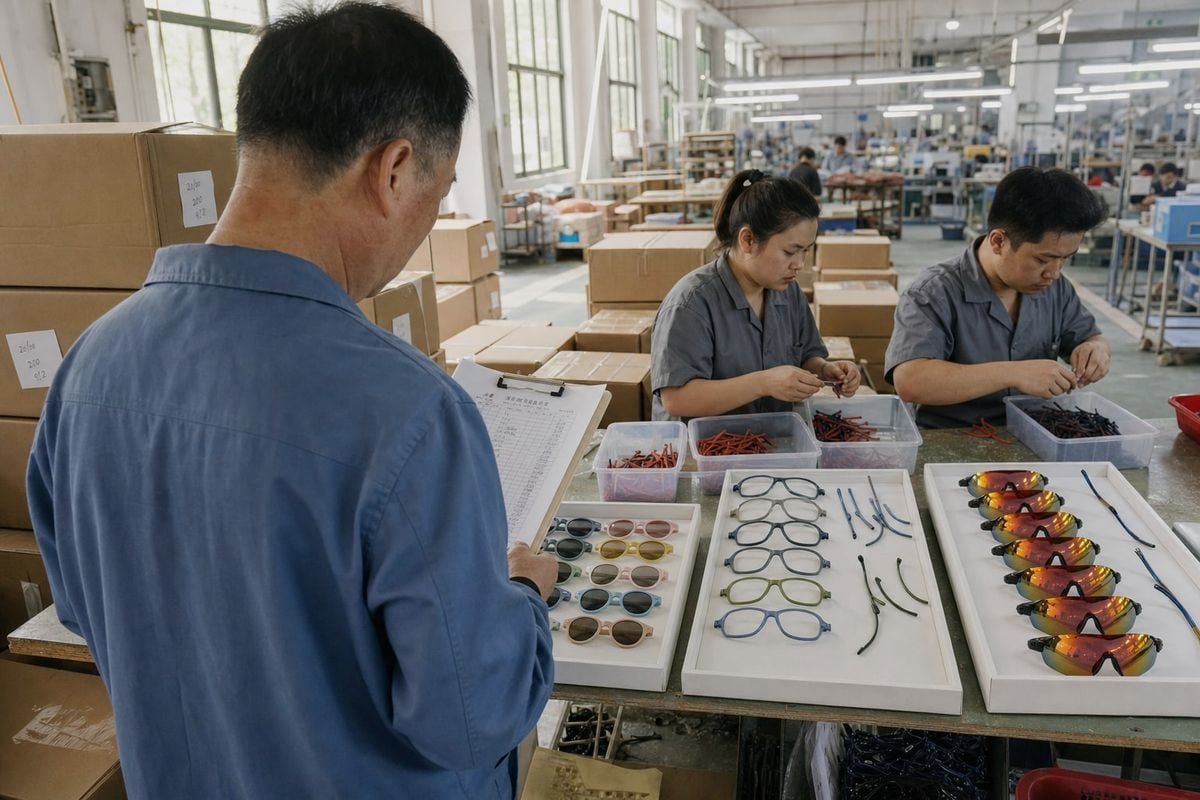
A fair rate starts with one question: what work is actually being done? Kids' sunglasses are not a generic commodity. They involve protección UV400 1, age-appropriate sizing, flexible materials like TPEE frame material 2, and packaging rules for children's products. That work has value. But the rate should track the work, not the order value alone.
Match the rate to the scope
In our fifteen years of building children's eyewear, we have seen three broad scope levels. Each deserves a different rate.
| Scope Level | Typical Services | Fair Commission Range |
|---|---|---|
| Basic | Supplier introduction, quote relay | 3%–5% |
| Norma | Vetting, sampling, negotiation, order follow-up | 5%–8% |
| Complex | Pruebas de cumplimiento CPSIA 3 coordination, custom molds, inspections, packaging development | 8%–10% |
Why higher is not always wrong
A small first order of custom kids' sunglasses takes almost as much agent time as a large one. Supplier outreach, sample rounds, and safety checks do not shrink with volume. So a higher percentage on small orders can be defensible. What is never defensible is a rate that floats invisibly inside the unit price.
My practical advice: agree on the rate first, in a written procurement service level agreement. Then request quotes. If the rate is fixed before the factory number arrives, the agent has no room to pad it afterward.
What's the best way to keep sourcing fees transparent for my brand's finance team?
When we onboard a new brand client at our factory, we always send our quote directly to the buyer, even when an agent is involved. Finance teams thank us for it.
Require a two-line quote: the factory's original price and the sourcing fee shown separately. Add sampling, inspection, and packaging as their own line items, and treat freight and duties as pass-through costs. This gives finance a clean, auditable landed cost calculation.

Supply chain transparency is not just an ethics topic. For a finance team, it is a bookkeeping necessity. An all-in unit price hides which costs are fixed, which are variable, and which are one-time. That makes forecasting, margin analysis, and reorder budgeting nearly impossible.
The quote structure finance teams can actually use
A transparent quote for kids' sunglasses should list these items separately:
| Line Item | Tipo | Notas |
|---|---|---|
| Factory unit price | Core cost | The real ex-works or FOB number |
| Sourcing commission | Service fee | Fixed % or flat fee, disclosed |
| Sampling cost | One-time | Often credited against the first order |
| QC / inspection cost | Per order | Third-party or agent-managed |
| Packaging customization | Per order | Boxes, pouches, retail-ready inserts |
| Freight and duties | Pass-through | Billed at actual cost, no markup |
Why the separation matters over time
Here is the thing most buyers miss. Sampling and tooling costs disappear after the first order. Freight rates swing with the season. If everything is bundled into one number, your finance team cannot tell whether a price increase comes from resin costs, ocean rates, or a quietly raised commission. Separated line items make every future negotiation faster and every audit cleaner.
We also recommend documenting all price discussions on a shared platform or email thread. A written record rewards process transparency and removes the "he said, she said" risk when reorders come around.
Should I negotiate commission separately from the FOB price when working with an OEM factory?
One trade-off we weigh constantly on our side: buyers want one simple number, but bundled numbers are exactly where hidden markups live. Simplicity and integrity often pull in opposite directions.
Yes. Negotiate the commission as a standalone agreement before requesting FOB quotes. Lock the fee to the net product cost under agreed FOB shipping terms, so the factory price stays visible and the agent's incentive to inflate it disappears.
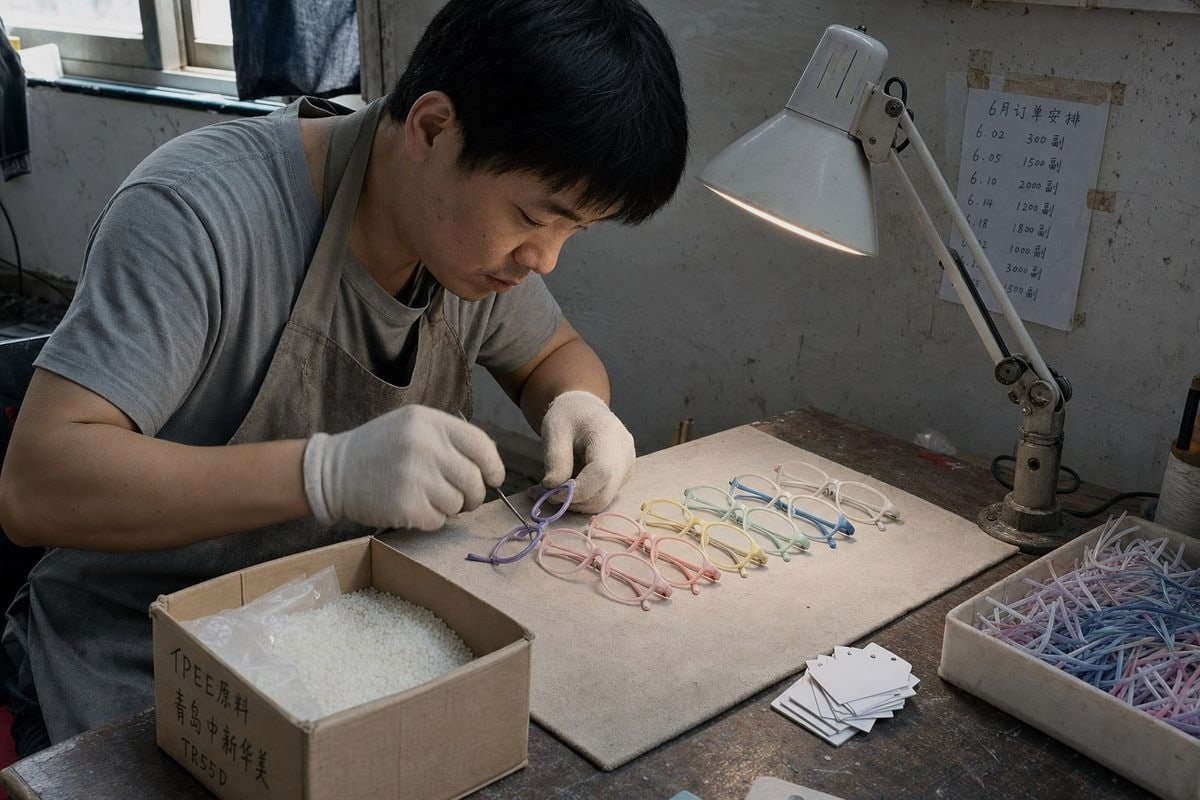
The order of negotiation changes everything. If the commission is settled first, the FOB quote 4 that follows is clean. If the FOB quote comes first and the commission is "worked in" later, you will never fully trust the base number again.
A simple negotiation sequence
- Define the service scope in writing: vetting, sampling, compliance coordination, production oversight, final inspection.
- Agree on the fee model — fixed fee, percentage, or hybrid — and the exact commission base.
- Specify what is excluded: freight, duties, tooling, third-party lab tests.
- Only then request FOB quotes, with the factory's original price disclosed to you.
- Confirm that the commission cannot change after the purchase order without written agreement.
Fixed fee, percentage, or hybrid?
For a defined project — say, one of our ~800 existing kids' styles with a custom logo and packaging — a fixed fee is cleanest. The scope is known, so the effort is predictable. For evolving programs with new molds or shifting specs, a percentage tracks effort better. Many of our long-term buyers land on a hybrid: a flat fee for factory vetting and auditing, plus a smaller success commission paid after inspection reports confirm the goods meet spec. That structure also lets you withhold a final portion until quality milestones are met, which keeps everyone aligned on child safety rather than shipment speed.
Note that FDA medical device registration questions sometimes come up for eyewear entering the US; clarify early whether your agent's scope covers regulatory paperwork, because that work genuinely justifies extra fees.
A lesson I learned early in exporting: two "identical" quotes for the same TR90 kids' frame can differ by 40%, and the cheaper one is not always cheaper once everything lands.
Normalize every quote to the same base: net factory price, disclosed commission, itemized sampling and inspection costs, and identical Incoterms. Request the factory's original invoice or a BOM breakdown. Any agent refusing this disclosure is likely hiding markup inside the unit price.
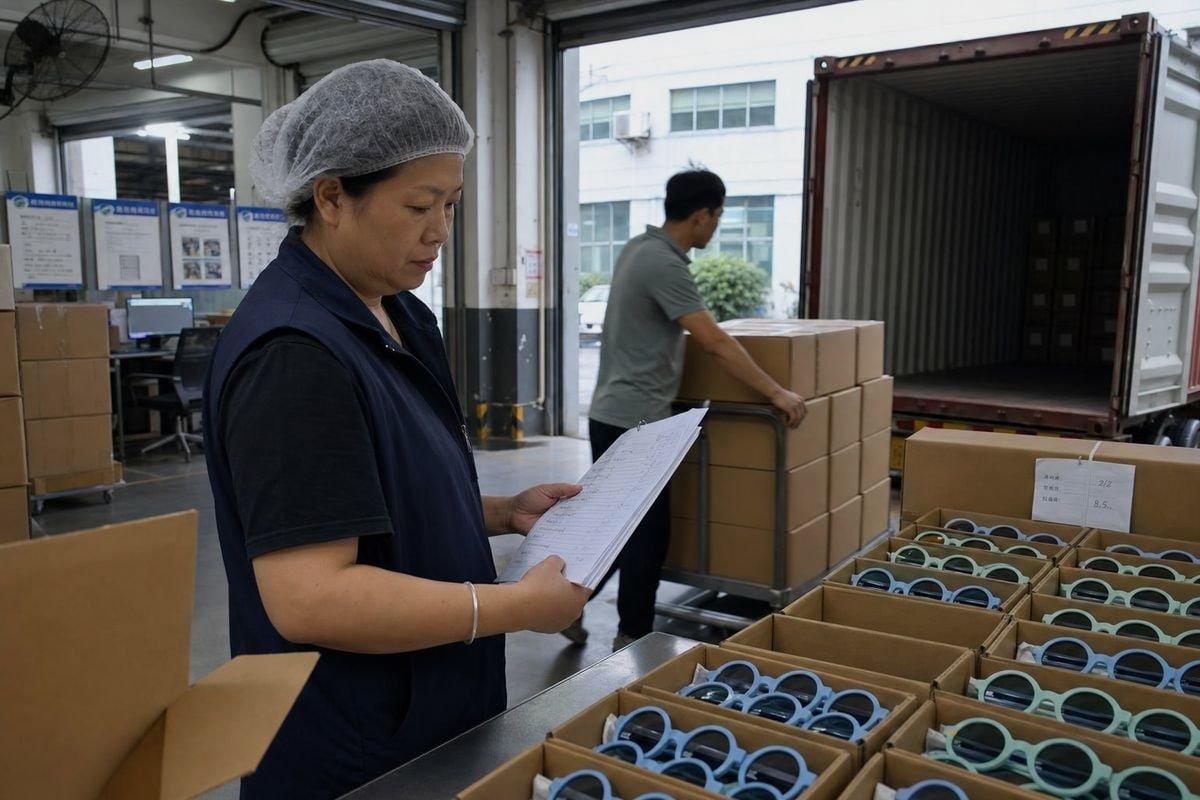
Comparing quotes only works when you compare the same thing. Agents quote on different Incoterms 5, bundle different services, and define "unit price" differently. Your first job is forcing every quote into one common format before judging any number.
A normalization checklist
Ask every agent to restate their quote with these elements:
- The factory's original ex-works or FOB price, shown separately
- The commission rate and its exact base
- A Bill of Materials breakdown covering lens, frame material, hinges, and packaging, so buffer costs stand out
- Sampling, QC, and tooling as individual lines
- Confirmation that freight and duties carry no markup
Red flags that signal hidden markup
| Señal de alerta | What It Usually Means |
|---|---|
| "All-in" price with no breakdown | Commission and buffers baked into the unit price |
| Refusal to disclose the factory quote | Agent is protecting an arbitrage spread |
| Vague service scope | Fees cannot be matched to work performed |
| Commission changes after PO placement | No contractual fee discipline |
| No mention of inspection or samples | Costs will appear later as surprises |
Compliance work is a legitimate differentiator
Do not treat every fee difference as markup. An agent who verifies UV400 claims, coordinates CPSIA compliance testing, or audits a factory's workshop management adds real value for children's products ISO 9001 quality management 6. In our own 5S-managed workshop, we host these audits regularly, and the agents who do them properly earn their fee. The goal is not the lowest fee. The goal is a fee you can trace to real work, on top of a factory price you can actually see.
Conclusión
Pay for sourcing expertise, not quote manipulation. Fix the commission first, base it on disclosed factory prices, itemize everything else, and your kids' sunglasses margins stay protected.
Notas al pie
1. Explains UV protection standards relevant to kids’ sunglasses sourcing requirements. ↩︎
2. Background on the thermoplastic elastomer material used in flexible kids’ eyewear frames. ↩︎
3. Official CPSC source explaining the children’s product safety law referenced in compliance work. ↩︎
4. WTO glossary clarifies trade terms like FOB used in factory pricing negotiations. ↩︎
5. ICC’s authoritative reference defines the shipping terms used to normalize agent quotes. ↩︎
6. Authoritative NIST overview of international quality management standards for manufacturers. ↩︎
Más artículos que te podrían gustar

1 de agosto de 2026
¿Debería la fábrica encargarse del embalaje y etiquetado de las gafas de sol para niños, o utilizar un proveedor designado?
1 de agosto de 2026
Almacén propio vs. Cumplimiento directo del proveedor: ¿Qué reduce los costos de devolución para las marcas de gafas de sol para niños?

1 de agosto de 2026
Directo al almacén del puerto o staging en el extranjero: ¿Cuál ahorra más en el envío de gafas de sol para niños?
¿Buscas un socio confiable en gafas para niños?
Explore más de 800 estilos listos y soporte OEM/ODM completo adaptado a su marca.
Ponte en contacto English
  Español de México
  Deutsch
  Français
  日本語
日本語  العربية
  Português do Brasil