How to Set Up Discount Tiers for Chain vs Independent Stores Buying Kids Optical Frames?

Setting discount tiers for chain vs independent stores buying kids optical frames 1 trips up many suppliers. I have watched buyers walk away from our Taizhou factory over one badly built price ladder.
Set up discount tiers for kids optical frames by store type: give chains deeper, standardized volume discounts at 500, 1,000, and 3,000+ units, while offering independents narrower, margin-protective tiers starting around 50–100 units, plus non-price value like training, marketing support, and buying-group pricing.
That is the short answer. But the real work sits in the details. Below, I will break down each part of that framework, using what we see across 20+ export markets every season.
What discount structure works best when I sell to both optical chains and independent stores?
Last year, a European importer asked me why our quote to a 40-store chain looked nothing like the quote we gave a single-shop optician retail markup strategy 2. The honest answer: their economics are completely different.
A dual-track structure works best: standardized, published volume tiers for chains with deep breaks on value and mid-tier kids frames, and relationship-based tiers for independents with smaller unit thresholds, modest discounts, and added services that protect their retail markup strategy.
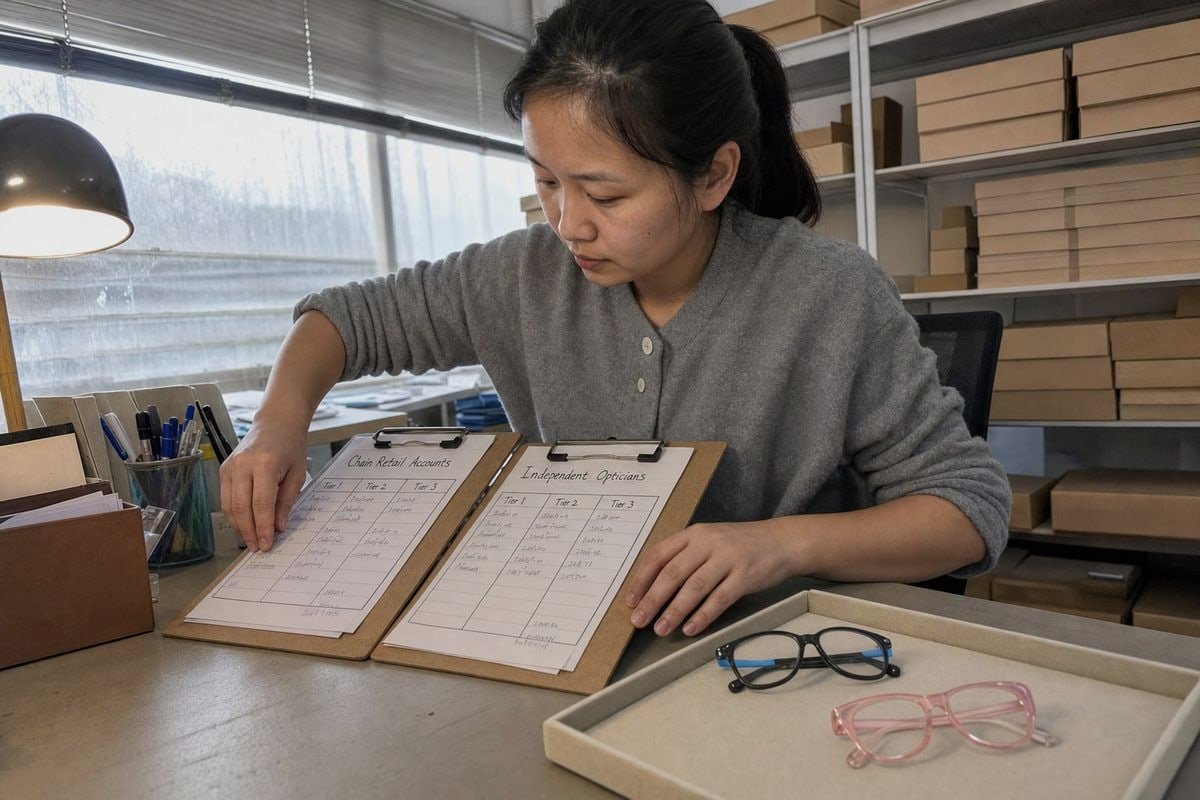
The core reason for two tracks is simple. Chains and independents do not buy, stock, or sell the same way. Industry data shows large chain operations can enjoy a 30–50% per-frame cost advantage over independents. Chains may turn inventory 8–12 times per year. Many mid-tier independents sit at 2–4 turns. If you give both groups the same ladder, one of them loses.
Two tracks, one catalog
In our own wholesale eyewear pricing, we run one catalog of roughly 800 existing styles, but two pricing tracks on top of it. Here is how the logic compares:
| Factor | Optical chains | Independent stores |
|---|---|---|
| Order volume | High, consolidated | Low to moderate |
| Inventory turns | 8–12 per year | 2–4 per year |
| Discount depth | Deep, standardized | Narrow, selective |
| What they value | Unit cost, consistency | Curation, service, support |
| Best tier trigger | Total annual units | Per-order units or bundles |
Chains want predictable B2B pricing models they can plug into procurement systems. Independents want fair pricing plus help selling — pediatric fitting guidance, display materials, and durable frames that reduce warranty headaches. So the "discount" for an independent should often arrive as value, not just a lower number. That protects their margin and yours. One more point: align your tiers with retail segmentation. Discount value and mid-tier kids frames aggressively where needed. Keep premium pediatric styles — the ones with enhanced children's eyewear durability features 3 — stable across both tracks.
How many units should I require at each tier before offering better pricing?
There is a trade-off I weigh on every quote: set thresholds too low and you give away margin; set them too high and small buyers never engage with your tiers at all.
Require roughly 50–100 units for the first independent-store tier, 200–300 for the second, and 500+ for the third. For chains, start meaningful breaks at 500 units, deepen at 1,000–3,000, and reserve the best pricing for 5,000+ annual commitments.
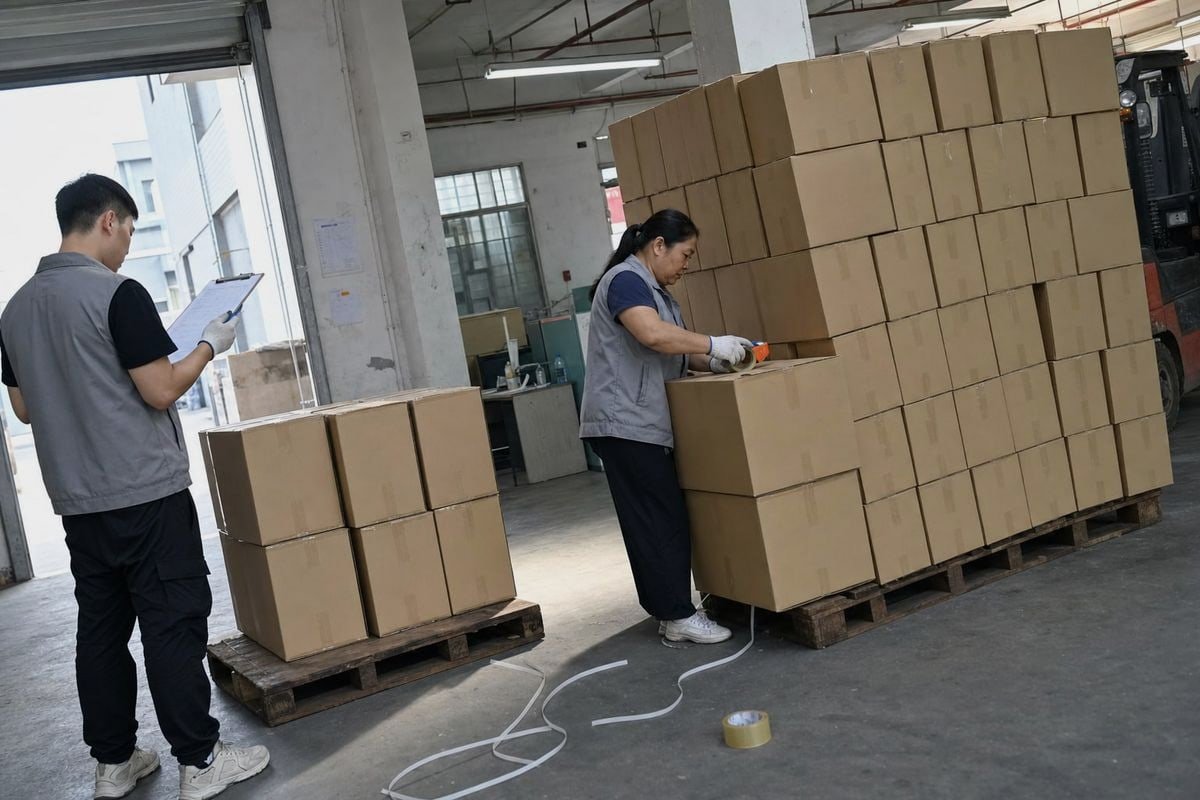
Unit thresholds should reflect what each buyer can realistically move. A single-location optician might display 60–100 frames and hold 200–400 in back stock across all categories. Kids frames are only a slice of that. Asking them to buy 500 units of children's styles to unlock a discount is unrealistic. But for a 30-location chain, 500 units is under 17 frames per store — barely a starter order.
A practical threshold table
Here is the tier structure we recommend to brands and importers building their own eyewear purchasing agreements:
| Tier | Independent stores | Optical chains | Typical discount depth |
|---|---|---|---|
| Entry | 50–100 unidades | 500 units | Baseline wholesale price |
| Tier 2 | 200–300 units | 1000–3000 unidades | Modest break (single digits) |
| Tier 3 | 500+ units | 3,000–5,000 units | Stronger break |
| Top tier | Via buying groups | 5,000+ annual units | Best pricing, contract terms |
Let annual commitments count
One adjustment matters a lot. Measure chains on annual volume, not per-order volume. A chain placing quarterly replenishment orders of 800 units is more valuable than one big 2,000-unit order with no follow-up. For high-turnover kids styles, we also see success with auto-replenishment models — predictable recurring orders earn consistent tier-2 or tier-3 pricing even when individual shipments are small. This supports profit margin optimization on both sides: the buyer locks favorable pricing, and we plan production efficiently across our workshop.
For independents, keep the entry tier reachable. A buyer testing the market from our existing styles avoids mold investment, so a 50-unit trial across several colorways is a fair, low-risk start.
Can I offer chains volume discounts without hurting my relationships with smaller independent buyers?
A buyer in Australia once asked me directly: "If the chain down the street pays 30% less for the same frame, why should I stock it?" That question deserves a real answer, not a dodge.
Yes — protect independent relationships by differentiating what each channel receives: give chains volume discounts on core styles, but reserve exclusive colorways, buying-group access, marketing support, and service-based value for independents so they never compete on identical products at identical costs.
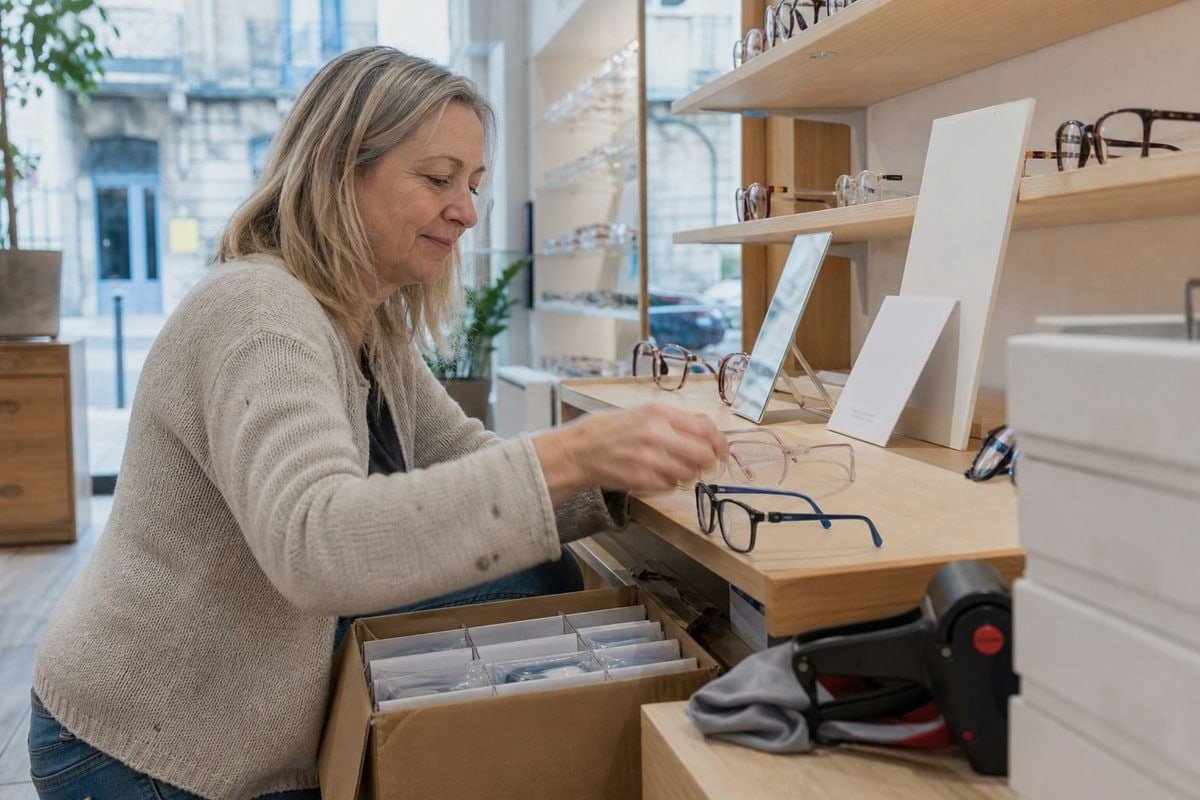
The fear behind that Australian buyer's question is real. Some argue chains simply win on price and convenience, so suppliers should chase chain volume and accept independent churn. I disagree, and our order book proves why. Independents deliver something chains often cannot: hands-on pediatric fitting, careful adjustment, and honest guidance for parents. Children's glasses are a service-heavy category. Consumer guides consistently recommend buying kids frames in person because fit matters more than fashion. That means independent optician benefits — expertise, curation, trust — genuinely justify a different value equation, not just a higher price.
Four ways to protect both channels
- Differentiate the assortment. From our 800-style catalog, we help independents select colorways or styles a nearby chain does not carry. No direct comparison, no price war.
- Support eyewear buying groups. Independents who join buying groups pool volume and legitimately earn better tiers. This rewards scale without undercutting anyone.
- Give non-price discounts. Staff training on pediatric fitting, in-store display materials, and co-branded packaging cost us less than a price cut but are worth more to a small shop.
- Keep premium stable everywhere. When premium TR90 frames with TPEE temples hold their price across all channels, independents can confidently invest in them.
One data point worth remembering: independent shops in one consumer study carried a median price of $346 after insurance. They need margin room to sustain their service model. Your tier design should protect that room, not erode it.
What terms and MOQs should I set when negotiating with multi-location optical chains versus single-store buyers?
Early in our export history, we signed a chain contract with generous terms and no volume floor. The chain ordered once, went quiet, and we absorbed the setup costs. Lesson learned: terms and MOQs must match commitment.
Set chain MOQs at 300–500 units per style with annual volume commitments, net 30–60 terms, and defined replenishment schedules. For single-store buyers, set MOQs at 25–50 units per style, mixed-style flexibility, and shorter payment terms with clear all-inclusive costs.

Optical chain procurement teams negotiate hard, and they should. But volume discounts must be tied to actual volume, not projected volume. The structure below reflects what has worked in our eyewear purchasing agreements across 15 years:
| Término | Multi-location chains | Single-store buyers |
|---|---|---|
| MOQ per style | 300–500 units | 25–50 units |
| Style mixing | Limited, standardized SKUs | Flexible across catalog |
| Payment terms | Net 30–60 with credit check | Deposit + balance, or net 15–30 |
| Personalización | Full OEM: logos, packaging, colors | Light branding at lower minimums |
| Pricing lock | 6–12 months with volume floor | Per-order pricing |
| Replenishment | Scheduled, forecast-based | As needed |
Terms that matter more than price
Three clauses deserve special attention. First, put a volume floor in any chain contract. If pricing assumes 5,000 annual units, the agreement should adjust if actual volume falls short. Second, be transparent about all-inclusive costs. Shipping, customs, and customization change the true per-frame cost significantly, and hiding them destroys trust with both buyer types. We quote landed-cost estimates whenever a buyer asks, because surprises kill repeat orders. Third, tie warranty terms to the product tier. Our flexible TPEE and TR90 constructions reduce breakage on active kids, so we can support stronger warranty language on premium styles — and that warranty becomes a selling tool for the retailer, especially independents who face parents worried about a second broken pair.
For single-store buyers, keep MOQs low enough to allow honest market testing. A shop ordering 30 units of a translucent pink acetate style and 30 of a sporty black-and-blue frame with silicone temple tips learns quickly what their local parents want. That learning turns into larger, more confident reorders — which is where a real partnership begins.
Conclusión
Discount tiers for kids optical frames fail when one ladder serves everyone. Build two tracks: deep standardized tiers for chains, protective tiers plus real support for independents — and both channels grow with you.
Notas al pie
1. Replaced with a relevant and authoritative market research report on the kids eyewear market size, share, and trends. ↩︎
2. Defines retail markup and explains its calculation and strategic importance. ↩︎
3. Discusses durable lens materials and safety for children’s glasses. ↩︎
4. Explains the benefits and function of optical buying groups for independent practices. ↩︎
Más artículos que te podrían gustar
5 de agosto de 2026
Bio-Based vs Regular Cellulose Acetate: What's the Difference for Kids' Frames?

5 de agosto de 2026
How Recyclable Are Kids' Optical Frame Materials, and What Eco-Friendly Alternatives Exist?
5 de agosto de 2026
Do Kids Optical Frames Whiten or Age in Storage, and How to Control Warehouse Conditions?
¿Buscas un socio confiable en gafas para niños?
Explore más de 800 estilos listos y soporte OEM/ODM completo adaptado a su marca.
Ponte en contacto English
  Español de México
  Deutsch
  Français
  日本語
日本語  العربية
  Português do Brasil