How to Seal and Retain Confirmation Samples for Kids Optical Frames Bulk Production?
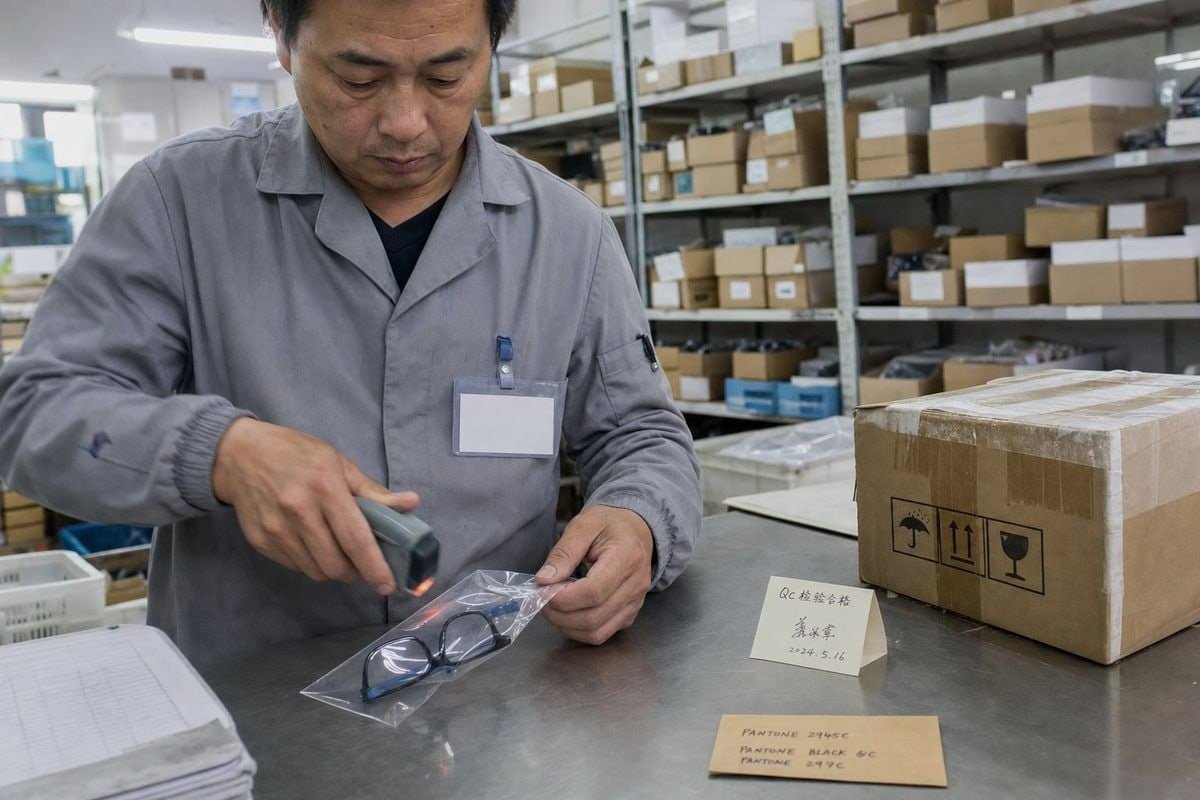
Confirmation samples for kids optical frames bulk production protect both sides. On our production line, an unsealed sample once caused a color dispute that cost weeks — a lesson we never forgot.
To seal and retain confirmation samples for kids optical frames, sign and date the approved frame, seal it in tamper-evident packaging with a full specification card, keep identical sealed samples at both buyer and factory, and retain them for at least 12 months after shipment.
That is the short answer. Below, I will walk you through the full workflow we use with our brand customers, step by step, so you can apply it to your next bulk order.
How do I create a proper sample sealing process before bulk production starts?
A few years ago, a European buyer asked us why our approval process felt "slow." I explained: our sealing routine exists because it prevents every dispute we used to have.
Create a sealing process by first inspecting the approved sample fully, then signing and dating it, attaching a specification card, placing it in a tamper-evident heat-sealed bag or stamped carton, photographing the sealed package, and producing an identical sealed counter-sample for the factory.
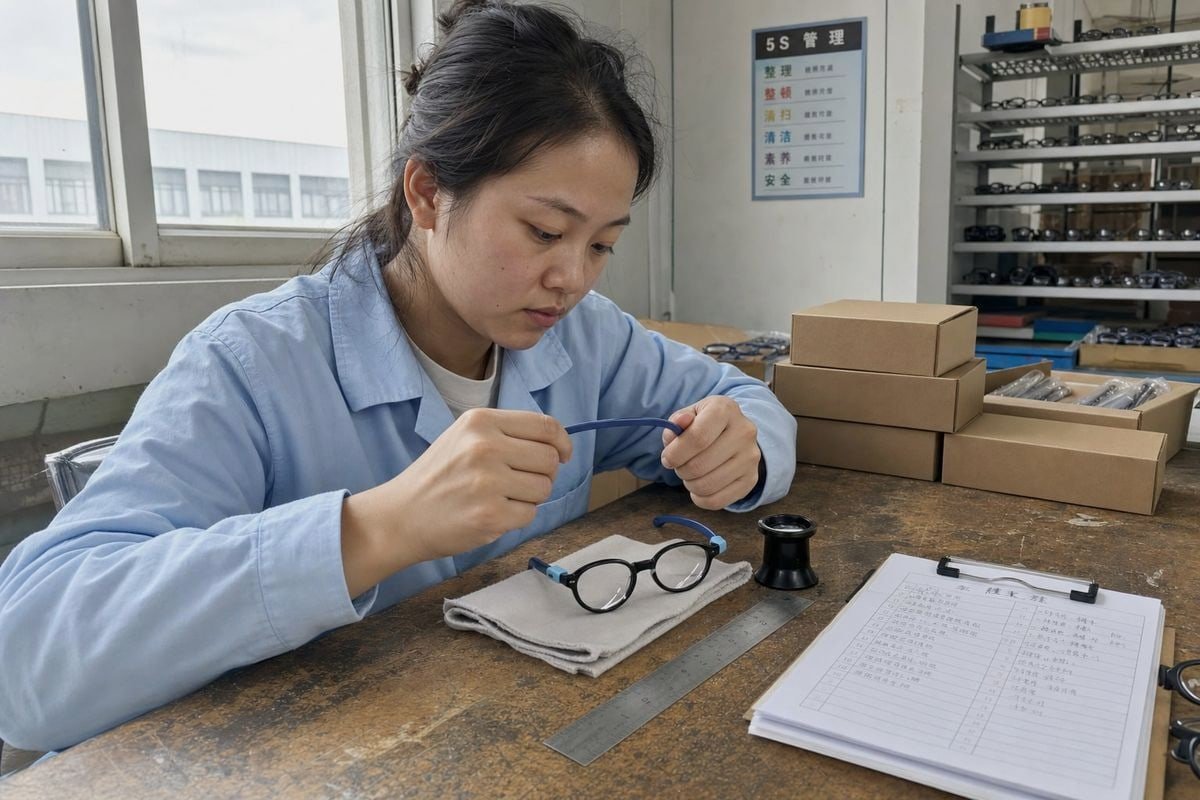
The goal of sealing is simple. Once a sample is approved, nobody should be able to swap it, alter it, or "adjust" it quietly. The sample becomes a controlled golden sample — the single physical truth that bulk production must match. In our 5S-managed workshop, we treat this step with the same discipline as a contract signing, because in practice, that is exactly what it is.
The step-by-step sealing workflow we recommend
- Inspect before you seal. Check frame symmetry, hinge tension, temple flexibility, surface finish, lens fitting, logo sharpness, and packaging. For TPEE y TR90 1 kids frames, we also open and close the temples repeatedly and check nose bridge stability by hand.
- Sign and date the sample. Sign directly on a non-removable tag attached to the temple, or on an approval card sealed with the frame. Both buyer and factory representatives should sign.
- Attach a specification card. Include Pantone color codes 2, material batch numbers, lens spec, logo position, and packaging configuration.
- Seal with tamper-evident materials. We use heat-sealed transparent bags 3 for the frame itself, then a taped carton with pad paper over the seams and a company stamp across paper and tape. Opening it leaves visible damage.
- Photograph everything. Shoot the sealed package from multiple angles, with the signatures and seals visible, before storage or shipping.
- Duplicate the seal format. The buyer's sample and the factory's counter-sample must be sealed the same way, on the same day.
What the seal should protect
| Item sealed with the frame | Por qué importa |
|---|---|
| The approved frame itself | Physical reference for color, fit, finish, and flex |
| Case, cloth, tags, pouch | Packaging is part of the approval, not an afterthought |
| Specification and approval card | Links the physical sample to the written spec |
| Material coupon or resin pellets | Allows later material verification against the bulk run |
Some buyers ask if a video call and photos are enough. In our experience, they are not. Photos support the record, but only a physically sealed sample settles a disagreement about a subtle pink tint or a hinge feel.
What should I include when documenting a confirmation sample for kids optical frames?
When we develop a new TR90 frame with TPEE temples for a client, the documentation package is often longer than the email thread that started the project. That is deliberate.
Document a confirmation sample with a signed approval sheet, Pantone color codes, material batch numbers, dimensional tolerances, hinge and temple specifications, lens details, logo artwork position, packaging configuration, sample version number, approval date, and dated photos of the sealed package.

Documentation turns a sample from "a nice frame" into a contractual quality reference. If the paperwork is vague, the sample loses half its power. In our factory, every approved kids frame carries a specification card that our QC team can read in under a minute — because during bulk production, they will check against it dozens of times.
The core documentation checklist
| Categoría | What to record |
|---|---|
| Identity | Sample version, model number, approval date, buyer and factory signatures |
| Color and finish | Pantone codes for frame, temples, and silicone parts; gloss or matte finish level |
| Materials | TR90 or TPEE grade, material batch number, retained material coupon reference |
| Dimensions | Lens width, bridge width, temple length, and acceptable manufacturing tolerances 4 |
| Mechanics | Hinge torque feel, temple opening angle, flex-recovery baseline 5 from a standard bend test |
| Lenses | Lens type, demo or prescription-ready, UV400 spec if applicable |
| Branding | Logo file version, position, size, print or laser method |
| Empaque | Case, cloth, hang tag, pouch, and carton marks |
| Seguridad | CPSIA safety standards compliance notes and any test report references |
Why kids frames need extra detail
Children's frames are less forgiving than adult frames. A slightly stiff hinge or a rough edge that an adult would tolerate can make a child refuse to wear the glasses. So we document the "feel" items too. For flexible TPEE temples, we record a flex-recovery baseline — a standardized bend test result — so we can monitor elasticity across the bulk run. We also note rounded-edge requirements and nose bridge stability, because small-face fit is the whole point of pediatric eyewear.
One more habit worth copying: record what a pre-production sample is versus a handmade prototype. Your documentation should state clearly that the sealed sample was made from actual bulk materials and production molds. Otherwise, you are approving something the production line cannot repeat.
How long should I keep sealed samples after my order ships?
Here is a trade-off we weigh with every buyer: storage space costs money, but discarding a sample too early can cost far more if a claim arrives months later.
Keep sealed confirmation samples for at least 12 months after shipment, and ideally through the full product lifecycle plus one repeat-order cycle. Both buyer and factory should retain identical sealed samples, stored dry, labeled, and logged with version and approval date.
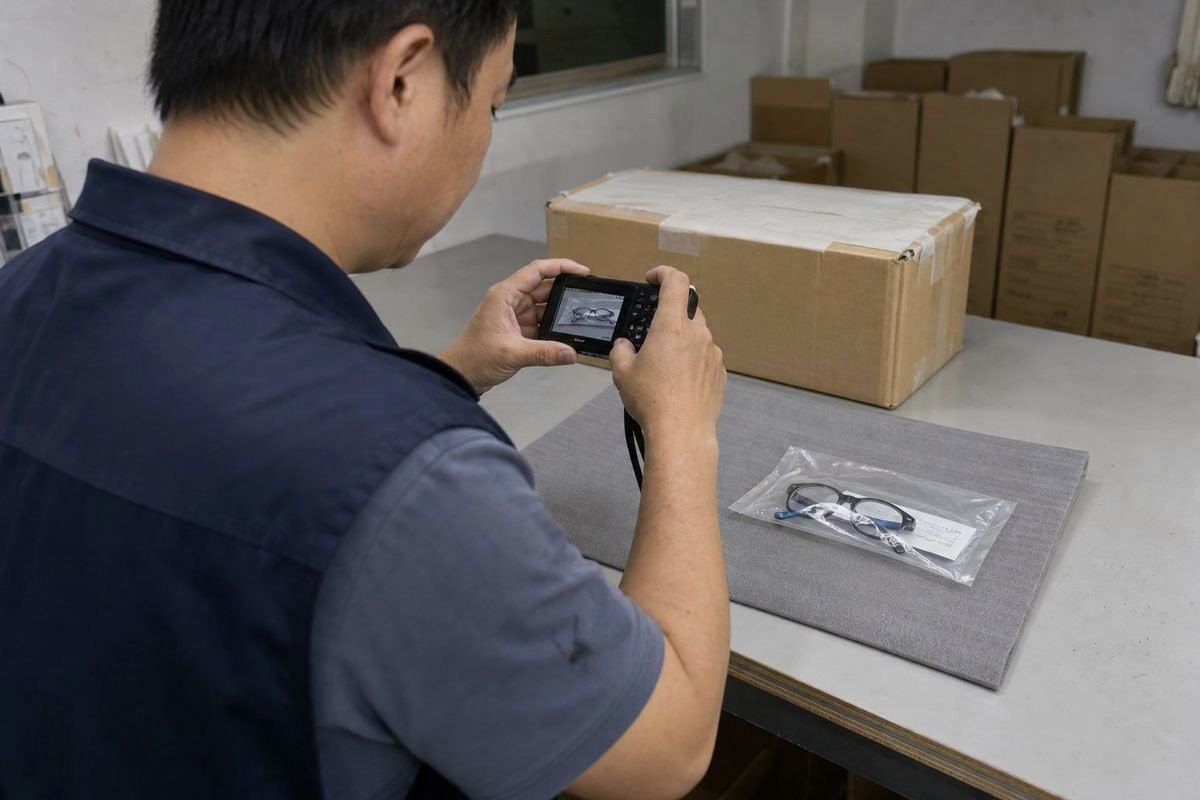
The sample retention period is not just a formality. Kids eyewear brands often reorder the same style for two or three seasons. If your golden sample from the first order is gone, batch consistency on the reorder becomes guesswork. In our archive room in Taizhou, we keep sealed counter-samples for every active customer style, and we only dispose of them after the customer confirms the style is retired — in writing.
Recommended retention timelines
| Scenario | Minimum retention | Our recommendation |
|---|---|---|
| One-time promotional order | 6 months after shipment | 12 months, to cover late claims |
| Ongoing catalog style | Until style is discontinued | Discontinuation plus 12 months |
| Style with repeat orders expected | Through next reorder | Full lifecycle plus one cycle |
| Style with safety-relevant changes | Until updated sample approved | Keep both old and new versions |
Storage practices that actually work
Good retention is more than not throwing things away. Store sealed samples in a labeled, dry, dust-free cabinet or archive box. Keep the approval sheet with the sample, not in a separate file that gets lost. Log the sample version, material batch, color code, and packaging configuration in a simple register. Most importantly, make the factory's counter-sample accessible to QC staff during production — a sealed sample locked in a manager's office helps nobody on the line.
TPEE and TR90 are stable materials, but heat and direct sunlight can still affect color and flexibility over long storage. So we keep archived samples away from windows and heat sources. And whenever any material, color, lens, logo, or packaging change occurs, the old sample is retired and a new golden sample is sealed and approved. Never let an outdated sample stay in circulation as the "current" reference.
What steps can I take if bulk production doesn't match my confirmation sample?
A buyer from Australia once flagged that a shipment's temple color looked "slightly off." Because both of us held sealed samples, we resolved it in two days, not two months.
If bulk production deviates from the sealed sample, stop or hold the run, compare products directly against both sealed samples, document deviations with photos and measurements, classify defects using AQL inspection standards, and negotiate rework, replacement, or concession based on the signed approval record.
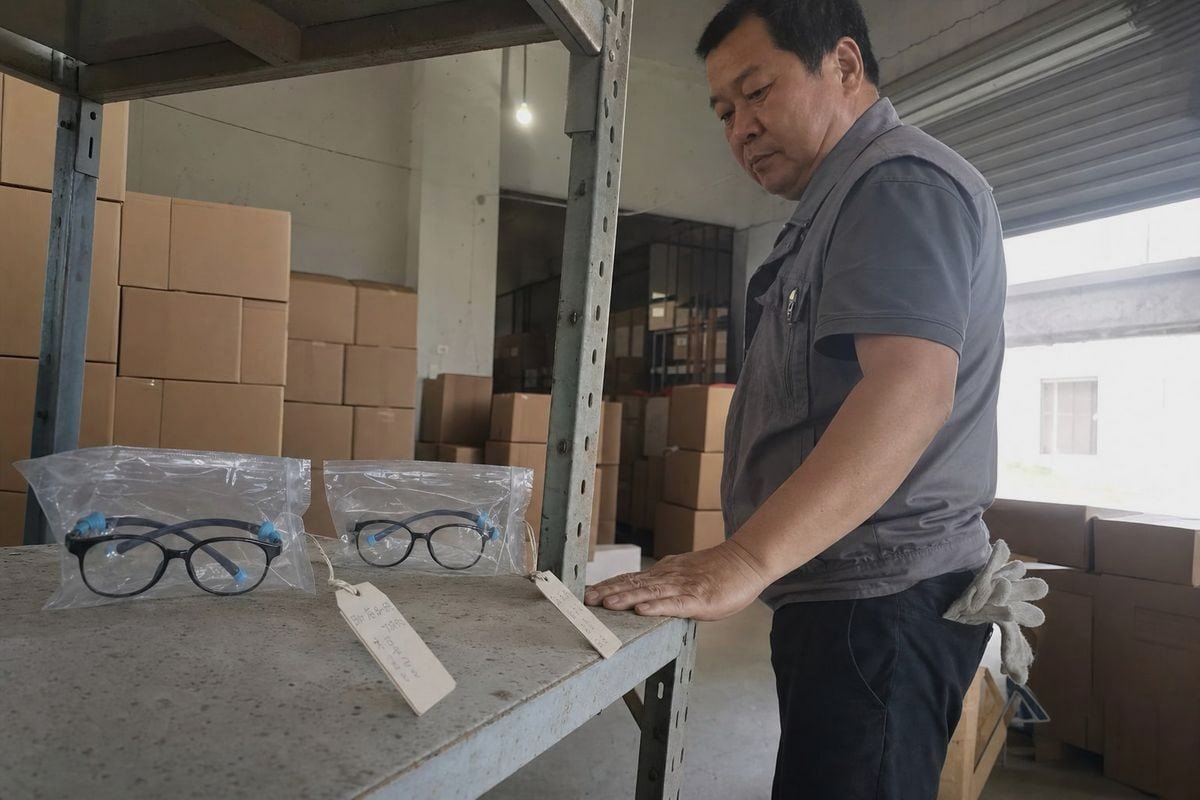
This is where the sealed sample earns its keep. Without it, a deviation dispute becomes opinion against opinion. With it, the conversation is factual and fast. Here is the resolution process we follow as part of our quality assurance protocol.
The deviation resolution process
- Catch it early with First Piece Inspection. Use the sealed sample as the benchmark for FPI at the start of the bulk run. Most deviations — wrong gloss level, logo drift, hinge stiffness — appear in the first pieces, before hundreds of frames are made.
- Hold production. If FPI or an in-line check finds a mismatch, pause the affected line. Continuing production only multiplies the problem.
- Open the sealed samples formally. Break the tamper-evident seals with both parties informed, ideally on a video call, and record the opening. This is why identical dual samples matter — each side verifies against its own reference.
- Measure, don't argue. Compare color under standard lighting, check dimensions against documented manufacturing tolerances, repeat the bend test against the flex-recovery baseline, and verify material if you retained coupons or resin pellets for testing.
- Classify the deviation. Is it a critical, major, or minor defect under your agreed AQL inspection standards 6? A sharp edge on a kids frame is critical. A hang tag printed one millimeter off-center is minor.
- Agree on the remedy. Las opciones incluyen sorting and rework, partial replacement, full re-production, or an agreed concession with a price adjustment. The signed approval documents define who bears the cost.
- Re-seal and update. After resolution, seal fresh reference samples if anything in the spec changed, so the next batch starts from a clean standard.
Because safety on children's faces is non-negotiable, we treat any safety-relevant deviation 7 — edges, small parts, hinge pinch points — as an automatic stop, regardless of how small the affected quantity seems. A cosmetic flaw can be discussed; a safety flaw cannot.
Conclusión
An unsealed sample invites disputes; a sealed, signed, dual-retained golden sample prevents them. Build this workflow once, and every kids optical frame bulk order becomes safer and simpler.
Notas al pie
1. Background on thermoplastic elastomer materials used for flexible frame components. ↩︎
2. Pantone is the global standard reference for color matching in manufacturing. ↩︎
3. Explains tamper-evident packaging principles behind sealing confirmation samples. ↩︎
4. Detailed explanation of engineering and manufacturing tolerances from a reliable source. ↩︎
5. Background on elastomer flexibility and recovery relevant to temple bend testing. ↩︎
6. Authoritative Wikipedia entry explaining the AQL standard for quality control inspections. ↩︎
7. CPSIA sets US safety compliance rules relevant to children’s product deviations. ↩︎
Más artículos que te podrían gustar

5 de agosto de 2026
Bio-Based vs Regular Cellulose Acetate: What's the Difference for Kids' Frames?

5 de agosto de 2026
How Recyclable Are Kids' Optical Frame Materials, and What Eco-Friendly Alternatives Exist?
5 de agosto de 2026
Do Kids Optical Frames Whiten or Age in Storage, and How to Control Warehouse Conditions?
¿Buscas un socio confiable en gafas para niños?
Explore más de 800 estilos listos y soporte OEM/ODM completo adaptado a su marca.
Ponte en contacto English
  Español de México
  Deutsch
  Français
  日本語
日本語  العربية
  Português do Brasil