How to Request Traceability Certification for Kids Optical Frames Materials?

Traceability certification for kids optical frames materials is a question our sales team hears weekly. Buyers get vague “eco-friendly” claims, worry about hidden risks, and need real paperwork before ordering.
To request traceability certification for kids optical frames materials, ask your supplier for the certificate name and number, its scope and validity dates, batch-level material records, upstream resin certificates, and third-party test reports covering CPSIA, REACH, and heavy metal limits before you approve any order.
That is the short answer. Below, I will walk you through each step, based on what we actually provide to our own B2B customers in more than twenty countries.
How can I verify that my kids optical frames supplier provides genuine material traceability documents?
A buyer from Australia once sent me a competitor's "certificate." It was a single logo on a brochure page. No number, no scope, no lab name. That is not traceability.
Verify genuine traceability documents by checking the certificate number against the issuing body, confirming the certified site address matches the actual factory, matching batch numbers on paperwork to your production lot, and requesting upstream certificates for the raw resin, not just the finished frame.

Genuine traceability means the supplier can document the material journey from raw pellet to finished frame. In our workshop in Taizhou, that means keeping batch records for every TR90 1 and TPEE lot we receive, so we can connect a specific shipment of frames back to a specific material delivery. A trader usually cannot do this. A real factory can.
Here is the key distinction. A marketing claim says "our frames are eco-friendly." A traceability document says "this batch of TR90 came from this compounder, on this date, under this certificate number, and here is the test report." Only the second one protects you when a retailer or regulator asks questions.
Four checks that expose fake paperwork
First, call or email the certification body. Legitimate certificates can be verified directly with the issuer. Second, compare the certified entity name and site address to the factory you are actually buying from. Certificates issued to a parent company or a different site do not cover your goods. Third, ask how batch or lot numbers flow through production. If the supplier cannot explain their system in one or two sentences, they probably do not have one. Fourth, request subsupplier documents for the resin or compound. Traceability breaks if the chain stops at the frame factory's door.
| Comprobar | Qué Pedir | Señal de alerta |
|---|---|---|
| Certificate identity | Number, issuer, validity dates | No number or expired dates |
| Site scope | Certified factory address | Only the parent company is named |
| Batch linkage | Lot records tied to your PO | "We don't track by batch" |
| Upstream proof | Resin or compound certificates | Chain stops at the frame factory |
Regular eyewear supply chain audits, whether done by you or a third party, are the strongest way to confirm all four checks in one visit.
What certifications should I request to confirm TR90 and TPEE materials are safe for children?
When we developed our TR90 frames with flexible TPEE 2 temples, we tested the materials long before the first mold opened. Safety paperwork and traceability paperwork are two different files, and you need both.
Request third-party test reports covering CPSIA lead and phthalate limits for the US, REACH restricted substances for Europe, heavy metal testing, and BPA-free declarations. Add UV400 protection standards and EN ISO 12312-1 reports for sun lenses, plus impact resistance data for optical frames.
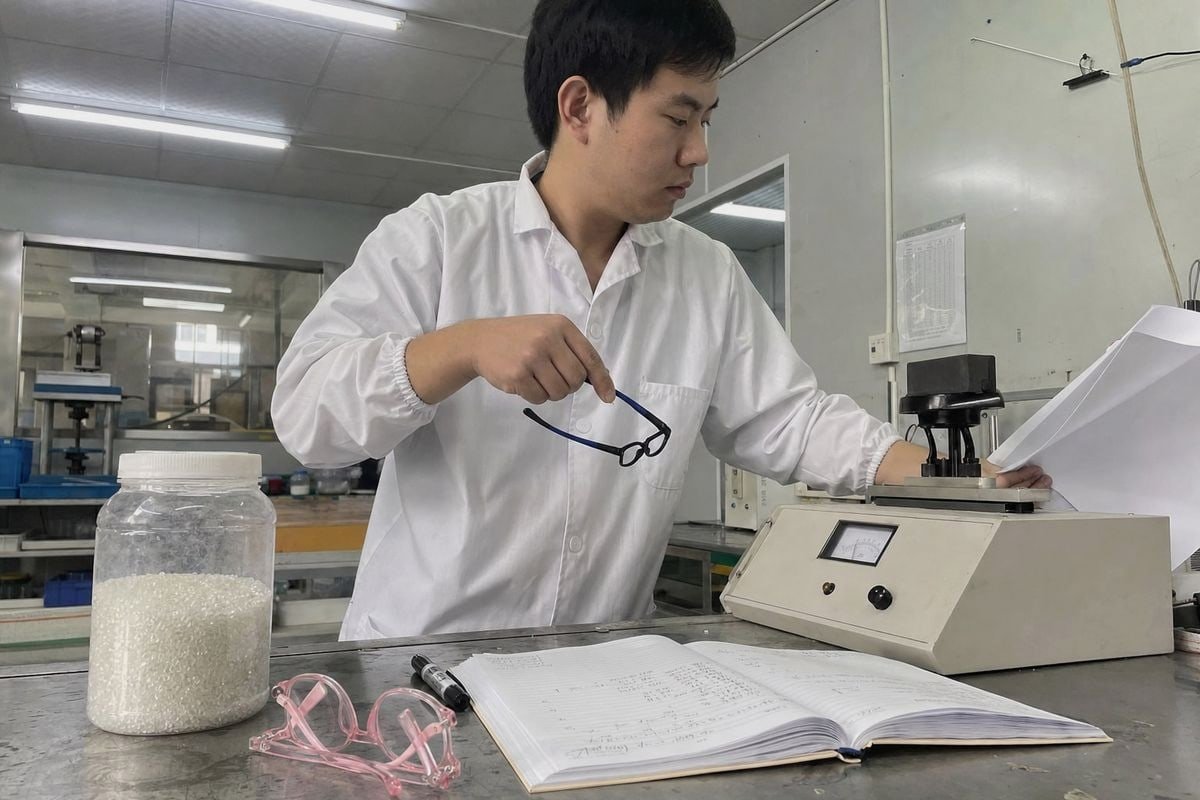
Here is the tension many buyers miss. A frame can be fully traceable but still fail child-safety rules. It can also pass every safety test while having zero traceability. Some suppliers treat traceability certificates as a sustainability sales tool. You should treat them as one layer of compliance evidence, sitting alongside genuine safety test reports. Never let one substitute for the other.
TR90 and TPEE are both well suited to children's faces. TR90 is a flexible thermoplastic that bends without snapping. TPEE is a soft, rubber-like elastomer we use for temples and tips, like the flexible navy-and-black temples on our sporty kids frames. Both are considered hypoallergenic frame materials when properly compounded. But "properly compounded" is exactly what testing verifies. Colorants, plasticizers, and coatings on logos or decorative dots can all introduce restricted chemicals. Children's products face extra scrutiny because every component matters, not just the main frame body.
The safety document stack by market
| Mercado | Key Requirement | Document to Request |
|---|---|---|
| EE. UU. | CPSIA compliance eyewear rules (lead, phthalates) | Third-party lab report + Certificado de Producto Infantil 3 basis |
| UE | REACH 4 regulation chemicals restrictions | REACH test report + Declaration of Conformity |
| Sunglasses (EU) | EN ISO 12312-1 5 performance | Optical and UV test report |
| All markets | Chemical safety on skin contact parts | Heavy metal testing glasses report, phthalate free frames declaration |
For prescription frames sold in the US, ask your supplier whether they understand FDA medical device classification for spectacle frames, and whether their quality system aligns with ISO 13485 optical practices. In our experience exporting to Europe, Japan, and Australia, buyers who request this stack up front avoid painful surprises at customs.
How do I request a factory audit or material test report before placing my order?
The trade-off we discuss most with new buyers is timing. Auditing before the order costs a few weeks. Skipping it can cost an entire rejected shipment.
Request an audit or test report in writing before payment: name the standard you need, specify the exact SKU and material, set a deadline, and state that the order is conditional on results. Reputable factories accept third-party audits and share recent test reports within days.

A clear, structured request gets faster and better answers than a vague "please send certificates." Here is the process we recommend, and the one our smoothest customer relationships follow.
A five-step request process
- Define your requirements first. List your target markets and the rules that apply: CPSIA for the US, REACH and EN ISO 12312-1 for Europe, and any retailer-specific chemical limits. Do this before contacting the supplier, so you ask for the right documents the first time.
- Send a written document request. Ask for existing test reports on the exact material and style you plan to buy, the certificate scope statement, the last audit date, and batch traceability procedures. Ask which parts are covered: front, temples, hinges, screws, coatings, case, and packaging.
- Book the audit or test. For audits, you can visit yourself or hire a third-party inspection firm. Our factory hosts buyer audits regularly; a 5S-managed workshop with 120 workers has nothing to hide. For testing, agree on who pays and which accredited lab runs it.
- Review results against your checklist. Check that the report references your SKU or material lot, not just a generic material family. Confirm test dates are recent.
- Confirm the order with conditions. Write the compliance requirements into your purchase order, including impact resistant lenses specs and UV400 protection standards where relevant, so future batches are held to the same bar.
One more practical note. Because we hold around 800 existing styles, many of our buyers test the market using proven, already-documented frames before investing in custom molds. That shortcut also shortens the audit conversation, since documentation already exists for those styles.
What documents should I keep on file to prove compliance to retailers and safety regulators?
Early on, a European distributor asked us to resend two-year-old test reports during a retailer review. We had them archived by batch. That day taught me why filing systems win contracts.
Keep the third-party test reports, Declaration of Conformity or Children's Product Certificate, material declarations, traceability certificates with validity dates, batch and production records, labeling proofs with manufacturer details, and supplier audit summaries. Retain each file for at least five years, organized by SKU and batch.
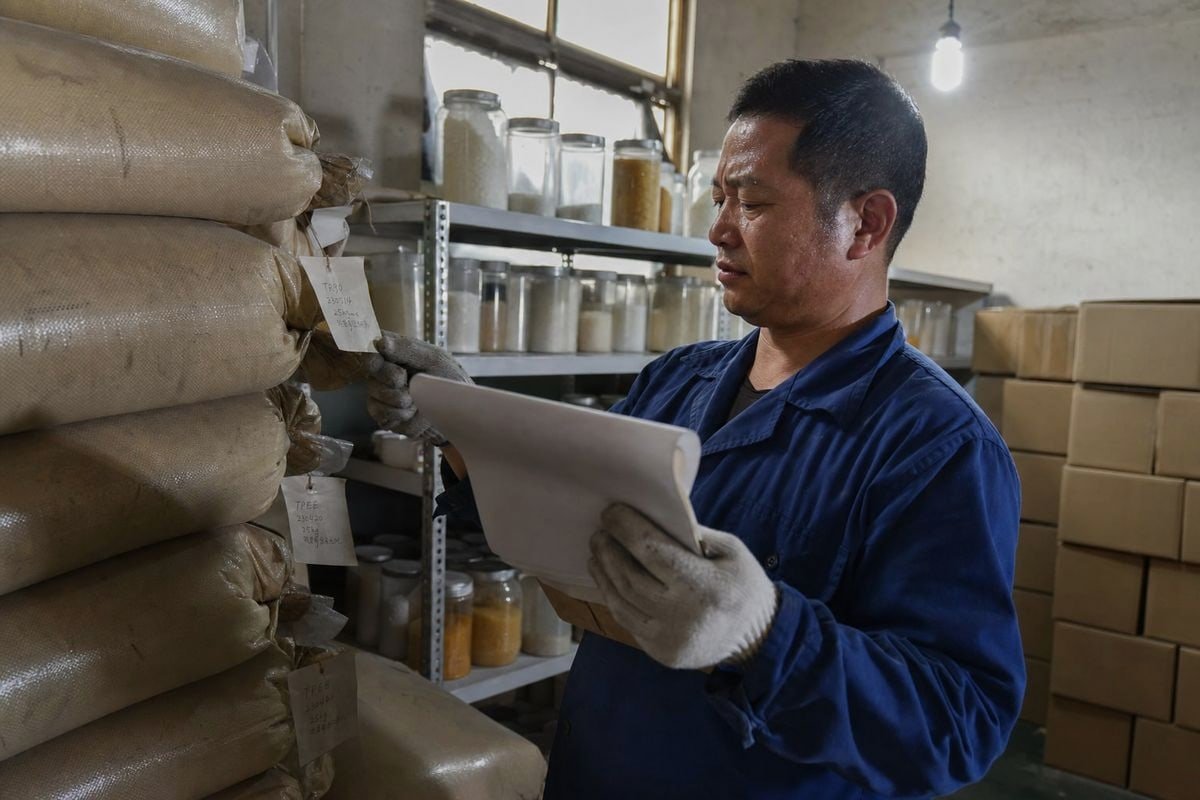
Remember who carries the legal weight. In most markets, the importer or domestic manufacturer is the legally responsible party. In the US, that means you issue the children's product certificate based on the factory's supporting test reports. In the EU, you sign the Declaration of Conformity. Your supplier feeds you evidence; you own the claim. So your file is not a courtesy. It is your legal shield.
Your minimum compliance archive
| Documento | Purpose | Keep For |
|---|---|---|
| Third-party lab test reports | Prove chemical and performance safety | 5+ years |
| DoC (EU) / CPC (US) | Your formal legal declaration | Life of product + 5 years |
| Traceability certificates | Prove material origin and chain of custody | Until expiry + renewals |
| Batch/lot production records | Link claims to specific shipments | 5+ years |
| Labeling and packaging proofs | Show traceability identifiers on product | Life of product |
| Audit reports | Demonstrate supplier due diligence | Ongoing |
Make the file future-proof
Traceability identifiers matter as much as the paperwork. Every shipment should carry batch or serial numbers, plus the manufacturer's name, address, and production date. We print these details on our retail-ready packaging for OEM customers, because retailers increasingly scan and verify them.
Looking ahead, regulators are moving toward the Digital Product Passport, which will require digital lifecycle records accessible via QR codes. Some brands are already layering in Life Cycle Assessment data and blockchain-backed records. You do not need all of that today. But a clean, batch-organized digital archive is the foundation everything else will be built on, so start now.
Conclusión
Vague eco-claims put your brand at risk. Demand certificates, batch records, and safety test reports before ordering, keep them filed, and partner with a factory that shares them willingly.
Notas al pie
1. Explains the properties and benefits of TR90 thermoplastic material for eyewear. ↩︎
2. Provides a general overview of Thermoplastic Polyester Elastomers (TPEE). ↩︎
3. Official guidance on the Children’s Product Certificate for the US market. ↩︎
4. Official overview of the EU’s REACH regulation for chemicals. ↩︎
5. Official standard for sunglasses and related eyewear. ↩︎
Más artículos que te podrían gustar

5 de agosto de 2026
Bio-Based vs Regular Cellulose Acetate: What's the Difference for Kids' Frames?

5 de agosto de 2026
How Recyclable Are Kids' Optical Frame Materials, and What Eco-Friendly Alternatives Exist?
5 de agosto de 2026
Do Kids Optical Frames Whiten or Age in Storage, and How to Control Warehouse Conditions?
¿Buscas un socio confiable en gafas para niños?
Explore más de 800 estilos listos y soporte OEM/ODM completo adaptado a su marca.
Ponte en contacto English
  Español de México
  Deutsch
  Français
  日本語
日本語  العربية
  Português do Brasil