How to Negotiate a Long-Term Supply Deal for Fragile Kids Optical Frames?
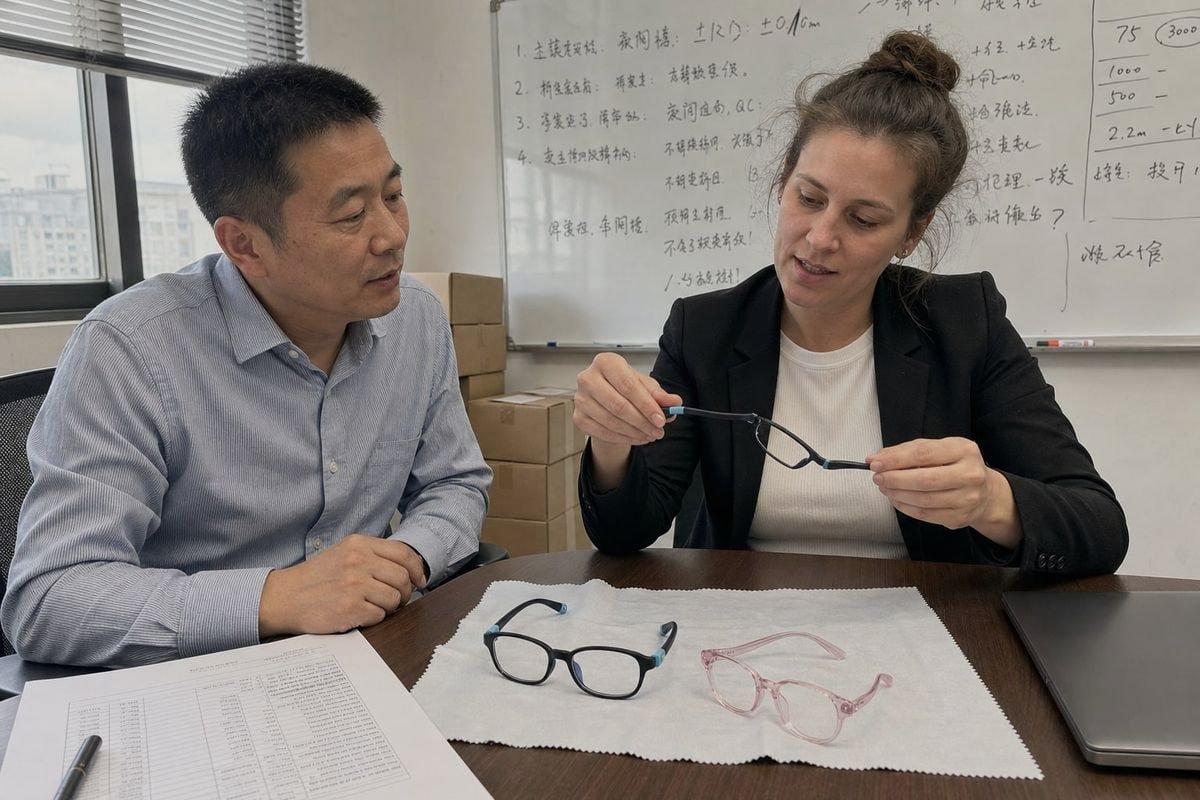
Negotiating a long-term supply deal for fragile kids optical frames worries many buyers I meet. One bad shipment of brittle frames can wreck a season. Our Taizhou production line was built to prevent exactly that.
To negotiate a long-term supply deal for fragile kids optical frames, prioritize safety certification, defect thresholds, and lead time guarantees over unit price. Start with a pilot order of 100–200 pieces, then trade forecasted annual volume for tiered pricing, flexible MOQ, and reserved production capacity.
That is the short answer. The details matter more. Below, I walk through each stage of the negotiation, from the first email to the signed contract.
What terms should I prioritize when negotiating a long-term supply agreement with a kids' eyewear factory?
A buyer from Australia once opened our first call by asking only about price. Fifteen years of running eyewear production has taught me that price is usually the fifth most important term.
Prioritize terms in this order: third-party safety certification, defect thresholds with a defective return policy, lead time guarantees, MOQ flexibility, and payment structure. Unit price comes last, because a cheap frame that snaps on a child's face costs far more in returns and reputation.
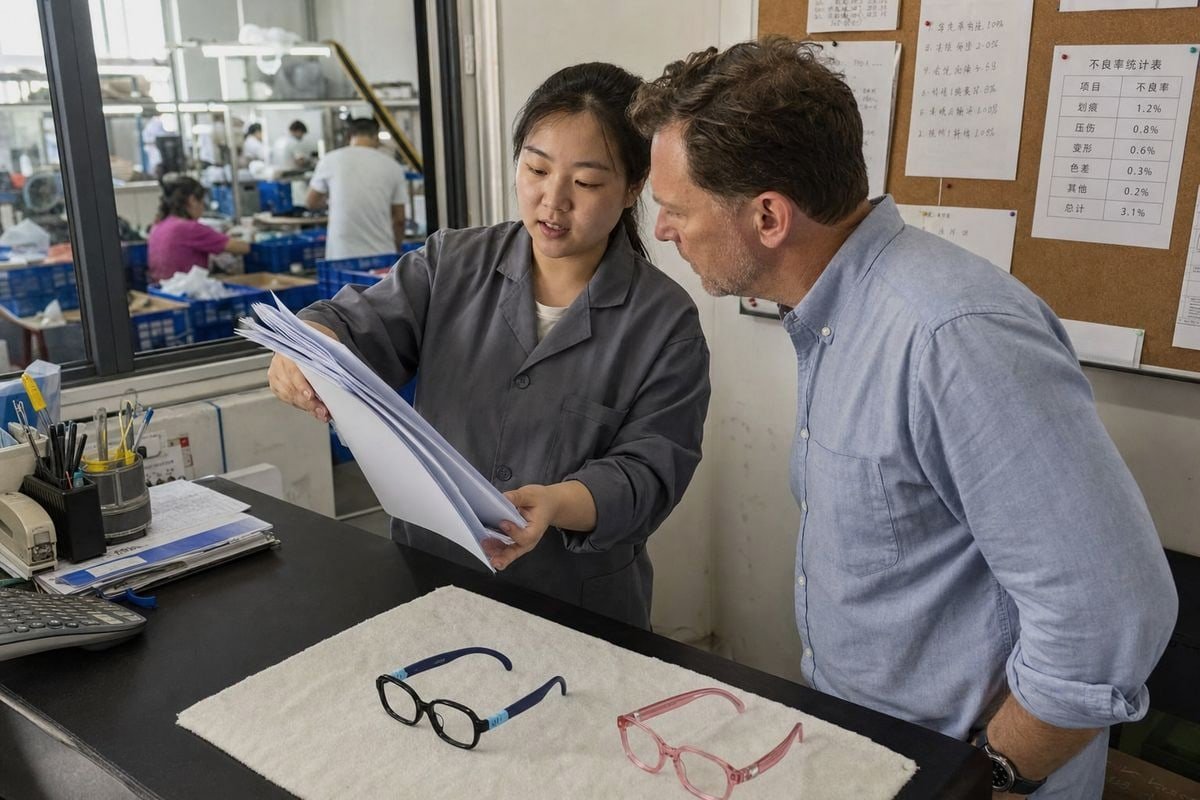
Kids' frames are not adult frames scaled down. Children drop them, sit on them, and chew the temple tips. So the agreement must protect you against breakage risk, not just margin risk. When we negotiate with brand buyers at our factory, the strongest deals always cover the whole package, not one number.
The negotiation levers that matter most
Here is how I rank the levers, based on what actually goes wrong in wholesale eyewear procurement for children's lines:
| Priority | Término | What to ask for | Why it matters for kids' frames |
|---|---|---|---|
| 1 | Safety compliance | Recent third-party test reports (SGS, Intertek, TÜV) and material certificates per component | Children's eyewear faces stricter regulation and retailer audits |
| 2 | Defect handling | A defect threshold (e.g., AQL level) plus replacement credits | Fragile frames fail more often; you need a clear remedy |
| 3 | Lead time guarantees | Committed production windows and expedited replenishment | Stockouts on best-selling kids' SKUs kill momentum |
| 4 | MOQ flexibility | Lower Minimum Order Quantity (MOQ) for new styles | Lets you test 3–5 styles without heavy inventory risk |
| 5 | Payment terms | Deposit plus balance on inspection, moving to net terms | Cash flow protection as trust builds |
| 6 | Price | Volume-based pricing tiers tied to annual milestones | Rewards growth without squeezing quality |
Terms buyers often forget
Two clauses rarely appear in first drafts but save real money later. First, protective packaging specifications. A soft TPEE temple survives shipping; a poorly packed acetate rim 1 may not. Write the packaging spec into the contract. Second, sample approval rules. Every production run should match a sealed, signed golden sample. We keep golden samples on file for every OEM client precisely because disputes vanish when both sides can point to the same physical reference.
Also ask about mold ownership 2 if you commission custom tooling. If you pay for a mold, the contract should state that the design is exclusive to you, so the factory cannot sell the identical style to your competitor. For open-mold styles from an existing catalog, negotiate exclusive colorways instead — it is cheaper and faster.
How can I ensure consistent quality and safety standards over a multi-year partnership?
Last year our QC team rejected an entire batch of temple tips from a sub-supplier because the silicone hardness drifted slightly. The buyer never saw the problem. That is what consistency looks like from inside a factory.
Ensure consistency by writing quality into the contract: annual third-party retesting, a golden-sample rule, pre-shipment quality control inspection rights, an agreed AQL defect level, and a 12–24 month warranty that separates manufacturing defects from normal wear and tear.
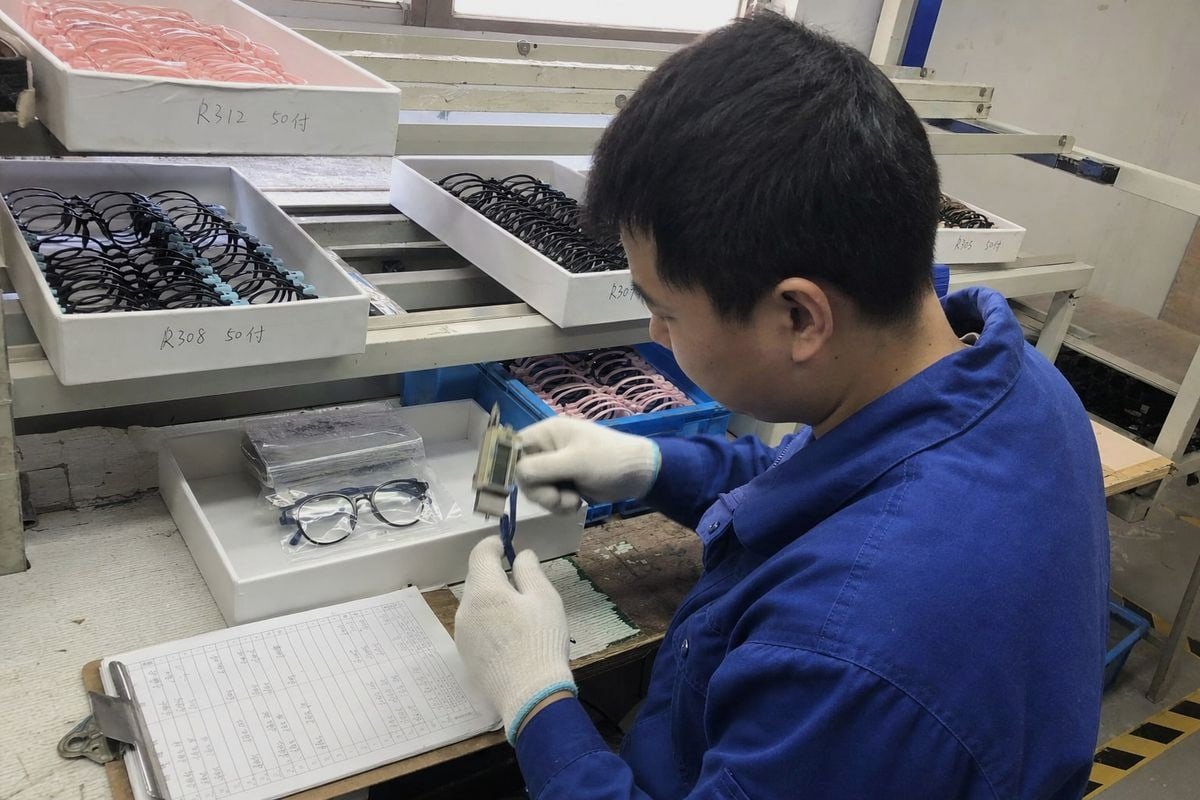
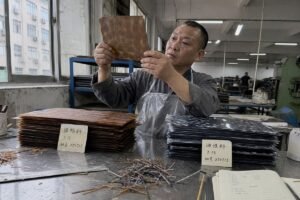
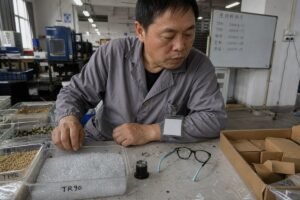
Quality on a single order is easy to check. Quality over three years is a system, and your contract must build that system. In our taller gestionado con 5S 3, we treat every long-term client agreement as a standing set of checkpoints, not a one-time promise. You should demand the same structure from any supplier.
Build a multi-year quality framework
I recommend a numbered process you can paste almost directly into your agreement:
- Certification baseline. Require compliance with ISO 12870, plus CE or FDA depending on your market. Ask for material-level certificates for TR90 memory plastic, TPEE, hinges, and screws — not just a finished-product report.
- Annual retesting. Test reports age. Require fresh third-party reports from an accredited lab every 12 months, at shared or supplier cost.
- Golden samples. Both sides sign and seal reference samples. Every shipment is judged against them for softness, elasticity, inner-surface finishing, and color.
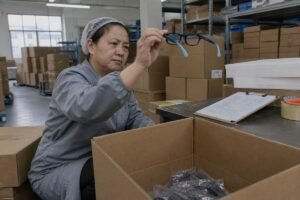
- Inspection rights. Lock in pre-shipment quality control inspection rights, either by your own agent or a third party. A serious factory will welcome this; we do.
- Defect metrics. Set an AQL and a defective return policy with replacement credits and a clear claim window.
- Warranty definition. A 12–24 month warranty should cover hinge failure and material brittleness, but exclude bite marks and sat-on frames. Define both lists explicitly, because active children generate genuine wear and tear.
- Feedback loop. Hold a quarterly review where fit-failure and breakage data from your retail side flows back to the factory's engineers, so frame geometry 4 and mold choices improve over time.
One more point buyers raise: some sources suggest that once a supplier passes an initial audit, you can relax. I disagree. Materials suppliers change, resin batches 5 vary, and molds wear. A supplier who uses different molds for different age groups — as we do for toddler versus school-age frames — has more variables to control, not fewer. Continuous checkpoints are the only honest answer. Finally, confirm the factory carries product liability insurance. For children's products, that is not optional paperwork; it is proof the supplier takes safety risk seriously.
What pricing and MOQ structures work best for long-term children's frame supply deals?
The trade-off I weigh most often in quoting: a low MOQ raises our per-unit setup cost, but it lowers the buyer's risk. The best deals share that risk instead of dumping it on one side.
Use a phased structure: a pilot order of 100–200 pieces across 3–5 styles, then graduated MOQs and volume-based pricing tiers with annual rebates. Trade a forecasted yearly commitment for lower minimums on new styles and better payment terms.
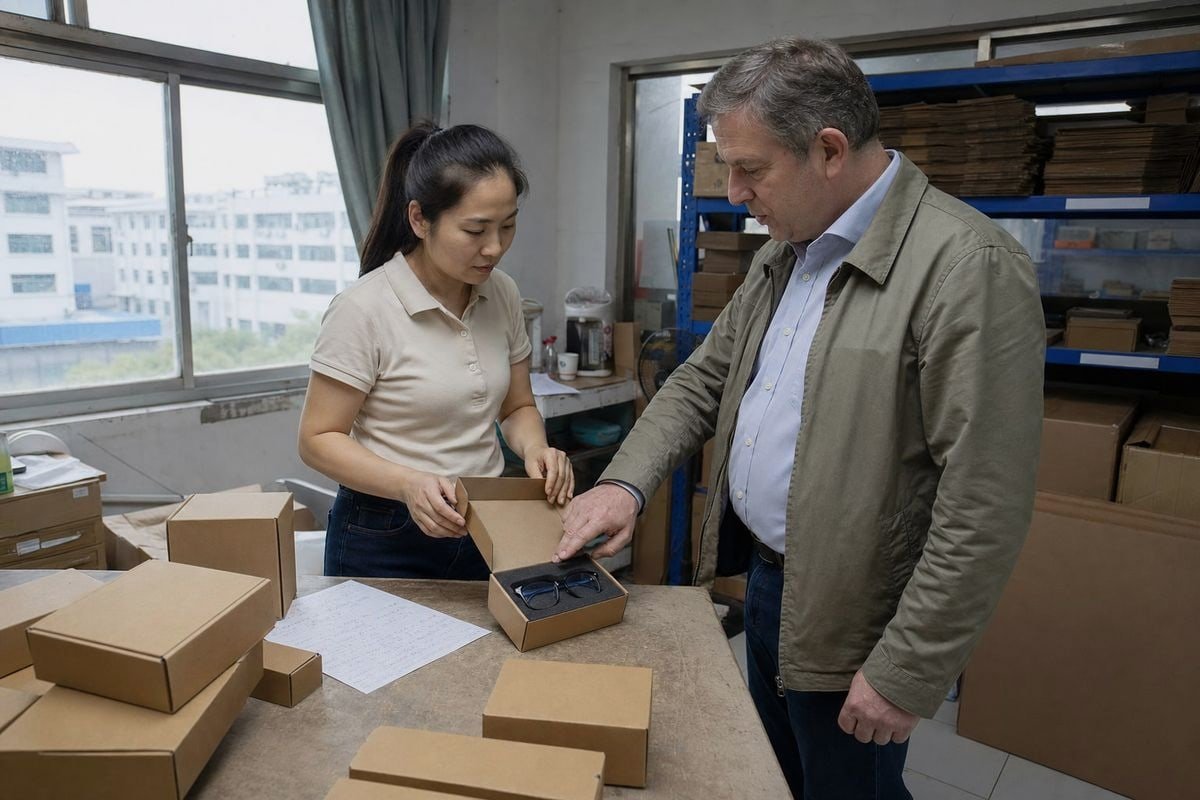
Factories resist low MOQs on children's lines for a real reason: specialized tooling, age-graded sizing, extra testing, and inventory risk. You cannot argue that reason away. But you can offset it. Offer something the factory values — a longer commitment, a phased volume ramp, or predictable reorder cadence — and the Minimum Order Quantity (MOQ) conversation changes completely.
A phased deal structure that both sides accept
| Phase | Typical volume | Pricing approach | What the buyer gains | What the factory gains |
|---|---|---|---|---|
| Pilot | 100–200 pcs, 3–5 styles | Slight unit premium accepted | Market test with low risk | Proof of a serious buyer |
| Ramp | 500–2,000 pcs per order | Standard tier pricing | Lower unit cost, priority slots | Predictable reorders |
| Committed | Annual forecast signed | Volume-based pricing tiers plus year-end rebate | Best pricing, reserved capacity | Planning certainty |
This is why we keep roughly 800 existing styles at our factory: a new brand can run a meaningful pilot without any mold investment, then move to custom colors and logos once sell-through data supports it.
Structures worth negotiating beyond the basic tier
- Volume rebates. Instead of demanding the lowest price up front, agree that hitting annual milestones triggers a credit. You keep quality funded; the factory rewards your growth.
- Flexible MOQ for experiments. Accept a small premium on trial styles in exchange for lower minimums. Fold successful styles into your main tiers.
- White-frame safety stock. Ask the supplier to hold a buffer of unpainted frames — around 15% of run volume — so trending colors can be finished and shipped fast.
- Modular spare parts. Negotiate temples, hinges, and bridges at cost. For fragile kids' frames, in-house repairs rescue margins and delight parents.
- Payment progression. Start with deposit-plus-balance, then move toward partial net terms as the relationship proves out.
One caution. Some negotiation guides push hard counter-offers as the default. In children's eyewear, that approach backfires. If you squeeze a factory below its sustainable cost, the savings come out of resin grade or QC hours — the two things you can least afford to lose.
How do I evaluate whether a manufacturer can reliably support my brand's growth over time?
A distributor from Japan once asked to video-tour our workshop before placing even a pilot order. He wanted to see the injection machines 6 and the QC benches, not our brochure. That instinct was exactly right.
Evaluate a manufacturer on five signals: factory status versus trading company, flexible-material expertise, documented QC systems, scalability of capacity, and communication speed. Score each supplier on delivery, defect rate, and responsiveness before signing any multi-year agreement.

Growth support is different from order fulfillment. Plenty of suppliers can ship one good container. Far fewer can double your volume, add a new age-group size, develop an exclusive colorway, and still hit their delivery dates. Before you commit, build a simple supplier scorecard and shortlist two or three candidates so you keep leverage and never depend on a single source.
A practical supplier scorecard
| Criterion | Qué comprobar | Green flag | Red flag |
|---|---|---|---|
| Fábrica vs. comerciante | Business license, video tour, worker count | Own workshop, in-house molding | Vague answers, no factory footage |
| Material expertise | TR90 memory plastic and TPEE handling | Explains flexibility, hinge design, age-group molds | Only talks about colors and price |
| Sistema de control de calidad | Inspection stations, 5S practices, AQL records | Written procedures, golden samples | "We check everything" with no records |
| Scalability | Capacity, lead time under load | Can reserve production capacity for you | Lead times balloon at higher volumes |
| OEM/ODM depth | Custom logos, lenses, packaging | Retail-ready branded presentation | Stickers on stock boxes |
| Communication | Response time, English clarity | Answers within one business day with specifics | Slow, evasive, or copy-paste replies |
Test with data, then decide
Bring your own numbers to this evaluation. Pull sales data from the last 3, 6, and 12 months, estimate demand by style and price point, and share a realistic forecast. A capable factory will respond with concrete capacity plans, not just enthusiasm. Then run your pilot order and measure: on-time delivery, defect rate at receiving inspection, and how the supplier handles the first problem. Every supplier looks good when nothing goes wrong. The first defect claim tells you who you are really partnering with.
Ask forward-looking questions too. Can they deliver archivos CAD 3D 7 for virtual try-on tools? Will they support an exclusive distribution agreement 8 in your territory once volumes justify it? Do they adjust frame geometry based on your fit-failure feedback? At our factory, these conversations are how a one-container client becomes a five-year partner. Suppliers who cannot engage with them will cap your growth.
Conclusión
Fragile kids' frames punish weak contracts. Negotiate compliance, defect terms, and lead times first, pilot before committing, then scale with tiered pricing — and your supply deal becomes a growth engine.
Notas al pie
1. Authoritative definition of acetate material properties used in high-quality eyewear frames. ↩︎
2. Wikipedia section detailing the technical construction and role of injection molding tooling. ↩︎
3. Explains the lean manufacturing methodology used to maintain quality and consistency in production environments. ↩︎
4. Wikipedia entry covering the structural components and design geometry of eyeglass frames. ↩︎
5. Authoritative Wikipedia guide to synthetic resins and their use in plastic manufacturing. ↩︎
6. Comprehensive Wikipedia article on the machinery and mechanics of the injection molding process. ↩︎
7. Authoritative Wikipedia overview of computer-aided design technology and its industrial applications. ↩︎
8. Wikipedia entry covering the legal structure and terms of exclusive distribution contracts. ↩︎
Más artículos que te podrían gustar
5 de agosto de 2026
Bio-Based vs Regular Cellulose Acetate: What's the Difference for Kids' Frames?
5 de agosto de 2026
How Recyclable Are Kids' Optical Frame Materials, and What Eco-Friendly Alternatives Exist?
5 de agosto de 2026
Do Kids Optical Frames Whiten or Age in Storage, and How to Control Warehouse Conditions?
¿Buscas un socio confiable en gafas para niños?
Explore más de 800 estilos listos y soporte OEM/ODM completo adaptado a su marca.
Ponte en contacto English
  Español de México
  Deutsch
  Français
  日本語
日本語  العربية
  Português do Brasil