How Do Kids’ Sunglasses Design Preferences Differ Between Western and Japanese Markets?
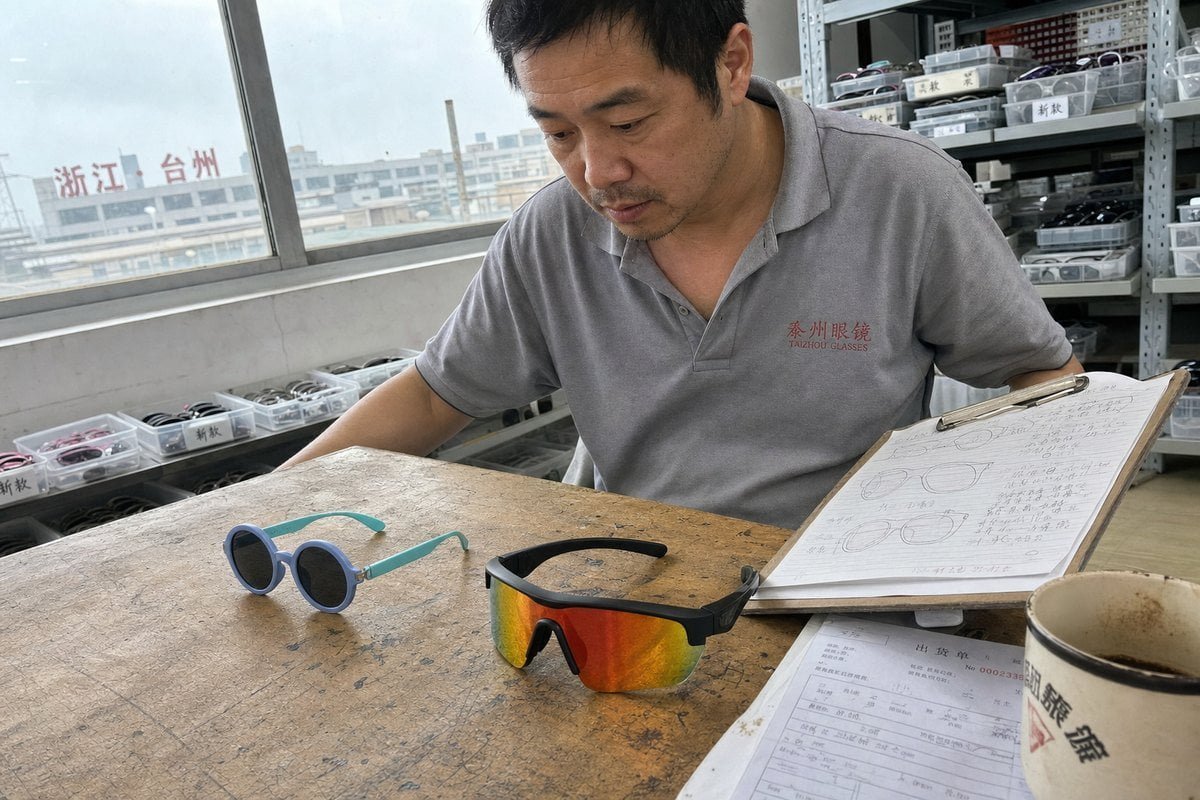
Kids’ sunglasses design preferences confuse many buyers. I have watched brands order beautiful frames from our Taizhou factory, then struggle because one design fit only one market.
Kids’ sunglasses design preferences differ mainly in shape, color, and fit. Western markets favor bold, retro, mini-adult styles with vibrant lenses, while Japanese markets prefer subtle pastels, light lens tints, Asian fit nose bridges, and refined, adult-like or kawaii coordinated designs.
Let me break down what we see across both regions, and how you can pick the right products for your brand.
What Frame Shapes and Colors Do Western vs. Japanese Kids Prefer?
A German importer once asked me why his neon wraparounds sold fast in Europe but stalled with his Osaka distributor. That question opened a long conversation in our showroom.
Western kids prefer bold shapes like oversized squares, aviators, and shield frames in vibrant primary colors. Japanese kids lean toward rounded frames, minimalist color palettes, soft pastels, and light-colored lenses that look cute or subtly adult-like rather than loud.
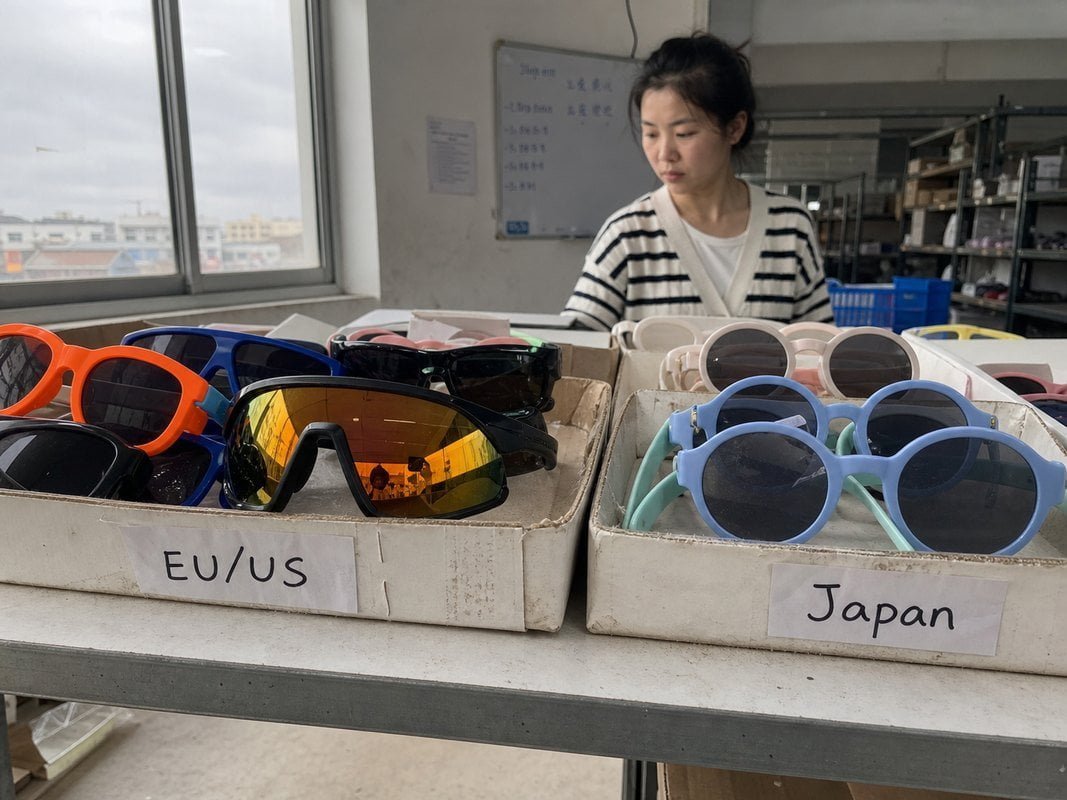
Here is a quick side-by-side comparison based on what our export orders show:
| Design Element | Western Markets | Japanese Market |
|---|---|---|
| Popular shapes | Oversized squares, aviators, wayfarers, shields | Rounded, oval, softly organic silhouettes |
| Color direction | Neons, high-contrast primaries, bold two-tones | Pastels, earth tones, muted "kawaii" shades |
| Lens tint | Dark, mirrored, colorful gradients | Light tints that do not hide the face |
| Style logic | Mini-me adult fashion, Y2K, retro revival | Coordinated subtlety, adult-like refinement |
| Playful category | Superhero and cartoon statement frames | Colorful "toy sunglasses" as accent pieces |
The Mini-Me Effect in the West
Western kids' eyewear follows adult fashion cycles closely. When Y2K shields and retro ovals trend for adults, the children's versions arrive within a season. Pop culture influences drive this hard. A movie release can shift demand toward one silhouette almost overnight. Our sport shield style, with its glossy frame and orange-to-gold mirrored lens, sells strongest in North America, Australia, and Europe for exactly this reason. It looks like performance eyewear that a parent would wear.
The Coordinated Look in Japan
Japanese buyers ask us for something different. They want frames that read as fashionable but gentle. Our round pastel model, with a periwinkle-blue front and mint-teal temples, is a typical Japan-friendly design. The lens is present but not aggressive. The kawaii design aesthetic 1 favors soft curves and quiet color harmony. Parent-child matching looks are also growing, so muted tones that echo adult frames perform well. One nuance matters: Japanese retailers report interest in both refined adult-like styles and playful toy sunglasses, so a smart assortment covers both ends.
How Do Safety and Comfort Standards Differ Between These Markets?
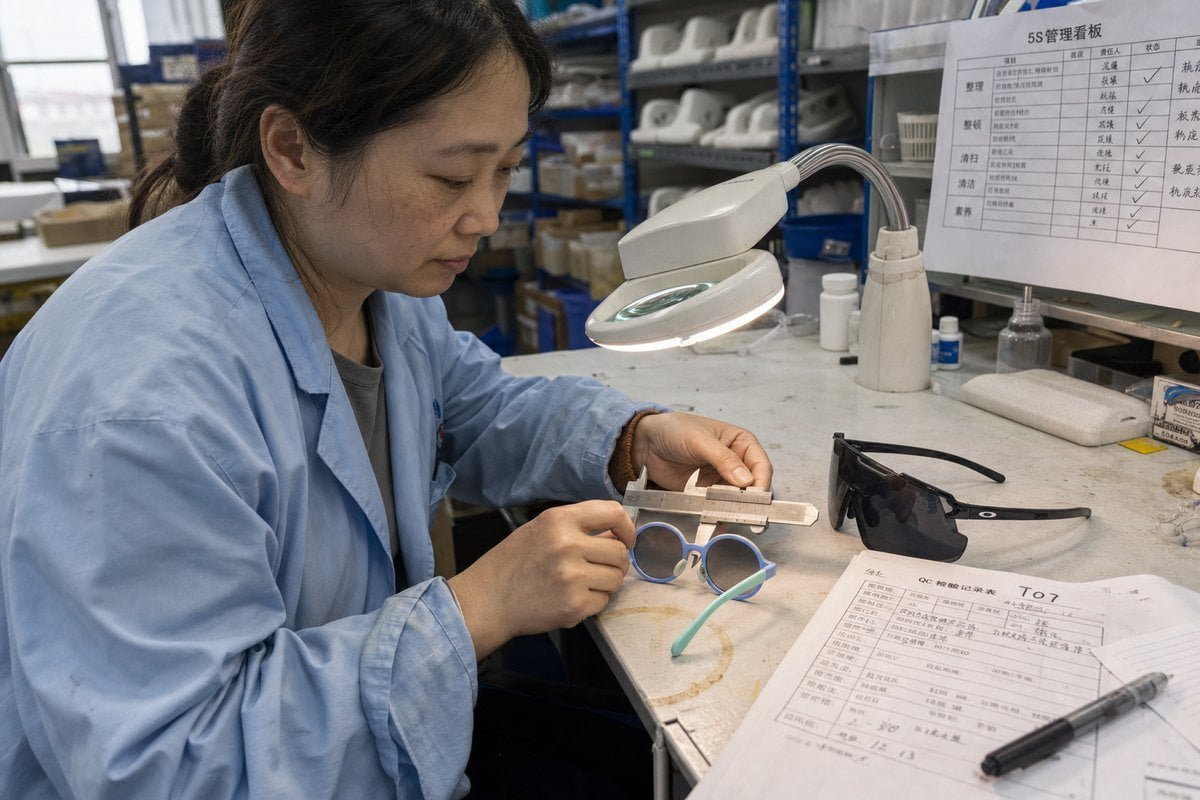
During a QC audit in our 5S-managed workshop last year, a Japanese client spent two full hours on nose pad geometry alone. His European counterpart, visiting the same week, focused mostly on impact resistance 2. That contrast says a lot.
Both markets demand UV400 protection, shatter resistance, and non-toxic materials. The difference is emphasis: Japanese buyers scrutinize Asian fit ergonomics, nose bridge height, and lightweight comfort, while Western buyers stress durability, impact safety certification standards, and active-play performance.
Safety is the universal floor. Style is negotiable; protection is not. But the two markets weight the details differently, and this affects your product brief.
Fit and Facial Morphology
Facial morphology differences are real, and they matter more for children than for adults. Japanese eyewear design has long emphasized Asian fit eyewear: flatter frame curves, wider bridge placement, and lower or extended nose pads. A frame built on a European fit block will slide down a lower nose bridge, and a child who feels glasses slipping will simply take them off. Nose bridge ergonomics 3 decide whether the sunglasses get worn at all. In our development work, we adjust bridge height, pad angle, and temple splay when a style is destined for Japan, even if the front design stays identical.
Materials and Certification Priorities
| Priority | Western Buyers | Japanese Buyers |
|---|---|---|
| Protección UV400 4 | Mandatory, marketed prominently | Mandatory, framed as health essential |
| Impact and durability | Very high; active outdoor play focus | High, plus craftsmanship expectations |
| Flexible frame materials | TPEE/TR90 valued as "unbreakable" | TPEE/TR90 valued for lightness and comfort |
| Fit tolerance | Standard fit acceptable | Asian fit adjustments often required |
| Lens extras | Polarized lens technology 5 for glare | Interest in hybrid indoor-outdoor lenses |
Flexible frame materials are where both markets converge. Our TPEE and TR90 constructions 6 bend without snapping, which reassures safety-conscious parents everywhere. Polarized lens technology is a stronger selling point in Western sport lines, while Japanese buyers increasingly ask about blue light filtration combined with Protección UV 7, driven by tablet use in early education. Both regions expect environmentally friendly, non-toxic materials, and neither will accept vague answers on compliance documentation.
Can One Design Work for Both Western and Japanese Kids' Brands?
The honest trade-off I weigh with clients every month is this: one global SKU is cheaper to run, but two localized versions almost always sell better. The right answer depends on the design itself.
Yes, one design can work for both markets if the base shape is neutral, the bridge fit is adjustable, and colorways are localized. Rounded, lightweight frames in flexible materials cross over best; bold shields and neon palettes usually need Western-only positioning.
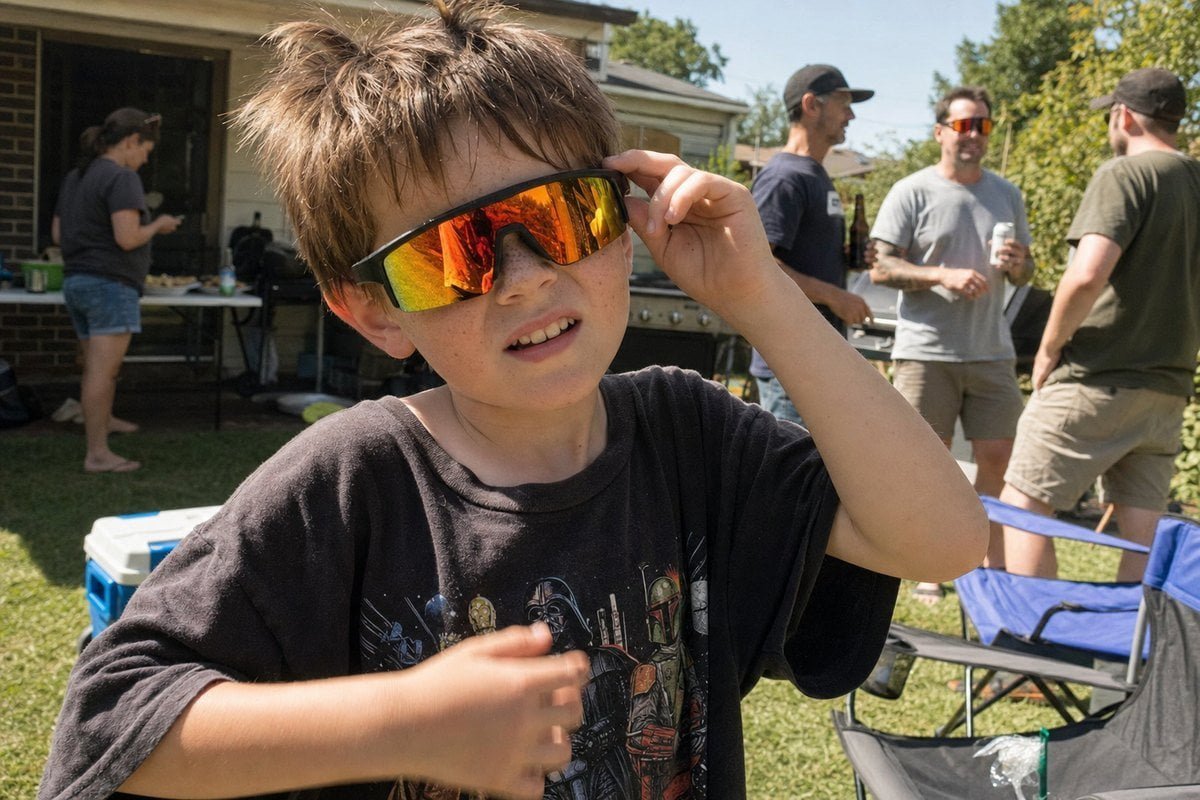
Some silhouettes travel well. Others do not. After fifteen years of building children's frames, we see a clear pattern in what crosses borders.
What Crosses Over Easily
Rounded and oval frames are the safest global bet. They suit the kawaii design aesthetic in Japan and also ride the Western retro wave. A soft, organic silhouette like our two-tone pastel round frame works in Tokyo as a coordinated everyday accessory and in Melbourne as a cute beach frame. Lightweight TPEE construction crosses over perfectly too, because comfort and safety are universal parent concerns.
What Needs Localization
Three elements almost always need market-specific versions:
- Bridge and nose pads. Produce an Asian fit variant with a lower, wider bridge and longer pads for Japan. Keep the standard fit for Western orders.
- Colorways. Run the same mold in neon and mirrored finishes for the West, and in pastels, cream, and muted earth tones for Japan.
- Lens strategy. Offer dark polarized or mirrored options for Western sport lines, and light tints or hybrid indoor-outdoor lenses for Japanese assortments.
- Branding placement. Western collaborations like bold external logos. Japanese buyers often prefer hidden details, such as engraving inside the temple.
There is one more cultural layer. Sunglasses are normalized everyday accessories in the West. In Japan, adult sunglasses culture is historically more reserved, which nudges children's designs toward approachable, less aggressive aesthetics. A design that looks "cool" in Los Angeles can look "too much" in Tokyo. Since the frame front is the most expensive tooling element, we advise brands to share molds across regions and localize only colors, lenses, and bridges. That keeps costs sane while respecting real preference differences.
How Do I Choose the Right Styles From OKAY EYEWEAR's Catalog for My Target Market?
A buyer from a Nordic kids' brand recently narrowed our catalog of roughly 800 existing styles down to twelve in a single afternoon. She did it by answering three questions first: which market, which age band, which retail channel. I recommend the same sequence to everyone.
Start by defining your market and age group, then filter our ~800 existing styles by fit type, shape, and color direction. Choose Asian fit rounds and pastels for Japan, bold shields and vibrant mirrors for the West, then customize colors, logos, and packaging.
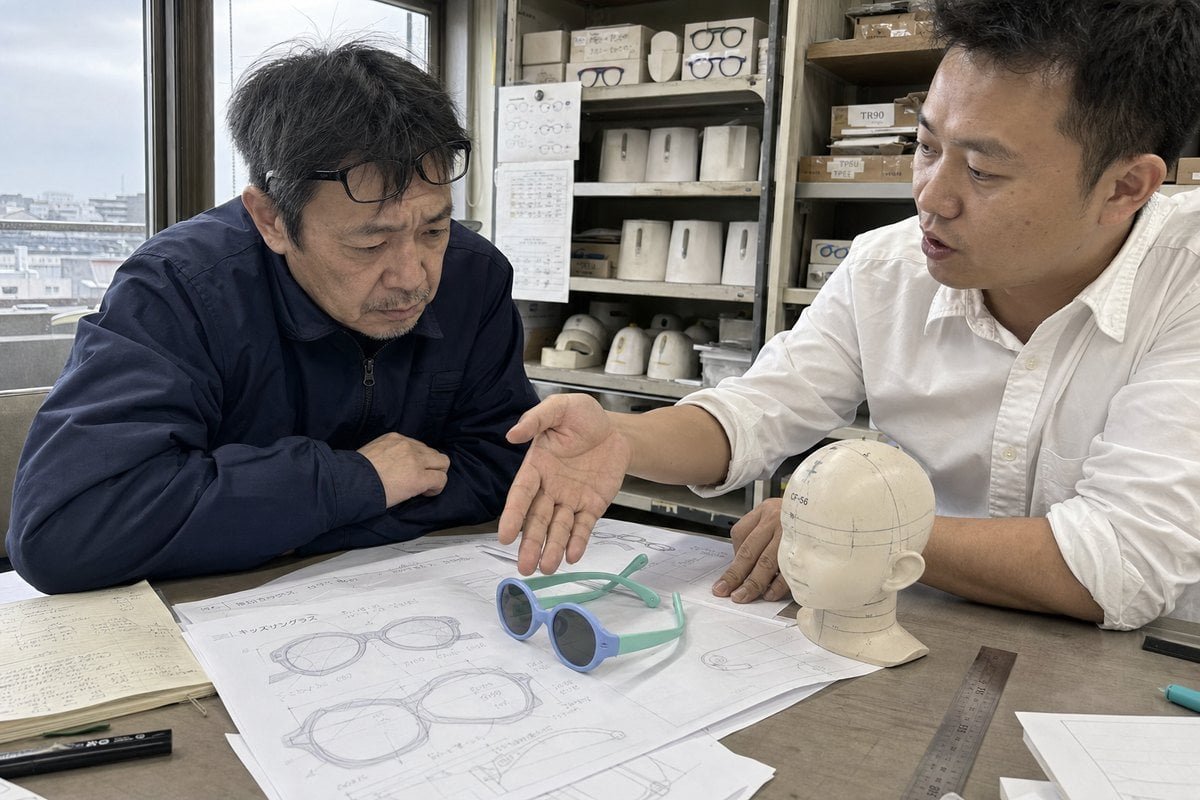
Working from an existing catalog lets you launch without heavy mold investment. You test the market with lower risk, then invest in custom tooling once a style proves itself. Here is how I guide buyers through the selection.
A Practical Selection Framework
| Your Target | Recommended Style Direction | Example From Our Line |
|---|---|---|
| Japan, ages 2–6 | Rounded frames, pastel two-tones, light lenses, Asian fit bridge | Periwinkle-and-mint round frame in matte TPEE |
| Japan, ages 7–12 | Adult-like minimalist shapes, natural colors, subtle details | Slim ovals and squares in earth tones |
| Western, ages 2–6 | Playful shapes, primary colors, flexible unbreakable frames | Chunky rounds and hearts in bright TR90 |
| Western, ages 7–12 | Sport shields, retro squares, mirrored gradient lenses | White or black wraparound shield with orange-gold mirror lens |
| Outdoor/sport brands | Wraparound coverage, rubber grips, polarized options | Aerodynamic single-lens shield with rubberized temple tips |
From Selection to Retail-Ready Product
Once you shortlist styles, our OEM/ODM process handles the localization. We adjust nose bridge ergonomics for Asian fit orders, swap lens packages between polarized, mirrored, and light-tint UV400 protection options, and match Pantone colors to your brand palette. We also handle logo application, packaging, and accessories so the product arrives retail-ready. For Japanese buyers, that often means understated packaging and hidden branding. For Western buyers, it usually means bolder graphics and hang-tag storytelling around safety and durability. One practical tip: order both fit versions of your best-selling shape in your first trial run. The incremental cost is small, and the sell-through data tells you exactly where your brand's future volume lies.
Conclusión
Guessing wrong on regional taste wastes inventory and shelf space. The fix is simple: keep safety universal, localize fit and color, and I am glad to help you match styles to your market.
Notas al pie
1. Background on the Japanese aesthetic concept shaping children’s eyewear design choices. ↩︎
2. ISO 12312-1 sets impact resistance requirements referenced by sunglasses safety standards. ↩︎
3. Peer-reviewed study evaluating the fit and ergonomics of protective eyewear. ↩︎
4. Authoritative medical source explaining UV protection standards for sunglasses. ↩︎
5. Explains the optical principle behind polarized lenses used in sport sunglasses. ↩︎
6. Background on thermoplastic elastomer materials used in flexible, unbreakable frame construction. ↩︎
7. WHO fact sheet explains health risks UV protection in eyewear is designed to prevent.
Más artículos que te podrían gustar
1 de agosto de 2026
¿Debería la fábrica encargarse del embalaje y etiquetado de las gafas de sol para niños, o utilizar un proveedor designado?

1 de agosto de 2026
Almacén propio vs. Cumplimiento directo del proveedor: ¿Qué reduce los costos de devolución para las marcas de gafas de sol para niños?

1 de agosto de 2026
Directo al almacén del puerto o staging en el extranjero: ¿Cuál ahorra más en el envío de gafas de sol para niños?
¿Buscas un socio confiable en gafas para niños?
Explore más de 800 estilos listos y soporte OEM/ODM completo adaptado a su marca.
Ponte en contacto English
  Español de México
  Deutsch
  Français
  日本語
日本語  العربية
  Português do Brasil