How to Break Down Pricing for Kids Optical Frames in a Complete Pair of Glasses?

Pricing kids optical frames confuses many buyers who visit our Taizhou factory. The frame quote looks small, then the complete pair total surprises them — and their margin plans collapse.
To break down pricing for kids optical frames in a complete pair, separate five parts: frame cost, prescription lens cost, essential coatings and upgrades, fitting or shipping fees, and warranty or breakage protection. Then subtract vision insurance or promotions to find the true out-of-pocket cost.
That formula sounds simple. But each part hides choices that change the final number. Let me walk you through every layer, one at a time.
What Factors Determine the Cost of Kids Optical Frames When I Request a Quote?
A buyer from Australia once asked me why two of our kids frames, nearly identical in photos, differed in price by forty percent. The answer sat in the materials and hinges.
Frame cost for kids optical frames depends on frame material, hinge design, mold and tooling investment, brand licensing, order quantity, and child-specific features like flexible temples and adjusted bridge fits. Durable materials such as TR90 and TPEE cost more to produce but survive daily wear far better.
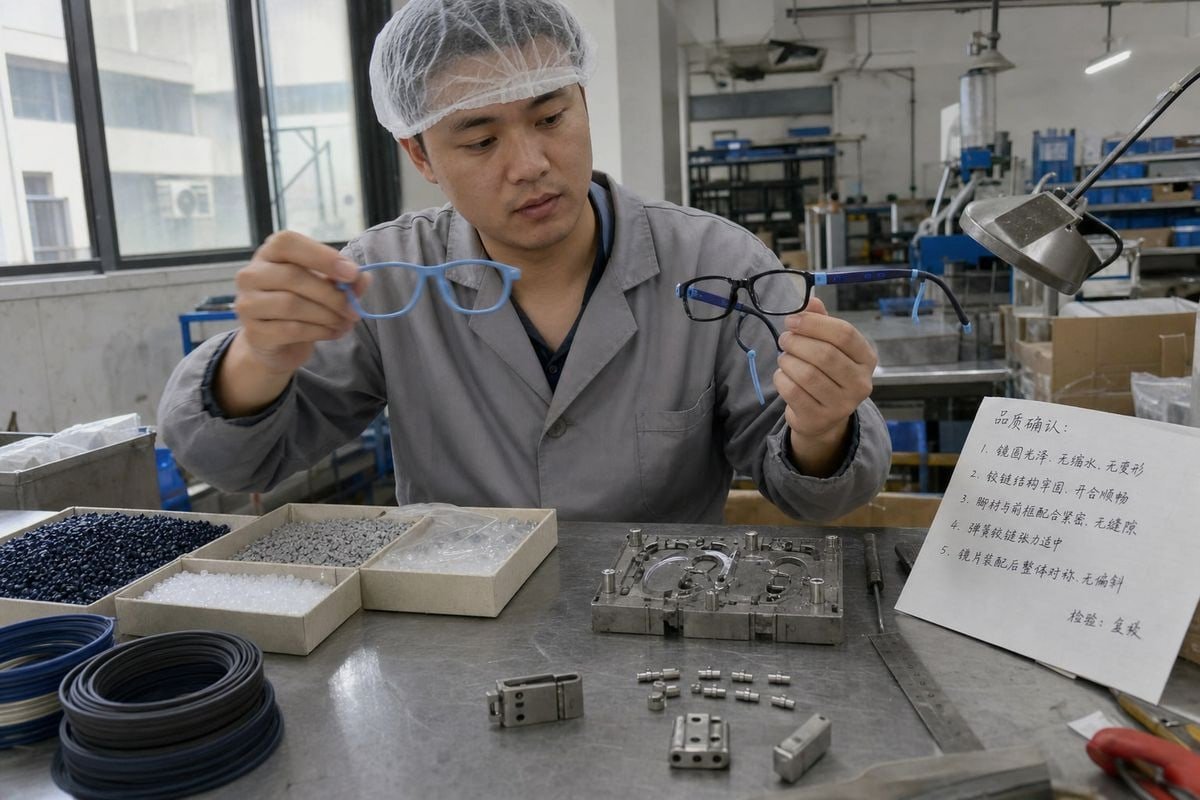
When we quote a kids optical frame, we are not quoting a piece of plastic. We are quoting a small engineering project. The frame material is the first driver. Basic injected plastic is cheap. TR90 costs more because it is lightweight, flexible, and hard to snap. TPEE costs more again because it bends almost flat and returns to shape, which matters when a child sleeps on their glasses. One of our popular designs pairs a glossy TR90 front with two-tone TPEE temples and soft silicone ear hooks. Every one of those parts adds a line to the cost sheet.
The Cost Layers Inside a Frame Quote
Hinges matter too. Spring hinges and flexible connectors cost more than rigid barrel hinges, but they absorb the twisting that active kids apply every day. Then come the smaller items: silicone temple tips, embossed patterns, cable-style ear hooks for a proper fit, and custom colors.
| Cost Driver | Budget Frame | Quality Kids Frame |
|---|---|---|
| Material del marco | Basic injected plastic | TR90 front, TPEE temples |
| Bisagras | Rigid barrel | Spring or flexible silicone connector |
| Fit features | Standard adult-style bridge | Child-sized bridge, cable ear hooks |
| Tooling | Shared generic mold | Dedicated or refined kids mold |
| Branding | Ninguno | Custom logo, colors, packaging |
Order quantity shifts everything. Because we hold around 800 existing styles, a new brand can skip mold investment entirely and test the market with lower risk. Custom molds add upfront cost but pay off at scale. Licensed characters or designer eyewear brands add royalty fees on top. When you compare quotes, ask which of these layers each price includes. A cheap quote often means a missing layer.
How Do Lens Options Affect the Total Price of a Complete Pair of Kids Glasses?
In our fifteen years of eyewear production, the pattern I see most often is this: buyers negotiate the frame hard, then get surprised when lenses double the landed cost of the complete pair.
Lens options often exceed the frame cost in a complete pair of kids glasses. Polycarbonate lenses add roughly $30–$60 over basic plastic, while anti-reflective coating, blue light filters, photochromic tints, and high-index materials for strong prescriptions can each add $20–$100 more.
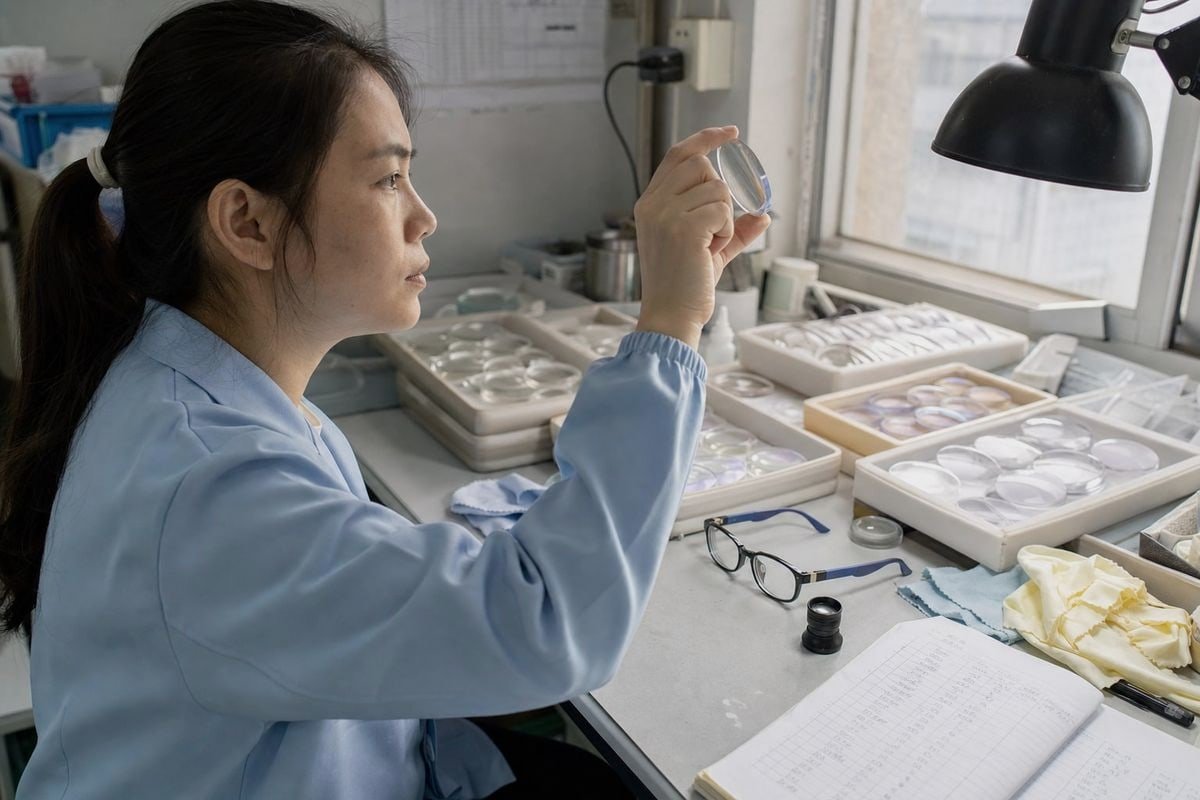
Lens material is the starting point. For children, most optical professionals recommend polycarbonate lenses because they resist impact. A ball to the face should not send glass shards toward a child's eye. That safety comes at a price in most retail settings, though some online packages bundle basic lenses into the sticker price, which makes them look cheaper than optical-store pricing.
Prescription complexity is the next multiplier. A simple, mild prescription runs on standard lens blanks. High astigmatism or a strong refractive error needs specialized surfacing, and sometimes high-index lens material to keep thickness and weight down. Thick lenses on a small frame look bad and feel heavy, so parents usually pay for the upgrade.
Typical Lens and Coating Add-Ons
| Lens Option | Why Kids Need It | Typical Added Cost |
|---|---|---|
| Lentes de policarbonato | Impact resistance, built-in UV protection | $30–$60 |
| Anti-scratch coating | Kids drop glasses constantly | $10–$30 |
| Anti-reflective coating | Reduces glare for screens and classrooms | $20–$90 |
| Blue light filter 2 | Optional comfort for heavy screen users | $15–$50 |
| Photochromic lenses 3 | Indoor-outdoor convenience, fewer lost sunglasses | $50–$150 |
| High-index lenses | Thinner lenses for strong prescriptions | $30–$100+ |
Some upgrades are essential. Anti-scratch and UV protection belong on every child's pair. Others, like a blue light filter, are situational. Myopia control lenses 4 deserve a separate mention: they cost significantly more upfront, but slowing prescription progression can reduce total spending over a childhood. When we supply optical frames to brands, we always advise them to model the complete pair price, not the frame price, because that is the number their end customer actually pays.
What Hidden Costs Should I Expect Beyond the Frame and Lens Price?
A lesson our team learned early: a distributor in Europe quoted retail prices based on our FOB frame cost alone, then discovered that fitting, warranties, and replacements ate his projected margin within one season.
Hidden costs beyond frame and lens price include fitting and dispensing fees, adjustments, shipping and rush delivery, warranty or breakage coverage, replacement pairs, and retail-ready packaging. For families, these push realistic annual spending on children's eyewear to roughly $200–$500 once breakage is counted.
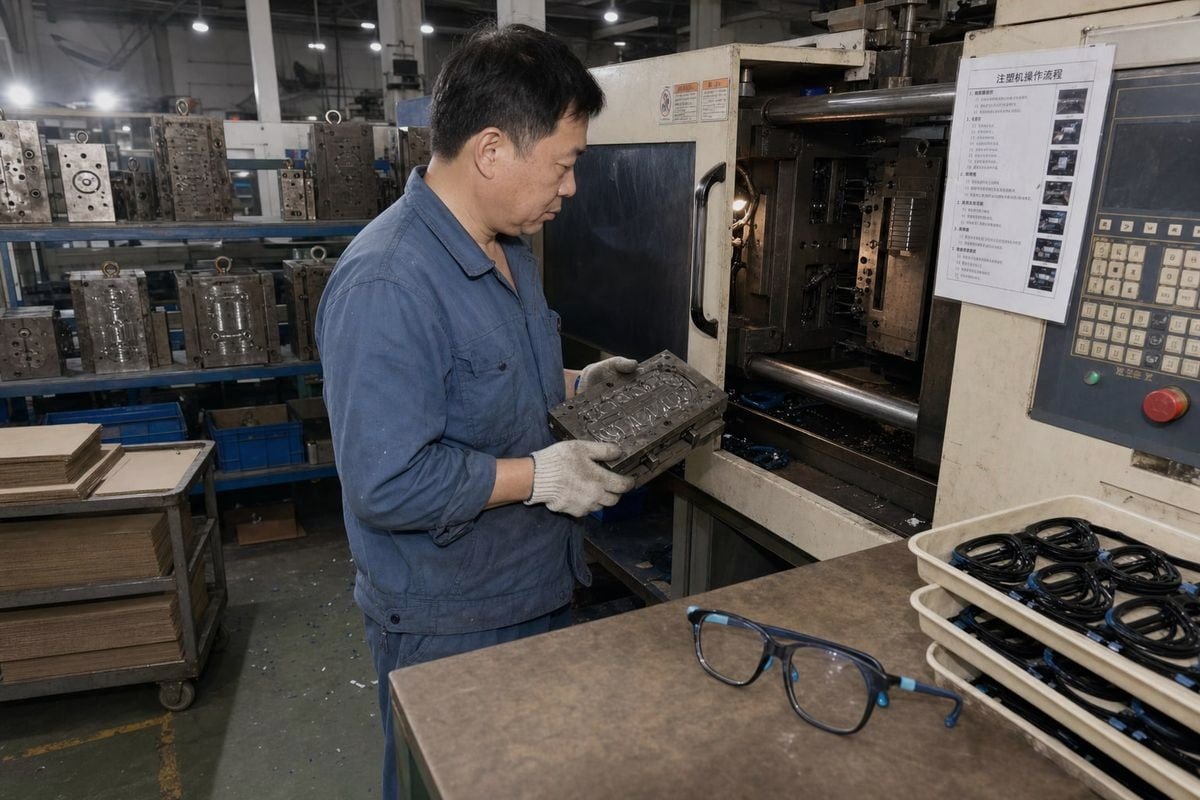
Kids break glasses. That is not a criticism of children; it is a planning input. The lifecycle cost of children's eyewear includes growth, damage, lost pairs, and changing prescriptions. A single purchase price tells you almost nothing about the yearly cost of keeping a child seeing clearly.
Service and Convenience Fees
In-store purchases often bundle fitting, but some independent practices charge dispensing fees. A proper fit matters enormously for kids — a slipping frame gets pushed up a hundred times a day, and each push stresses the hinges. Adjustments after purchase may be free at the original shop and billed elsewhere. Online purchases swap fitting fees for shipping fees, return shipping, and rush delivery when a child cannot wait two weeks for their only pair.
Risk-Management Extras
Warranty and breakage coverage is the most valuable hidden line for parents. Some retailers include one free replacement; others sell protection plans. Many families also buy a backup pair, because a broken pair on a school morning is a genuine crisis. When we develop programs with our B2B partners, we encourage them to build breakage policies into their offer. Flexible TPEE temples reduce claims, but no frame is unbreakable, and a clear replacement policy builds the trust that keeps a brand's customers coming back. Finally, factor packaging: a retail-ready case and cloth are small costs per unit, but skipping them creates returns and complaints that cost far more.
How Can I Compare Pricing Structures Between Different Kids Eyewear Manufacturers?
The trade-off I weigh most often when advising buyers is unit price against total cost of ownership. A frame that is two dollars cheaper but fails QC twice as often is not cheaper at all.
Compare kids eyewear pricing structures by normalizing every quote to a complete-pair basis: frame, lens package, coatings, packaging, shipping, and warranty terms. Then compare defect rates, material certifications, minimum order quantities, and mold costs, because these determine your real landed cost per sellable unit.
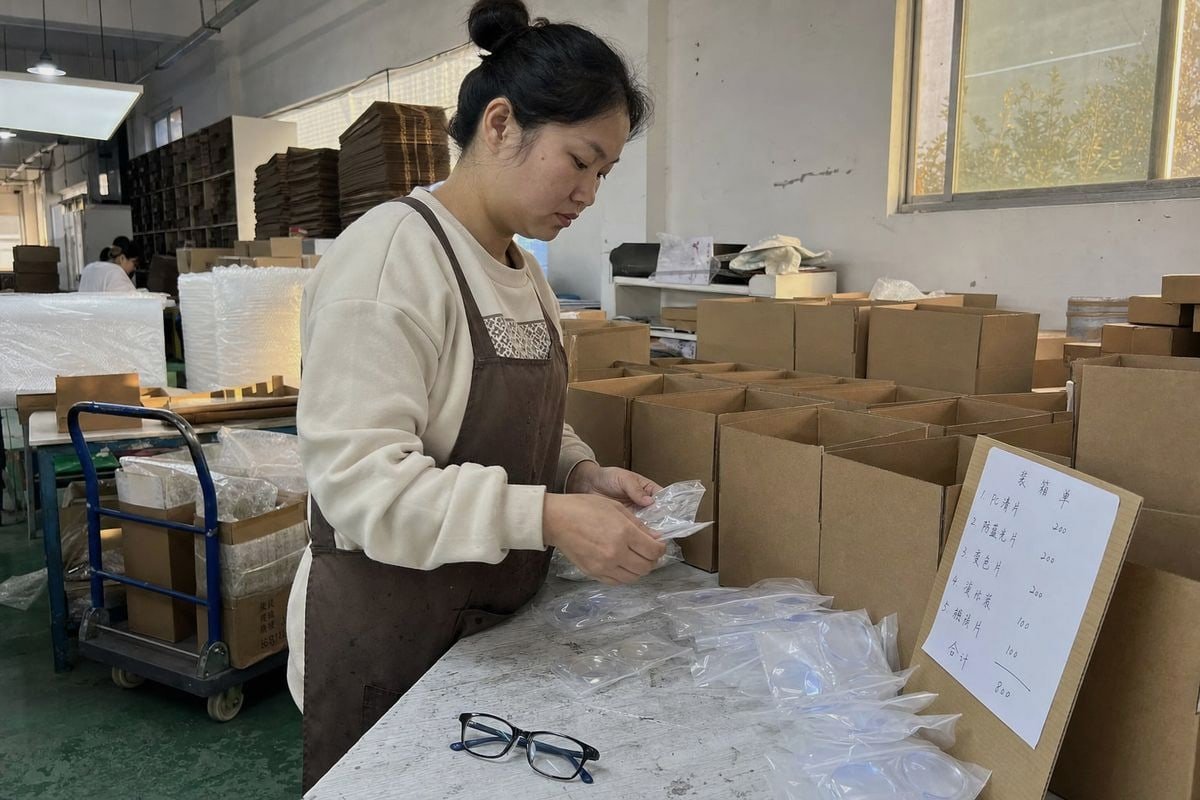
Start with a channel-level view, because the same complete pair carries very different totals depending on where it is sold:
| Channel | Typical Frame Price | Typical Complete Pair Total |
|---|---|---|
| Full-service optical shop | $80–$200 | $110–$260 |
| Chain optical retailer | $60–$150 | $85–$200 |
| Pediatric or hospital optical | $80–$180 | $110–$240 |
| Online retailer (entry level) | $6.95–$60 | $20–$80 |
| Online retailer (branded) | $60–$120 | $95–$145+ |
Two objections come up constantly, so let me address them directly. First: "online is always cheaper." The entry price is lower, yes. But the final price rises with prescription complexity, coatings, shipping, and replacement needs — and a poor remote fit can force a second purchase. Second: "premium kids frames are a luxury." For an active child, durable frames with flexible materials often reduce replacement frequency, which lowers annual cost even at a higher unit price. Budget pairs work well as backups, but quality and fit weaken at the lowest price points.
A Practical Comparison Checklist for B2B Buyers
When you compare factory quotes, ask each supplier the same six questions. What frame material and lens material are quoted? Are coatings like anti-reflective coating included or extra? What packaging is included? What is the QC standard and defect allowance? What are MOQ and mold terms? What warranty support exists for breakage claims? At our workshop, we run 5S management 5 across production precisely so buyers can audit these answers rather than take them on faith. And remind your retail partners that vision insurance and promotions change the end customer’s out-of-pocket cost — a structure that supports insurance billing can justify a higher wholesale price.
Conclusión
The frame is only the visible fraction of the price. Break every quote into frame, lenses, upgrades, services, and protection — then compare complete pairs, not sticker prices, before you buy.
Notas al pie
1. Replacement URL directly compares TR90 and TPEE materials for kids’ eyewear. ↩︎
2. Provides an authoritative stance on the effectiveness of blue light filters for eye health. ↩︎
3. Explains the technology and function of lenses that darken in UV light. ↩︎
4. Authoritative source explaining myopia control lenses, specifically eyeglasses, for children. ↩︎
5. Describes the 5S methodology for workplace organization and waste reduction. ↩︎
Más artículos que te podrían gustar
5 de agosto de 2026
Bio-Based vs Regular Cellulose Acetate: What's the Difference for Kids' Frames?

5 de agosto de 2026
How Recyclable Are Kids' Optical Frame Materials, and What Eco-Friendly Alternatives Exist?
5 de agosto de 2026
Do Kids Optical Frames Whiten or Age in Storage, and How to Control Warehouse Conditions?
¿Buscas un socio confiable en gafas para niños?
Explore más de 800 estilos listos y soporte OEM/ODM completo adaptado a su marca.
Ponte en contacto English
  Español de México
  Deutsch
  Français
  日本語
日本語  العربية
  Português do Brasil