ماذا تعني الأرقام الثلاثة على عصي نظارات الأطفال وكيف يجب على الآباء والموظفين استخدامها؟
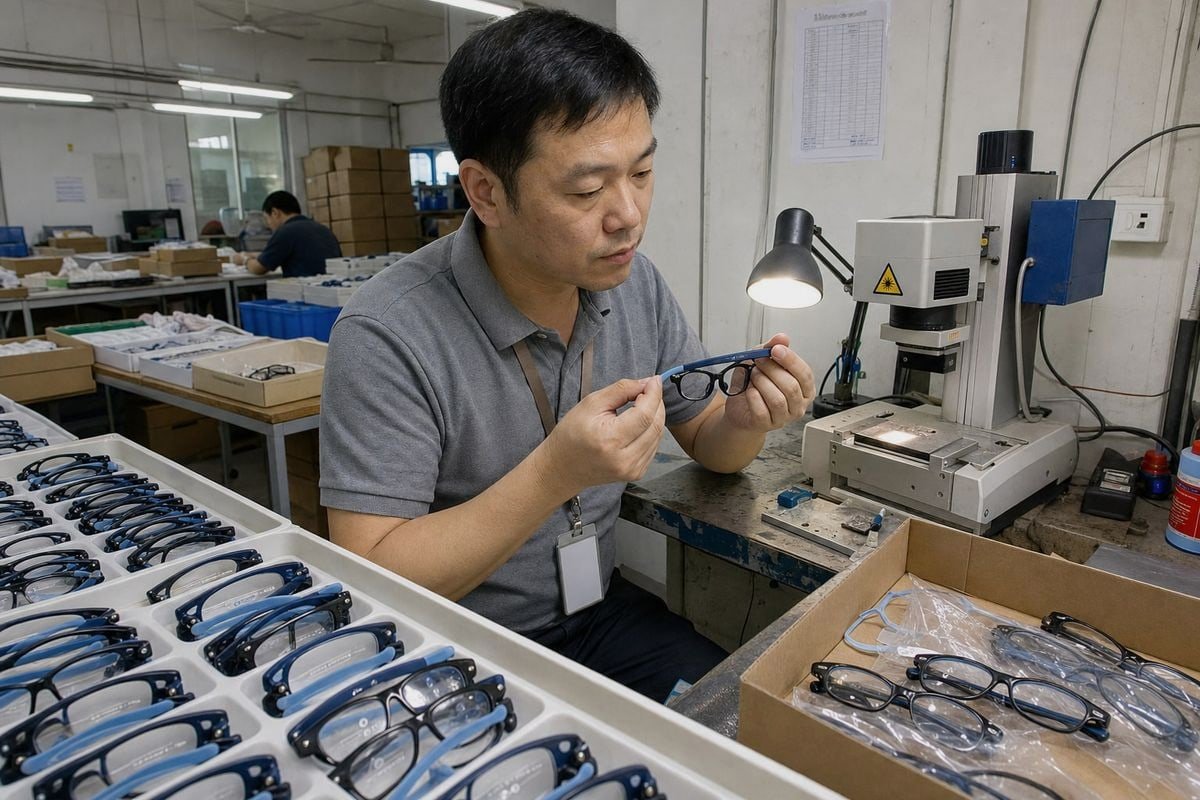
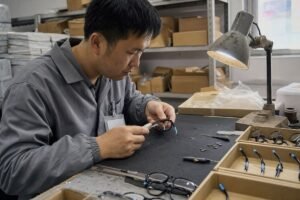
الأرقام الثلاثة على عصي نظارات الأطفال تربك العديد من الآباء. على خط إنتاج تاizhou الخاص بنا، نقوم بتمييزها بالليزر يوميًا. تجاهلها، وستنزلق نظارات الطفل أو تضغط عليها أو تجلس بشكل مائل.
الأرقام الثلاثة على عصي نظارات الأطفال هي عرض العدسة، وعرض الجسر، وطول العصا، كلها بالمليمتر. رمز مثل 48-18-130 يعني أن كل عدسة بعرض 48 مم، والجسر بعرض 18 مم، وكل ذراع عصا بطول 130 مم.
تبدو تلك الأرقام بسيطة. لكن معرفة ما تعنيه هي الخطوة الأولى فقط. دعني أرشدك خلال كيفية استخدامها فعليًا، سواء كنت والدًا أو تعمل خلف مكتب بصريات.
ماذا تمثل كل الأرقام الثلاثة على المعبد في الواقع؟
خلال فحص الجودة النهائي في مصنعنا، يتم فحص كل علامة العصا 1 مقابل مواصفات القالب. لقد رأيت مشترين يخلطون بين هذه الأرقام ورموز الألوان، لذا دعني أوضح ما يقيسه كل منها.
الرقم الأول هو عرض العدسة، العرض الأفقي لعدسة واحدة. الثاني هو عرض الجسر، الفجوة بين العدستين فوق الأنف. الثالث هو طول الذراع، من المفصلة إلى الطرف خلف الأذن. كلها قياسات بالمليمتر.

هذه أبعاد إطار النظارات، وليست قيم وصفة طبية. هذا التمييز مهم. سأل أحد الآباء أحد عملائنا المصدرين ذات مرة لماذا تمت طباعة "الوصفة الطبية" على الذراع. لم تكن كذلك. الوصفة الطبية موجودة في طلب العدسة؛ علامة العصا تصف فقط الإطار المادي.
قراءة رمز عينة
خذ مقاسًا شائعًا للأطفال مثل 48-20-140. تطبعه بعض العلامات التجارية كـ 48□20 140، حيث يفصل الرمز المربع الصغير ببساطة عرض العدسة عن عرض الجسر. كلا التنسيقين يعنيان نفس الشيء.
| رقم | قياس | ما يؤثر عليه |
|---|---|---|
| 48 | عرض العدسة | مجال الرؤية، وتركيز بؤبؤ العين، ونسبة الوجه |
| 20 | عرض جسر الأنف | كيفية جلوس الإطار والإمساك به على الأنف |
| 140 | طول الذراع الجانبي | الإمساك خلف الأذنين، والضغط الجانبي |
ماذا قد يُطبع هناك أيضًا
غالبًا ما تحمل العصي أكثر من رمز المقاس. على إطارات TR90 2, ، قد يطلب المشترون أيضًا رقم طراز، أو رمز لون، أو شعارهم الخاص. رمز طراز مثل "K-8032" أو رمز لون مثل "C3" ليس قياسًا. إذا لم يكن الرقم بالمليمتر ولا يتناسب مع النطاق النموذجي، فهو على الأرجح معرف، وليس مقاسًا. تضيف بعض الإطارات أيضًا رقمًا رابعًا، مثل ارتفاع العدسة، والذي يسمى أحيانًا القياس B. هذا الرقم مهم للعدسات التقدمية أو العدسات السميكة ذات الوصفة الطبية، لكن مرجع القياس الأساسي لا يزال هو الرمز الكلاسيكي المكون من ثلاثة أرقام.
كيف يمكنني استخدام هذه الأرقام لملاءمة النظارات بشكل صحيح على وجه طفلي؟
أخبرتني موزع في أستراليا ذات مرة عن خدعتها الأكثر مبيعًا لإعادة الطلب: يلتقط الآباء صورة لرمز العصا للزوج الذي يحبه طفلهم بالفعل. هذه العادة تعمل، وإليك السبب.
ابدأ بزوج يناسبك بالفعل وطابق أرقامه عند شراء إطارات جديدة. أعطِ الأولوية لعرض الجسر لتحقيق الثبات على الأنف، وتحقق من طول الذراعين للحصول على قبضة مريحة خلف الأذنين، وعامل عرض العدسة كدليل نسبي، وليس كعامل حاسم.
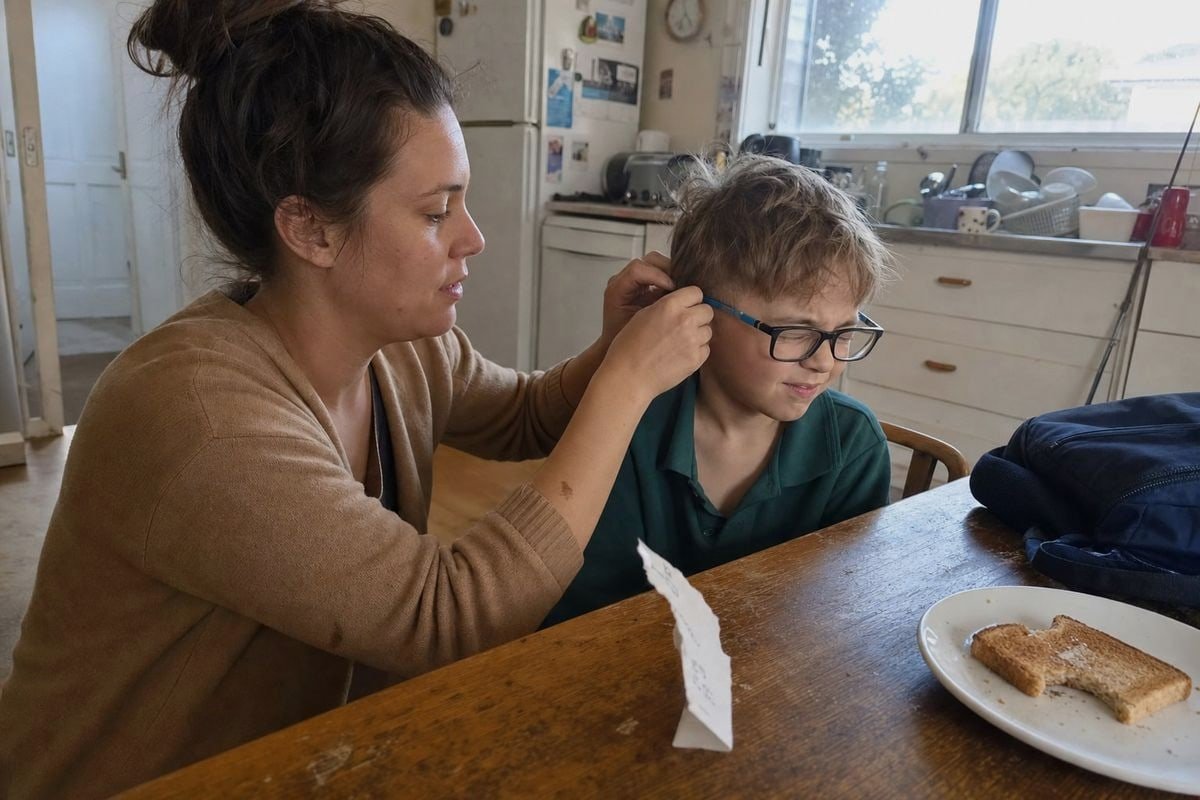
الأرقام هي أداة فحص، وليست ضمانًا. يمكن أن يتناسب إطاران بنفس الرمز بشكل مختلف بسبب انحناء الإطار، وشكل وسادة الأنف، ومرونة المادة. لذا استخدم الرمز لتضييق الخيارات، ثم قم بالتأكيد على الوجه.
نطاقات المقاسات النموذجية للأطفال حسب العمر
تكون نطاقات الأطفال أضيق من نطاقات البالغين. إليك دليل عملي نشاركه مع المشترين عندما يخططون لتشكيلاتهم:
| الفئة العمرية | عرض العدسة | عرض الجسر | طول الذراع |
|---|---|---|---|
| الأعمار 3-7 | 40-46 مم | 13-16 مم | 110-125 مم |
| الأعمار 8-12 | 44-48 ملم | 14-17 مم | 120-130 مم |
| المراهقون / البالغون الصغار | 48-52 ملم | 16-20 مم | 130-140 ملم |
تعامل مع هذه كأدلة، وليس كقواعد. يختلف شكل الوجه و نمو جسر الأنف 3 كثيرًا بين الأطفال من نفس العمر. الشراء حسب القياس يتفوق دائمًا على الشراء حسب العمر وحده.
قائمة مرجعية سريعة للوالدين
- انسخ الرمز من الزوج المريح الحالي قبل التسوق عبر الإنترنت.
- إذا انزلقت النظارات على الأنف، فابحث عن عرض جسر أصغر أولاً.
- إذا كانت الأذرع تبرز للخارج أو تضغط خلف الأذنين، فاضبط طول العصا.
- تأكد من أن بؤبؤي الطفل يقعان بالقرب من مركز كل عدسة؛ هذا يتعلق بـ المسافة بين الحدقتين (PD) 4, ، والتي يقيسها أخصائي العيون.
- اطلب من الطفل هز رأسه بلطف. يجب أن يبقى الإطار في مكانه دون ترك علامات حمراء.
تحذير واحد: مفصلات الربيع المرنة تغير الشعور. يوفر الإطار ذو مفصلات الربيع ملاءمة فعالة للعصا تكون أوسع قليلاً من الرقم المطبوع، لذا فإن الفحص الدقيق شخصيًا لا يزال مهمًا.
لماذا هذه القياسات مهمة للراحة والسلامة في نظارات الأطفال؟
We chose flexible TPEE and TR90 for our children's frames fifteen years ago for one reason: kids do not sit still. Materials can absorb impact, but the wrong size defeats even the safest material.
القياسات الصحيحة تحافظ على توسيط العدسات فوق بؤبؤ العين لرؤية واضحة، وتحافظ على ثبات الإطار أثناء اللعب، وتمنع نقاط الضغط التي تجعل الأطفال يرفضون ارتداء النظارات. يؤدي عدم ملاءمة المقاس إلى الانزلاق وتهيج الجلد وتشوه الرؤية وكسر الإطارات بشكل أسرع.

Think about what each measurement controls, and the safety logic becomes clear. Pediatric eyewear fitting is not about looks alone. It is about optics, skin, and durability all at once.
Bridge Width Matters More for Kids Than Most Parents Realize
Children's nasal bridges are still developing. They are lower and softer than adult bridges. So an adult-style bridge width leaves a gap, and the frame slides down with every head movement. When glasses slide, the child looks over the lenses instead of through them. For a prescription pair, that means the child is effectively not wearing the correction. This is why our design team spends more time on bridge geometry than on any other part of a kids' frame.
Temple Length and the Growing Ear
A temple that is too short presses behind the ear and leaves marks within an hour. A temple that is too long pushes the frame forward, changing the vertex distance 5, the gap between the lens and the eye. If lenses sit too close, eyelashes brush the surface and lenses fog faster. If lenses sit too far, the effective prescription shifts. Skilled staff also adjust the bend point on each arm separately, because slightly asymmetric ear heights are very common in growing children.
Lens Width and Optical Centering
Lens width helps position the optical center in front of the pupil. If the lens is far too wide for a small face, the pupils sit toward the inner edges of the lenses. That increases peripheral distortion and can strain young eyes. Lens height, the B-measurement, plays a similar role vertically, especially for stronger prescriptions.
| Wrong Measurement | Common Symptom | Risk for the Child |
|---|---|---|
| Bridge too wide | Frame slides down constantly | Child looks over lenses, correction lost |
| Bridge too narrow | Pinching, red marks on nose | Child removes glasses, skin irritation |
| Temples too short | Pressure behind ears | Headaches, refusal to wear |
| Temples too long | Frame slips forward | Fogging, altered vertex distance 6 |
| Lens far too wide | Pupils off-center | Peripheral distortion, eye strain |
كيف يجب على موظفي التجزئة استخدام هذه الأرقام لمساعدة الآباء على اختيار المقاس المناسب؟
Buyers from optical chains often ask us to print size codes in larger, clearer type. Their floor staff rely on that marking dozens of times a day, and I understand why.
يجب على الموظفين استخدام الرمز المكون من ثلاثة أرقام كمرشح سريع للمرور الأول لسحب الإطارات بالحجم المناسب للعائلة، ثم تأكيد ملاءمة الإطار المناسبة للطفل شخصيًا عن طريق التحقق من توسيط حدقة العين، وتلامس الجسر، وثبات الصدغ، والاستقرار العام أثناء الحركة.
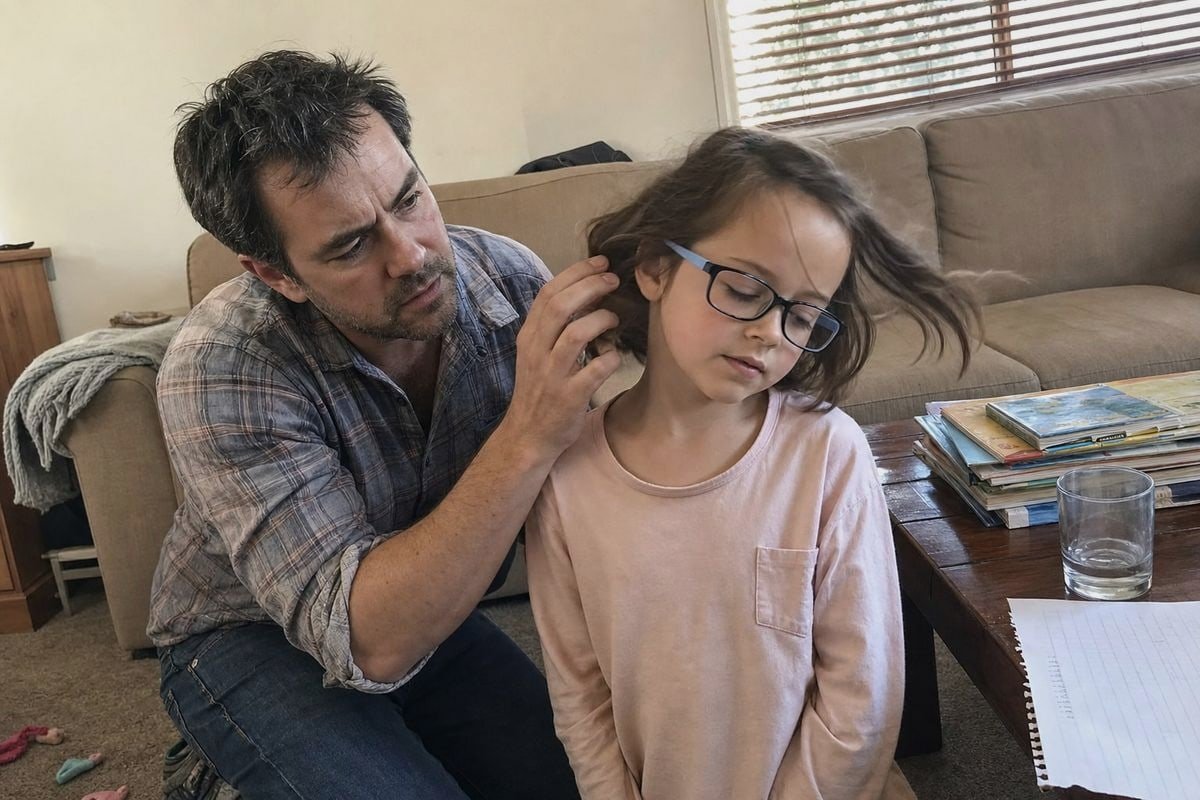
The code turns a wall of frames into a shortlist in seconds. But the code alone never closes the fitting. Here is a workflow we see the best retailers use, and it doubles as a parent-friendly conversation script.
A Five-Step Fitting Workflow
- Read the current pair. Verify you are reading the size code, not a style or color code printed nearby.
- Pull three to five frames within a couple of millimeters of that code.
- Fit on the face. Check that pupils sit near the lens centers and the bridge makes even contact with no gaps.
- Fine-tune the temples. Adjust bend points for each ear separately, and tighten slightly for frames with flexible spring hinges, since their effective length runs a little longer than printed.
- Do a movement test. Ask the child to look down, shake their head, and jump. The frame should stay stable.
Explaining Differences to Parents
When two frames seem similar, use bridge width and temple arm length to explain why one stays put and the other slips. Parents respond well to concrete numbers. Saying "this bridge is 2 mm narrower, so it hugs her nose better" builds trust faster than "this one just fits better."
Staff can also use the fit to set a slight الميل البانثوسكوبي 7, angling the lenses so the optical center aligns with a child's typical downward gaze toward books and screens. For children between sizes, the smaller bridge with the longer temple usually wins, because a stable nose fit matters more than a few millimeters at the ear, where the bend can be customized.
الخلاصة
Confusing temple markings lead to slipping, pinching frames and frustrated kids. Read the three numbers as lens width, bridge width, and temple length, match a proven fit, then confirm on the face.
ملاحظات ختامية
1. Authoritative guide on understanding frame measurements and markings on the temple arm. ↩︎
2. Technical information on high-performance thermoplastic materials used in the eyewear industry. ↩︎
3. Medical research regarding the development of facial structures in children for proper frame fitting. ↩︎
4. Defines PD, a core measurement opticians use to confirm lens centering matches temple code fitting. ↩︎
5. Optical definition of the distance between the eye and the lens surface. ↩︎
6. Explains vertex distance concept referenced when temple length changes lens-to-eye positioning. ↩︎
7. Background on pantoscopic tilt, the lens angling technique staff use for children’s downward gaze. ↩︎
مقالات أخرى قد تعجبك

هل تبحث عن شريك موثوق به للنظارات للأطفال؟
استكشف أكثر من 800 نمط جاهز ودعم OEM/ODM كامل مصمم خصيصًا لعلامتك التجارية.
اتصل بنا English
  Español de México
  Deutsch
  Français
  日本語
日本語  العربية
  Português do Brasil