كيفية إصلاح الطلاء المقشر على نظارات الأطفال الشمسية؟
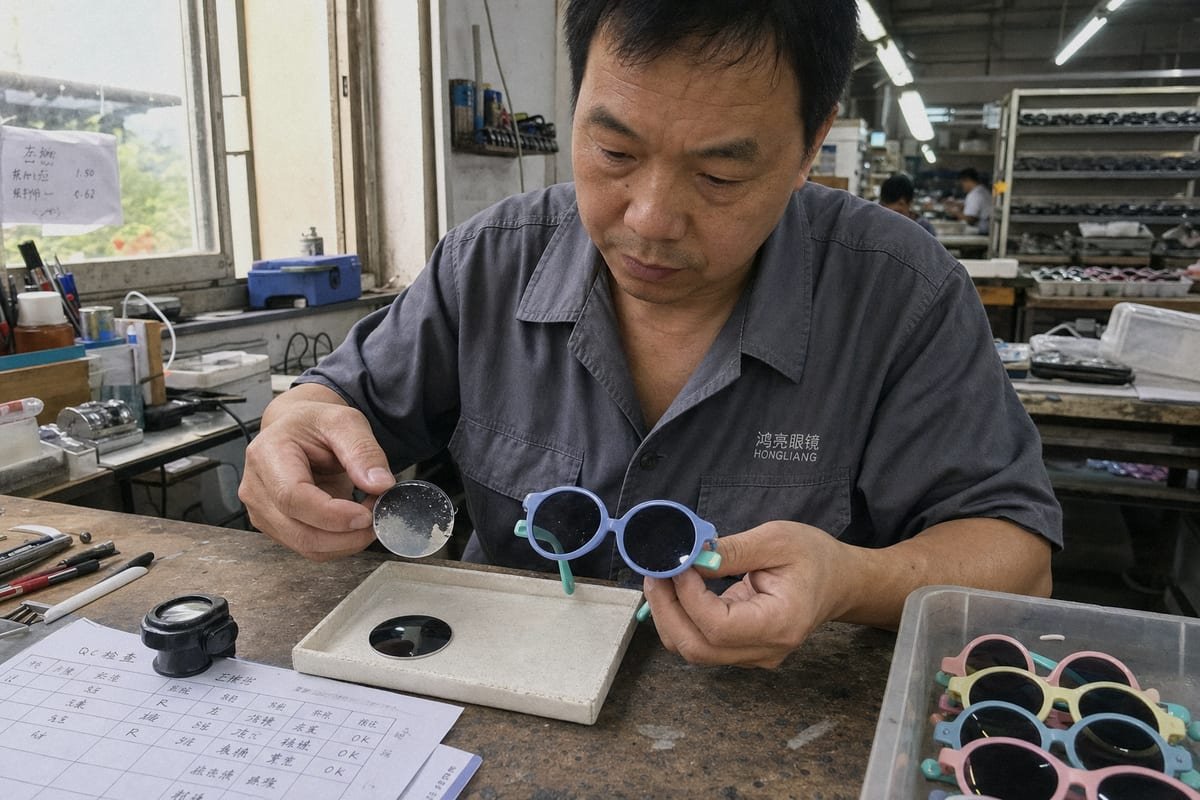
تقشر الطلاء على نظارات الأطفال الشمسية هو شكوى أرى أنها تصل إلى صناديق البريد الوارد للمشترين في كثير من الأحيان. إنه يضر بالثقة، ويؤدي إلى عمليات إرجاع، ويقتل عمليات إعادة الطلب بصمت. في خط الإنتاج لدينا، نتعامل معه كمشكلة هندسية قابلة للحل - وهذا بالضبط ما أريد أن أشرحه لك هنا.
لإصلاح الطلاء المقشر على نظارات الأطفال الشمسية، استبدل العدسات بدلاً من إصلاح الطلاء، لأن الانفصال دائم بمجرد أن يبدأ. بالنسبة لرفع الحواف الطفيف، يمكن للتنظيف اللطيف أن يبطئه، ولكن الحل الدائم هو استبدال العدسات أو تشغيل إنتاج مصحح مع التصاق أفضل للطلاء.
هذه الإجابة المختصرة تغطي الإصلاح الفوري. ولكن إذا كنت تبيع نظارات الأطفال تحت علامتك التجارية الخاصة، فإن السؤال الأعمق هو سبب حدوث ذلك وكيفية إيقاف تكراره. دعنا نفصل ذلك خطوة بخطوة.
ما الذي يسبب تقشر الطلاء على نظارات الأطفال الشمسية في المقام الأول؟
خلال مراجعة لمراقبة الجودة في مصنعنا في تايتشو قبل بضع سنوات، تتبعنا دفعة من العدسات العاكسة المتقشرة إلى سبب جذري واحد لم يشتبه به أحد: بقايا واقي الشمس على أصابع الأطفال. الأسباب نادراً ما تكون واضحة.
يتشقق الطلاء عندما ينكسر الرابط الكيميائي بين طبقة الطلاء والعدسة. المسببات الرئيسية هي التعرض للحرارة، ومواد واقي الشمس الكيميائية، وتآكل المياه المالحة، والعرق، والتنظيف الكاشط، وضعف التصاق الطلاء أثناء التصنيع. يؤدي تعامل الأطفال الخشن إلى تسريع كل واحد من أوضاع الفشل هذه.
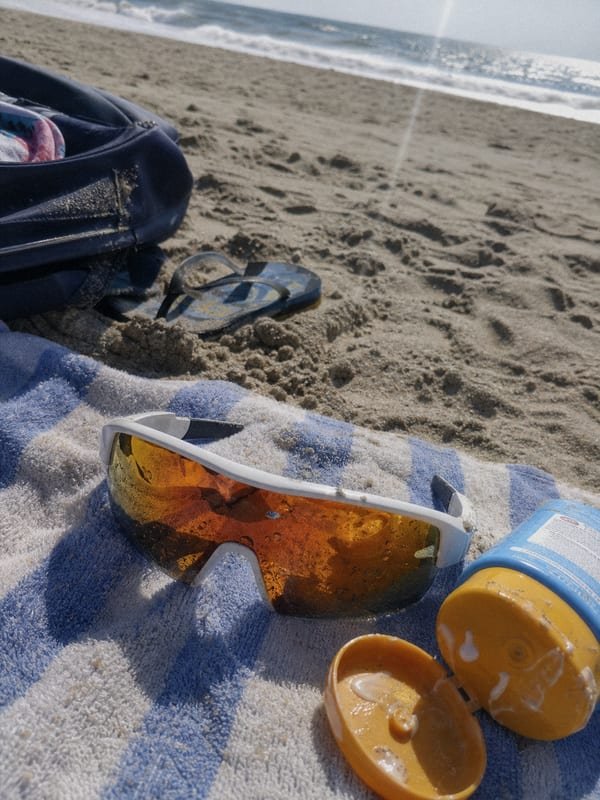
ما يسميه الآباء "تقشر" هو تقنيًا انفصال. عدسة النظارة الشمسية ليست قطعة واحدة من المواد. إنها عدسة أساسية - عادةً مادة عدسة البولي كربونات 1 في نظارات الأطفال - مع طبقة واحدة أو أكثر من الطبقات الرقيقة الملتصقة فوقها. يمكن أن تشمل هذه الطبقات طبقة تلوين، طبقة حماية UV400 2, ، معالجة مقاومة للخدش، طلاء مرآة، أو طبقة مضادة للانعكاس. عندما تفقد أي من هذه الطبقات التصاقها، فإنها ترتفع، وتتكون فقاعات، وتتقشر.
الأسباب البيئية والاستخدام
يضع الأطفال النظارات الشمسية في ظروف لا يتحملها البالغون أبدًا. كل ضغط يهاجم رابط الطلاء بشكل مختلف:
| سبب | كيف يضر بالطلاء | العلامة الأولى النموذجية |
|---|---|---|
| الحرارة (لوحات القيادة في السيارة، حقائب الشاطئ) | تتمدد العدسة والطلاء بمعدلات مختلفة، مما يسبب "التشقق" | شقوق دقيقة تشبه شبكة العنكبوت |
| واقي شمسي كيميائي (أوكسي بنزون) | يعمل كمذيب يذيب مواد لاصقة الطلاء | بقع ضبابية لا يمكن مسحها |
| مياه مالحة وكلور | تراكم أكال يأكل حافة الطلاء | تقشر يبدأ عند حافة العدسة |
| العرق وزيوت البشرة | تحلل كيميائي بطيء على مدى أشهر | بقع باهتة بالقرب من جسر الأنف |
| المسح بالقمصان أو المناديل | تآكل دقيق يمر عبر الطبقات الرقيقة | خدوش ضبابية، ثم ارتفاع |
| منظفات قاسية (تنظيف بالكحول الأيزوبروبيلي، بخاخ النوافذ) | يزيل كيمياء الطلاء مباشرة | تقشر واسع النطاق مفاجئ |
أسباب التصنيع
ليس كل التقشر خطأ المستخدم. إذا لم يتم تنظيف سطح العدسة ومعالجته بشكل صحيح قبل الطلاء، فإن الالتصاق ضعيف من اليوم الأول. لقد رأينا عينات من المنافسين حيث ظهر انفصال عدسة مستقطبة في غضون أسابيع من الاستخدام العادي - لا يتطلب إساءة استخدام. طلاء فراغ رخيص طلاء فراغ 3 مع تحكم ضعيف في العملية ينتج عنه تشطيب مرآة يبدو رائعًا في الصور ويفشل في الميدان. هذا هو السبب في أهمية اختبار التصاق الطلاء قبل الإنتاج الضخم، والذي سنتناوله لاحقًا.
كيف يمكنني معرفة ما إذا كان عيبًا في المواد أم مشكلة في جودة التصنيع؟
أرسل لنا أحد مشتركينا الأوروبيين على المدى الطويل صورًا لعدسات متقشرة، وكان مقتنعًا بأن كيمياء الطلاء كانت سيئة. قصة مختبرنا أخبرت قصة مختلفة - وكان التمييز مهمًا لمن أصلح ماذا.
تحقق من النمط والتوقيت. تظهر عيوب المواد على أنها فشل موحد عبر العديد من الوحدات في وقت مبكر من عمر المنتج. تظهر مشكلات جودة التصنيع على أنها حالات فشل عشوائية ومتفرقة - رفع الحواف أو الفقاعات أو الالتصاق المتقطع على بعض العدسات ولكن ليس على غيرها من نفس الدفعة.
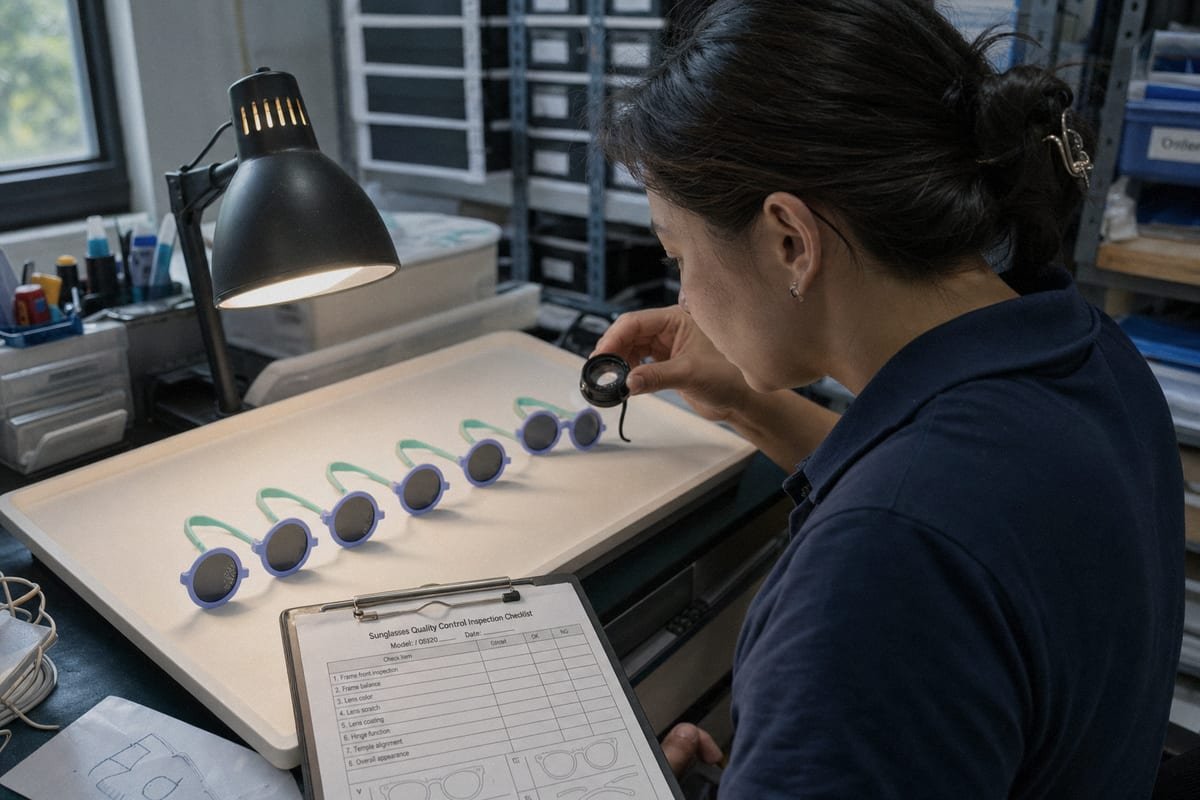
هذا التشخيص مهم تجاريًا. يحدد ما إذا كنت بحاجة إلى مورد عدسات مختلف، أو عملية طلاء مختلفة، أو ببساطة تعليمات معالجة أفضل على عبوتك. في خمسة عشر عامًا من تصنيع نظارات الأطفال، تعلمنا إجراء مقارنة منظمة قبل تحديد اللوم.
المقارنة التشخيصية
| إشارة | تشير إلى عيب في المواد | تشير إلى مشكلة في جودة التصنيع |
|---|---|---|
| معدل الفشل | مرتفع ومتسق عبر الدفعة | منخفض ومتناثر، وحدة تلو الأخرى |
| Location on lens | Whole surface degrades evenly | Edges, corners, or isolated spots |
| التوقيت | Within weeks, even with gentle use | Varies widely; some units never fail |
| Appearance | Uniform clouding or crazing | Bubbles, lifted flakes, tape-test failures |
| Both lenses affected? | Almost always yes | Often only one lens |
Simple Tests a Buyer Can Run
You do not need a lab for a first assessment. First, do a tape lift test 4 on a sacrificial sample: press high-tack tape firmly onto the coated surface and peel it back sharply. A properly bonded coating stays put. If the mirror or anti-reflective layer comes off with the tape, adhesion was weak from the factory. Second, do a soak test in warm salt water for 24 hours, then inspect the lens edge under magnification. Early saltwater corrosion at the rim signals inadequate edge sealing. Third, compare failed units against unopened stock from the same shipment. If sealed units already show micro-bubbles, it is a production issue, not a customer-use issue.
Document everything with dated photos. A professional supplier will want that evidence, and it moves the conversation from opinion to facts.
ما الذي يجب أن أبحث عنه في الشركة المصنعة لمنع مشاكل الطلاء قبل الإنتاج؟
Choosing between two coating suppliers last year, we rejected the cheaper one over a single detail: they skipped plasma surface treatment 5 before vacuum coating. That one shortcut is invisible on a sample and disastrous at scale.
ابحث عن مصنع يقوم بالمعالجة السطحية المسبقة قبل الطلاء، ويجري اختبارات الالتصاق ورذاذ الملح على كل دفعة، ويتحكم في الطلاء داخليًا أو من خلال شركاء مدققين، ويقدم تقارير مراقبة جودة موثقة. اسأل تحديدًا عن كيفية التحقق من متانة الطلاء على إطارات الأطفال المرنة.
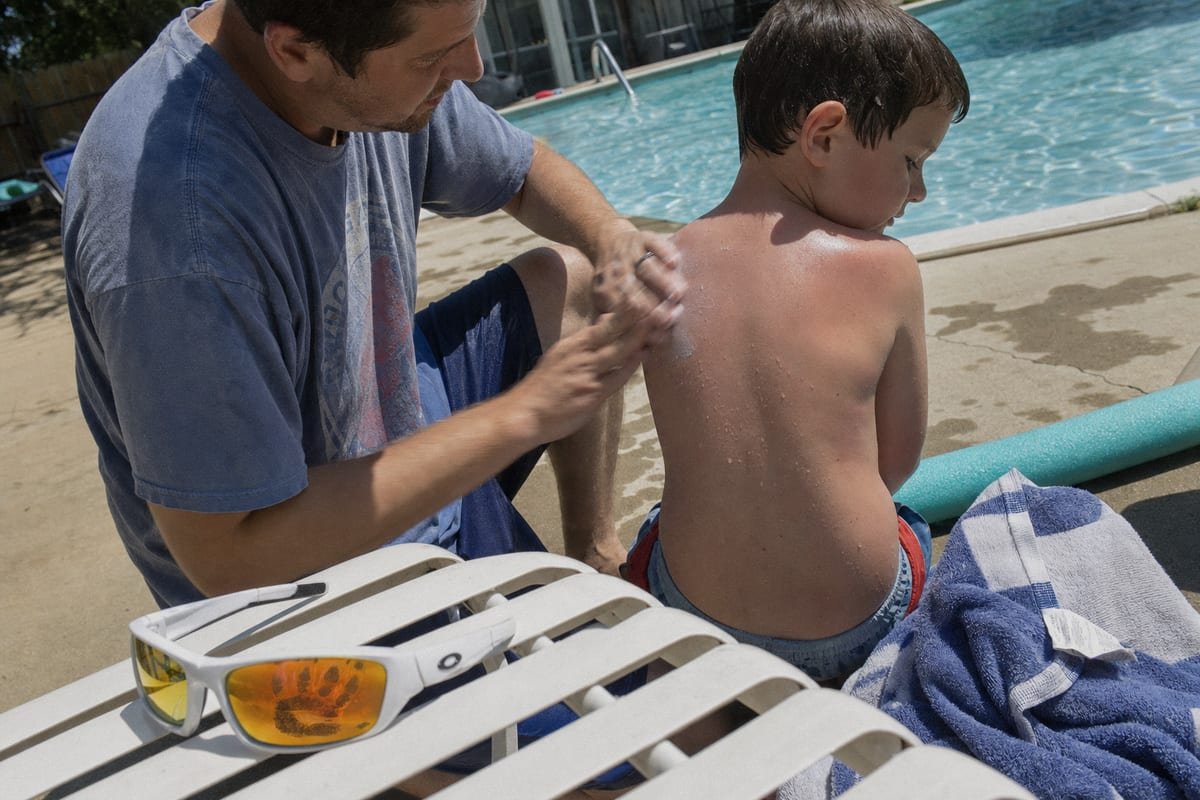
Prevention is far cheaper than any fix. When a brand comes to us to develop kids' sunglasses — whether from our roughly 800 existing styles or a custom OEM project 6 — the coating conversation happens before tooling, not after complaints. Here is what I would press any supplier on.
Questions That Separate Serious Factories From Assemblers
- How do you prepare the lens surface before coating? Cleaning and surface activation determine adhesion. If they cannot describe the step, the coating bond is luck.
- What batch tests do you run? At minimum: tape adhesion tests, humidity and heat cycling, and salt-spray exposure 7 to simulate beach and sweat conditions.
- Do you test the coating on the actual lens, not just a flat sample? Curved wraparound shield lenses, like sporty mirrored styles, stress coatings differently than flat rounds.
- How do you verify the طبقة حماية UV400 independently of the tint? Dark lenses without real UV blocking are dangerous for children, whose pupils dilate behind them.
- Can you provide pre-shipment inspection reports with photos? Documentation discipline usually correlates with process discipline.
Match the Coating to the Real Use Case
Not every kids' style needs the same lens build. We often advise buyers to weigh these trade-offs:
| خيار العدسة | الأفضل لـ | Coating Risk Level | Our Recommendation |
|---|---|---|---|
| Solid tint polycarbonate, UV400 | Toddler everyday styles | Low — tint is in or on robust layers | Ideal for ages 1–5 |
| Scratch resistant treatment added | Active school-age kids | منخفض - متوسط | Worth the small cost |
| عدسات مستقطبة | Water, snow, glare-heavy use | Medium — laminated structure can delaminate if poorly made | Use proven polarized film suppliers |
| Mirror coating (gradient/iridescent) | Sport and fashion styles | Higher — thin metallic layer is most exposed | Demand adhesion test data |
A mirrored sport shield looks fantastic at retail. But the mirror layer is the most fragile coating type, so it deserves the most scrutiny. Pair it with a hard case and a microfiber lens cloth in your retail packaging — accessories we routinely include in OEM packages — and field failures drop noticeably.
كيف أعمل مع المورد الخاص بي لحل مشكلة تقشر الطلاء في طلب حالي؟
A buyer in Australia once messaged us in a panic: retail customers were reporting flaking mirror lenses on a summer bestseller. Because we had retained batch samples, we resolved it in under two weeks. Process beats panic.
أبلغ عن المشكلة مع الصور المؤرخة والكميات المتأثرة وأرقام الدُفعات. اطلب من المورد اختبار العينات المحفوظة، والاتفاق على السبب الجذري، ثم التفاوض على حل: عدسات نظارات شمسية بديلة، وحدات بديلة، أو رصيد، أو خصم - بالإضافة إلى خطة عمل تصحيحية للطلبات المستقبلية.
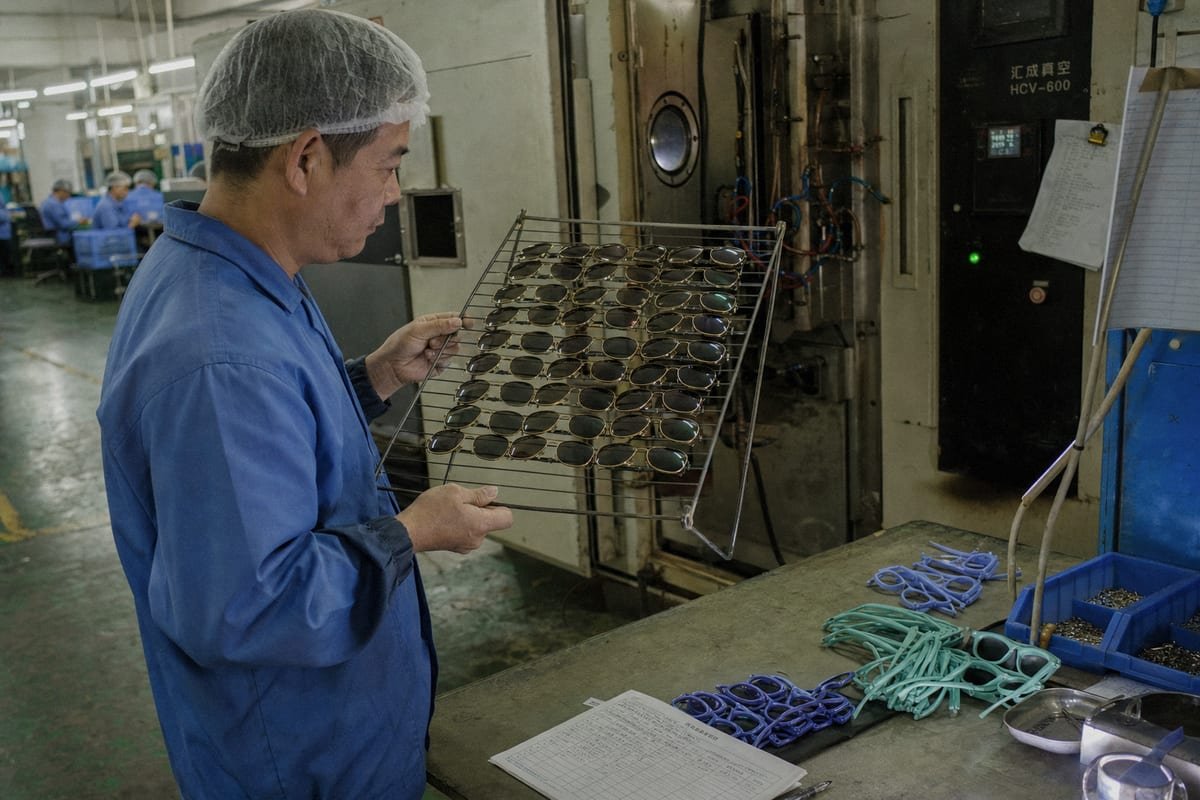
How a supplier responds to a coating claim tells you more about them than any sales presentation. A factory that values long-term partnerships will treat your complaint as shared data, not an accusation. Here is the process we follow with our own customers, which you can use as a template with any supplier.
A Step-by-Step Resolution Process
- Gather evidence first. Collect photos of the delamination, the quantity affected versus total order size, purchase dates, and any pattern (one region, one color, one lens type). Note whether failures cluster on mirrored or polarized units.
- Notify the supplier in writing. Include batch or PO numbers. Vague complaints get vague answers; specific claims get engineering attention.
- Request retained-sample testing. Good factories keep sealed samples from every shipment. Testing those tells you whether the defect existed at production or developed in the field.
- Agree on root cause before remedy. If it is weak coating adhesion, the supplier owns it. If it is heat or sunscreen damage in use, the fix may be care instructions and better packaging, not compensation.
- Negotiate the remedy proportionally. Options include free replacement lenses if frames are fine, full replacement units in the next shipment, a credit note, or a partial refund. For consumer-facing brands, we usually recommend replacement units so your end customers experience a clean warranty resolution.
- Lock in corrective actions. Ask for a written change: a different coating supplier, added adhesion testing, edge sealing on polarized lenses, or updated care-instruction inserts warning against isopropyl alcohol cleaning and dashboard heat.
Protect the Relationship, Not Just the Order
One peeling batch does not necessarily mean a bad supplier — but a supplier who deflects, delays, or refuses testing is showing you the future. In our experience exporting to 20+ countries, the buyers who handle claims with evidence and fairness get the fastest resolutions and the best long-term pricing. Mirror finish restoration on individual lenses is not commercially realistic; systematic prevention on the next production run is. Aim your energy there.
الخلاصة
Peeling coating cannot be truly repaired — only replaced and prevented. Diagnose the cause, work your supplier with evidence, and choose a partner who tests adhesion before problems ever reach a child's face.
ملاحظات ختامية
1. Background on the plastic base material used in most kids’ sunglass lenses. ↩︎
2. NIH eye health authority on UV protection relevant to children’s sunglass safety. ↩︎
مقالات أخرى قد تعجبك

August 1, 2026
هل يجب على المصنع التعامل مع تغليف ووضع ملصقات نظارات الأطفال الشمسية، أم استخدام مورد مخصص؟

August 1, 2026
مستودع خاص مقابل الوفاء المباشر من المورد: أيهما يقلل تكاليف الإرجاع لعلامات نظارات الأطفال الشمسية؟

August 1, 2026
مباشر إلى ميناء المستودع أو التخزين الخارجي: أيهما يوفر أكثر على شحن نظارات الأطفال الشمسية؟
هل تبحث عن شريك موثوق به للنظارات للأطفال؟
استكشف أكثر من 800 نمط جاهز ودعم OEM/ODM كامل مصمم خصيصًا لعلامتك التجارية.
اتصل بنا English
  Español de México
  Deutsch
  Français
  日本語
日本語  العربية
  Português do Brasil