What Safety Precautions Apply to Kids Wearing Optical Frames During Active Play?
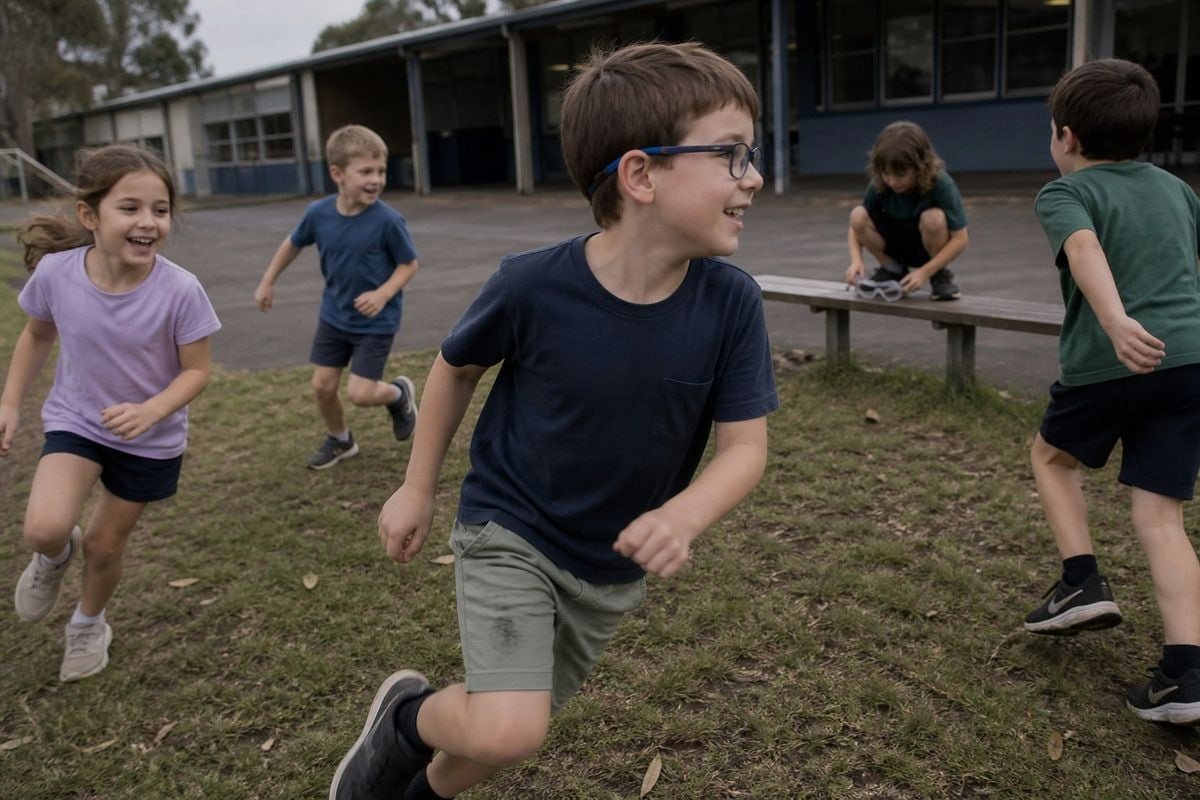
Safety precautions for kids wearing optical frames during active play come up in almost every buyer call at our Taizhou factory. A child falls, a rigid frame snaps, and suddenly the eyewear itself becomes the hazard — that is exactly the failure our TPEE and TR90 production line was built to prevent.
Kids wearing optical frames during active play need impact-resistant polycarbonate or Trivex lenses, flexible frames without sharp edges, a secure fit with retention straps for vigorous movement, and dedicated ASTM F803 certified sports goggles for high-risk ball sports rather than everyday glasses.
Those four precautions sound simple. But each one hides real decisions about materials, fit, and standards. Let me walk you through what we have learned building children’s frames for buyers in more than 20 countries.
What materials keep optical frames flexible and safe during active play?
During a drop-test session in our 5S-managed workshop, I once watched a rigid acetate sample crack on the third impact while our TPEE temple sample survived fifty. That contrast shaped how I answer this question for every buyer.
Flexible plastics such as TR90 and TPEE keep optical frames safe during active play because they bend under impact instead of snapping. Combined with polycarbonate or Trivex lenses, soft silicone temple tips, and flexible hinge technology, these shatterproof materials absorb falls and collisions without producing sharp fragments.
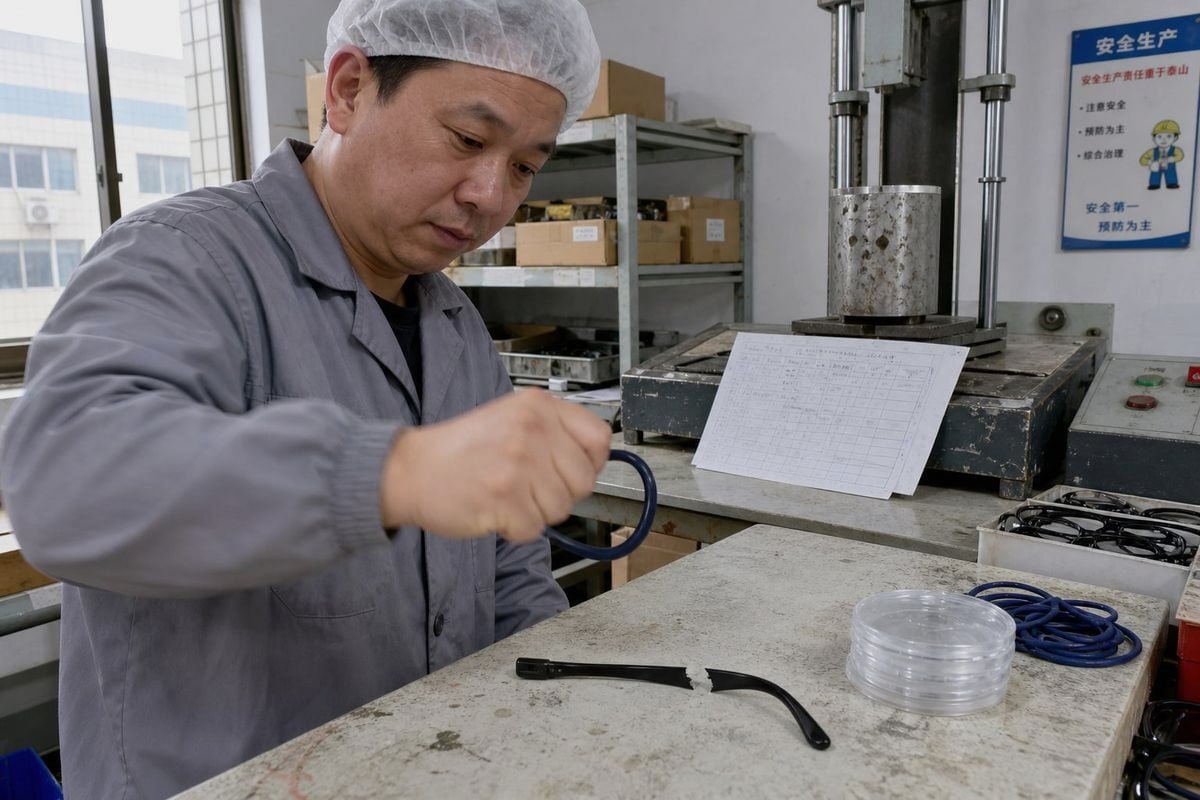
Material choice is the foundation of pediatric eye protection. A frame that shatters creates sharp edges near a child's eyes. A frame that bends simply pops back into shape. That is why our engineers standardized on TR90 fronts with TPEE temples across most of our roughly 800 existing styles.
Why flexible beats rigid for children
Children do not handle glasses gently. They pull them off with one hand, sit on them, and drop them on concrete. Rigid frames concentrate stress at the hinges and bridge. Flexible materials distribute that stress. One-piece plastic or nylon constructions also avoid the injury risk that comes from broken metal solder points — a real concern with cheap wire frames.
Comparing common frame materials
| المواد | المرونة | الوزن | Break behavior | الملاءمة للأطفال النشطين |
|---|---|---|---|---|
| TR90 | مرتفع | خفيف جدا | Bends, resists snapping | ممتازة |
| TPEE (temples) | عالي جداً | خفيف جدا | Bends fully, returns to shape | ممتازة |
| Standard acetate | منخفض إلى متوسط | متوسط | Can crack into pieces | مقبول |
| Metal | منخفض | متوسط | Solder points can break sharp | Poor for rough play |
Lens material matters just as much. Polycarbonate lenses are the default recommendation for children because they are impact-resistant and far lighter than glass. Trivex lenses are a strong alternative with excellent optics and similar impact resistance. Glass lenses should never appear on a child's active-play frame — they can shatter directly in front of the eye.
One more detail from our QC checks: we round every edge and mold-finish every surface. A frame with no sharp edges cannot cut a child's face if it shifts or breaks during a fall. When we develop OEM styles for baby and kids' brands, edge smoothness is a mandatory inspection point, not an optional finish.
How do I choose frames that won't harm my child if they fall or collide with something?
A procurement manager from Australia once asked me a blunt question: "If a toddler face-plants wearing your frame, what happens?" We answered by bending a TPEE temple 180 degrees across the meeting table. That is the mindset parents should bring to frame selection.
Choose frames that flex rather than snap, sized correctly for the child's face rather than oversized to grow into. Look for rounded edges, one-piece or hinge-reinforced construction, impact-resistant frames with safety-beveled lenses, and no metal parts that could break into sharp points on impact.
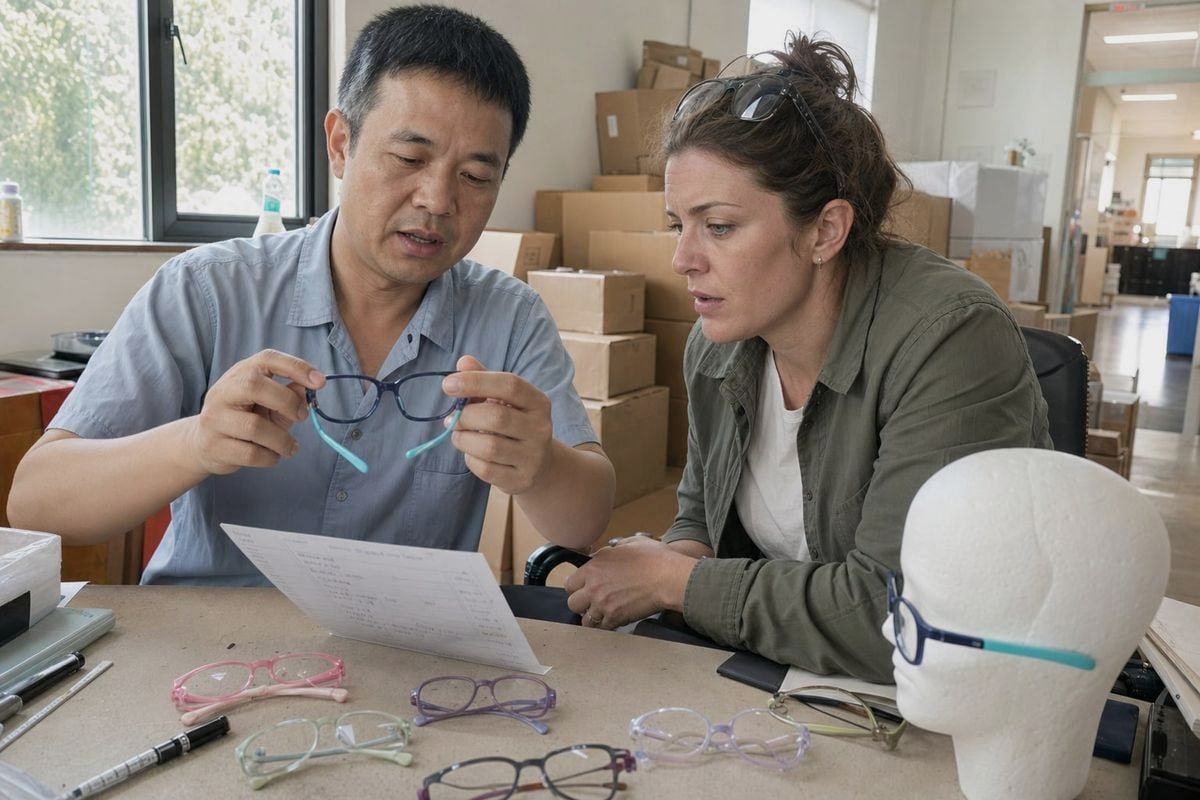
The core question during a fall is simple: does the frame absorb energy, or does it transfer energy — and sharp fragments — into the child's face? Everything below flows from that.
A fall-safety checklist for choosing frames
- Correct sizing. The frame width should match the child's face now. Oversized frames shift on impact, and the rim can strike the brow or cheekbone. "Growing into" a frame is a false economy and a genuine safety risk.
- Flexible construction. TR90 fronts with rubberized or silicone-tipped temples flex on impact. Flexible hinge technology lets the temples splay outward instead of levering against the child's temple bone.
- Rounded, smooth edges. Run a finger along every edge. Nothing should catch or feel sharp — including the nose bridge and temple tips.
- Safety-beveled lenses. For higher prescriptions, ask the optician to apply safety beveling 1. This rounds off the sharp lens edge so the lens itself does not become a secondary hazard if the frame fails.
- Secure lens retention. Lenses should sit firmly in the groove so a frontal knock does not pop them inward toward the eye.
Inspection habits that prevent harm
Selection is only half the job. We advise our brand customers to tell parents to check frames weekly. Look for loose screws, bent temples, cracked lenses, and — critically — stress whitening. Those pale, cloudy lines in plastic indicate microscopic material fatigue 2 and a high risk of sudden snapping. A frame showing stress whitening should be replaced, not straightened. Bent frames should also never be forced back into shape at home; heat-assisted adjustment at an optical shop is the safe route.
Watch for frame-induced prism, too. Repeated impacts can subtly warp a frame so the lenses tilt out of alignment. The child then experiences visual distortion that impairs depth judgment and athletic coordination — often without being able to explain what feels wrong.
What features should I look for to prevent frames from slipping or breaking during sports?
Retention is where we spend a surprising amount of engineering time. The dot-and-swirl embossing you will find inside the silicone temple tips on many of our styles exists for one reason: grip on small ears during running, climbing, and bending.
Look for wrap-around ear hooks or curved silicone temple tips, adjustable elastic straps or sport bands for vigorous activity, silicone nose pads that resist sliding, flexible hinges that survive repeated stress, and a professional fit that keeps the pupils aligned with the lens optical centers.
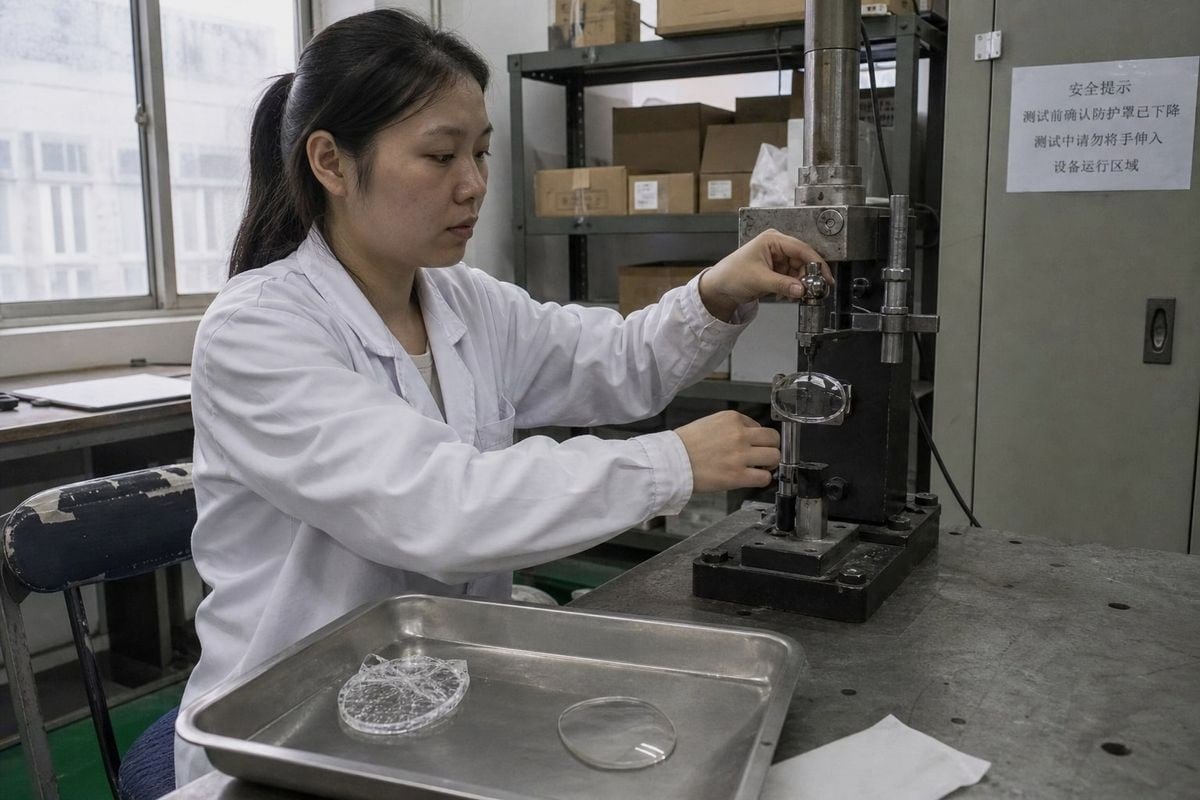
Glasses that slip do more than annoy a child. They blur vision at the wrong moment, block peripheral awareness, and can fly off mid-play and get stepped on. Retention features solve this cheaply and effectively.
Retention options by age and activity level
| Retention feature | الدفع الآمن عبر المنصة | How it helps |
|---|---|---|
| أحزمة مرنة قابلة للتعديل | Toddlers, very active kids | Holds the frame firmly to the head; nearly impossible to shake off |
| Sport bands | School-age kids in casual sports | Quick to attach; keeps lenses centered during running and jumping |
| Curved ear hooks / cable temples | All-day everyday wear | Wraps behind the ear so frames stay put when bending over |
| Silicone nose pads | Kids with low nose bridges | Adds friction so frames do not slide down a sweaty nose |
| Textured silicone temple tips | General active play | Embossed grip patterns resist slipping without pinching |
Fit is a safety feature, not a comfort feature
Poor fit is the hidden failure mode. A frame that sits crooked moves the optical centers away from the pupils, which degrades depth perception exactly when a child needs it — judging a step, a ball, or a climbing hold. A professional fitting should confirm three things: the frame does not pinch the temples, the frame does not slide when the child looks down, and the pupils sit centered behind the lenses.
Breakage prevention comes down to two habits worth teaching every child: use both hands to put glasses on and take them off, and store them in a hard-shell case rather than tossing them in a backpack or leaving them lens-down. One-handed removal is the single biggest cause of the bent, misaligned frames we see returned for inspection. Weekly checks of straps, screws, and hinges close the loop.
Can I find kids' optical frames that meet international safety standards for active use?
Exporting to buyers across Europe, Japan, and Australia has taught us one hard lesson: "kid-friendly" marketing language means nothing without a standard behind it. Buyers should always ask which certification a frame actually carries.
Yes. For sports use, look for eyewear certified to the ASTM F803 standard, which verifies resistance to high-velocity impacts from balls and equipment. Everyday optical frames should pair flexible, tested frame materials with polycarbonate or Trivex lenses, while high-risk sports demand dedicated certified sports goggles.
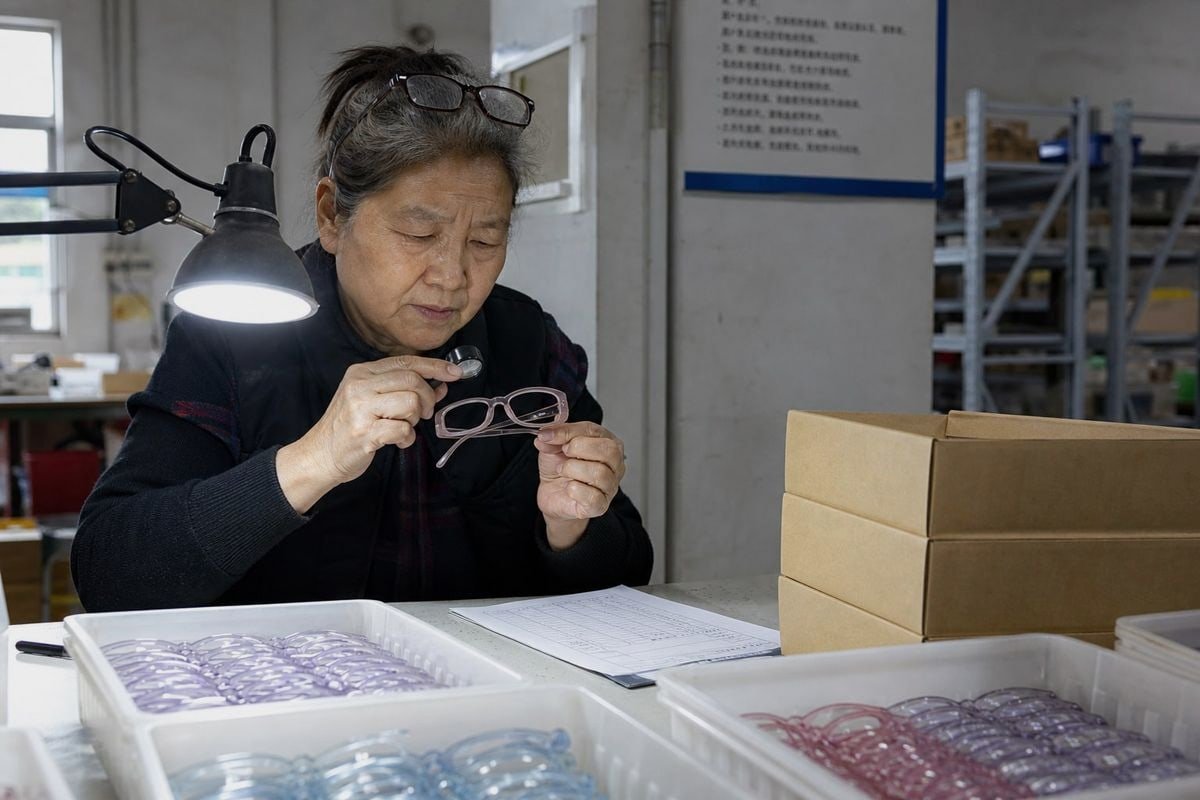
Here is the distinction that matters most: vision correction and eye protection 3 are separate needs. A child can see perfectly through regular optical frames and still need dedicated protective eyewear for sport. Multiple eye-health bodies stress that regular eyeglasses do not provide the impact protection of certified sports goggles for kids — and one widely cited figure holds that 90% of sports-related eye injuries are preventable with proper protective eyewear.
Matching eyewear to activity risk
| Activity type | أمثلة | Recommended eyewear |
|---|---|---|
| Everyday active play | Playground, running, climbing | Well-fitted flexible frames, polycarbonate lenses, retention strap |
| Lower-risk sports | Cycling, in-line skating | Strong impact-resistant frames with polycarbonate lenses |
| High-risk ball sports | Baseball, softball, basketball, tennis, badminton, volleyball | ASTM F803 certified sports goggles with one-piece plastic frames |
| Projectile/contact sports | Hockey, lacrosse | Sports goggles plus eye-face guards or shields where required |
What certified sports eyewear does differently
ASTM F803 eyewear is engineered around a specific failure that regular frames cannot prevent: a ball striking the lens and pushing it inward toward the eye. Certified sports goggles use deep-grooved eye wires 4 that lock the lens in place under frontal impact, one-piece molded frames with no weak solder or hinge points, and a wrap-around design that shields the side of the eye. Many also pad the nose bridge and brow to spread impact force.
A fair objection I hear from buyers: "Does every child need goggles for every playground session?" No — and over-protecting has its own cost. Protective rims can slightly restrict the visual field, so some coaches even recommend peripheral awareness exercises to help kids compensate. For casual play, well-fitted everyday frames with impact-resistant lenses 5 and a retainer are adequate. The upgrade to certified protection is for ball sports and projectile-risk activities, where the physics simply exceed what an optical frame is designed to handle. Match the eyewear to the activity, and you avoid both under- and over-protecting.
الخلاصة
Active play turns weak eyewear into a hazard. The fix is layered: flexible shatterproof materials, correct fit, retention accessories, weekly inspection, and certified sports goggles when the activity demands them.
ملاحظات ختامية
1. The American Academy of Ophthalmology offers clinical guidelines on selecting safe, impact-resistant eyewear for children. ↩︎
2. Technical explanation of material fatigue and structural failure in polymers used for safety products. ↩︎
3. The National Eye Institute provides resources on preventing sports-related vision injuries through proper protective equipment. ↩︎
4. ASTM International provides the F803 standard for high-velocity impact resistance in sports eyewear. ↩︎
5. The FDA regulates impact-resistant lenses as medical devices to ensure safety standards are met. ↩︎
مقالات أخرى قد تعجبك
أغسطس 5, 2026
Bio-Based vs Regular Cellulose Acetate: What's the Difference for Kids' Frames?

أغسطس 5, 2026
How Recyclable Are Kids' Optical Frame Materials, and What Eco-Friendly Alternatives Exist?
أغسطس 5, 2026
Do Kids Optical Frames Whiten or Age in Storage, and How to Control Warehouse Conditions?
هل تبحث عن شريك موثوق به للنظارات للأطفال؟
استكشف أكثر من 800 نمط جاهز ودعم OEM/ODM كامل مصمم خصيصًا لعلامتك التجارية.
اتصل بنا English
  Español de México
  Deutsch
  Français
  日本語
日本語  العربية
  Português do Brasil