What Protective Fastening Measures Do Kids’ Optical Frames Need for P.E. Class?
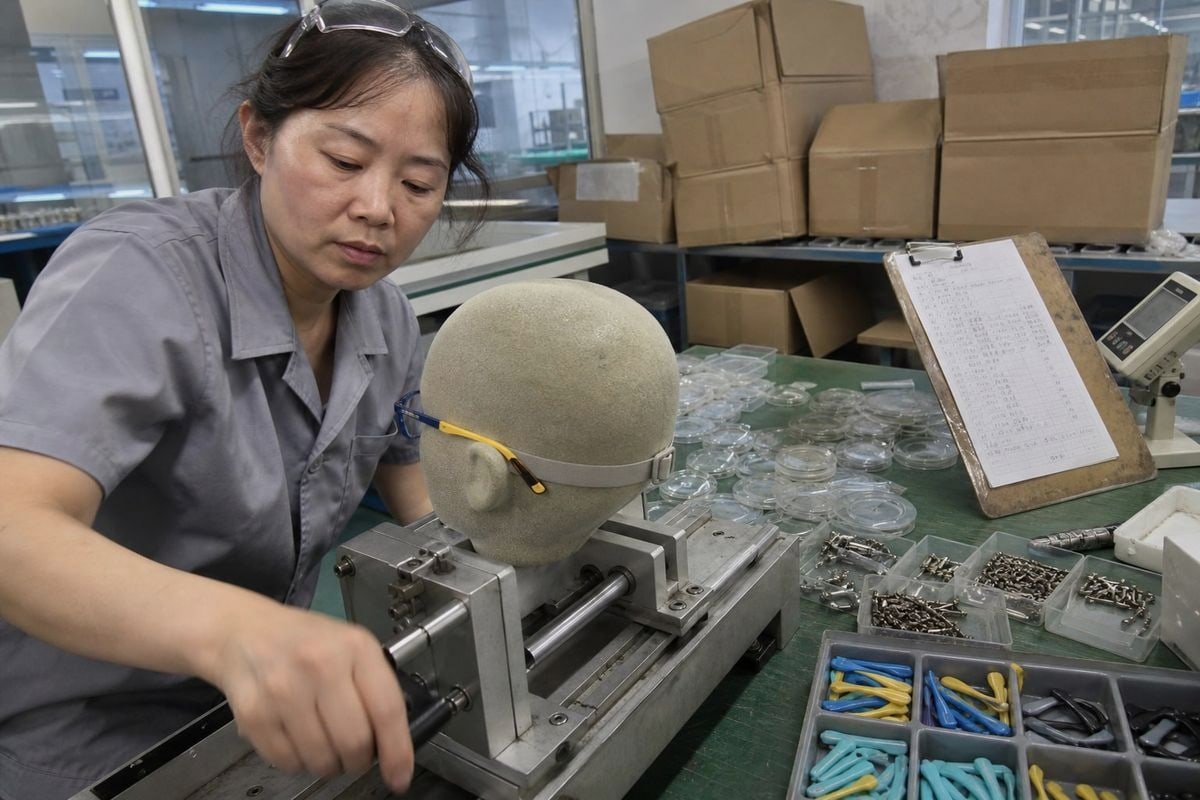
Protective fastening measures for kids’ optical frames became personal for me after a buyer showed us a snapped hinge from a schoolyard fall. Loose glasses slide, bounce, and break during P.E. Worse, a broken frame near a child’s eye is a real injury risk. At our Taizhou factory, we design around exactly this problem — and the fixes are simpler than most parents expect.
Kids’ optical frames for P.E. class need secure retention plus impact-resistant construction: an adjustable elastic strap or silicone ear hooks to prevent slippage, flexible TR90 or TPEE frame material, spring hinges, deep-grooved eye wires, and polycarbonate lenses. For collision sports, choose prescription sports goggles meeting ASTM F803.
That short answer covers the essentials. But the right setup depends on how active the class is, what sports are involved, and how the frame itself is built. Let me walk through each layer, from straps to materials to sourcing checkpoints.
How can I make sure kids' optical frames stay secure during running and jumping in P.E. class?
During a fit test on our sample line last year, we clamped a standard kids' frame to a shake rig. It slid off the head form within seconds. Retention starts with fit, not accessories.
Secure kids' glasses for running and jumping by combining a properly fitted frame with a retention device: an adjustable elastic head strap, a sports eyewear retainer, or silicone ear hooks. The frame should sit close to the face, grip behind the ears, and never pinch the temples.
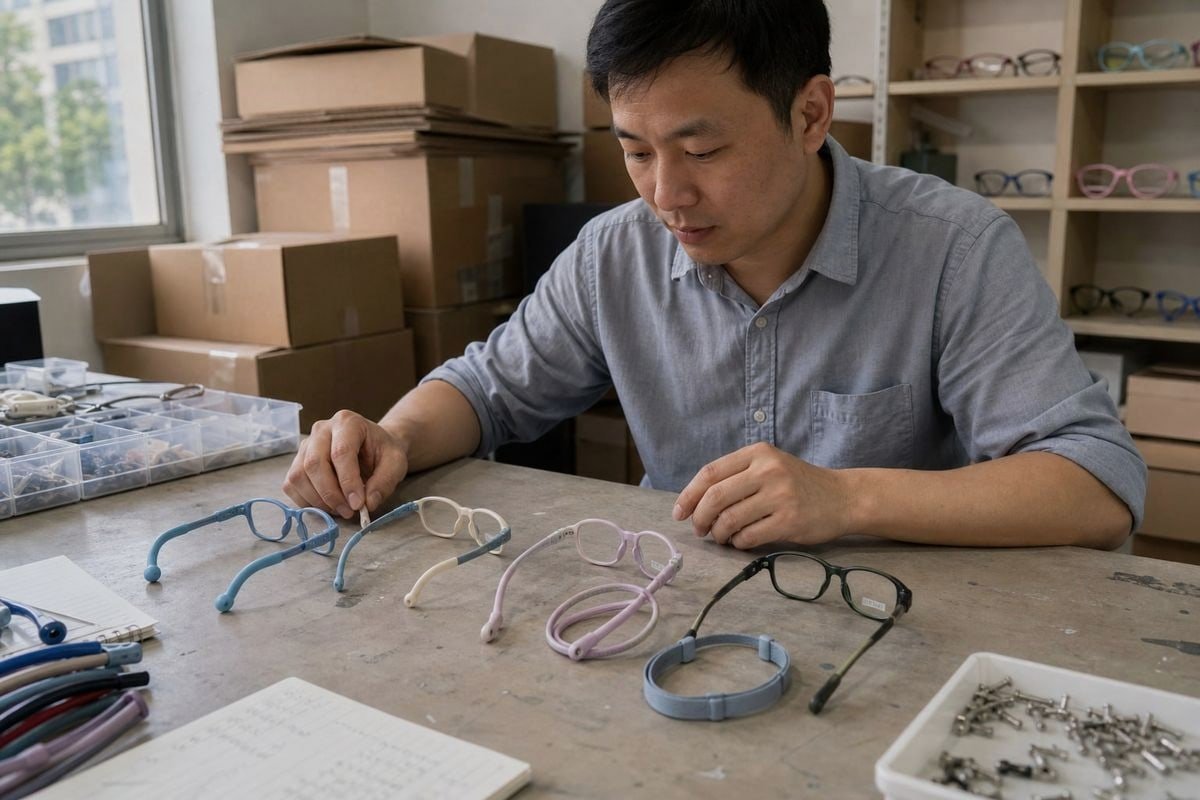
Retention is a system, not a single part. In our experience developing frames for children's brands in Australia and Europe, three things must work together: the fit of the frame, the grip of the temple ends, and any added fastening device.
Start with fit, then add fastening
A frame that is too wide will bounce with every stride. No strap fully fixes that. So the first step is sizing the frame to the child's face. The temples should follow the skull without pressure points, and the bridge should carry weight evenly on the nose. Padded or rubber bridges improve stability and reduce the urge for a child to push the glasses around mid-class. Eyecare guidance also stresses that frames should be adjusted by an optician if they loosen — a poorly fitted frame is far more likely to slip, bounce, or break during activity.
What each retention option actually does
| Fastening measure | كيف تعمل | الدفع الآمن عبر المنصة |
|---|---|---|
| Adjustable elastic strap | Wraps 360 degrees around the back of the head | Running, jumping, general P.E. |
| Silicone ear hooks | Anchor the temple tip behind the ear | Everyday wear plus light activity |
| Cable temples | Curved ends wrap fully around the ear | Younger children, constant movement |
| Sports eyewear retainer | Clips onto temple tips, adjustable tension | Kids who switch between class and sport |
| Headband conversion | Replaces temples with a full-wrap band | Higher-intensity gym sessions |
One important nuance: these retention aids keep glasses positioned, but they do not turn everyday spectacles into certified protective sports eyewear. A strap solves slippage. It does not solve impact. Schools and eyecare sources consistently recommend a strap or headband for glasses worn in P.E. — while pointing families toward sports goggles when real contact is involved. We tell our B2B buyers the same thing, because it keeps their end customers safe and their brand credible.
What strap or fastening options work best for active children without causing discomfort?
A distributor in Japan once returned samples because kids pulled the straps off within minutes — the elastic was too tight behind the ears. Comfort, we learned, is the real retention feature.
The most comfortable options for active children are soft silicone ear hooks, wide adjustable elastic straps with flat closures, and cable temples with rounded tips. Comfort matters because a child who feels pinching will remove or fidget with the glasses, defeating the fastening entirely.
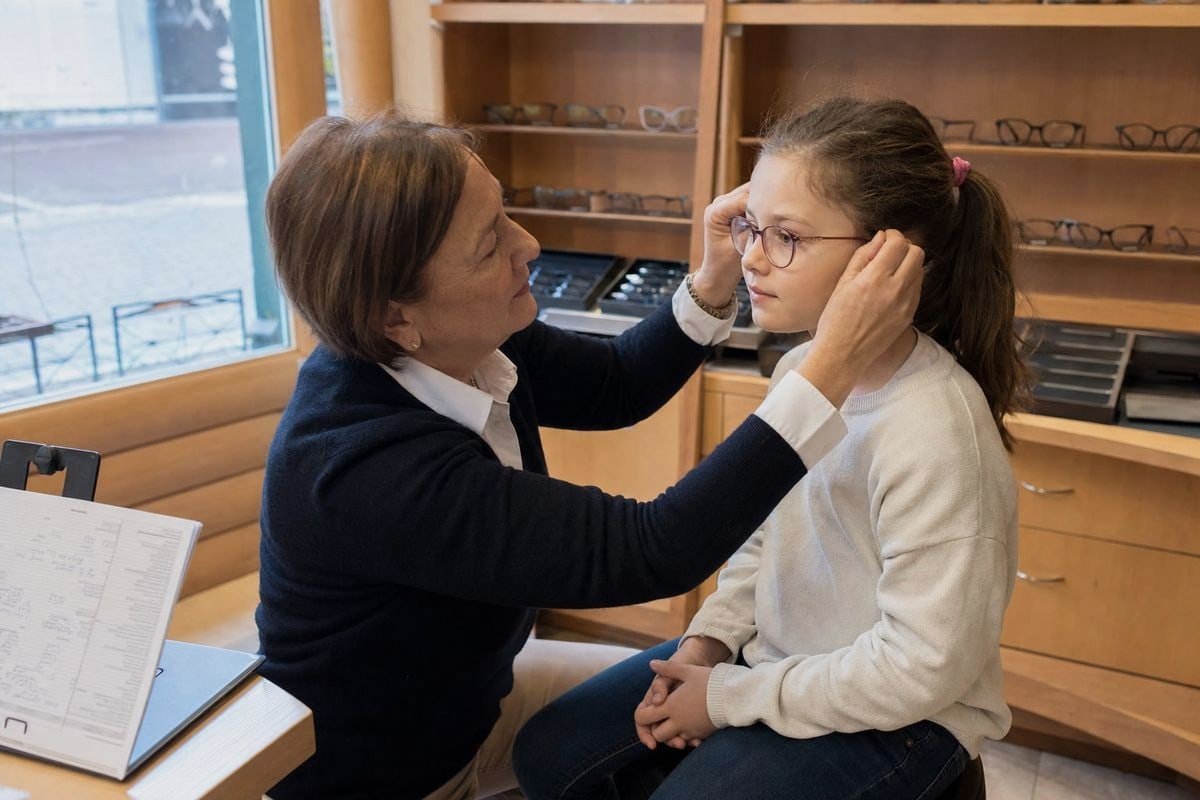
Guidance on نظارات الأطفال 1 treats comfort as a durability factor: if a frame hurts or slips, children adjust it constantly, which increases damage, loss, and distraction. So when we evaluate a fastening option at our factory, we score comfort as heavily as grip.
Ranking the options by comfort and hold
- Silicone ear hooks. Soft, low-profile, and nearly invisible. They anchor behind the ear without squeezing. Our own frames use curved TPEE and silicone temple tips with embossed dot patterns that add grip against sweat without adding pressure.
- Wide elastic straps. A broader band spreads tension across the head. Look for flat adjusters that will not dig in when a child lies on a mat.
- Cable temples. The flexible curved ends wrap the whole ear. Excellent hold, though some children need a day or two to get used to them.
- Headband or full-wrap conversions. Maximum security, but warmer and bulkier — better reserved for intense sessions.
Small design details that prevent complaints
Sweat is the enemy of grip and skin comfort alike. Textured silicone increases friction as skin gets damp, and padded temple cushions reduce hotspots. Some newer retention fabrics are antimicrobial-infused to limit irritation from trapped sweat during long gym sessions — a detail worth asking about if the eyewear will be worn daily. Rounded temple tips matter too: hard, squared tip ends are the most common comfort complaint we hear from buyers' fit testing. Finally, adjustability is non-negotiable. Children's head sizes vary widely within one age group, so a fixed-length strap will always be wrong for someone. An adjustable elastic strap with a secure locking slider fits the whole class, not just the average child.
Can flexible TR90 or TPEE frame materials reduce the risk of breakage during sports activities?
Flexibility versus stiffness is a trade-off we weigh on every new mold. A rigid frame holds lenses precisely but snaps under twist; a flexible one bends and survives. For kids, we almost always choose flex.
Yes. TR90 and TPEE frames flex under stress instead of snapping, absorbing twists, drops, and side impacts that shatter rigid acetate. Combined with flexible spring hinges, they dramatically reduce breakage during sports — though flexibility alone does not equal certified sports impact protection.
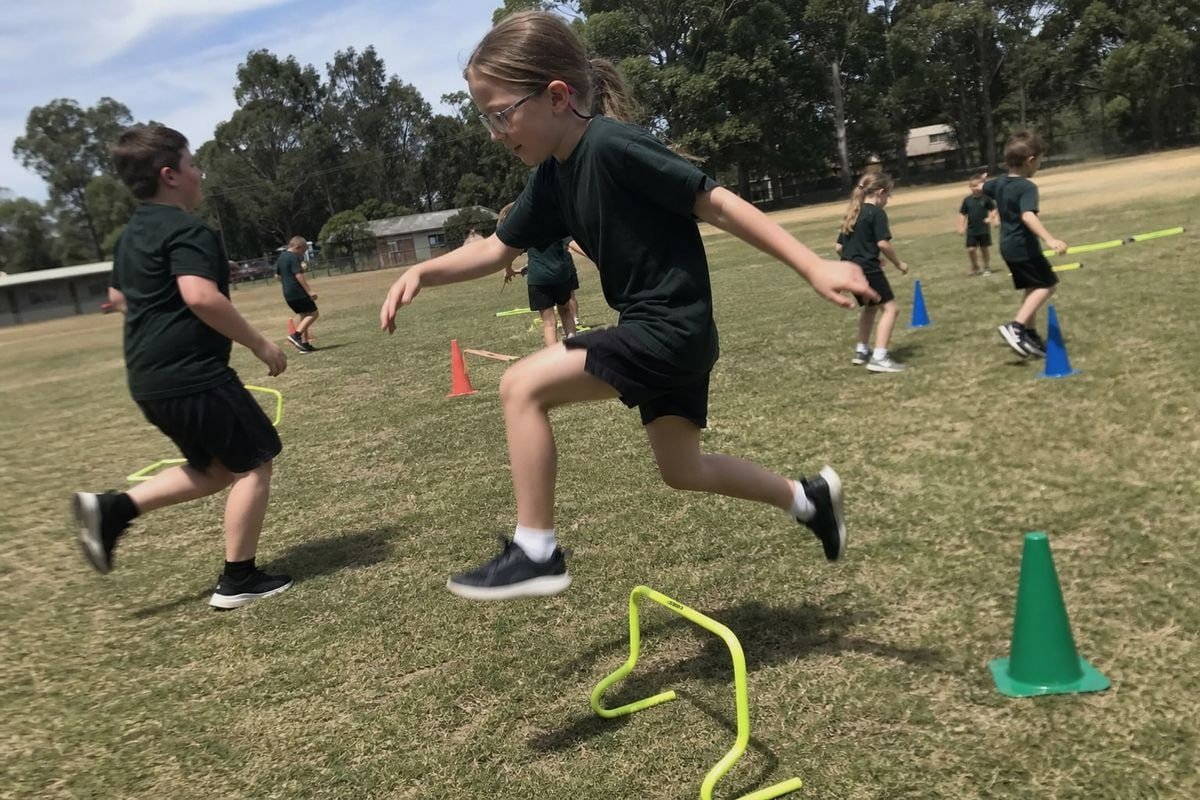
Our production line has run TR90 and TPEE 2 for fifteen years, and the difference shows up in how frames fail. A brittle frame fails suddenly, leaving sharp edges near a child's eye. A flexible frame deforms, then returns to shape. That failure mode is the real safety story, not just the durability story.
How the materials compare for active kids
| خاصية | TR90 | TPEE | Standard acetate |
|---|---|---|---|
| المرونة | عالية — تنثني وتستعيد شكلها | Very high — rubber-like flex | Low — can snap |
| الوزن | خفيف جدا | خفيف جدا | أثقل |
| سلوك التأثير | Absorbs and deforms | Absorbs and deforms | Can crack into sharp pieces |
| الراحة على الجلد | Smooth, low pressure | Soft, grippy | Firm |
| الاستخدام النموذجي | Full frames, fronts | Temples, full flex frames | Fashion frames |
Many of our kids' styles pair a TR90 front with TPEE temples — the front holds the lenses stably while the temples take the twisting abuse of being pulled off one-handed, sat on, or stuffed into a gym bag. Both materials are also environmentally friendlier options, which matters to the children's brands we supply in 20+ countries.
Where flexibility helps the fastening system
Flexible materials are not only about surviving drops. A frame that flexes slightly wraps closer to the face, increasing contact surface and lateral stability — the same principle behind wrap-around frame geometry in sports eyewear. Flexible spring hinges add another layer: they let temples splay outward and absorb the stress when a child yanks the glasses off, protecting the hinge screws and the frame front. One honest caveat we always give buyers: break-resistant is not the same as sports-certified. A flexible TR90 frame with standard lenses is still not a substitute for prescription sports goggles in a collision sport. Material choice reduces breakage risk; it does not replace protective eyewear standards.
What safety features should I look for when sourcing optical frames designed for school sports use?
Procurement managers ask us this on nearly every first call. My answer is always the same: audit the frame as a complete safety system, from the lens material to the temple tip, before you look at price.
When sourcing frames for school sports use, require polycarbonate lenses, flexible spring hinges, deep-grooved eye wires that lock lenses in place, soft silicone contact points, retention compatibility such as strap attachment, and — for collision sports — compliance with the ASTM F803 standard for sports eyewear.
When we develop OEM projects for children's brands, we build the specification around risk level. Expert sports-eye guidance gives a child needing prescription protection three routes: polycarbonate lenses in a sports frame meeting ASTM F803 for that sport, contact lenses paired with separate protection, or an over-the-glasses protector meeting the relevant standard. Everyday optical frames sit below that tier — but they can still be engineered to be far safer for P.E.
A sourcing checklist by risk level
| Activity level | Minimum spec to require | Fastening measure |
|---|---|---|
| Warmups, dance, fitness drills | TR90/TPEE frame, polycarbonate lenses, spring hinges | Silicone ear hooks or sports eyewear retainer |
| Running, jumping, general P.E. | Above, plus deep-grooved eye wires and rubber bridge | Adjustable elastic strap or headband |
| Ball, contact, or collision sports | Prescription sports goggles, wrap-around frame geometry | Integrated full-wrap strap, ASTM F803 compliance |
Details worth verifying at the factory level
Ask how lenses are retained. Deep-grooved eye wires mechanically lock the lens so it cannot eject on impact — a feature that is invisible in a photo but critical in a fall. Check hinge construction: flexible spring hinges should survive repeated splay cycles without loosening. Confirm impact resistance of the lens material in writing; polycarbonate lenses are the consistently recommended choice for children's sports contexts. If the P.E. curriculum includes helmet sports like hockey or cycling drills, low-profile, helmet-compatible designs matter too. Some suppliers now offer modular conversion systems that swap standard temples for a full-wrap goggle strap, letting one frame serve both classroom and gym. Finally, look at the supplier's process, not just the sample. Our own 5S-managed workshop runs incoming material checks and finished-goods QC precisely because a children's safety product cannot rely on spot-luck. With roughly 800 existing styles, we also let brands test a sports-ready design without heavy mold investment — a practical way to validate demand before committing to custom tooling.
الخلاصة
Loose or fragile glasses turn P.E. into a hazard. Secure them with fitted frames, straps or silicone hooks, flexible TR90/TPEE construction, polycarbonate lenses — and ASTM F803 goggles for contact sports. We build kids' frames this way daily, and we're glad to help your brand do the same.
ملاحظات ختامية
1. Clinical guidance from eye care professionals regarding the fit and comfort of children’s prescription eyewear. ↩︎
2. Technical overview of thermoplastic elastomers, the category of flexible polymers used in durable kids’ frames. ↩︎
3. Authoritative government resource confirming polycarbonate as the preferred impact-resistant material for children’s lenses. ↩︎
4. Official site for the ASTM F803 standard, the primary safety benchmark for sports eyewear. ↩︎
مقالات أخرى قد تعجبك
أغسطس 5, 2026
Bio-Based vs Regular Cellulose Acetate: What's the Difference for Kids' Frames?
أغسطس 5, 2026
How Recyclable Are Kids' Optical Frame Materials, and What Eco-Friendly Alternatives Exist?
أغسطس 5, 2026
Do Kids Optical Frames Whiten or Age in Storage, and How to Control Warehouse Conditions?
هل تبحث عن شريك موثوق به للنظارات للأطفال؟
استكشف أكثر من 800 نمط جاهز ودعم OEM/ODM كامل مصمم خصيصًا لعلامتك التجارية.
اتصل بنا English
  Español de México
  Deutsch
  Français
  日本語
日本語  العربية
  Português do Brasil