What Are the Most Common Mistakes Parents Make When Buying Kids’ Eyewear?
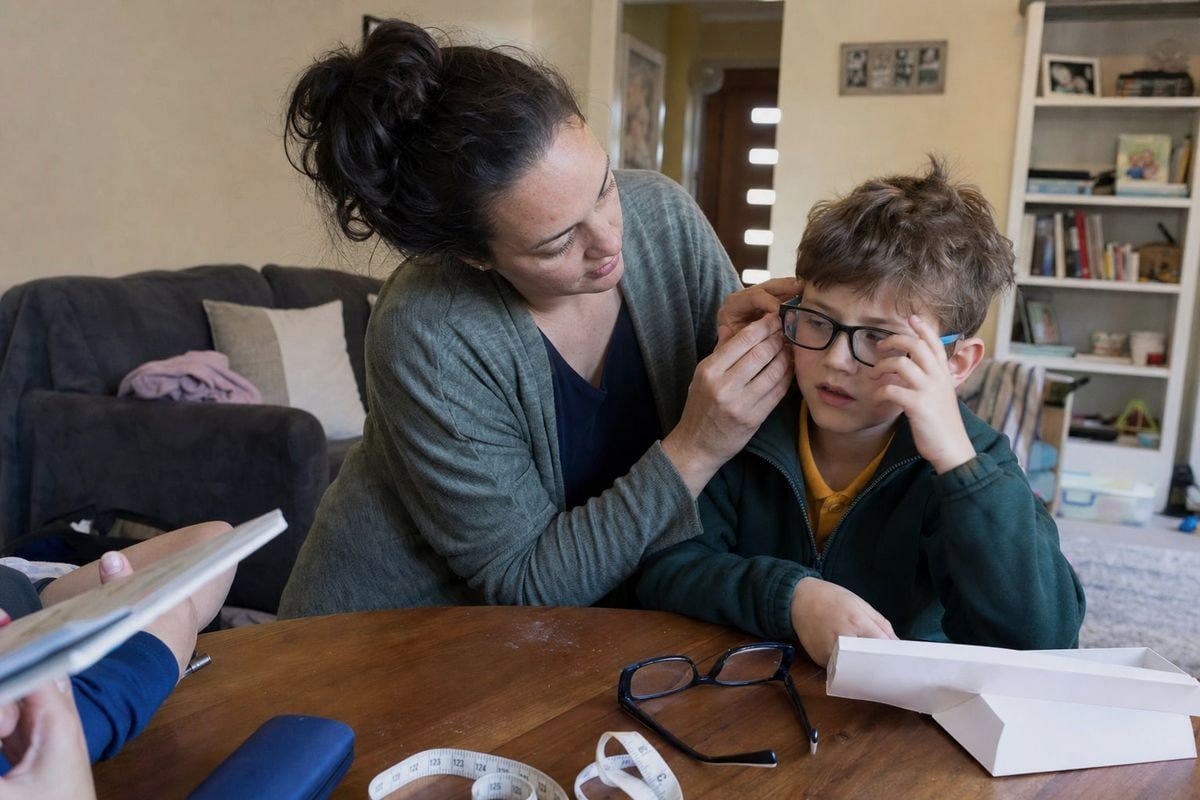
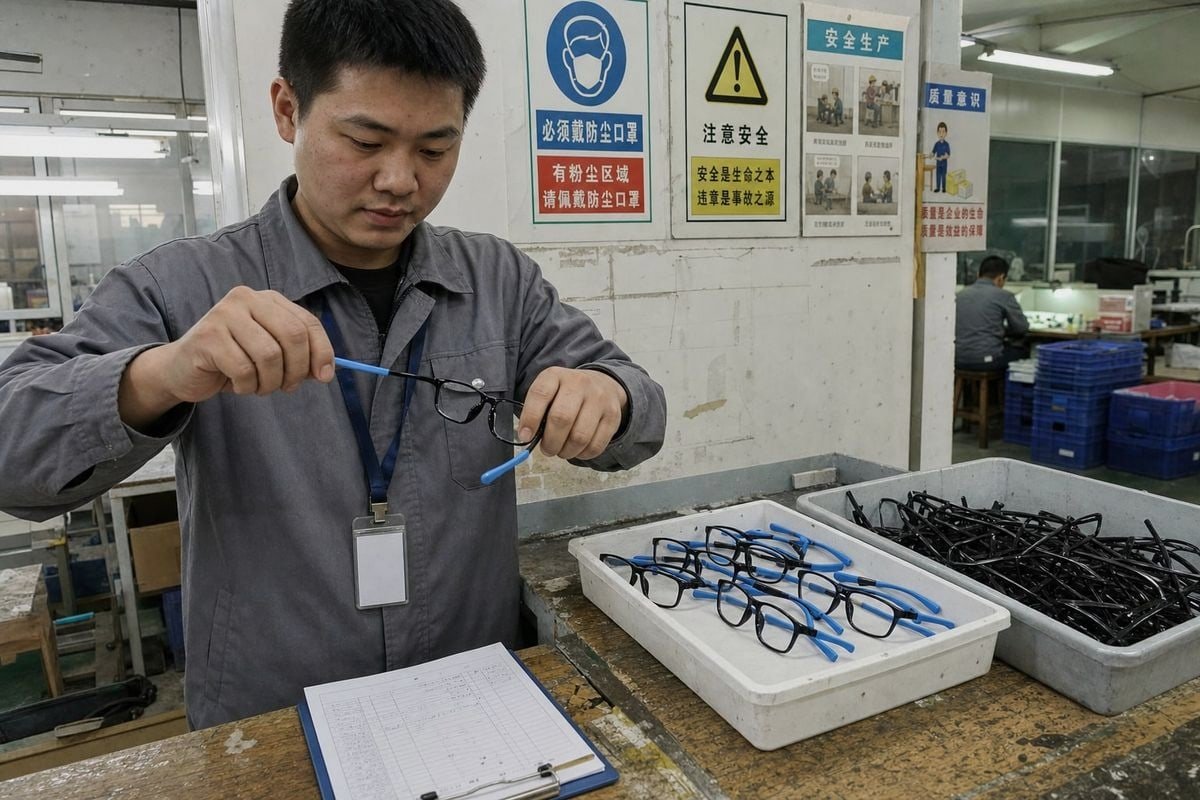
After fifteen years running our kids’ eyewear production line in Taizhou, I still see the same buying mistakes ruin good intentions. Parents spend money, and children refuse to wear the result.
The most common mistakes parents make when buying kids’ eyewear are choosing frames by looks or age instead of measurements, ignoring bridge fit, picking fragile materials over impact resistance, skipping real UV protection, and never verifying pupillary distance, prescription accuracy, or professional frame adjustment.
These errors rarely happen alone. They stack up. In this article, I will walk through each mistake and show you exactly what to check instead.
Am I choosing the wrong frame material and putting my child's comfort at risk?
Last year, a buyer from Australia sent us a competitor's frame that had snapped at the hinge within a week. Our engineers cut it open. The material was cheap, rigid PC — not built for a child's daily abuse.
Yes, if you pick rigid acetate or cheap plastic frames for an active child, you risk discomfort and breakage. Kids need flexible frames made from materials like TR90 or TPEE, which bend without snapping, weigh less on small noses, and stay comfortable through hours of daily wear.
Frame material is the foundation of everything else. A child wears glasses for eight to twelve hours a day. If the frame is heavy, stiff, or scratchy at the temple tips 1, the child will pull the glasses off. Then the prescription does nothing, and the money is wasted.
In our workshop, we build most children's frames in TR90 with TPEE temples. Why the combination? TR90 gives the front of the frame enough rigidity to hold the lenses in proper optical alignment. TPEE temples stay soft and flexible where the frame touches the skin, behind the ears and along the head. This matters because one popular myth cuts the other way: hyper-flexible "unbreakable" frames that twist like rubber bands can actually be too soft. If the frame cannot hold its shape, the lenses drift out of alignment, and the child gets eye strain from looking through the wrong part of the lens.
How common frame materials compare for children
| المواد | المرونة | الوزن | Durability for kids | Comfort |
|---|---|---|---|---|
| TR90 | عالي، يعود إلى شكله | خفيف جدا | ممتازة | جيد جدًا |
| TPEE | Very high, soft-touch | خفيف جدا | ممتازة | Excellent on skin |
| أسيتات قياسية | منخفضة، يمكن أن تتشقق | Medium-heavy | مقبول | مقبول |
| Cheap PC/plastic | منخفض، هش | خفيف | ضعيف | Poor at contact points |
| معدن مع وسادات أنف | Low, bends permanently | متوسط | مقبول | Pads can pinch |
Small details parents overlook
Look for spring hinges or flexible hinge sections. They absorb the sideways pull when a child yanks glasses off with one hand. Check the temple tips for soft silicone. And check that the material is skin-safe and environmentally friendly — children chew on temple tips more often than parents admit.
Why do my child's sunglasses keep breaking, and what should I look for instead?
A distributor in Japan once told me his return rate on kids' sunglasses was almost fifteen percent — nearly all hinge failures and popped lenses. We rebuilt his line with reinforced hinge points, and the complaints stopped.
Kids' sunglasses usually break at the hinges, bridge, or lens edges because they were designed as cheap fashion items, not children's gear. Look instead for flexible one-piece or reinforced frames, spring hinges, securely seated impact-resistant lenses, and materials rated for rough daily handling.
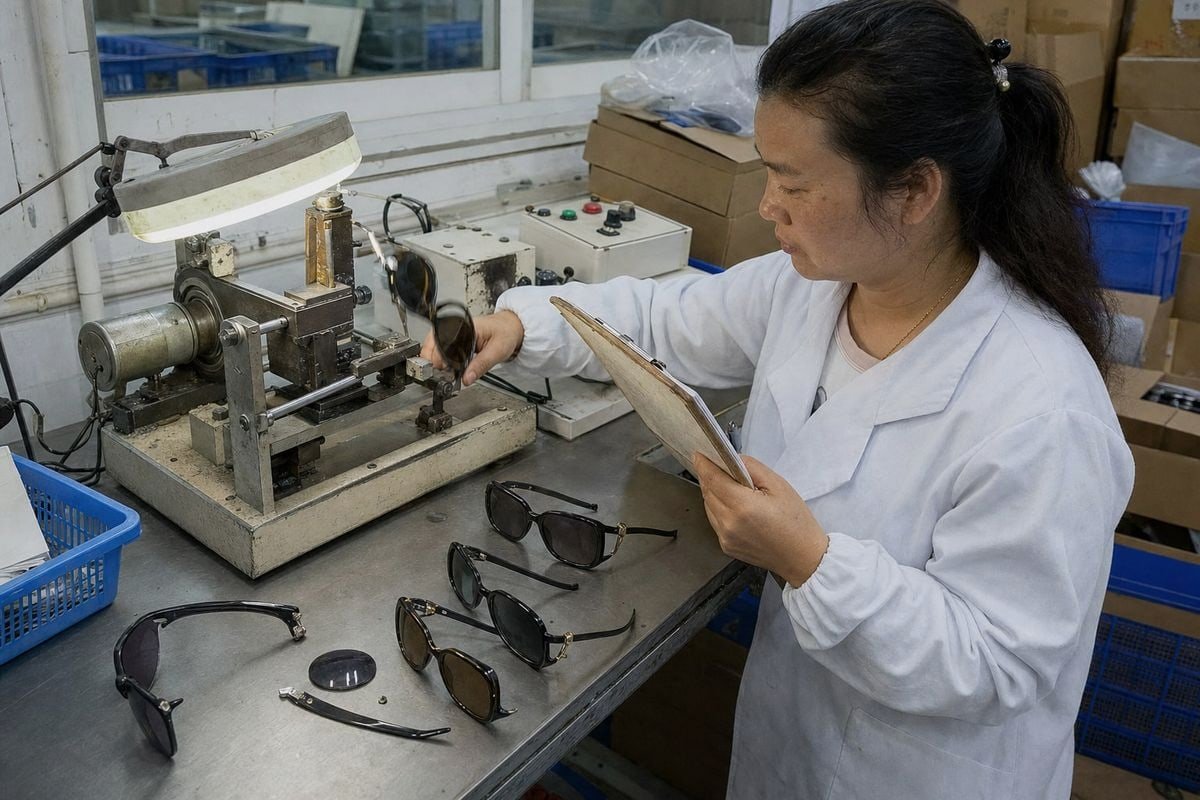
Breakage is rarely random. When we do failure analysis 2 on returned samples at our factory, the same three failure points appear again and again. Understanding them helps you shop smarter.
The three most common failure points
- Hinges. Standard rigid hinges have tiny screws in brittle plastic. One sideways twist and the barrel cracks. Spring hinges, or flexible hinge designs molded into TPEE, absorb that force instead.
- The bridge. Kids sit on glasses, stuff them in backpacks, and bend them across the middle. A brittle bridge snaps. A flexible bridge bends and recovers.
- احتفاظ العدسة. In cheap frames, the lens groove is shallow. Drop the sunglasses on concrete and the lens pops out or chips at the edge.
Here is the objection I hear from buyers and parents alike: "The frame has a scratch-resistant coating, so it is durable." That is a real confusion worth clearing up. A scratch-resistant coating protects the lens surface from light abrasion. It does nothing for impact resistance, hinge strength, or frame flexibility. Durability lives in the structure and the material, not in a coating.
For our sport-style wraparound models 3, we use a single-lens shield design in polycarbonate. One curved lens with no exposed lens edges is inherently harder to break than two small lenses in thin rims. For younger children, soft matte rubber-like frames with rounded edges — no sharp corners, nothing to snap — hold up far better than miniature versions of adult fashion frames.
Also, plan for accidents anyway. A backup pair and a clear damage warranty matter, because even good frames meet playgrounds.
Am I overlooking proper UV protection when I buy sunglasses for my kids?
One trade-off we weigh on every sunglass order is lens cost versus lens honesty. Dark tint is cheap. Genuine UV400 filtration costs more. Some suppliers quietly sell the first and label it as the second.
Probably, yes. Many parents judge sunglasses by tint darkness, but darkness is not UV protection. Children's eyes admit more UV than adult eyes, so insist on verified UV400 lenses that block wavelengths up to 400 nanometers, ideally in impact-resistant polycarbonate.
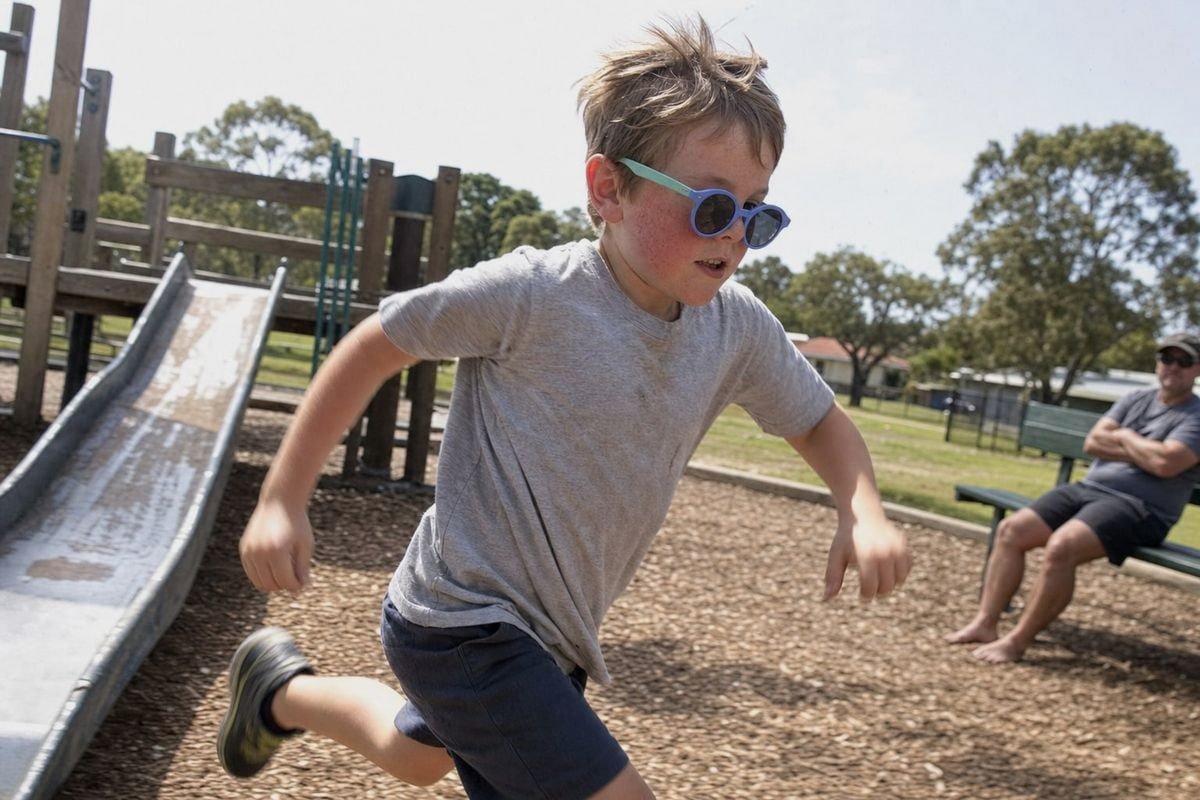
This is the mistake I consider the most dangerous, because it is invisible. A broken hinge is obvious. Missing UV protection is not. And here is the cruel twist: a dark lens without UV filtration is worse than no sunglasses at all. The dark tint makes the pupil dilate, opening the eye wider, and unfiltered UV pours in through that enlarged pupil.
Children are more vulnerable than adults. Young lenses inside the eye are clearer, so more UV reaches the retina. UV damage also accumulates over a lifetime, and a large share of that lifetime exposure happens before adulthood. That is why our factory treats UV400 as a baseline specification on children's sunglasses, not an upgrade. When we run incoming lens inspections, we verify UV transmission with a lens meter — we do not take a supplier's sticker at face value, and neither should a parent or a brand buyer.
What the lens labels actually mean
| ملصق | ماذا يعني | Good enough for kids? |
|---|---|---|
| يو في 400 | Blocks UVA and UVB up to 400 nm | Yes, this is the standard to demand |
| "100% UV protection" | Should equal UV400 if genuine | Yes, if verifiable |
| Polarized | Cuts glare from water, roads, snow | Great extra, but check UV rating separately |
| "Dark tint" only | Reduces brightness, not UV | لا - قد يكون ضارًا |
Polarized versus UV400
Buyers often ask us whether polarized lenses replace UV protection. They do not. Polarization reduces الوهج المنعكس 4, which improves comfort near water or in a car. UV protection is a separate property. The best children's sunglasses combine both: polarized UV400 lenses 5 in a flexible frame. And skip the blue-light-filter upsell on sunglasses — outdoors, UV filtration and glare control are what actually protect young eyes.
How do I make sure my child's eyewear actually fits and stays safe during active play?
The lesson that shaped our sizing charts came from returns data, not theory. Early in our export business, frames sized by age labels came back constantly. Frames sized by millimeter measurements almost never did.
Measure, do not guess. Match frame width, bridge fit, and temple length to your child's actual face, verify pupillary distance and the prescription with a pediatric optometrist, get a professional frame adjustment at pickup, and choose sport-specific eyewear for high-impact activities.
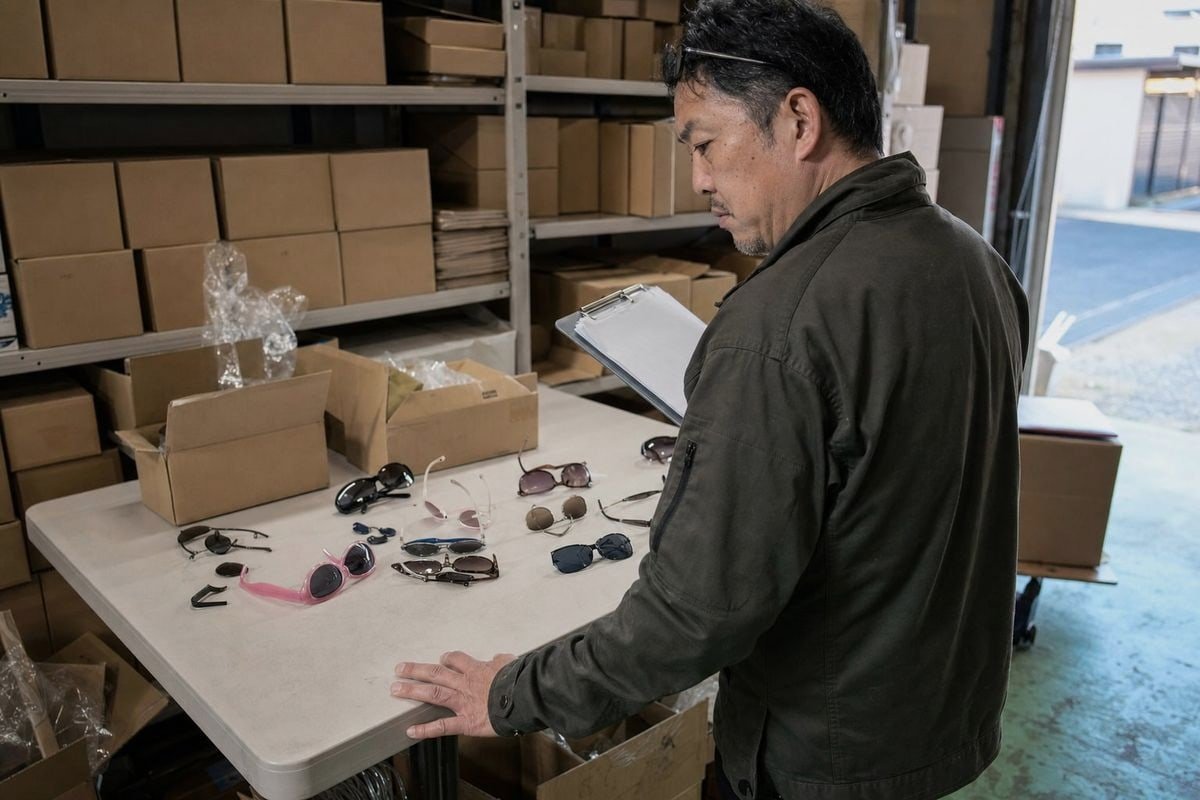
Fit is where all the smaller mistakes converge. A frame can have perfect materials and perfect lenses and still fail because it sits wrong on the face.
Start with the bridge, not the front
Children have flatter, less developed nasal bridges than adults. If the bridge does not sit flush, gravity wins. The glasses slide down, the child looks over the lenses instead of through them, and the prescription is effectively bypassed. Watch your child for one day. If they push the glasses up more than a few times an hour, the bridge fit is wrong. Look for frames designed with a lower, wider bridge or soft saddle-style bridges — this is a core design point in our children’s optical frames.
Refuse the "grow into it" trap
Buying oversized frames to save money backfires twice. First, big frames slip and wobble during play. Second, in stronger prescriptions 6, oversized lenses become thick, heavy, and optically distorted at the edges. The optical center of each lens must line up with the child's pupillary distance. In a too-wide frame, that alignment breaks, causing blur and headaches.
A quick fit checklist
- Frame width matches face width — eyes centered in each lens.
- Bridge sits flush with no gaps and no pinching.
- Temples reach the ears without pressing; tips curve gently behind them.
- Eyelashes do not brush the lenses.
- The frame stays put when the child jumps and shakes their head.
Everyday glasses versus sports eyewear
| الحالة | Right choice | لماذا |
|---|---|---|
| School and daily wear | Flexible frame, polycarbonate lenses | Comfort and everyday impact resistance |
| Ball sports | Sport goggles with strap, safety-rated lenses | Regular frames can shatter or fly off |
| Outdoor sports in sun | Wraparound UV400 shield with head retention | Coverage, glare control, secure fit |
| Online prescription orders | Verified PD, prescription, and vertex distance | Home measurement errors cause blurry, rejected glasses |
Two more safeguards. If you buy online, confirm pupillary distance from an eye exam record 7, not a home measurement — independent testing of online orders has found alarming rates of wrong prescriptions and lenses that fail impact testing. And after purchase, schedule a professional frame adjustment, then re-check the fit every few months. Children grow; frames do not.
الخلاصة
Bad kids' eyewear purchases are a chain of small errors — wrong material, wrong fit, fake UV claims, skipped verification. Break one link, and the whole chain fails safely. Measure, verify, and involve your child.
ملاحظات ختامية
1. Authoritative Wikipedia section defining the components and structural parts of eyeglass frames. ↩︎
2. Technical definition of the engineering process used to identify structural weaknesses in eyewear components. ↩︎
3. Authoritative overview of wraparound eyewear designs used for sports and high-impact protection. ↩︎
4. Clinical explanation from the American Academy of Ophthalmology on how polarized lenses function to reduce glare. ↩︎
5. Medical guidance from the Skin Cancer Foundation on the importance of UV400 protection for preventing long-term eye damage. ↩︎
6. Explanation of how eyeglass prescriptions are measured and specified for vision correction. ↩︎
7. Professional standards from the American Optometric Association for comprehensive eye examinations to ensure accurate vision prescriptions. ↩︎
مقالات أخرى قد تعجبك

هل تبحث عن شريك موثوق به للنظارات للأطفال؟
استكشف أكثر من 800 نمط جاهز ودعم OEM/ODM كامل مصمم خصيصًا لعلامتك التجارية.
اتصل بنا English
  Español de México
  Deutsch
  Français
  日本語
日本語  العربية
  Português do Brasil