What Are the Main Functions of Kids Sunglasses?
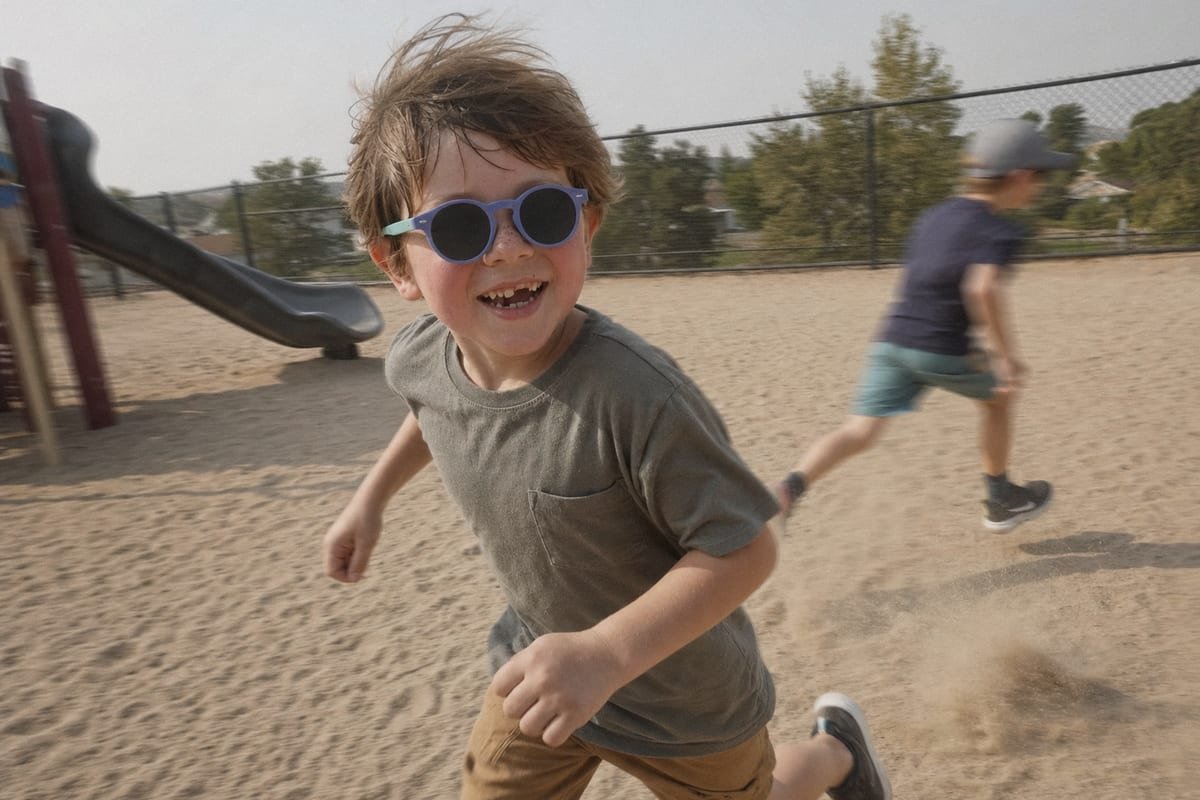
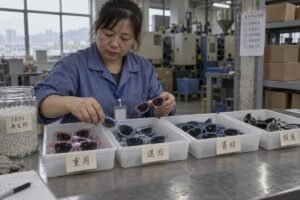
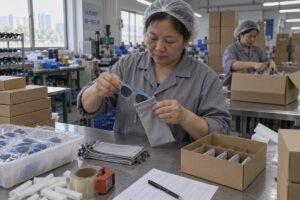
Every season, buyers ask me what kids sunglasses actually do beyond looking cute التنكس البقعي 1. On our production line in Taizhou, that question shapes every frame we mold, and the answer surprises most parents.
Kids sunglasses serve three main functions: blocking 100% of harmful UVA and UVB rays, reducing glare and eye strain outdoors, and physically shielding developing eyes from dust, wind, and impact. Because children’s eyes admit more UV light than adults’ eyes, early protection safeguards long-term ocular health.
Those three functions sound simple. But the details behind them decide whether a pair of kids sunglasses truly protects a child or just decorates a face. Let me break each one down.
How Do Kids Sunglasses Protect Young Eyes from UV Damage?
During a lens inspection last spring, our QC team rejected a full batch of tinted lenses that looked dark but failed the يو في 400 2 transmission test. That day reminded me why testing matters more than tint.
Kids sunglasses protect young eyes by filtering out 100% of UVA and UVB rays through UV400-rated lenses. Since children's clearer lenses and larger pupils allow more UV radiation to reach the retina, quality sunglasses reduce cumulative damage linked to cataracts and macular degeneration later in life.
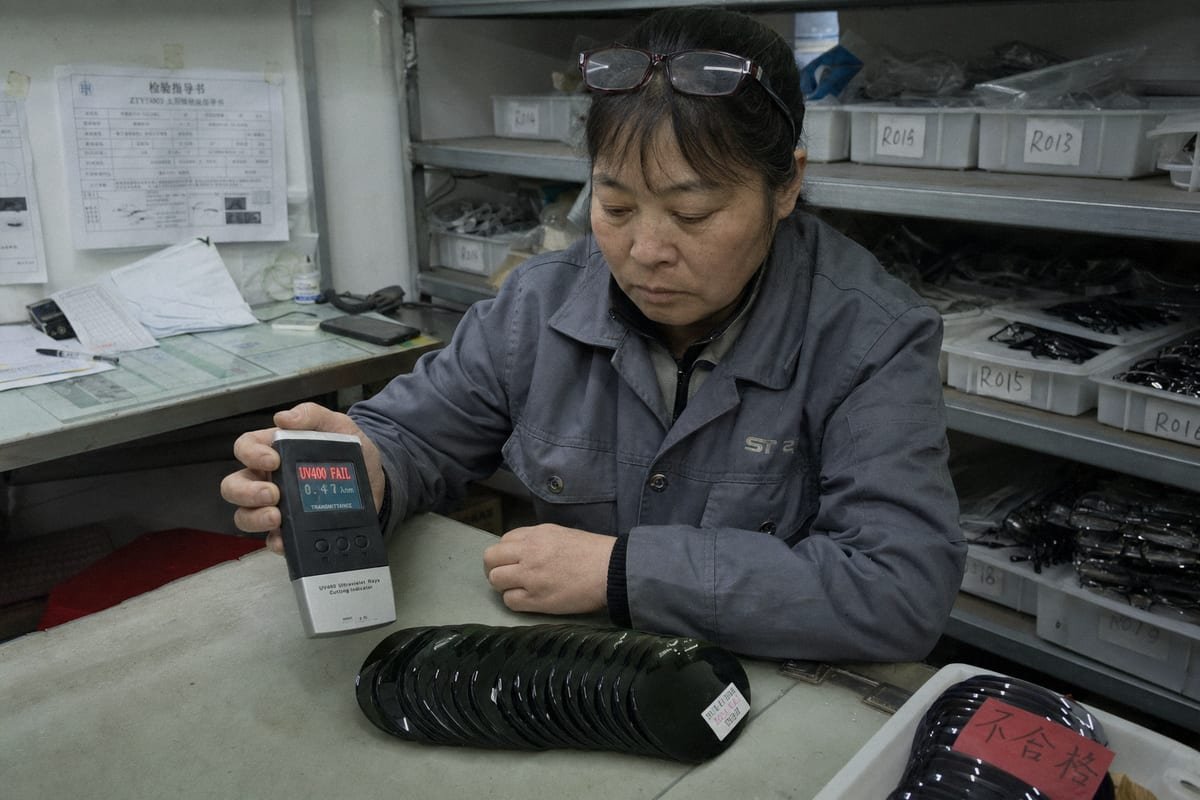
The most important thing to understand is this: darkness and protection are not the same thing. A dark lens without a UV filter is actually worse than no lens at all. The tint makes the pupil dilate, and the dilated pupil lets more unfiltered UV radiation into the eye. That is why we only fit UV400 protection lenses into our children's frames, and why we test transmission on incoming lens batches rather than trusting supplier paperwork alone.
Why Children Face Higher UV Risk Than Adults
Children spend far more hours outdoors than most adults. Their eyes are also still developing. The لم تتطور بعد الاصفرار الطبيعي الذي يقوم بتصفية بعض الأشعة فوق البنفسجية لدى البالغين. حدقاتهم أكبر وتتقلص ببطء أكبر عند الانتقال من الظل إلى الضوء الساطع. النتيجة بسيطة ومثيرة للقلق: يصل المزيد من إشعاع UVA و UVB إلى الهياكل الداخلية لعين الطفل أكثر من البالغ تحت ضوء الشمس المتطابق. 3 inside a child's eye is clearer, so it filters less UV before light reaches the retina. UV damage is cumulative across a lifetime. A large share of total lifetime exposure happens before adulthood. Protecting eyes early is the cheapest form of prevention available.
UV Exposure Does Not Take Days Off
Many parents assume sunglasses are only for sunny beach days. In reality, أشعة UVA و UVB 4 pass through cloud cover. Reflected UV from snow, water, and sand can nearly double exposure. Here is how different conditions compare:
| شرط | UV Exposure Level | Should Kids Wear Sunglasses? |
|---|---|---|
| Clear summer day | عالي جداً | المواد الكيميائية المقيدة في المنتجات |
| Cloudy or hazy day | معتدلة إلى عالية | Yes, UV penetrates clouds |
| Snow play in winter | Very high (reflection) | Yes, glare doubles exposure |
| Beach or lakeside | Very high (reflection) | Yes, water reflects UV |
| Everyday walks | معتدل | Yes, exposure accumulates |
There is one more benefit people rarely mention. The skin around a child's eyes is extremely thin. Well-fitted sunglasses shade the eyelids and periorbital area, which reduces sunburn risk on skin that sunscreen rarely reaches properly.
Why Does Flexible Material Matter for My Kids Sunglasses Designs?
One trade-off we weigh on every new mold is stiffness versus flex. A rigid frame holds its shape beautifully in a photo. On a three-year-old's face during playground time, it becomes a hazard.
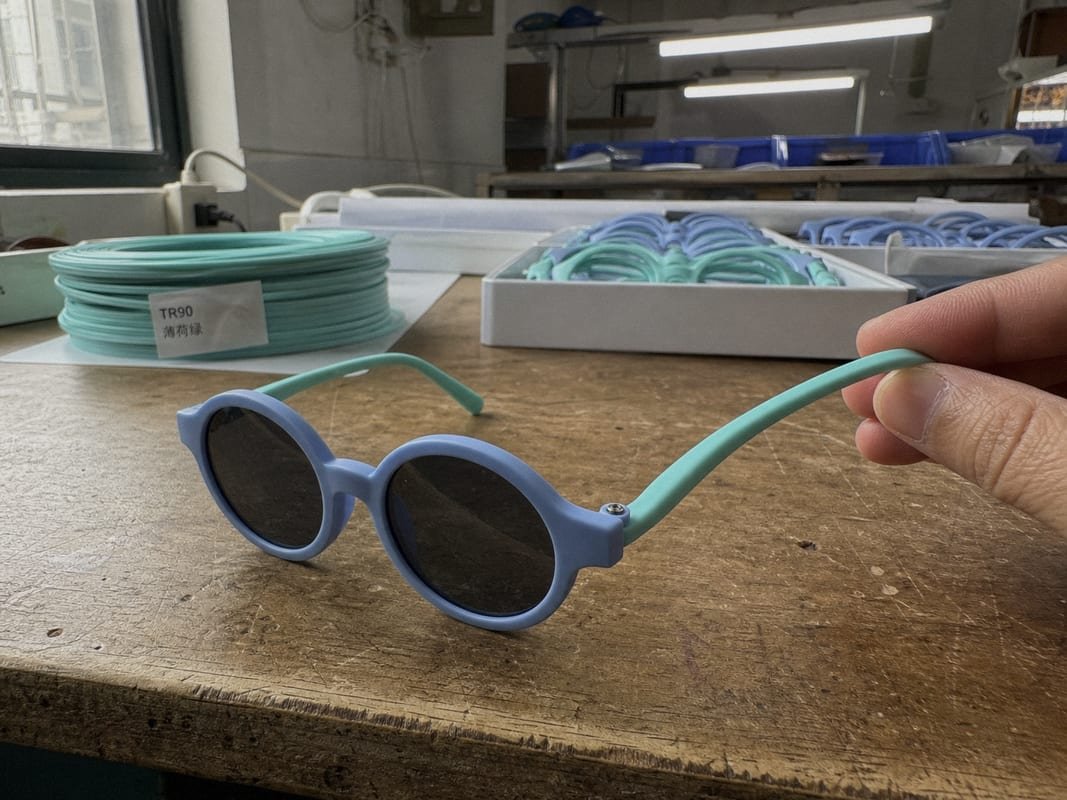
Flexible materials like TPEE and TR90 matter because children twist, drop, sit on, and sleep in their sunglasses. Flexible frames bend instead of snapping, eliminating sharp break points near the eyes, while their lightweight elasticity keeps frames comfortable and secure on small, active faces.
After fifteen years of making children's eyewear, I can tell you that most product failures in this category come from material choice, not design flaws. Hard, brittle plastics crack under the abuse kids deliver daily. A cracked frame near an eye is not a warranty issue. It is a safety issue.
How TPEE and TR90 Behave Differently
We build most of our roughly 800 existing styles around two materials, often combined: TR90 fronts with flexible TPEE temples. Each plays a distinct role.
| خاصية | TR90 | TPEE |
|---|---|---|
| المرونة | عالية - تعود إلى شكلها بعد الانحناء | عالية جدًا - مرونة ناعمة تشبه المطاط |
| الوزن | Extremely light | Extremely light |
| Feel on skin | Smooth, low-pressure | Soft, slightly rubberized grip |
| أفضل استخدام | الأذرع، إطارات أطفال مرنة بالكامل | Temples, full baby frames |
| ينحني ويعود، يقاوم الكسر | ينحني ويرتد | Deforms without sharp edges |
| Environmental profile | Recyclable, eco-friendlier | صديقة للبيئة |
Take our round pastel style with the periwinkle-blue front and mint-teal temples. The slightly rubberized, flexible finish is not a styling choice. It is what lets a toddler yank the temples outward at a ninety-degree angle without the hinge screw tearing out or the frame splitting.
Flexibility Pairs With the Right Lens
Frame flex only completes half the safety equation. We pair flexible frames with البولي كربونات 5 lens material because polycarbonate offers natural impact resistance and inherently blocks UV. When a soccer ball or a sibling's elbow arrives, the lens absorbs the hit instead of shattering. For B2B buyers, that pairing also reduces returns and protects your brand from the one review no children's brand can afford: a broken frame that hurt a child.
What Comfort Features Should I Look for in Children's Sunglasses?
A buyer from Australia once told me her previous supplier's frames were "perfect, except kids wouldn't wear them." That conversation changed how our team ranks features: comfort first, because uncomfortable sunglasses protect nobody.
Look for lightweight construction under 20 grams, soft rubberized temple tips, smooth edges with no pressure points, properly scaled nose bridges, and optional adjustable head straps for toddlers. A comfortable fit determines whether a child actually keeps the sunglasses on.

Comfort is the invisible function of kids sunglasses. UV400 protection means nothing if the frame gets pulled off after ninety seconds. So when we develop a new style, we start from how it feels, not how it looks.
The Comfort Checklist We Design Against
- Weight. Children's nose cartilage is soft. Heavy frames slide down and leave marks. TR90 and TPEE keep our frames feather-light.
- Temple pressure. Temples must grip without squeezing. Our sport styles end in slim, rubberized grips that hold during running and cycling.
- Nose bridge scaling. Kids have low, narrow nose bridges. Adult geometry scaled down does not work. The bridge must be shaped for a child's face from the start.
- تشطيب الحواف. Every rim and temple edge should be smooth and rounded. Our 5S-managed workshop checks this at final inspection because rough edges cause the fidgeting that leads to removal.
- Retention options. لـ babies and toddlers, adjustable head straps keep frames in place through naps in strollers and tumbles in sandpits.
- Coverage without contact. A wrap-around style shields eyes from wind and dust. It also reduces tear film evaporation 6, which helps prevent dry, irritated eyes on windy days.
Comfort also does quiet work for sensory-sensitive children. Reduced brightness and a soft, stable fit can make outdoor light less overwhelming for kids who find strong stimulation difficult. And there is a habit-building payoff: children who find sunglasses comfortable at age three tend to accept sun-safe routines, alongside hats and sunscreen, for years afterward. Comfort is not a luxury feature. It is the delivery mechanism for every other function.
Can Kids Sunglasses Support My Brand's Style and Market Appeal?
When we shipped our first private-label order for a European kids' outdoor brand years ago, the lesson stuck with me: safety gets a product approved, but style gets it reordered.
Yes. Kids sunglasses can carry a brand's identity through custom colors, lens coatings, logos, and packaging while keeping full protective function. Style drives compliance too — children wear sunglasses they love, which turns brand appeal into a genuine safety benefit.
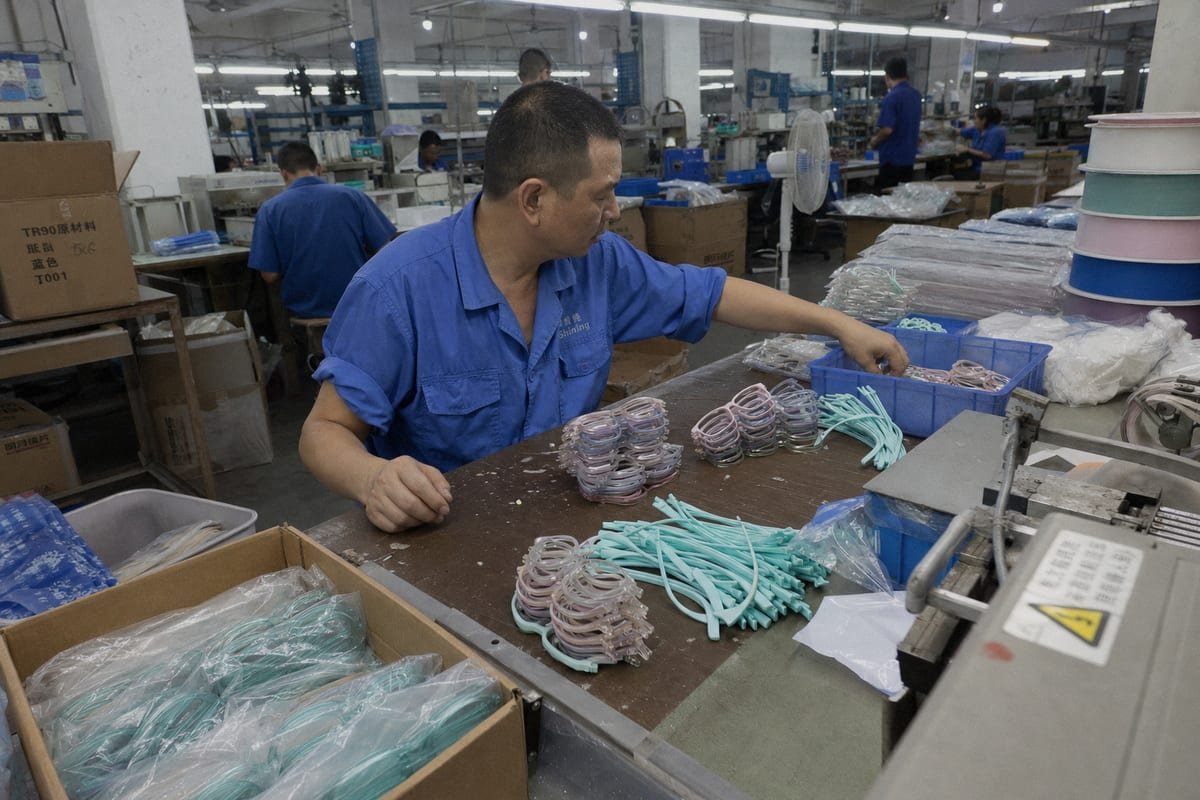
Style is a secondary function, but it is not a trivial one. In children's eyewear, the design a child chooses is the design a child wears. That makes aesthetics a compliance tool, and compliance is what delivers the UV protection and glare reduction you are actually selling.
Two Design Languages, One Safety Standard
Our catalog spans very different visual identities, and both can be built on the same protective foundation:
| Design Direction | Example Style | Target Positioning | Key Lens Option |
|---|---|---|---|
| Soft and playful | Round pastel frame, periwinkle front, mint-teal temples | Baby and toddler brands, minimalist retail | Grey UV400 lenses |
| Sporty and bold | Wrap-around shield, black or white frame, orange-to-gold mirrored lens | Kids' outdoor, cycling, and activewear brands | Polarized lenses with mirror coating |
The pastel round style works for brands selling calm, Scandinavian-influenced children's goods. Its clean, logo-free surfaces take subtle temple branding well. The أنماط الدروع الرياضية الخاصة بنا do the opposite job. The iridescent mirrored lens and aerodynamic silhouette make a shelf statement, while the wide single lens delivers real glare reduction for water, snow, and pavement — exactly where عدسات مستقطبة earn their keep.
Launching Without Heavy Mold Investment
For newer brands, tooling costs kill many eyewear projects before samples ship. This is why we maintain around 800 existing styles that buyers can customize with their own colors, logos, lens tints, and retail-ready packaging. You can test a market with modest quantities, learn what your customers respond to, and invest in fully custom OEM/ODM 7 molds once the data supports it. Style sells the first pair. Protection, comfort, and consistent quality sell the second.
الخلاصة
Kids sunglasses block UVA and UVB rays, cut glare, and shield eyes physically. Flexible materials, real comfort, and appealing design turn that protection into eyewear children actually wear daily.
ملاحظات ختامية
1. Authoritative National Eye Institute (NIH) page explaining macular degeneration causes and risks. ↩︎
2. FDA consumer guidance supports UV400 lens protection standards for sunglasses. ↩︎
3. Wikipedia explains the crystalline lens anatomy referenced regarding children’s eye development. ↩︎
4. WHO explains UV radiation types and health effects relevant to eye protection. ↩︎
5. Wikipedia background on polycarbonate material properties cited for impact-resistant lenses. ↩︎
6. NIH-affiliated source supports claim about wraparound coverage reducing tear film evaporation. ↩︎
7. Wikipedia clarifies OEM/ODM manufacturing terms used for custom eyewear production. ↩︎
مقالات أخرى قد تعجبك

هل تبحث عن شريك موثوق به للنظارات للأطفال؟
استكشف أكثر من 800 نمط جاهز ودعم OEM/ODM كامل مصمم خصيصًا لعلامتك التجارية.
اتصل بنا English
  Español de México
  Deutsch
  Français
  日本語
日本語  العربية
  Português do Brasil