ما هي تقنيات العدسات التي تستخدمها نظارات الأطفال الشمسية لحجب الأشعة فوق البنفسجية؟
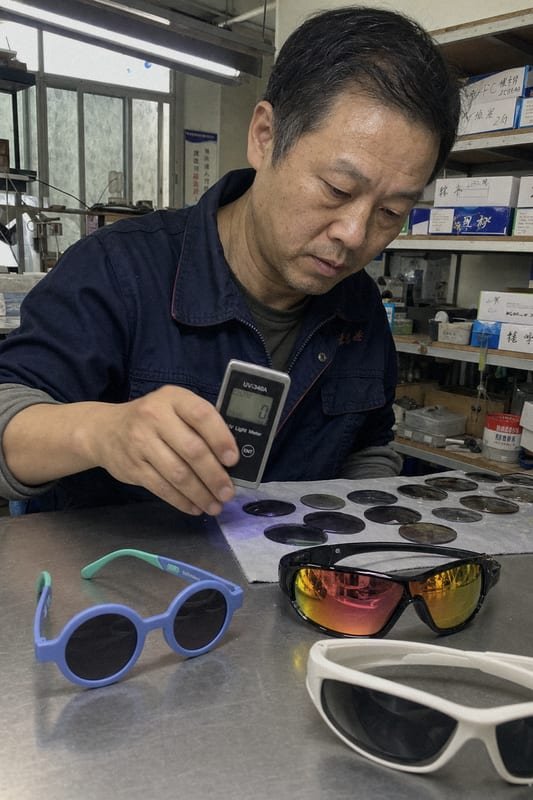
تقنيات عدسات نظارات الأطفال الشمسية تربك العديد من المشترين الذين ألتقي بهم. على خط الإنتاج الخاص بنا في تايتشو، أرى علامات تجارية تطلب عدسات داكنة لا تحجب سوى القليل من الأشعة فوق البنفسجية. هذا الخطأ يمكن أن يؤذي عيون الأطفال - وعلامتك التجارية.
نظارات الأطفال الشمسية تحجب الأشعة فوق البنفسجية بشكل أساسي من خلال عدسات البولي كربونات، ومادة الترايفكس، والتكنولوجيا الفوتوكرومية، وجميعها مصنفة للأشعة فوق البنفسجية 400. يحجب البولي كربونات بطبيعته 100% من الأشعة فوق البنفسجية الطويلة (UVA) والأشعة فوق البنفسجية القصيرة (UVB)، بينما ترفع الطلاءات والإضافات الماصة للأشعة فوق البنفسجية أنواع العدسات الأخرى إلى نفس المستوى.
لون الصبغة لا يخبرك شيئًا عن سلامة الأشعة فوق البنفسجية. مادة العدسة وتصنيفها المعتمد هما كذلك. دعني أرشدك خلال ما يهم حقًا عند شراء مستلزمات العناية بالعيون للأطفال.
ما هي معايير حماية الأشعة فوق البنفسجية التي يجب أن أبحث عنها عند شراء نظارات شمسية للأطفال؟
سألني مدير مشتريات من أستراليا ذات مرة لماذا كان لعدستين متطابقتين في المظهر سعران مختلفان. كانت الإجابة بسيطة: تم اختبار إحداهما لتتوافق مع UV400، والأخرى كانت مجرد بلاستيك مصبوغ.
ابحث عن حماية UV400، والتي تحجب جميع الأطوال الموجية حتى 400 نانومتر وتساوي تغطية 100% من الأشعة فوق البنفسجية UVA و UVB. تحقق أيضًا من علامة CE، ومعايير السلامة ANSI ذات الصلة، وتقييمات فئات العدسات. اللون الداكن وحده ليس دليلاً أبدًا على الحماية من الأشعة فوق البنفسجية.
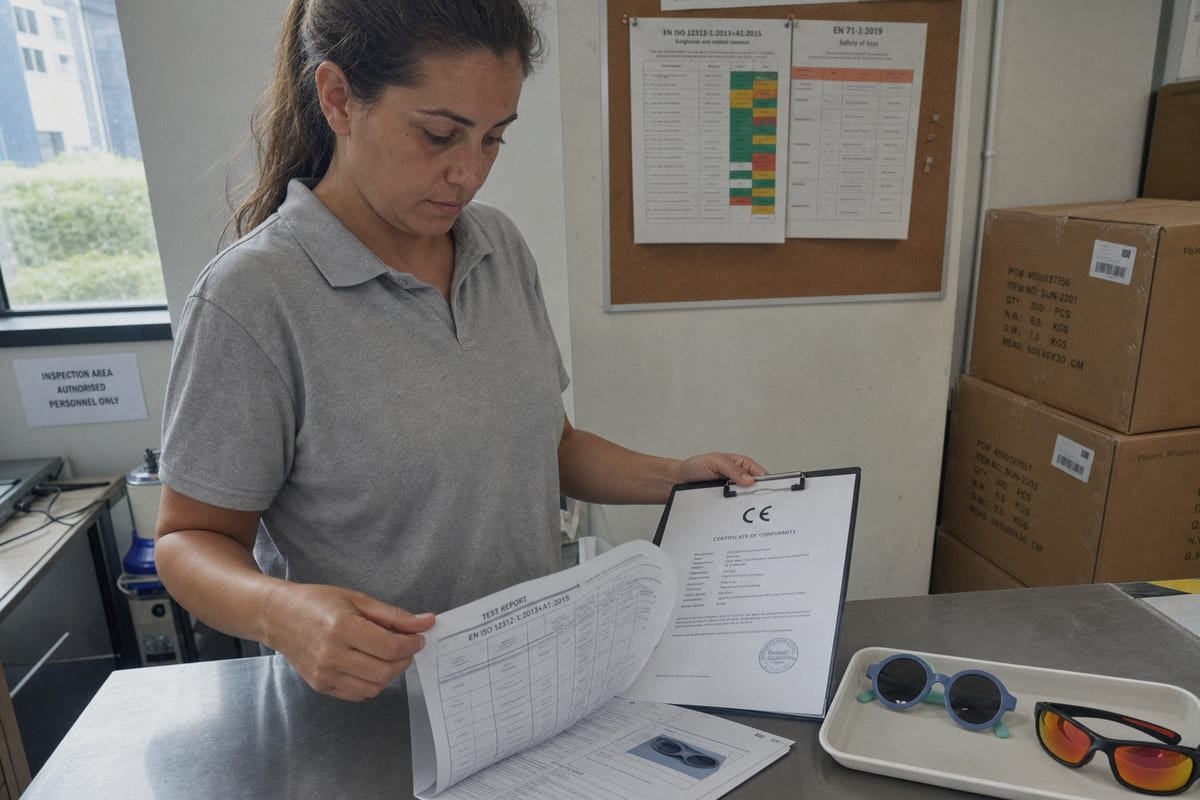
عندما يقوم فريقنا بإعداد وثائق التصدير للمشترين في أوروبا واليابان وأستراليا، يظهر سؤال المعايير في كل بريد إلكتروني تقريبًا. لذا إليك الشرح العملي الذي أشاركه عادةً.
شرح الملصقات الرئيسية
UV400 يعني أن العدسة تحجب كل ضوء الأشعة فوق البنفسجية حتى 400 نانومتر. هذا يغطي طيف UVA و UVB بالكامل. بعض العدسات تحمي فقط حتى 380 نانومتر. منظمة الصحة العالمية 1 و ICNIRP توصي بالحماية حتى 400 نانومتر بالكامل، وقد أشارت ZEISS علنًا إلى أن عدسات 380 نانومتر تترك فجوة. بالنسبة للأطفال، الذين تنقل عدسات أعينهم الأشعة فوق البنفسجية أكثر من عيون البالغين، فإن هذه الفجوة مهمة. نحن نركب عدسات UV400 فقط في إطارات أطفالنا لهذا السبب.
الـ علامة CE 2 يشير إلى أن المنتج يلبي متطلبات السلامة الأوروبية. في سوق الولايات المتحدة،, معايير السلامة ANSI 3 تحكم الجودة البصرية وأداء التأثير. في أستراليا ونيوزيلندا، ينطبق AS/NZS 1067، وهو أحد أشد معايير النظارات الشمسية صرامة في العالم.
المعايير في لمحة
| المعيار / الملصق | ما يؤكده | لماذا هو مهم للأطفال |
|---|---|---|
| يو في 400 | يحجب الأشعة فوق البنفسجية حتى 400 نانومتر | تغطية كاملة للأشعة فوق البنفسجية UVA و UVB |
| 100٪ أشعة فوق بنفسجية طويلة ومتوسطة | ادعاء استهلاكي مكافئ لـ UV400 | ملصق بسيط يثق به الآباء |
| علامة CE | الامتثال للسلامة الأوروبية | مطلوب للبيع بالتجزئة في أوروبا |
| ANSI Z80.3 | معايير بصرية وتأثيرية أمريكية | الامتثال للاستيراد لمشتري الولايات المتحدة |
| الفئة 3 | ظلام الصبغة للشمس الساطعة | الراحة، وليس شهادة للأشعة فوق البنفسجية |
تحذير واحد أقدمه لكل مشترٍ جديد: الفئة 3 تصف مدى قتامة العدسة، وليس مقدار الأشعة فوق البنفسجية التي تحجبها. عدسة من الفئة 3 بدون شهادة UV400 لا تزال غير آمنة. اطلب دائمًا من موردك كليهما.
كيف تختلف العدسات المستقطبة عن عدسات UV400 القياسية للأطفال؟
هناك مفاضلة نناقشها مع العلامات التجارية أسبوعيًا تقريبًا: العدسات المستقطبة تكلف أكثر، فهل الترقية تستحق خط إنتاج الأطفال الصغار؟ تعتمد الإجابة على فهم ما تفعله كل تقنية بالفعل.
عدسات مستقطبة تقوم بتصفية الموجات الضوئية الأفقية لتقليل الوهج من الماء والأسفلت والثلج، مما يحسن الراحة البصرية. عدسات UV400 تحجب الأشعة فوق البنفسجية الضارة. الاستقطاب وحده لا يحجب الأشعة فوق البنفسجية، لذا يجب أن تحمل نظارات الأطفال الشمسية دائمًا شهادة UV400، مع كون الاستقطاب ترقية اختيارية للراحة.
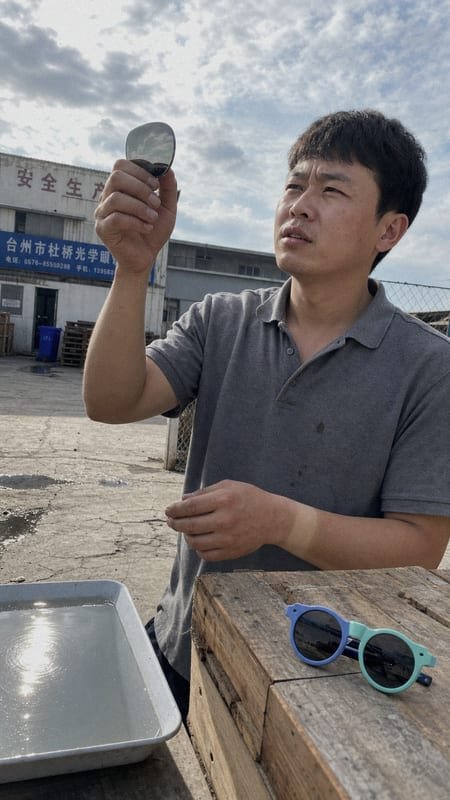
هاتان التقنيتان تحلان مشكلتين مختلفتين. الخلط بينهما هو الخطأ الأكثر شيوعًا في التوريد الذي أراه، لذا دعني أفصل بينهما بوضوح.
وظيفتان مختلفتان
| الميزة | عدسة UV400 | عدسة مستقطبة |
|---|---|---|
| الوظيفة الرئيسية | تحجب أشعة UVA و UVB | تقلل الوهج المنعكس |
| حماية الصحة | نعم - ميزة السلامة الأساسية | لا - ميزة راحة فقط |
| أفضل حالة استخدام | كل زوج من نظارات الأطفال الشمسية | الشاطئ، الرياضات المائية، الثلج، رحلات القيادة |
| تأثير التكلفة | أساسي | قسط معتدل |
| هل يمكن أن توجد بدون الأخرى؟ | نعم | نعم - وهذا هو الخطر |
المرشح المستقطب هو طبقة رقيقة تحجب موجات الضوء الأفقية. الوهج المنعكس عن بحيرة أو سطح ملعب مبلل يكون أفقيًا في الغالب، لذا تزيله المرشح. يقل تقطيب الأطفال لأعينهم، وتتعب أعينهم ببطء أكبر خلال أيام طويلة في الهواء الطلق. هذه قيمة حقيقية. لكن المرشح نفسه لا يفعل شيئًا ضد الأشعة فوق البنفسجية 4.
لهذا السبب، فإن خيارات العدسات المستقطبة لدينا دائمًا ما تكون مبنية كعدسات مستقطبة UV400 - الحماية من الأشعة فوق البنفسجية موجودة في مادة العدسة ومعالجتها, ، والطبقة المستقطبة تقع فوق هذا الأساس. في تجربتنا في التصدير إلى أكثر من 20 دولة، أصبحت UV400 المستقطبة هي المواصفات المميزة الافتراضية للعلامات التجارية للأطفال التي تركز على الهواء الطلق والشاطئ، بينما تظل UV400 القياسية آمنة تمامًا لارتداء الملعب اليومي.
تضيف بعض الخطوط المميزة الآن ترشيح ضوء HEV أو إدارة انتقائية للضوء الأزرق. تقوم هذه بترشيح الضوء المرئي عالي الطاقة لمزيد من الراحة والتباين. إنها عوامل تمييز مثيرة للاهتمام، لكنني دائمًا ما أقول للمشترين: احصلوا على أساس UV400 الصحيح أولاً.
هل يمكنني التحقق من جودة الحماية من الأشعة فوق البنفسجية قبل تقديم طلب بالجملة؟
في وقت مبكر من مسيرتي التصديرية، أرسل موزع عينة منافس اشتراها من مكان آخر. كانت الملصقات تقول UV400. جهاز قياس الطيف الخاص بنا قال خلاف ذلك. هذا الدرس شكل كيف نتعامل مع التحقق مع كل مشترٍ جديد.
نعم. اطلب عينات ما قبل الإنتاج واختبرها باستخدام مقياس الطيف الضوئي فوق البنفسجي، واطلب من المصنع تقارير اختبار العدسات ووثائق الشهادات، وتحقق من أوراق الامتثال لـ CE أو ANSI، وقم بتكليف اختبارات معملية من طرف ثالث للطلبات الكبيرة. ستدعم المصانع ذات السمعة الطيبة جميع الخطوات الأربع عن طيب خاطر.
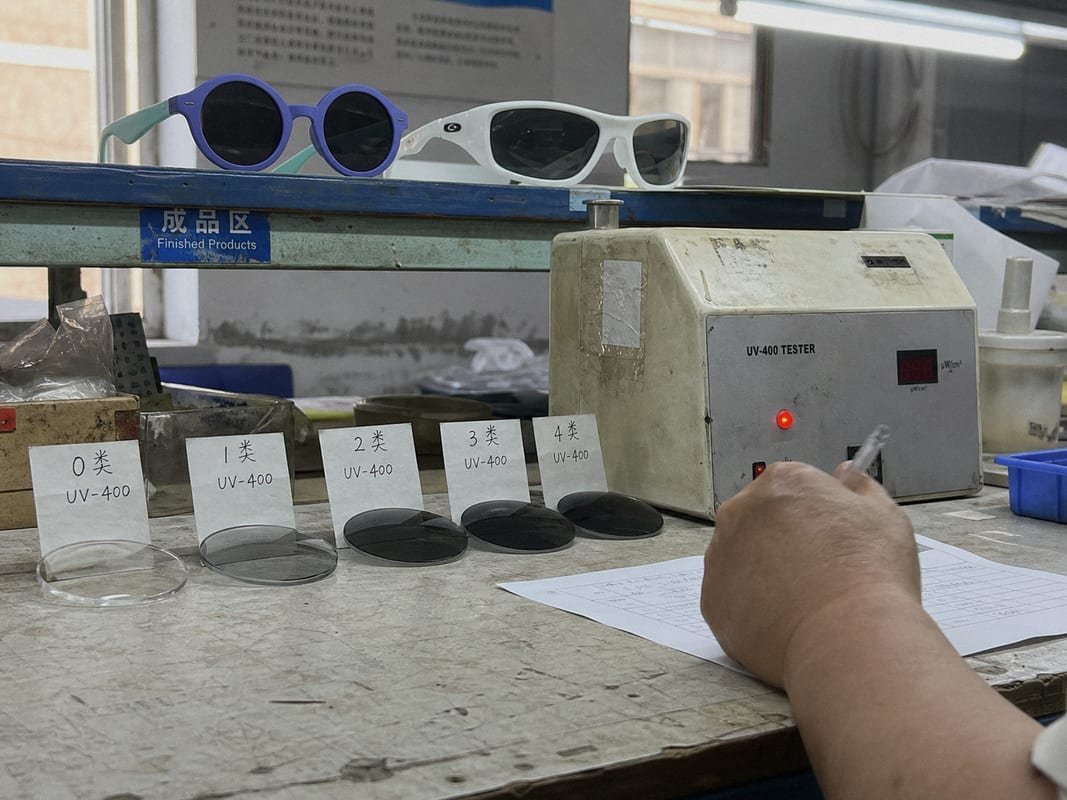
لا يحتاج التحقق إلى أن يكون معقدًا. إليك العملية التي نوصي بها للعلامات التجارية التي تشتري منا - وهي تنطبق على أي مورد تقوم بتقييمه.
عملية تحقق من أربع خطوات
- اطلب مواصفات العدسة الموثقة. اطلب ورقة بيانات مادة العدسة ومنحنى انتقال الأشعة فوق البنفسجية للمورد. المصنع الجاد لديه هذه الملفات. إذا تردد المورد أو أرسل إجابات غامضة، فاعتبر ذلك علامة حمراء.
- اختبر العينات المادية. يمكن للعديد من المحلات البصرية فحص انتقال الأشعة فوق البنفسجية في دقائق باستخدام مقياس الأشعة فوق البنفسجية. بالنسبة لطلب بالجملة، هذه الخطوة الصغيرة هي تأمين رخيص. نشجع المشترين على اختبار عيناتنا بشكل مستقل قبل الالتزام.
- تحقق من أوراق المطابقة. طابق إعلان المطابقة CE أو تقرير اختبار ANSI مع الطراز الدقيق الذي تطلبه، وليس فقط المصنع بشكل عام. يجب أن تشير الشهادات إلى المعيار، ومختبر الاختبار، وتاريخ حديث.
- قم بتكليف اختبارات طرف ثالث لكميات كبيرة. يمكن لمختبرات مثل SGS أو TÜV أو إنترتيك 5 اختبار انتقال الأشعة فوق البنفسجية، ومقاومة الصدمات، وحتى إطلاق النيكل في الأجزاء المعدنية. بالنسبة للحاويات المتجهة إلى أسواق صارمة مثل أستراليا أو الاتحاد الأوروبي، هذه ممارسة قياسية بين المشترين المحترفين.
كيف يجب أن يبدو مراقبة الجودة المستمرة
اختبار واحد في البداية لا يكفي. يمكن أن تختلف دفعات العدسات بين دورات الإنتاج. في ورشة العمل التي نديرها بنظام 5S، يتم فحص العدسات الواردة مقابل العينة المعتمدة قبل التجميع، وتخضع المنتجات النهائية للفحص قبل التعبئة. اطلب من المورد وصف مراقبة الجودة على مستوى الدفعة كتابيًا. المصنع الذي لديه خمسة عشر عامًا من الخبرة في مجال النظارات سيجيب بشكل محدد. تاجر يعيد بيع مخزون غير معروف عادة لا يستطيع.
الخلاصة بسيطة: ثق، ثم تحقق. ملصقات الشهادات هي بداية العناية الواجبة، وليست نهايتها.
ما هي مواد العدسات التي توفر أفضل توازن بين السلامة من الأشعة فوق البنفسجية والمتانة للأطفال النشطين؟
أسقط مهندسونا وثنوا واختبروا إجهاد عينات عدسات أكثر مما يمكنني عده على مدار خمسة عشر عامًا. الأطفال لا يتعاملون مع النظارات الشمسية بلطف، لذا فإن مسألة المواد هي في الواقع مسألة سلامة.
عدسات البولي كربونات توفر أفضل توازن شامل للأطفال النشطين: فهي تحجب بطبيعتها 100% من الأشعة فوق البنفسجية الطويلة (UVA) وفوق البنفسجية القصيرة (UVB) وتقاوم التكسر عند الاصطدام. تريفيكس بديل ممتاز بصريات أكثر حدة ووزن أخف، بينما تناسب العدسات المتلونة ضوئيًا الأطفال الذين يتنقلون بين الداخل والخارج.
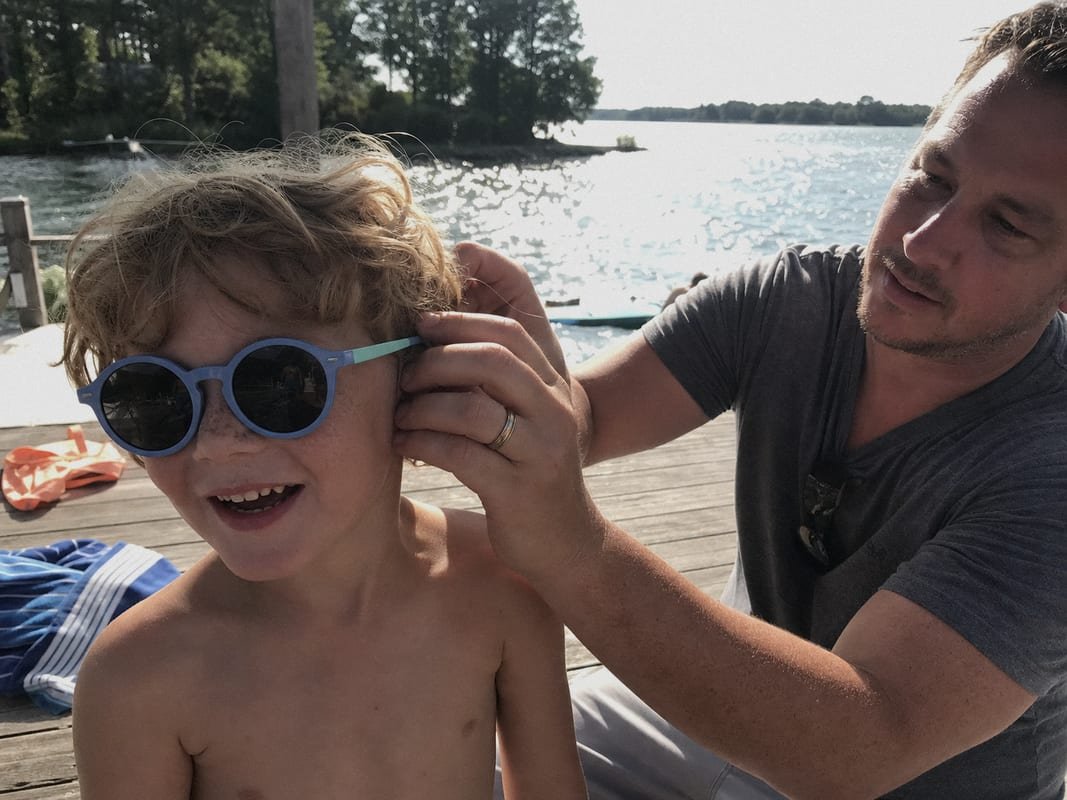
يؤدي اختيار المواد إلى السلامة والوزن والبصريات والتكلفة دفعة واحدة. إليك كيف تقارن الخيارات الرئيسية في الإنتاج الفعلي.
مقارنة المواد
| مادة العدسة | حجب الأشعة فوق البنفسجية | مقاومة الصدمات | الوزن | الموضع النموذجي |
|---|---|---|---|---|
| البولي كربونات | حماية مدمجة 100% UVA/UVB | ممتازة | خفيف جدا | معيار الصناعة للأطفال |
| مادة Trivex 6 | حماية مدمجة 100% من الأشعة فوق البنفسجية | ممتازة | أخف وزنًا | بديل متميز |
| فينيكس (هوايا) | حماية تلقائية 100% من الأشعة فوق البنفسجية | ممتازة | خفيف جدا | خيار متميز ذو علامة تجارية |
| فوتوكروميك | حماية 100% من الأشعة فوق البنفسجية، صبغة متكيفة | يعتمد على المادة الأساسية | خفيف | الاستخدام الطبي والنظارات اليومية |
| CR-39 / أكريليك قياسي | يتطلب طلاء للأشعة فوق البنفسجية | معتدل | خفيف | نظارات البالغين الاقتصادية - تجنبها للأطفال |
لماذا تتصدر البولي كربونات
البولي كربونات هو العمود الفقري لنظارات الأطفال لسبب وجيه. يمتص البوليمر نفسه الأشعة فوق البنفسجية، لذلك لا يمكن أن تتآكل الحماية أو تتلاشى - إنها موجودة في المادة. كما أنها قوية للغاية. تنحني وتمتص الصدمات بدلاً من التشقق إلى شظايا حادة، وهذا بالضبط ما تريده بالقرب من وجه الطفل. نقوم بإقران عدسات البولي كربونات بطلاء مقاوم للخدش، لأن نعومة المادة هي ضعفها الوحيد في الملعب.
أين تتناسب Trivex والصور الفوتوكرومية
توفر مادة Trivex مقاومة صدمات مماثلة مع وضوح بصري أفضل ووزن أقل. تكلف أكثر، لذا فهي تظهر عادة في خطوط الإنتاج المتميزة أو القريبة من الوصفات الطبية. تتعتّم تقنية الصور الفوتوكرومية في ضوء الشمس وتصبح شفافة في الداخل مع حجب 100% من الأشعة فوق البنفسجية في جميع الأوقات - نظام Mayo Clinic الصحي 7 يؤكد هذا. إنه خيار ذكي للأطفال الذين يعانون من حساسية الضوء أو الذين يرتدون النظارات طوال اليوم.
العدسة هي نصف قصة السلامة فقط. عدسة قوية في إطار هش لا تزال تفشل. لهذا السبب نصنع إطاراتنا من TR90 و TPEE المرنة - مواد تلتوي وترتد بدلاً من أن تنكسر. عندما تختار العلامات التجارية من بين حوالي 800 تصميم موجود لدينا، فإننا دائمًا ما نطابق تقنية العدسة مع مرونة الإطار، بحيث تكون الزوج النهائي مقاومًا للملعب كنظام كامل، وليس فقط عند العدسة.
الخلاصة
حماية UV400 المعتمدة - وليس قتامة الصبغة - هي ما يحافظ على سلامة عيون الأطفال. اختر البولي كربونات أو Trivex، وتحقق من تقارير الاختبار، وعامل الاستقطاب كترقية للراحة، وليس كضمان أساسي.
ملاحظات ختامية
مصدر موثوق به بشأن التعرض للأشعة فوق البنفسجية وعتبات الحماية الموصى بها للعين. ↩︎
صفحة الاتحاد الأوروبي الرسمية التي تشرح متطلبات علامة CE المشار إليها للتحقق من المطابقة. ↩︎
الموقع الرسمي لـ ANSI يوضح معايير السلامة التي تحكم المنتجات البصرية الأمريكية. ↩︎
مورد وكالة حماية البيئة يشرح مخاطر الأشعة فوق البنفسجية المتعلقة بحماية عيون الأطفال. ↩︎
الموقع الرسمي لمختبر الاختبار التابع لجهة خارجية المذكور للتحقق من انتقال الأشعة فوق البنفسجية. ↩︎
مرجع خلفي حول خصائص مادة عدسة Trivex وتطويرها. ↩︎
مصدر طبي رسمي يؤكد أن العدسات المتغيرة اللون تحافظ على حماية كاملة من الأشعة فوق البنفسجية. ↩︎
مقالات أخرى قد تعجبك



هل تبحث عن شريك موثوق به للنظارات للأطفال؟
استكشف أكثر من 800 نمط جاهز ودعم OEM/ODM كامل مصمم خصيصًا لعلامتك التجارية.
اتصل بنا English
  Español de México
  Deutsch
  Français
  日本語
日本語  العربية
  Português do Brasil