ما هي الاعتبارات الرئيسية لتوريد نظارات شمسية للأطفال لليابان؟
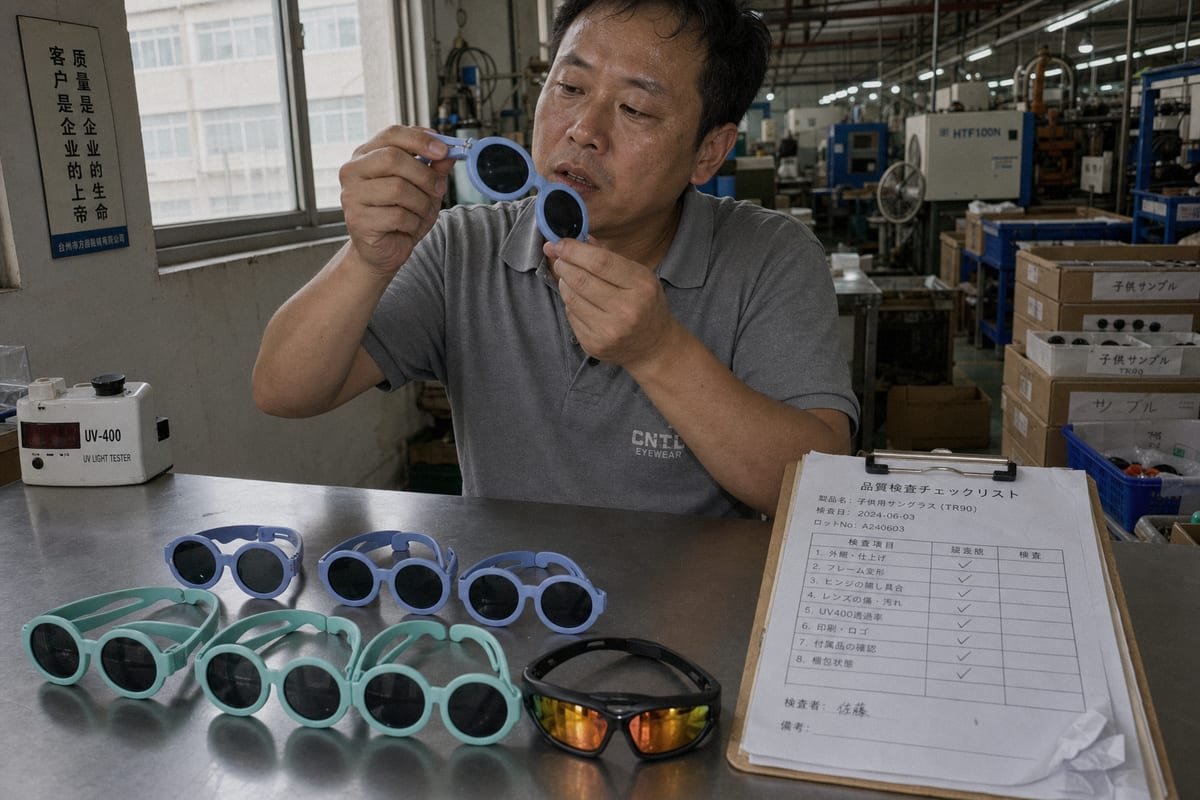
تسبب توريد نظارات شمسية للأطفال لليابان في إرباك العديد من المشترين الذين عملت معهم في خط الإنتاج الخاص بنا. ترفض اليابان المواصفات الغامضة بسرعة. الخطأ في ذلك يهدر شهورًا. إليك كيفية القيام بذلك بشكل صحيح.
يتطلب توريد نظارات شمسية للأطفال لليابان حماية مؤكدة من الأشعة فوق البنفسجية 400، وجودة عدسة متوافقة مع معايير JIS، ومواد مرنة غير سامة وخالية من BPA مثل TPEE أو TR90، ومقاسات تناسب الآسيويين مع جسر أنف منخفض، ووثائق كاملة باللغة اليابانية، ومصنع يتمتع بقدرة مثبتة على فحص مراقبة الجودة وقدرة تصنيع المعدات الأصلية (OEM).
يغطي هذا الرد الأساسيات. لكن كل نقطة تخفي تفاصيل حقيقية. دعنا نمر عبر معايير السلامة والمواد والمقاسات واختيار المورد واحدًا تلو الآخر.
ما هي معايير السلامة والجودة التي يجب التحقق منها للسوق الياباني؟
طلب موزع ياباني ذات مرة من مصنعنا تقارير اختبار الأشعة فوق البنفسجية الخاصة بكل دفعة قبل أن ينظر حتى في العينات. علمني هذا الطلب مدى اعتماد هذا السوق على الوثائق حقًا.
بالنسبة لليابان، تحقق من حماية UV400 بتقارير معملية، جودة العدسة البصرية متوافقة مع معايير JIS T 8141، الامتثال لقانون سلامة المنتجات الاستهلاكية، سلامة المواد بموجب قانون سلامة الأغذية للأطفال دون سن السادسة، وملصقات يابانية واضحة توضح نسبة انتقال الأشعة فوق البنفسجية.
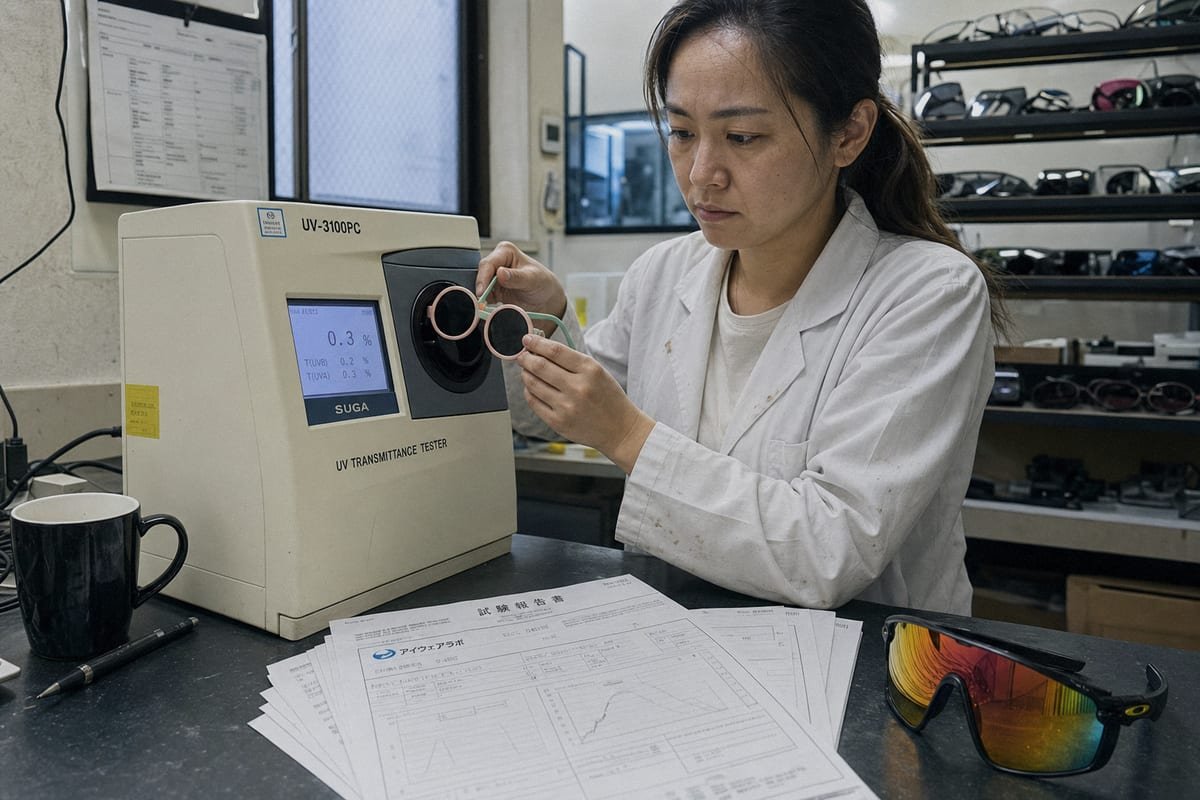
تتعامل اليابان مع نظارات الأطفال كمنتج صحي أولاً وعنصر أزياء ثانيًا. هذا العقلية تشكل كل محادثة امتثال. في خمسة عشر عامًا من تصنيع نظارات الأطفال، لم يطلب أي سوق أوراقًا أكثر نظافة من اليابان.
تأتي حماية الأشعة فوق البنفسجية أولاً
تعد حماية UV400 هي الحد الأدنى غير القابل للتفاوض. يتوقع قانون المستهلك الياباني وضع علامات شفافة توضح النسبة الفعلية نسبة انتقال الأشعة فوق البنفسجية 1, ، وليس مجرد ادعاء غامض "واقي من الأشعة فوق البنفسجية". لذا اطلب تقارير معملية مستقلة قبل أخذ العينات. ادعاءات التسويق ليست دليلاً. نحن نقدم بيانات اختبار مع كل دفعة تصدير لهذا السبب بالضبط، ويقوم المشترون اليابانيون دائمًا بفحصها.
جودة العدسة البصرية
تغطي معايير JIS T 8141 2 توازي العدسة وقوتها الانكسارية. العدسات المصنوعة بشكل سيء تسبب إجهاد العين والصداع، ولا يستطيع الأطفال دائمًا شرح هذا الانزعاج. العدسات المقاومة للصدمات مهمة بنفس القدر. الأطفال يسقطون نظاراتهم الشمسية ويجلسون عليها ويرمونها. البولي كربونات المقاوم للكسر هو الخيار الآمن الافتراضي.
سلامة المنتج ووضع العلامات
إليك قائمة سريعة بما يجب التحقق منه:
| المعيار أو القانون | ما يغطيه | ما يجب طلبه |
|---|---|---|
| تغطي معايير JIS T 8141 | جودة العدسة البصرية، القوة الانكسارية | بيانات الاختبار البصري |
| قانون سلامة المنتجات الاستهلاكية | السلامة العامة للمنتجات في اليابان | تأكيد الامتثال |
| قانون سلامة الأغذية 3 | سلامة المواد للأطفال دون سن السادسة | شهادات سلامة المواد |
| توقعات وضع العلامات على الأشعة فوق البنفسجية | الكشف عن نسبة انتقال الأشعة فوق البنفسجية | تقارير معملية UV400 لكل دفعة |
تحذير صادق واحد: تتغير اللوائح، وتختلف التفسيرات حسب فئة المنتج. قم دائمًا بتأكيد تخليص جمارك الاستيراد 4 الحالية ومتطلبات وضع العلامات مع المشتري الياباني الخاص بك أو مستشار امتثال محلي قبل الالتزام بالإنتاج بالجملة.
كيف أختار مواد الإطار التي تناسب تفضيلات المستهلك الياباني؟
هناك مفاضلة نزنها في كل تصميم جديد للأطفال: الإطارات الصلبة تبدو أكثر فخامة في الصور، لكن الإطارات المرنة تصمد أمام الأطفال الحقيقيين. بالنسبة لليابان، نوصي دائمًا بالمرونة.
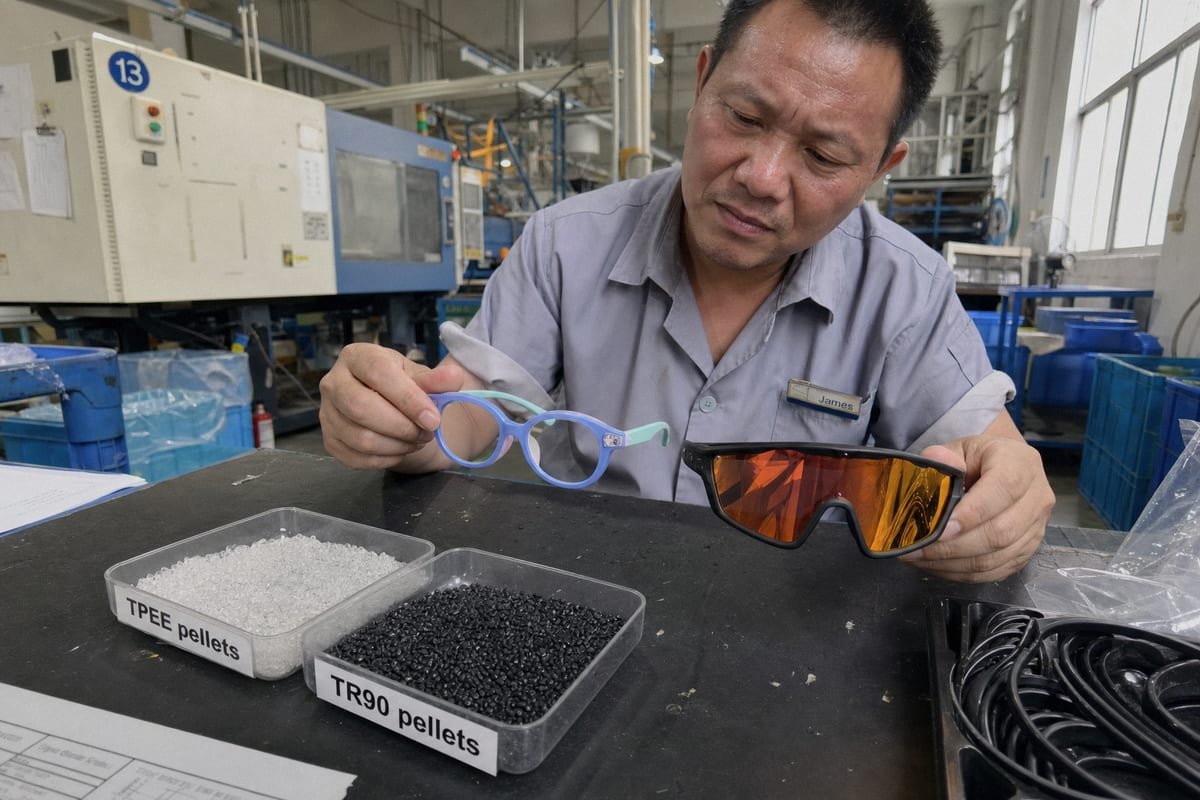
اختر مواد مرنة خالية من BPA والرصاص مثل TPEE أو TR90 للسوق الياباني. هذه تتحمل الالتواء واللعب الخشن، وتشعر بالخفة على الوجوه الصغيرة، وتلبي توقعات سلامة المواد للأطفال الصغار، ولا تزال قادرة على تحقيق اللمسة النهائية غير اللامعة النظيفة التي يفضلها الآباء اليابانيون.

يحدد اختيار المادة ما إذا كان إطار الأطفال يدوم لصيف واحد أو ثلاثة. يربط المستهلكون اليابانيون الجودة بالمتانة، لذا فإن الإطار الذي ينكسر عند المفصل يضر بعلامتك التجارية بسرعة. وجد مهندسونا أن المزيج الأكثر مبيعًا للأطفال النشطين هو مقدمة TR90 مع أذرع TPEE. يمنح TR90 الإطار ذاكرته الشكلية وخفة وزنه. مادة TPEE المرنة تسمح للأذرع بالانحناء بشكل مسطح تقريبًا دون كسر، مما يحمي كل من الإطار ووجه الطفل أثناء اللعب.
لماذا المرونة تتفوق على المظهر الصلب
إطار أسيتات صلب يلتقط صورًا جميلة. ولكن عندما يسحبه طفل صغير جانبيًا، يتشقق الأسيتات. ينحني TPEE ويعود إلى وضعه. بالنسبة للأطفال دون سن السادسة، تأتي توقعات قانون سلامة الأغذية في اليابان أيضًا في الاعتبار، لأن الأطفال الصغار يمضغون أطراف الأذرع. لهذا السبب فإن البلاستيك الخالي من BPA والملونات الخالية من الرصاص ضروريان، وليسا اختياريين.
مقارنة المواد في لمحة
| المواد | المرونة | الوزن | سلامة الطفل | أفضل استخدام |
|---|---|---|---|---|
| TPEE | عالي جداً | خفيف جدا | ممتاز، لطيف على البشرة | الأطفال الصغار، الرضع |
| TR90 | مرتفع | خفيف | ممتاز، مضاد للحساسية | إطارات للأعمار من 3 إلى 12 سنة |
| سيليكون (درجة غذائية) | عالي جداً | خفيف | ممتازة | نظارات شمسية للأطفال الرضع |
| بولي كربونات/أسيتات قياسي | منخفض | متوسط | مقبول ولكنه هش | الأطفال الأكبر سنًا، خطوط الميزانية |
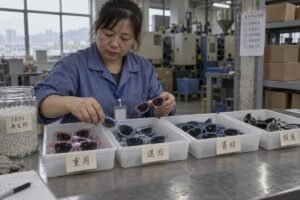
زاوية أخرى: جودة التشطيب. يلاحظ تجار التجزئة اليابانيون خطوط القولبة، والألوان غير المتساوية، والحواف الخشنة على الفور. في خطنا، نحافظ على تماسك أكبر اللون وتفاوتات القولبة 5 للطلبات المتجهة إلى اليابان لأن التشطيب الناعم غير اللامع الباستيل، مثل الإطارات المستديرة باللون الأزرق السماوي والنعناعي التي ننتجها، يُنظر إليه على أنه "آمن ولطيف" من قبل الآباء اليابانيين. هذا التصور يبيع.
ما هي تفاصيل التصميم والمقاسات الأكثر أهمية للأطفال اليابانيين؟
في وقت مبكر من عملنا التصديري، أعاد مشترٍ العينات لأن وسادات الأنف كانت منخفضة جدًا على وجوه الأطفال اليابانيين. لامست العدسات خدودهم. أعدنا تصميم الجسر، وجاء الطلب الجديد في غضون شهر.
يحتاج الأطفال اليابانيون إلى إطارات تناسب الآسيويين بجسر أنف أعلى، وزوايا معبد معدلة، وأحجام مصنفة حسب العمر بناءً على عرض الرأس والمسافة بين الحدقتين. يجب أن تفضل التصميمات الألوان الهادئة، والأشكال المستديرة الكلاسيكية، والحواف المستديرة، ومقابض المعبد المانعة للانزلاق حتى تبقى الإطارات ثابتة ومناسبة للمدرسة.
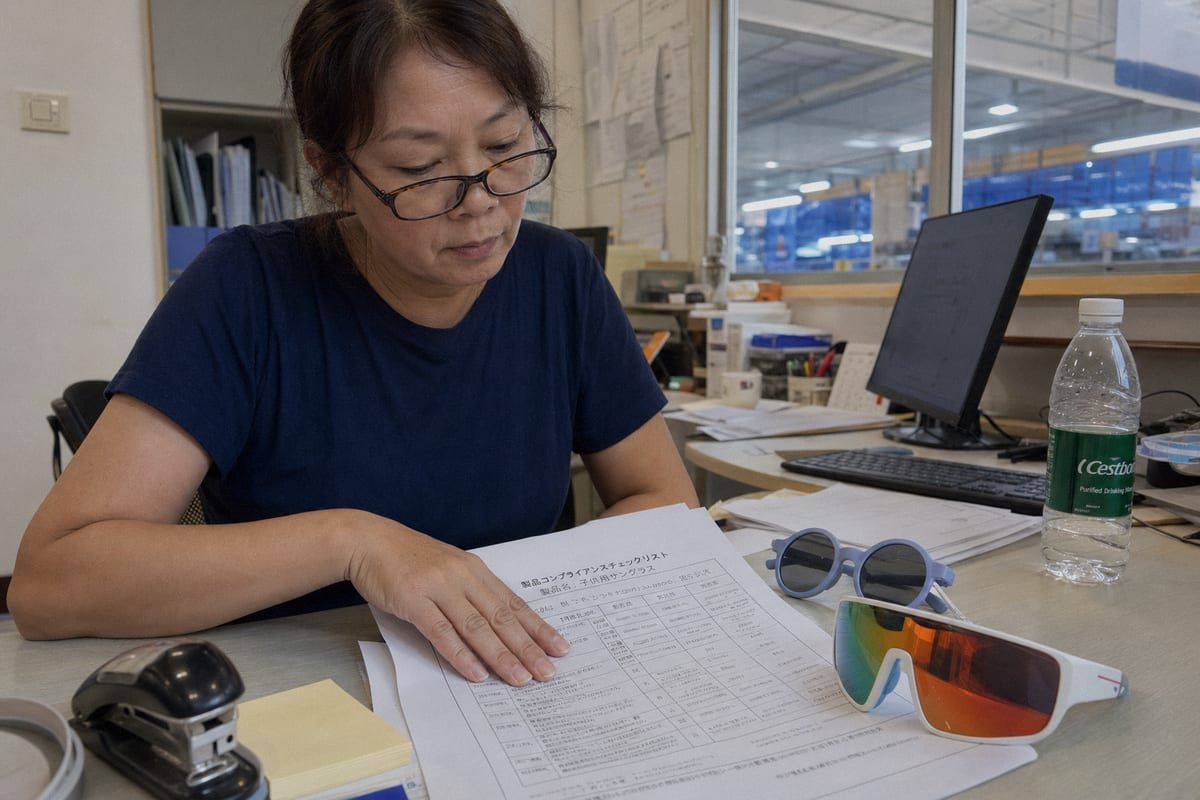
المقاس هو مواصفات، وليس فكرة لاحقة. الإطار المصمم على متوسطات الوجه الغربية سينزلق عن أنف الطفل الياباني في غضون دقائق. هذا هو المكان الذي تثبت فيه هندسة ملاءمة الجسر المنخفض قيمتها: جسر أنف أطول وأكثر دعمًا، وميل عدسة مخفض قليلاً، وأذرع معبد بزاوية للإمساك دون قرص. إذا انزلقت الإطار، فإن الطفل يخلعه، وحتى أفضل عدسة UV400 لا تحمي أي شخص يجلس في حقيبة ظهر.
الحجم حسب نطاق العمر، وليس مقاس واحد يناسب الجميع
نوصي بما لا يقل عن ثلاث نطاقات عمرية, ، لكل منها منحنى وجهها الخاص، ونطاق المسافة بين الحدقتين، وعرض الرأس:
- الأطفال الصغار (حوالي 1-3 سنوات): أقصى قدر من المرونة، TPEE ناعم بالكامل، حزام اختياري.
- الطفل الصغير (حوالي 4-7 سنوات): واجهة TR90، معابد TPEE، وسادات أنف سيليكون.
- الطفل الأكبر سنًا (حوالي 8-12 سنة): أقرب إلى هندسة البالغين، خيارات رياضية أكثر.
إشارات التصميم التي تناسب الثقافة اليابانية
تشكل الثقافة التصميم أكثر في اليابان من أي مكان آخر نشحن إليه تقريبًا. حملت النظارات الشمسية تاريخيًا صورة "مبهرجة" أو حتى متمردة هناك. هذا يتغير. تسمح المزيد من المدارس الآن بالنظارات الشمسية لأسباب صحية للأشعة فوق البنفسجية، و برنامج GIGA School 6 وضع جهازًا رقميًا في يد كل طالب، مما زاد من اهتمام الوالدين بخيارات تصفية الضوء الأزرق أيضًا. ومع ذلك، فإن توافق الزي المدرسي مهم: الألوان الباستيل الهادئة، والعدسات الفحمية، والصور الظلية المستديرة الكلاسيكية تتفوق على الأشكال الجديدة الصاخبة. بالنسبة لخطوط الرياضة، فإن نمط الدرع الواقي مع العدسات المستقطبة والطلاءات العاكسة يعمل بشكل جيد لنوادي ركوب الدراجات والنوادي الخارجية، ويضاعف الغطاء الجانبي الحماية من حبوب اللقاح Kafunsho خلال موسم الحساسية. الحواف المستديرة، والمفصلات الناعمة، ومقابض المعبد المطاطية تكمل صورة السلامة.
كيف يمكنني العثور على شريك تصنيع موثوق به لسوق اليابان؟
أخبرتني مديرة مشتريات من علامة تجارية للأطفال في الهواء الطلق ذات مرة أنها أتلفت موسمين مع مورد لم يتمكن من مطابقة الألوان بين الدفعات. هذا الحديث هو سبب توقيعنا الآن على عينة رئيسية لكل طلب.
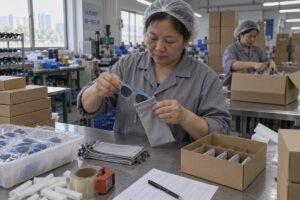
اختر شريك تصنيع معدات أصلية للنظارات مع فحص موثق لمراقبة الجودة، وعينات رئيسية، واختبار دفعات، وتفاوتات صارمة في الألوان والقوالب، وحدود طلبات الحد الأدنى المرنة، وخبرة الامتثال مع اليابان، وتواصل واضح. إعطاء الأولوية لمصنع حقيقي به أنماط أطفال موجودة بدلاً من أقل سعر.
اختيار المورد هو المكان الذي ينجح أو يفشل فيه معظم مشاريع السوق اليابانية. تكافئ ثقافة التوريد اليابانية الوضوح والرسمية والاتساق. المورد الذي يجيب ببطء أو يشحن دفعات غير متسقة لن ينجو من علاقة مع موزع ياباني، بغض النظر عن مدى جودة العينة الأولى.
قائمة التحقق التقييمية التي سأستخدمها
| منطقة التقييم | ما يبدو جيدًا | علامة حمراء |
|---|---|---|
| المصنع مقابل التاجر | ورشة عمل حقيقية، إنتاج مرئي، إدارة 5S | لا يتم تقديم جولة في المصنع |
| مراقبة الجودة | عينة رئيسية، عمليات تفتيش أثناء الخط والدفعة النهائية | "ثق بنا" بدون سجلات مراقبة الجودة |
| التوثيق | تقارير مختبر الأشعة فوق البنفسجية، شهادات المواد، أدلة باللغة اليابانية | التردد في مشاركة بيانات الاختبار |
| المرونة | طلبات تجريبية ذات حد أدنى للكمية، مكتبة أنماط موجودة واسعة | حد أدنى كبير للكمية قبل أي اختبار للسوق |
| التخصيص | ألوان مخصصة، شعارات، عدسات، تغليف جاهز للبيع بالتجزئة | منتجات مخزنة فقط، لا يوجد OEM/ODM |
| التواصل | سريع، منظم، صادق بشأن أوقات التسليم | إجابات غامضة، وعود متغيرة |
التوريد المحلي في اليابان مقابل التوريد الخارجي
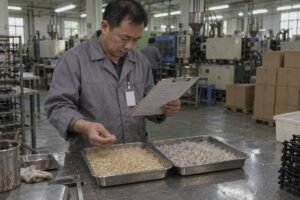
هناك مقايضة حقيقية هنا. تقدم المصانع اليابانية إشارات جودة قوية وتعاونًا سهلاً، ولكن تكاليف الوحدة 7 مرتفعة، وهو أمر صعب بالنسبة لفئة الأطفال حيث يكبر الأطفال بسرعة. مصنع خارجي ذو خبرة مع مراقبة جودة منضبطة يمنحك جودة جاهزة لليابان بهوامش قابلة للتطبيق. من جانبنا، نخدم المشترين في أكثر من عشرين دولة من ورشة عمل تضم حوالي 120 عاملاً في تايتشو، ومكتبتنا التي تضم حوالي 800 نمط موجود يسمح للعلامة التجارية باختبار السوق اليابانية دون استثمار كبير في القوالب. ابدأ بطلب مختلط صغير، وتحقق من الملاءمة والمبيعات، ثم قم بالتوسع.
نقطة عملية أخيرة: فكر في توثيق أسلوب Omotenashi مبكرًا. أدلة السلامة باللغة اليابانية، وتقارير الاختبار الخاصة بالدفعة، ووضع العلامات النظيفة تسهل تخليص الجمارك عند الاستيراد وتبني ثقة تجار التجزئة. الشريك الذي أعد هذه الأمور من قبل سيوفر عليك أسابيع.
الخلاصة
تكافئ اليابان النظارات الشمسية للأطفال الموثوقة والموثقة جيدًا. تحقق من محاذاة UV400 و JIS، واختر مواد آمنة مرنة، وصمم مقاسات ملاءمة آسيوية، وتعاون مع مصنع مثبت ومدفوع بمراقبة الجودة.
ملاحظات ختامية
مدخل ويكيبيديا يشرح كيف تقوم النظارات الشمسية بتصفية الأشعة فوق البنفسجية ومستويات الإرسال. ↩︎
2. Official Japanese Industrial Standards body verifies lens optical quality requirements. ↩︎
3. Japan’s health ministry outlines material safety rules under this law for children’s products. ↩︎
4. Official Japan Customs guide for procedures and regulations regarding the importation of goods. ↩︎
5. Technical definition of engineering tolerances required for high-quality manufacturing consistency. ↩︎
6. Japan’s education ministry runs this program, relevant to rising blue light filtering interest. ↩︎
7. Wikipedia entry defining unit cost and its importance in manufacturing and production economics. ↩︎
مقالات أخرى قد تعجبك
هل تبحث عن شريك موثوق به للنظارات للأطفال؟
استكشف أكثر من 800 نمط جاهز ودعم OEM/ODM كامل مصمم خصيصًا لعلامتك التجارية.
اتصل بنا English
  Español de México
  Deutsch
  Français
  日本語
日本語  العربية
  Português do Brasil