What to Do If Nose Pads on Kids’ Optical Frames Turn Yellow or Crack?

Yellowed nose pads on kids’ optical frames are one of the most common quality complaints our factory hears from brand buyers. It looks small, but it drives returns and damages trust.
If nose pads on kids’ optical frames turn yellow or crack, replace them rather than clean them, because yellowing signals permanent material oxidation. For brands, the lasting fix is switching to integrated TPEE or TR90 nose pad designs and better silicone specifications at the manufacturing stage.
Parents can swap pads at home. But if you run an eyewear brand, the real answer sits deeper — in material choice and frame design. Let me walk you through both levels.
What Causes the Nose Pads on Kids' Optical Frames to Turn Yellow or Crack?
A buyer from Australia once mailed us a returned frame with pads that had turned amber in eight months. Our lab traced it to sunscreen residue plus cheap silicone — a preventable combination.
Nose pads yellow and crack because of oxidation and discoloration driven by UV exposure, sweat, skin oil buildup, sunscreen chemicals, and heat. Low-grade porous silicone absorbs these contaminants, ages faster, hardens, and eventually splits. Cleaning removes surface grime, but it cannot reverse oxidized material.

Kids are the worst-case scenario for nose pad materials. In our fifteen years making children's eyewear, we have seen the same failure pattern again and again. Children sweat more during play. They wear sunscreen at school and sport. They rarely wipe their glasses. All of that lands directly on the pads.
The Chemistry Behind the Yellow
Standard silicone nose pads are slightly porous. Sweat, skin oils, and cosmetics soak into the surface layer. UV light and heat then trigger oxidation inside the material itself. That is why the yellow does not wash off. It is not dirt sitting on top. It is the polymer changing color from within. SERP data confirms this point clearly: yellowing is permanent material oxidation 1 and cannot be reversed by cleaning or bleaching.
Cracking follows a similar path. Oil-based sunscreens and facial lotions are a major accelerant — they attack the silicone structure and speed up structural cracking near the bridge. Once the pad hardens, flexing during daily wear splits it.
Common Contributors at a Glance
| سبب | ما تفعله | Typical Timeline |
|---|---|---|
| UV light and heat | Triggers oxidation and discoloration | 6–12 months |
| Sweat and skin acidity | Stains pads, corrodes metal pad arms ("green gunk") | 3–9 months |
| Oil-based sunscreen and lotion | Accelerates cracking and brittleness | Faster in summer |
| Low-grade porous silicone | Absorbs contaminants deeply | Fails fastest |
| ضعيف eyewear hygiene 2 | Buildup traps residue under pads | Cumulative |
One more detail brands often miss: the greenish residue where the pad meets the metal arm. That comes from skin acidity reacting with the pad arm's plating, not from the silicone itself. It signals that both the pad and the arm hardware need attention.
How Can I Prevent Discoloration and Cracking in My Nose Pad Materials?
There is a trade-off we weigh on every kids' project: softer silicone feels better on a child's nose, but softer usually means more porous — and more porous means faster staining unless you specify the material carefully.
Prevent discoloration and cracking by specifying higher-grade, low-porosity hypoallergenic silicone, teaching end users to wipe pads regularly, keeping sunscreen away from the bridge, storing frames away from heat, and scheduling pad replacement every 6 to 12 months as routine optical frame maintenance.
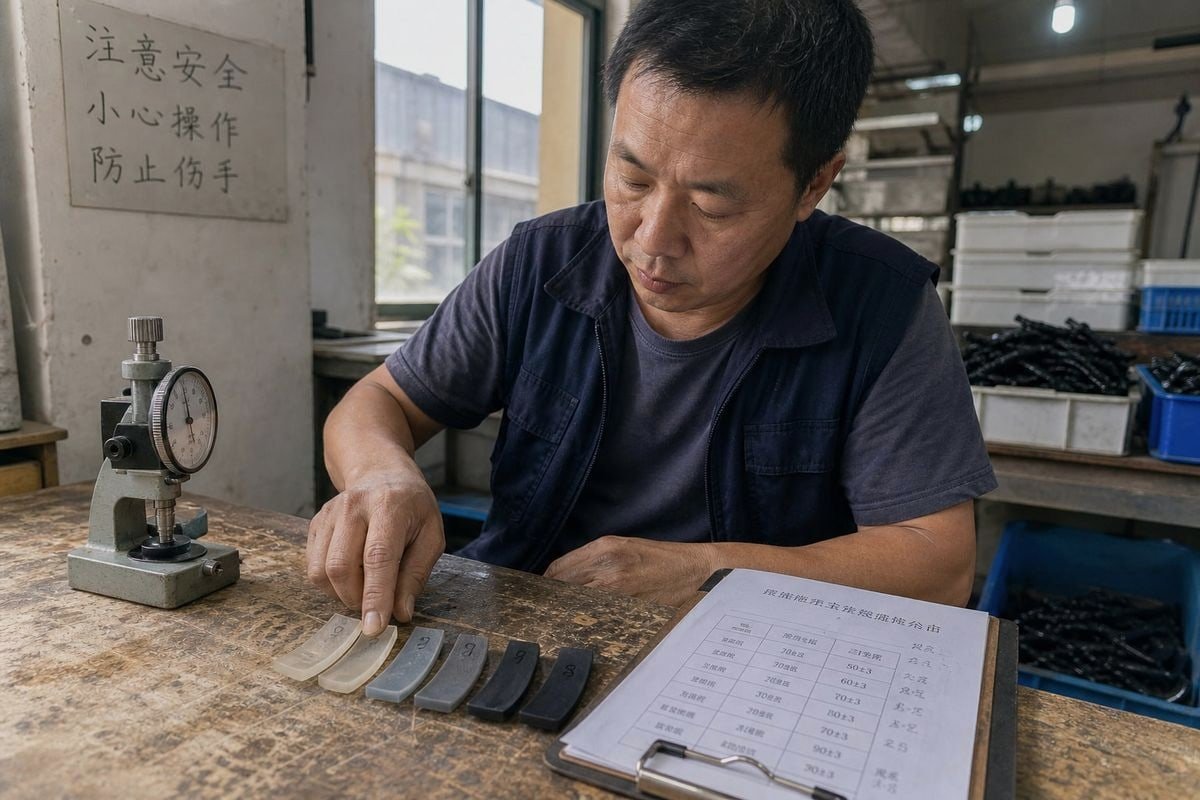
Prevention works on two levels. Parents control daily care. Brands control the material specification. Both matter, so I will cover both.
Daily Care Habits That Actually Work
For the parents your brand serves, the routine is simple. Rinse the glasses with lukewarm water and mild dish soap. Use a soft-bristled toothbrush around the pad area to lift skin oil buildup and the green residue near metal pad arms. Dry with a clean cloth. That is the core of good eyewear hygiene, and it takes under a minute.
Some retailers also recommend a home ultrasonic cleaner. It reaches the deep crevices between the pad and the frame where manual brushing cannot go. For families with multiple glasses wearers, it is a reasonable investment.
Equally important is what to avoid. Ask parents to apply sunscreen and lotion before putting the glasses on, and to keep oily products off the bridge area. Never leave frames on a car dashboard — heat is a silent contributor to material aging.
A Prevention Checklist for Brands and Parents
| إجراء | Who Does It | Why It Helps |
|---|---|---|
| Wipe pads daily with a microfiber cloth | Parent/child | Removes sweat and skin oils before absorption |
| Brush pad area weekly with mild soap | Parent | Clears buildup and green gunk at the pad arm |
| Keep sunscreen off the bridge | Parent | Slows structural cracking of silicone |
| Replace pads every 6–12 months | Optician/brand | Prevents skin irritation and restores grip |
| Specify low-porosity hypoallergenic materials 3 | Brand/factory | Slows oxidation at the source |
| Include care instructions in packaging | Brand | Extends product life, reduces returns |
At our workshop in Taizhou, we encourage brand clients to include a small care card in every retail box. It costs almost nothing, and it noticeably reduces "the pads went yellow" complaints in the first year.
Should I Choose Integrated TPEE Nose Pads Instead of Separate Silicone Pads?
When we were developing our TR90 kids optical frames 4 with TPEE temples, several European buyers asked the same question: why keep separate pads at all if they are the weakest point?
For most children's optical frames, yes — integrated TPEE or molded-in nose pads eliminate screws, pad arms, and replacement cycles, and they resist yellowing far better than porous silicone. Separate silicone nose pads still make sense when precise, adjustable fitting is the priority.

Here is how the two approaches compare side by side:
| العامل | Separate Silicone Pads | Integrated TPEE / Molded-In Pads |
|---|---|---|
| Yellowing risk | High — porous, oxidizes visibly | Low — pigmented, low-porosity material |
| Cracking risk | Moderate to high over 6–12 months | Very low under normal use |
| Adjustability | High — pad arm adjustment possible | Fixed geometry, sized at design stage |
| Small parts / safety | Screws and pads can detach | No detachable parts — safer for young kids |
| Maintenance | Regular cleaning plus replacement | Simple wiping only |
| Fit precision | Excellent for unusual nose bridges | Good if the bridge is designed for the age group |
Where Integrated Designs Win
For active kids, the case is strong. A saddle bridge or molded-in design removes the screw-in vs push-in question entirely, because there is nothing to detach, lose, or swallow. That last point matters for baby and toddler eyewear, where any small part is a genuine safety concern. TPEE also stays flexible in cold weather and bounces back after impact, which suits how children actually treat their glasses.
There is also an emerging middle ground worth knowing: gecko-inspired anti-slip nose pads. These use micro-textured, high-friction surfaces that resist sweat better than standard porous silicone — a good option for sports-focused kids' lines where grip is the top priority.
Where Separate Silicone Still Earns Its Place
Adjustability is the honest counterargument. A child with a very low or asymmetric nose bridge may need an optician to perform nose pad arm adjustment for a proper fit. Metal frames with screw-on pads allow that; integrated designs do not. Our answer to this objection is design, not hardware: we size the molded bridge specifically for the target age group, and across roughly 800 existing styles we can usually match a bridge profile without needing adjustable arms. For Asian-fit or low-bridge markets, we develop dedicated bridge geometry rather than relying on bendable pad arms.
How Do I Find a Manufacturer Who Can Fix This Nose Pad Quality Issue for My Brand?
A procurement manager from Japan once told me she had cycled through three suppliers before finding one who could even explain why her pads yellowed. That conversation shaped how we now audit our own materials.
Find a manufacturer who can name their silicone and TPEE material grades, show aging and UV test practices, offer integrated nose pad frame designs, and provide full OEM/ODM support. A factory with existing tooling lets you fix the problem without heavy mold investment.
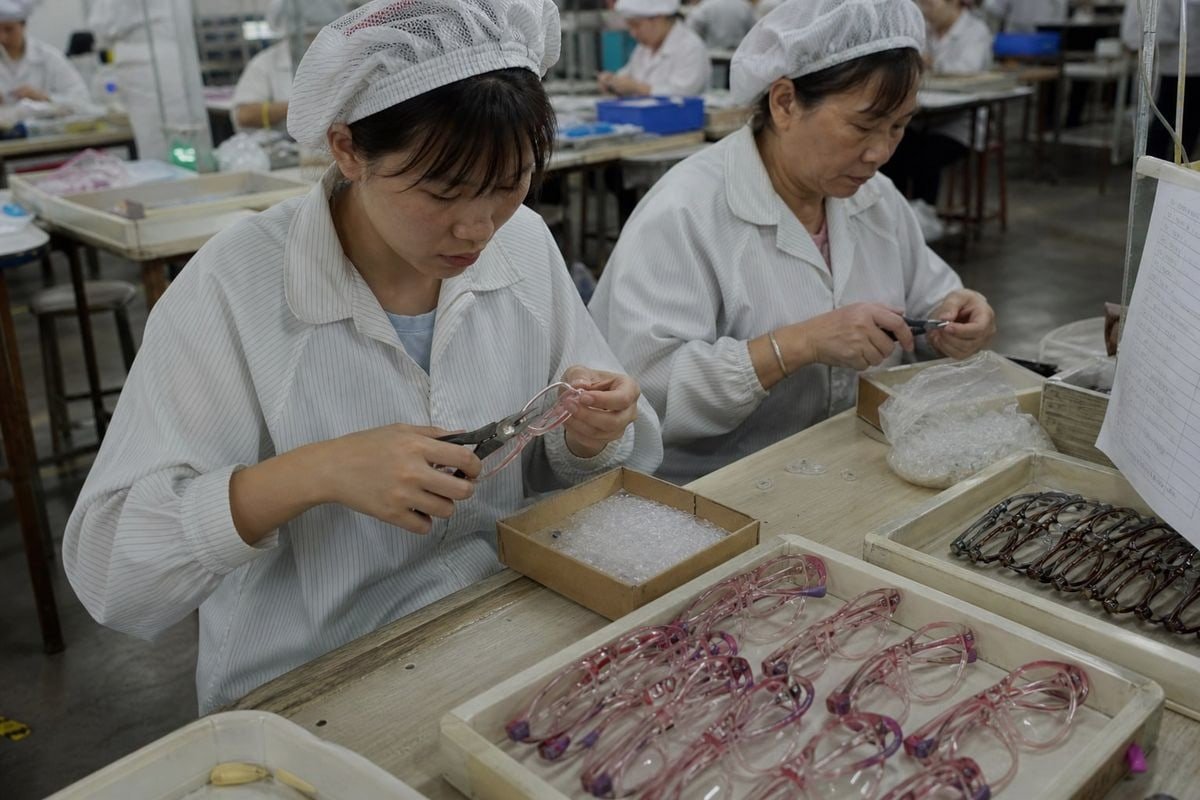
The nose pad problem is rarely a nose pad problem. It is a supplier-selection problem. A trader reselling generic frames cannot change the pad material, the bridge geometry, or the plating on the pad arms. A genuine factory can. Here is how I would screen candidates if I were in your chair.
Questions That Separate Factories from Traders
Ask these directly, and listen for specifics:
- What exact material do you use for nose pads, and why? A capable factory will discuss hypoallergenic materials, hardness values, and porosity — not just say "silicone."
- Can you show frames after simulated aging or extended wear? Yellowing shows up in accelerated testing before it shows up in your returns data.
- Do you offer integrated bridge designs for children? If every kids' frame they show has screw-on metal pad arms, they are not designing for kids.
- What happens if my first batch shows discoloration? A long-term partner will discuss root cause and corrective action, not just a discount.
- Can I start from existing styles? Our own buyers often launch by selecting from our library of around 800 existing styles, then customizing colors, logos, lenses, and packaging. That lets a new brand test the market without paying for new molds up front.
What a Quality-Focused Partnership Looks Like
In our 5S-managed workshop, with about 120 workers and fifteen years focused on eyewear, nose pad quality is checked at three points: incoming material inspection, in-process molding checks, and final QC before packing. We are a factory, not a trader, so when a client in one of our 20-plus export markets reports an issue, we can trace it to a specific material lot and fix the process — not just apologize.
One caution on price. The cheapest supplier almost always saves money on exactly the parts you cannot see in a photo: pad material grade, plating thickness on pad arms, and hinge hardware. Those are the parts that yellow, corrode, and crack. If your brand promise is child safety and comfort, the pad specification is the wrong place to save two cents. A slightly higher unit cost that eliminates a top-three complaint category is one of the easiest ROI decisions in kids' eyewear.
Finally, insist on retail-ready presentation. Custom packaging with a care card, a cleaning cloth, and clear replacement guidance turns a quality fix into a brand advantage parents notice.
الخلاصة
Yellow or cracked nose pads mean replacement, not restoration. For lasting results, our team recommends better materials and integrated designs — solved at the factory, before frames ever reach a child's face.
ملاحظات ختامية
1. Scientific overview of the chemical process where polymers react with oxygen and UV light, causing discoloration. ↩︎
2. Authoritative guidance on proper cleaning techniques to maintain eyewear longevity and hygiene. ↩︎
3. Global federation for standards, including those governing the quality and testing of ophthalmic optics. ↩︎
4. Official documentation for Grilamid TR90, the industry-standard high-performance polymer used in durable children’s eyewear. ↩︎
مقالات أخرى قد تعجبك

أغسطس 5, 2026
Bio-Based vs Regular Cellulose Acetate: What's the Difference for Kids' Frames?
أغسطس 5, 2026
How Recyclable Are Kids' Optical Frame Materials, and What Eco-Friendly Alternatives Exist?
أغسطس 5, 2026
Do Kids Optical Frames Whiten or Age in Storage, and How to Control Warehouse Conditions?
هل تبحث عن شريك موثوق به للنظارات للأطفال؟
استكشف أكثر من 800 نمط جاهز ودعم OEM/ODM كامل مصمم خصيصًا لعلامتك التجارية.
اتصل بنا English
  Español de México
  Deutsch
  Français
  日本語
日本語  العربية
  Português do Brasil