Are Straps and Anti-Slip Grips Worth Buying With Kids Eyewear?
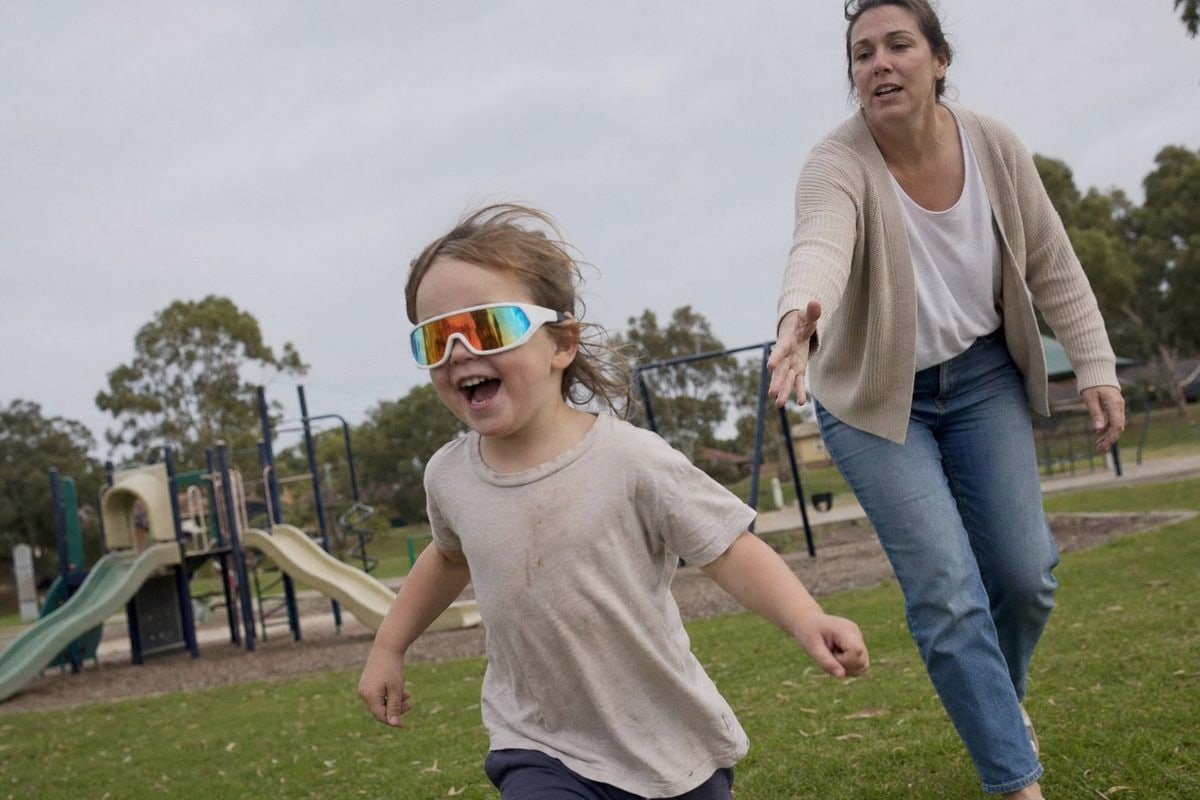
Straps and anti-slip grips for kids eyewear come up in almost every buyer call at our Taizhou factory OEM 1. Parents complain that glasses slip, fall, and get lost — and brands lose repeat customers over it.
Yes, straps and anti-slip grips are worth buying with kids eyewear for active children, toddlers, and new glasses wearers. They keep frames in place during play, reduce loss and breakage, and improve wearing compliance. If frames already fit well and the child is calm, they are optional.
The real question is not yes or no. It is which accessory fits which child, and when the add-on solves a real problem. Let me walk you through how I advise buyers to decide.
How Do I Know If My Kids' Eyewear Buyer Actually Needs Straps or Grips?
Last spring, a baby-brand buyer from Australia asked me why her toddler sunglasses had high return rates. The answer was simple: the glasses would not stay on small faces without help.
Your buyers need straps or grips if their end users are toddlers, sports-active kids, new glasses wearers, or children with frames that slide. Signs include frequent loss, constant readjustment, pushed-up frames, and refusal to wear glasses during play. Well-fitting frames on calm children may not need them.
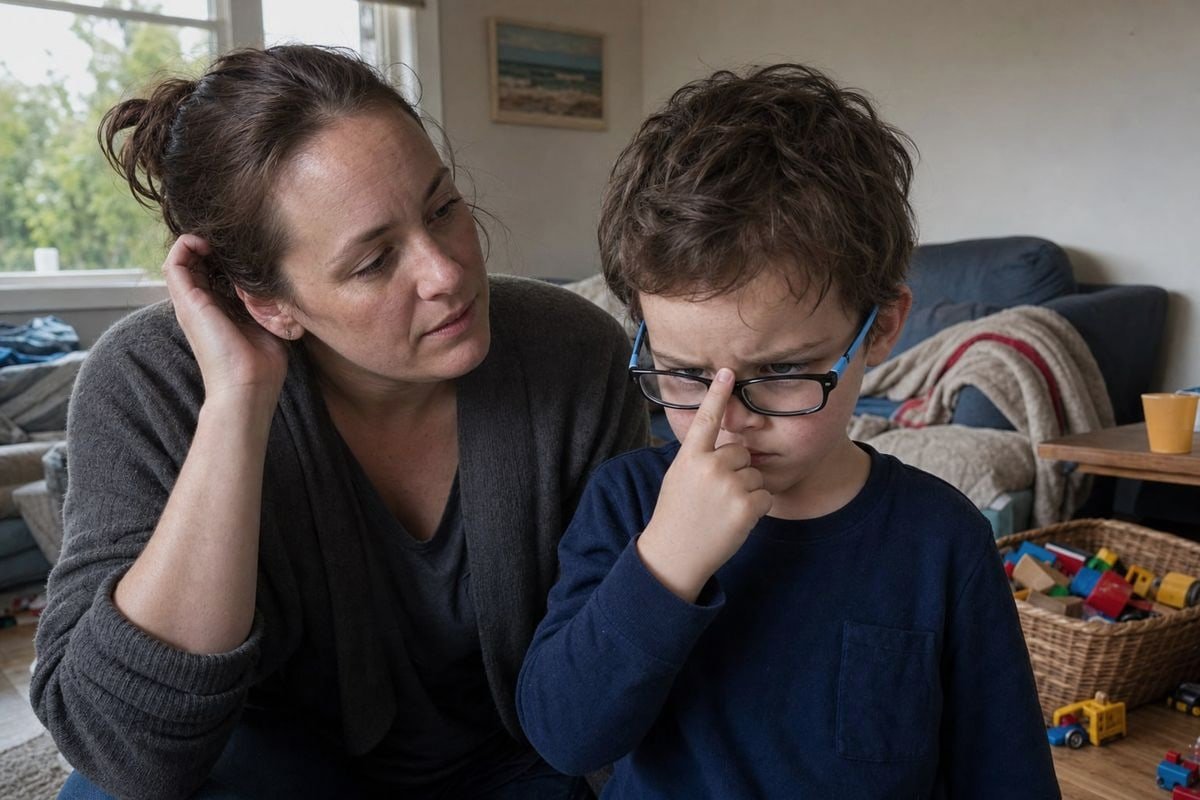
Young children have underdeveloped للأطفال الصغار — يسبب انزلاقًا مزمنًا يلومه العملاء على المقاس. هذا في الواقع عيب تصميم يختبئ داخل رمز إرجاع غير معيب. عندما أظهر أحد أنماط إطارات النظارات البصرية لدينا هذا النمط، أعدنا تصميم منحنى الجسر وانخفضت مرتجعات "المقاس" بشكل حاد. 2. Their faces simply lack the bone structure that holds adult frames in place. That is not a design flaw. It is anatomy. So even a well-made frame can slide on a two-year-old, especially during active play. In our fifteen years making children's eyewear, this is the single most common complaint buyers pass on to us from parents.
There is also an optical reason to care. When a lens shifts away from the pupil's center, the child no longer looks through the للمركز البصري 3. With higher prescriptions, that shift can cause visual distortion, أثناء اللعب في الهواء الطلق. يساعد ترشيح الضباب الأزرق على حافة طيف الأشعة فوق البنفسجية أيضًا الأطفال على رؤية التباين وتقدير العمق بدقة أكبر في الهواء الطلق. بالنسبة لعلامة تجارية للأطفال في الهواء الطلق أو رياضية، هذه نقاط بيع صادقة وذات مغزى - الحماية أولاً، رؤية أفضل كمكافأة إضافية. 4, and headaches. A stable frame is not just convenient. It supports the vision correction the glasses exist to provide.
A Quick Decision Checklist
I tell buyers to think about their end customer in four groups:
| Child Profile | Strap Needed? | Grips Needed? | لماذا |
|---|---|---|---|
| Infants and toddlers | Yes, strongly | اختياري | Reflexive yanking and pediatric frame fit issues make eyewear security for toddlers a real concern |
| Sports and outdoor kids | نعم | نعم | Movement, sweat, and impact demand sports eyewear retainers |
| New glasses wearers | Often | نعم | New habits mean more fidgeting and more drops |
| Calm, school-only wearers | نادرًا | أحيانًا | A good pediatric frame fit may be enough on its own |
One caution I always raise: an accessory should not paper over a badly sized frame. If the frame is fundamentally too wide, fix the frame first. Accessories then add stability on top of a correct fit, not instead of it.
Can Adding Straps and Grips Improve Retention Without Compromising Comfort or Safety?
When our engineers first tested silicone 5 ear hooks on sample frames, we learned a hard lesson: a grip that pinches gets pulled off by the child within minutes. Retention means nothing if the child refuses to wear it.
Yes, when designed correctly. Soft silicone ear hooks and properly tensioned elastic straps add friction and retention without pressure points. The key is skin-safe material, correct sizing, and gentle tension. Over-tight straps or hard grips reduce comfort and can hurt wearing compliance.
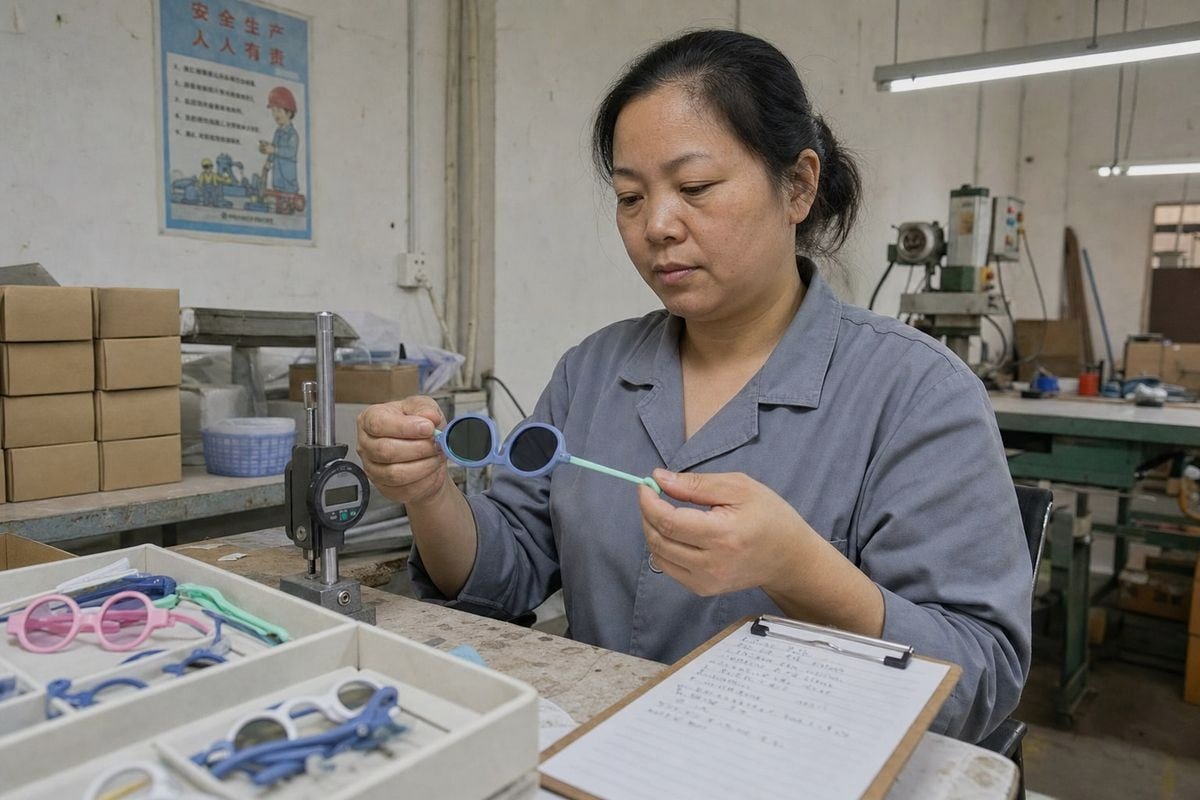
Comfort and retention are often framed as a trade-off. In practice, they reinforce each other. A frame that stays put feels less annoying than one that slides down the nose every few minutes. Many kids fidget with their glasses because the glasses move, not because the kids are careless. Solve the movement, and the fidgeting drops.
But there are real cautions, and I raise them honestly with buyers.
Where Comfort Can Go Wrong
First, tension. A strap pulled too tight presses on the area behind the ears and around the mastoid. Children's craniofacial 6 cartilage is still developing, so sustained hard pressure can cause discomfort or skin indentations. This is why we recommend adjustable headbands with a wide tension range rather than fixed-length elastic.
Second, sensory sensitivity. Some children genuinely dislike the feel of anything behind the head. For them, texture matters. Soft-touch silicone or fabric-wrapped elastic is far better tolerated than raw rubber. Small, discreet silicone ear hooks can be the middle path: light stabilization without a full band.
Third, skin health. Cheap solid rubber traps sweat during active play. Better grips use skin-friendly materials that let moisture escape, which matters for kids who wear glasses all day.
Design Features That Balance Both
| الميزة | Retention Benefit | Comfort Benefit |
|---|---|---|
| Soft silicone ear hooks | Adds friction behind the ears | Nearly weightless, low sensory impact |
| Adjustable headbands | Full retention during sports | Tension set per child, no fixed pressure |
| Anti-slip nose pads | Stops downward sliding | Distributes weight off the ears |
| Temple tip covers | Grips without hardware changes | Cushions the contact point |
| معابد الكابل | Wraps securely around the ear | Works for all-day wear without a strap |
At our factory, we also design retention into the frame itself. Our TR90 7 frames with TPEE temples flex and grip naturally, and flexible spring hinges keep gentle, even pressure on the temples instead of clamping. When the base frame does part of the work, the accessory only needs to do the rest.
What Should I Look for in a Manufacturer That Offers Reliable Strap and Grip Accessories?
A distributor in Japan once sent me a competitor's strap sample that had stretched out after two weeks of use. That one cheap component had damaged the brand's reputation on an otherwise good frame. Accessories carry your brand name too.
Look for a manufacturer with proven flexible-material expertise, skin-safe silicone and elastic components, consistent quality control, frame-accessory compatibility testing, and full OEM support for colors, logos, and packaging. Accessories should be developed alongside the frames, not sourced as an afterthought.
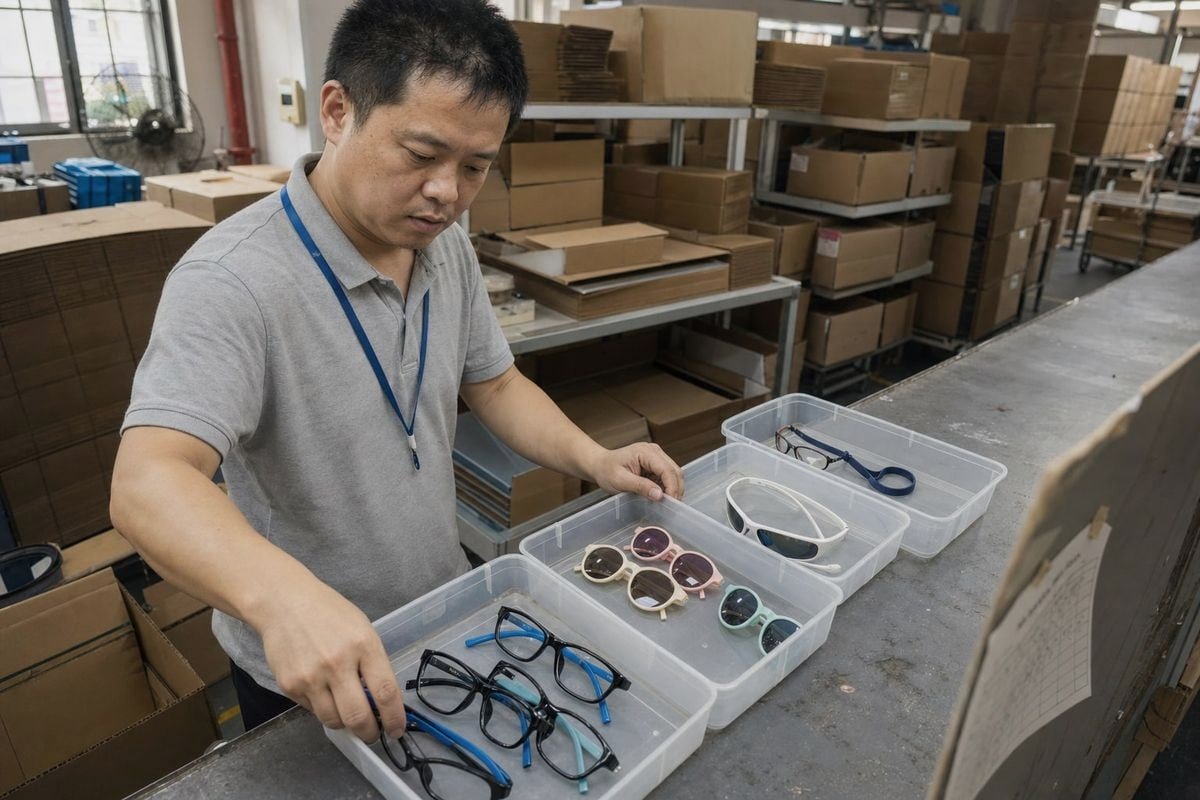
Straps and grips look simple. That is exactly why they get outsourced carelessly. In my experience exporting to buyers in more than twenty countries, the accessory is often where quality problems hide, because many suppliers treat it as a throwaway add-on.
Here is what I encourage procurement managers to check, in order.
A Practical Supplier Evaluation Process
- Material documentation. Ask what the silicone and elastic actually are. Skin-contact components for children should be environmentally friendly and free of harsh chemicals. At OKAY EYEWEAR we apply the same material standards to accessories as to our TPEE and TR90 frames, because both touch a child's skin all day.
- Compatibility testing. Silicone ear hooks and temple tip covers only work within certain temple widths. A reliable supplier tests the grip on the exact frame it ships with, not on a generic sample. Ask how they verify fit across their range.
- Durability testing. Elastic should hold tension after repeated stretching. Silicone should resist tearing when a toddler yanks it. Ask what active play durability checks are done before shipment.
- Production consistency. Visit or audit the workshop if you can. Our 5S-managed floor with around 120 workers runs accessory QC on the same line discipline as frames, so batch one matches batch fifty.
- OEM/ODM depth. Can the supplier match strap colors to your frame colorways, print your logo on the band, and deliver retail-ready packaging? Bundled, branded accessory sets sell better than loose add-ons.
- Low-risk entry. New brands should not need heavy mold investment to test the category. We keep roughly 800 existing styles so a buyer can pair proven frames with accessories and trial the market first.
A manufacturer who does all six is a partner. A supplier who only does one or two is a risk you will pay for later in returns.
Will Offering Straps and Anti-Slip Grips Give My Brand a Competitive Edge With Parents?
Reviewing feedback with a European kids' outdoor brand last year, one pattern stood out to me: their five-star reviews kept mentioning the included strap, not the frame itself. Small accessories drive outsized goodwill.
Yes. Bundled straps and grips signal that a brand understands real parenting problems. They reduce lost and broken glasses, support independent active play, add personalization through colors and designs, and justify a premium position. Few kids' eyewear brands bundle them well, so the differentiation is real.
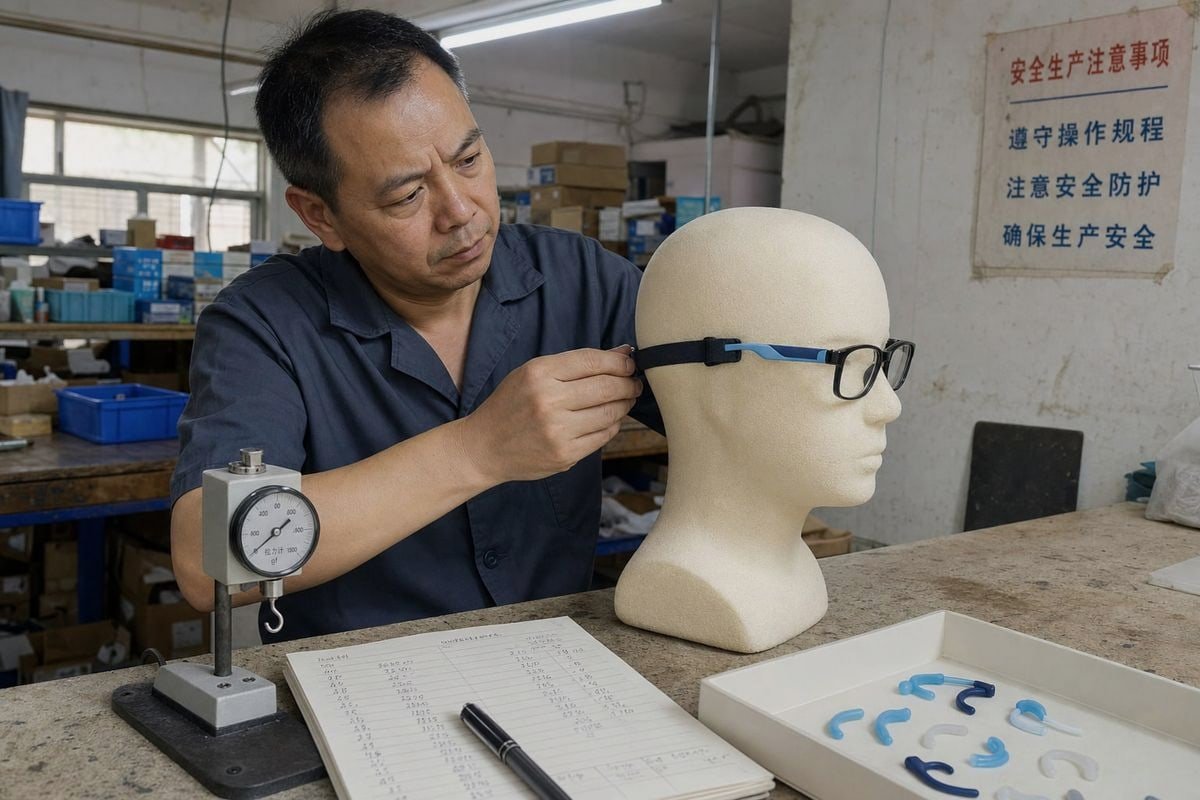
Parents buying children's eyewear are buying peace of mind. A pair of glasses that survives the playground, the bike ride, and the beach trip is worth more to them than a slightly cheaper pair that gets lost in a week. When your product page shows a strap included in the box, you are answering the parent's biggest unspoken fear before they ask.
There is an emotional angle too. Bright colors, fun textures, and cartoon-friendly designs turn a medical necessity into a style choice. When a child picks their own strap color, they gain ownership. Ownership drives wearing compliance, and compliance drives parent satisfaction. We see this constantly when we develop custom colorways for brands: matching the strap to the frame's accent colors, like the sky-blue silicone tips on our two-tone optical frames, makes the whole set feel designed rather than assembled.
Positioning the Bundle by Market Segment
| Your Brand Type | Best Bundle Strategy | Parent Message |
|---|---|---|
| Baby and toddler brands | Frame plus adjustable strap included | Glasses stay on, even when little hands pull |
| Kids' outdoor and sports brands | Wraparound sunglasses plus sports eyewear retainers | Built for running, cycling, and skiing |
| Optical retail brands | Optional silicone ear hooks and anti-slip nose pads at checkout | Keep the prescription centered and comfortable |
| Promotional and gift buyers | Colorful strap multi-packs with logo print | Fun, practical, and branded |
One honest caveat: do not oversell. If your frames use cable temples or flexible spring hinges and already fit securely, market the accessory as an upgrade for high-activity use, not as a necessity. Parents trust brands that tell them when they can skip a purchase. That trust is the deeper competitive edge, and it is the same reason our long-term buyers stay with us instead of chasing the cheapest quote.
الخلاصة
Straps and anti-slip grips are worth it for active kids, toddlers, and slipping frames — and optional for stable fits. Choose accessories, and a manufacturing partner, that solve real parent problems.
ملاحظات ختامية
1. ISO standards context for manufacturing quality control referenced in supplier evaluation. ↩︎
2. Explains the anatomical feature underlying frame slippage in young children. ↩︎
3. Clarifies the optics concept affecting vision correction when lenses shift. ↩︎
4. CDC vision health resource supporting claims about visual distortion and eye strain. ↩︎
5. Background on the material used for skin-safe ear hooks and grips. ↩︎
مقالات أخرى قد تعجبك


هل تبحث عن شريك موثوق به للنظارات للأطفال؟
استكشف أكثر من 800 نمط جاهز ودعم OEM/ODM كامل مصمم خصيصًا لعلامتك التجارية.
اتصل بنا English
  Español de México
  Deutsch
  Français
  日本語
日本語  العربية
  Português do Brasil