How to Negotiate Custom Tooling Fees and Mold Ownership for Kids Optical Frames?
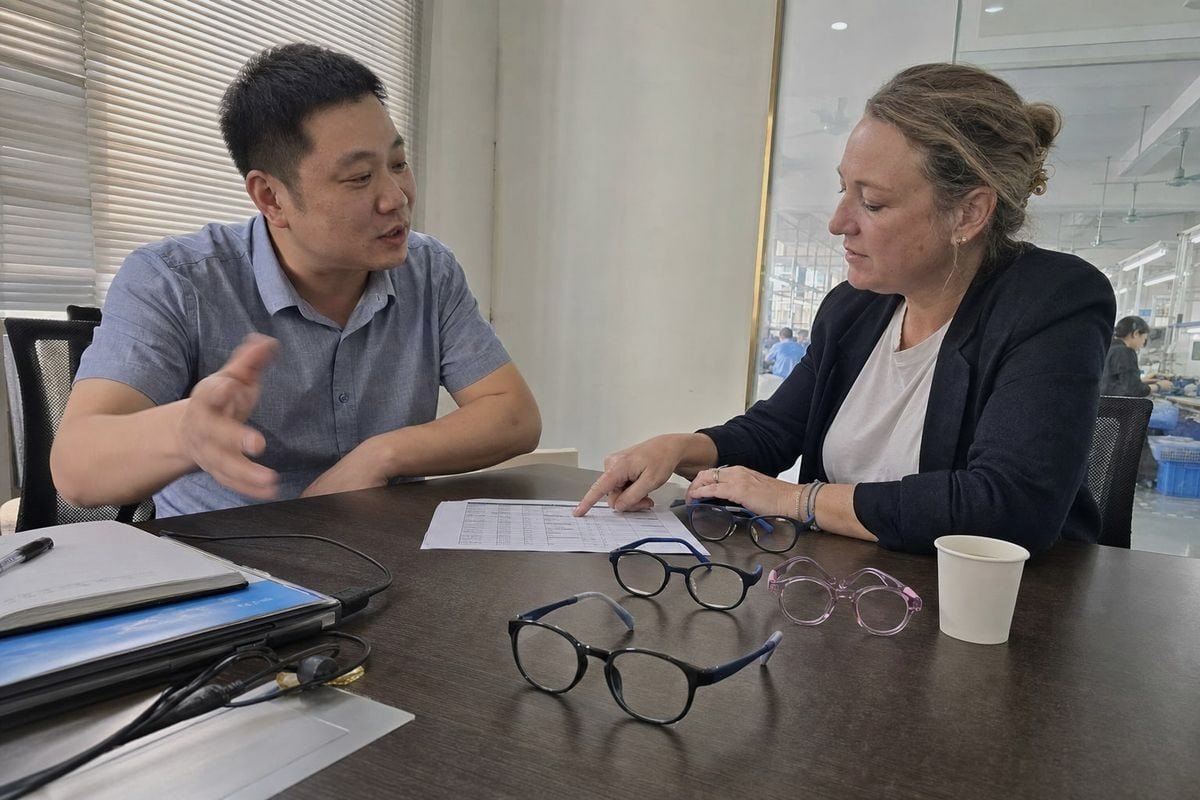
Custom tooling fees and mold ownership questions stall more kids eyewear launches than anything else I see. Buyers freeze when a factory quotes thousands before a single frame exists.
Negotiate custom tooling fees and mold ownership by requesting a line-item quote that separates tooling from unit price, asking for amortization or refundable mold fees tied to volume milestones, and securing written clauses confirming the mold is your exclusive property after full payment.
That is the short answer. The details matter more. Below, I walk through each decision point the way I explain it to buyers who visit our Taizhou factory.
How can I avoid paying for expensive custom molds when starting my kids eyewear brand?
A brand founder from Australia once emailed me a beautiful frame sketch. Then she saw the tooling quote. Our team showed her a smarter path, and she launched three months later.
You can avoid expensive custom molds by starting with a factory's existing open-mold styles, customizing colors, logos, lenses, and packaging instead of the frame shape. This eliminates injection molding costs entirely and lets you validate market demand before investing in private tooling.
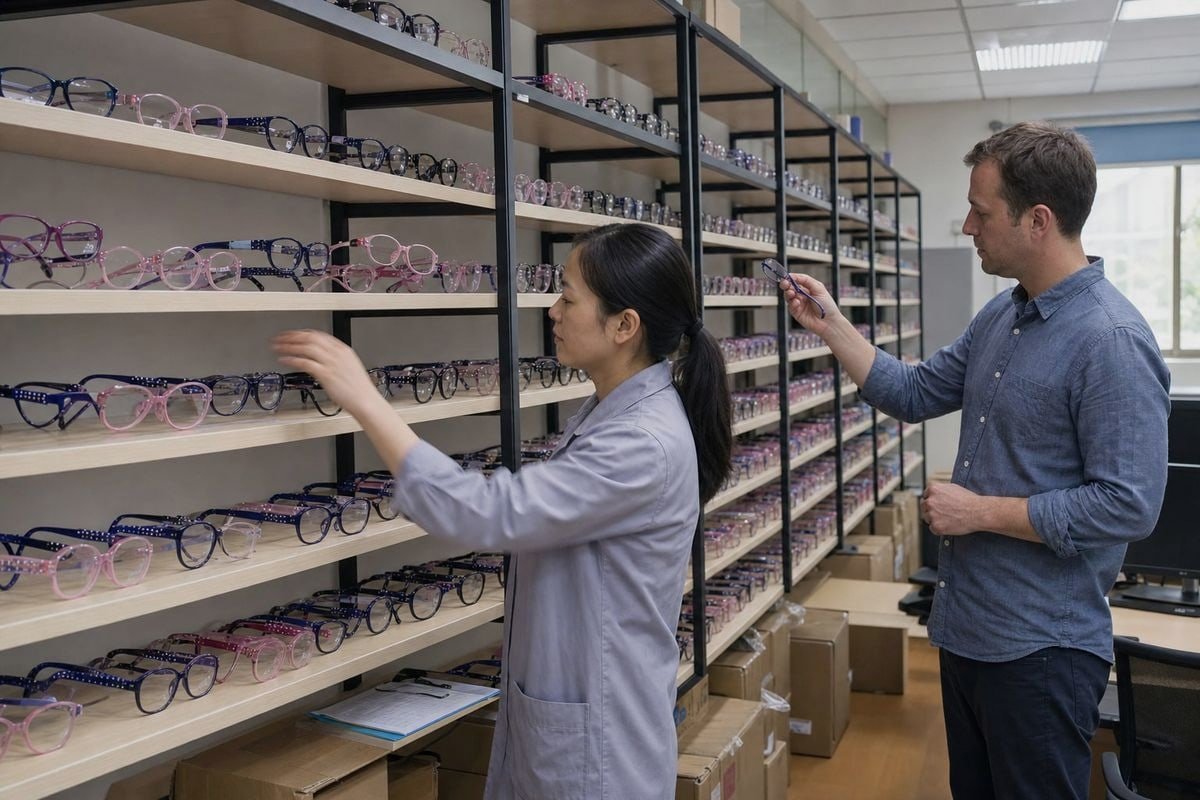
Most new kids brands do not need a private mold on day one. That is the honest truth, even though we build private molds for clients every month. Our catalog holds roughly 800 existing styles in TR90 material 1 و TPEE 2, and a large share of new brands launch from that library first.
Why open molds change the economics
A new injection mold 3 for a PC or TR90 frame typically takes 15 to 20 days to build before production can even start. It also ties up cash. An open mold skips both problems. You still get real customization: your Pantone colors, your logo on the temple, your lens spec, your retail-ready packaging. The frame silhouette is the only thing you borrow.
Three low-tooling launch paths
| Path | Tooling fee | Speed | الدفع الآمن عبر المنصة |
|---|---|---|---|
| Open-mold ODM style | لا شيء | Fastest | First-time brands testing demand |
| Semi-custom (modified existing style) | Reduced or waived | معتدل | Brands needing a distinct look |
| Full private mold | Full fee | Slowest (15–20 days for mold) | Proven brands protecting a design |
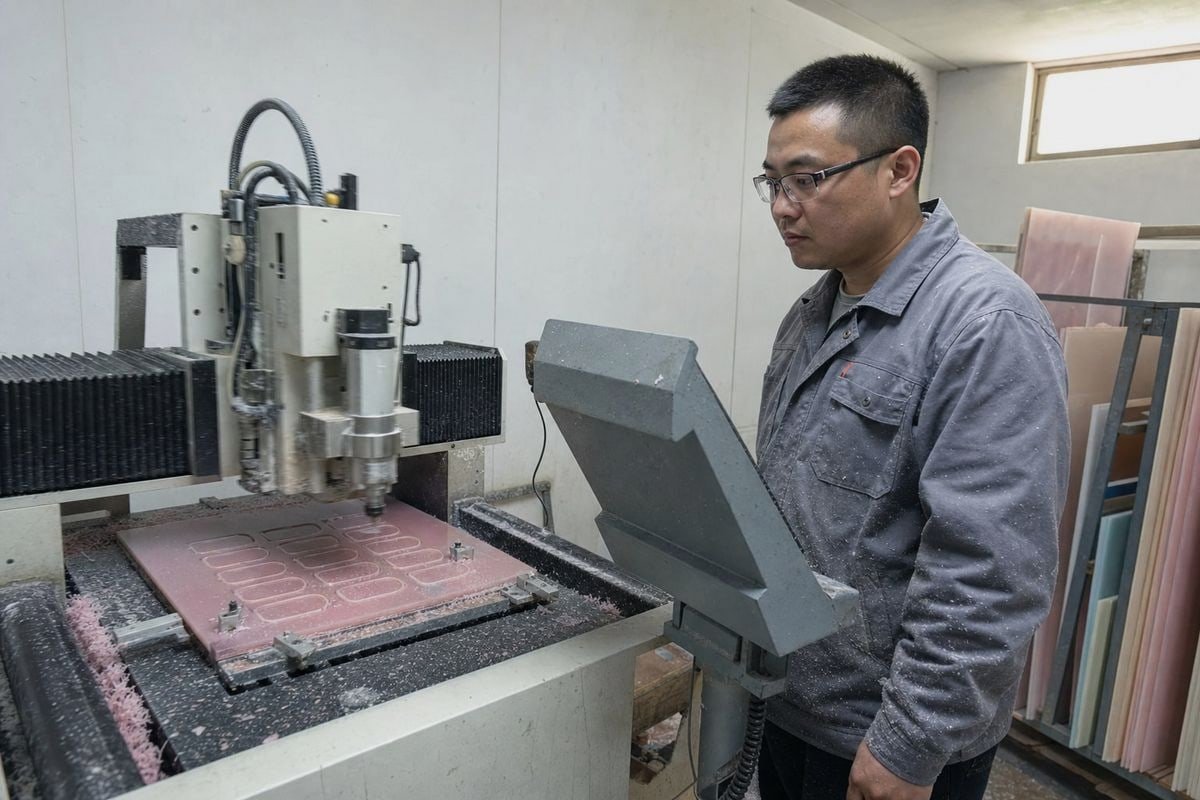
There is also a material shortcut. Acetate frames are CNC cut 4 from sheet, so they generally carry no mold fee at all. If your design vision works in acetate, like the translucent pink frames we cut for fashion-forward kids lines, you sidestep the tooling conversation completely. Prototyping and 3D printing can also preview a shape cheaply before you commit steel to it.
Some buyers push back here. They worry an open mold means a generic product. In our experience exporting to 20-plus countries, the market judges a kids frame on fit, safety, comfort, and branding far more than on a silhouette no parent will recognize as shared.
What should I know about mold ownership rights before signing a manufacturing agreement?
Years ago, a distributor came to us after a bad experience elsewhere. He had paid for a mold, but the old factory refused to release it. That lesson shaped how we write our own agreements.
Before signing, confirm in writing that the mold becomes your exclusive property after full payment, that the factory cannot use it for other customers, that mold transfer rights let you remove it on request, and that CAD files transfer with it.
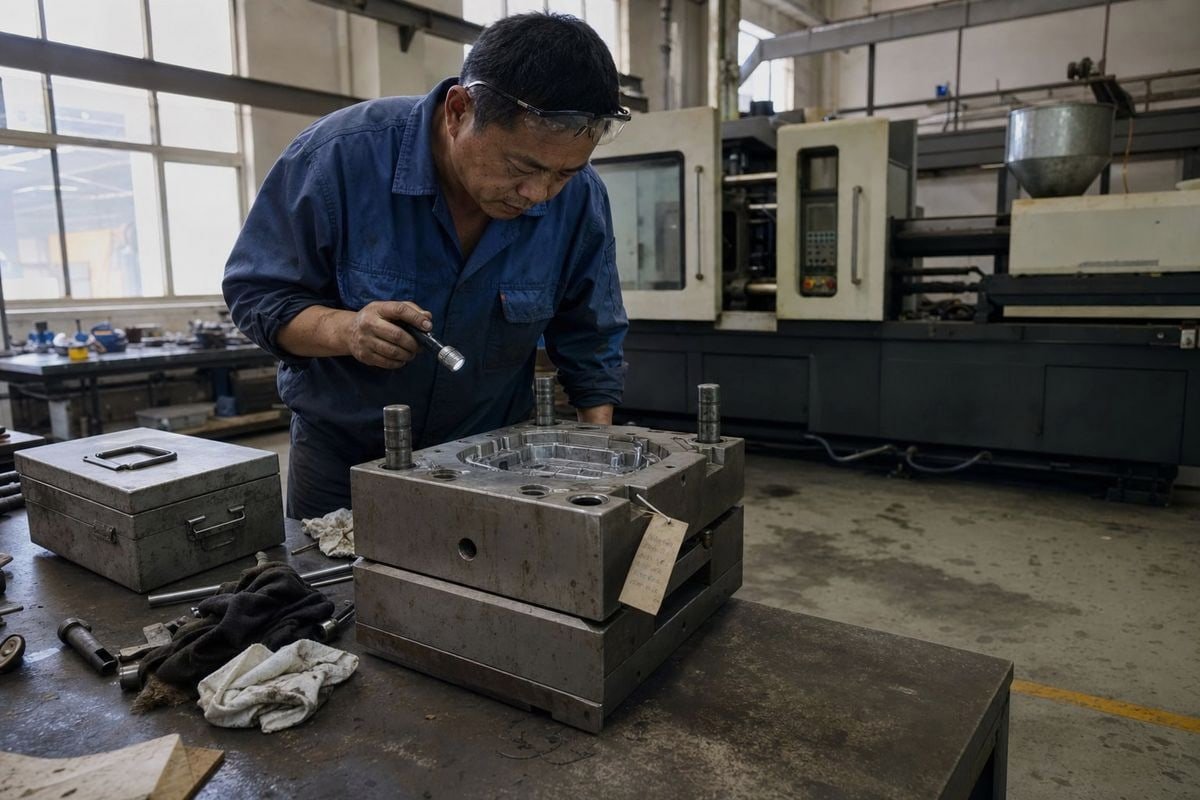
Paying for tooling does not automatically protect you. There is a real difference between economic ownership and physical possession. You may fund the mold, yet the steel sits in the factory's workshop. Without clear contract language, that gap creates leverage against you during any future dispute.
Clauses worth insisting on
- Exclusive ownership. State that the mold is the buyer's property after full payment and must be surrendered upon request. This prevents a factory from holding tooling hostage during price negotiations.
- Non-use clause. Prohibit the factory from running your mold for any other customer, including its own white-label listings. This is your frontline defense of حقوق الملكية الفكرية الخاصة بك 5.
- Mold transfer rights. Spell out the handover process, packing, and shipping responsibility if you switch suppliers or the relationship ends.
- Digital assets. Secure ownership of the high-fidelity 3D CAD files 6, the digital twin of the mold, so you can repair or rebuild tooling at another facility if needed.
- Mold maintenance agreement. Define who cleans, stores, and services the tool, and at whose cost. A neglected mold wears out early.
- Shot-count audit. Reserve the right to review machine logs. Shot counts reveal remaining mold lifespan and expose unauthorized production runs.
Our factory has held client molds for over a decade in some cases. The relationships that last are the ones where ownership terms were boring, clear, and signed before the first sample. Ambiguity helps nobody, including us.
Some buyers ask whether leaving the mold with the factory is simply easier. It is, day to day. But if you plan to scale fast or might switch factories, the paperwork above is cheap insurance.
How do I know if a factory's tooling fee quote is fair for my order volume?
Comparing quotes is where I see buyers get lost. Two suppliers can quote the same kids frame and land thousands of dollars apart, and both quotes can be honest.
A fair tooling quote is transparent, not just cheap. Reported ranges run from roughly $300–$800 for simple setups to $1,200–$2,500 for full TR90 or PC production molds. Judge fairness by the itemized breakdown, cavity count, mold quality, and reuse terms, not the headline number alone.
The wide price gap in the market is not random. It reflects mold complexity, steel grade, supplier tier, and whether the number covers full production tooling or a simple setup charge. Treating any single quote as universal is the fastest way to misjudge a supplier.
Demand a line-item quote
Ask the factory to separate every cost. If tooling hides inside the per-unit price, you cannot compare suppliers, and you cannot tell what you actually own. A proper breakdown looks like this:
| Line item | ماذا تفحص |
|---|---|
| Main injection mold | Cavity count, steel type, expected shot life |
| Secondary tools | Bending jigs, CNC fixtures, logo stamps quoted separately |
| Sample fee | Commonly $50–$150 for custom eyewear |
| سعر الوحدة | Quoted independently from tooling |
| التعبئة والتغليف | Cases, cloths, retail boxes per your spec |
| الشحن | Terms clearly stated |
Factors that legitimately raise cost
Cavity count matters most. A single-cavity mold is cheaper upfront but slower per shot; a multi-cavity tool costs more yet lowers your long-run unit price. For kids frames, safety finishing and flexible-material engineering add real work too. On our lines, molding TPEE temples that flex safely on a child's face demands tighter tolerances than a rigid adult frame ever would. Ask about multi-material compatibility as well; TR90 and newer bio-based resins shrink at different rates, and a mold optimized for both protects your future options.
Also ask two simple questions. Is the tooling cost reusable on reorders? Is the tool dedicated to my brand? A slightly higher fee with clear reuse rights usually beats a bargain fee with vague terms. Understanding unit price vs tooling fee as separate levers is the core skill here.
Finally, protect the payment itself. Release tooling money in milestones, tied to T1 and T2 trial sample approvals, so funds move only when the mold proves its precision.
Can I negotiate lower tooling costs by choosing from existing frame styles first?
Weighing this trade-off is something we do with buyers almost weekly: invest in a private mold now, or start from our style library and upgrade later. The second path usually wins for new kids brands.
Yes. Starting with existing frame styles is the strongest tooling negotiation lever available. Factories often waive or reduce tooling for minor modifications to open molds, and a successful first run gives you the volume history to negotiate amortized or refundable tooling on your eventual private design.
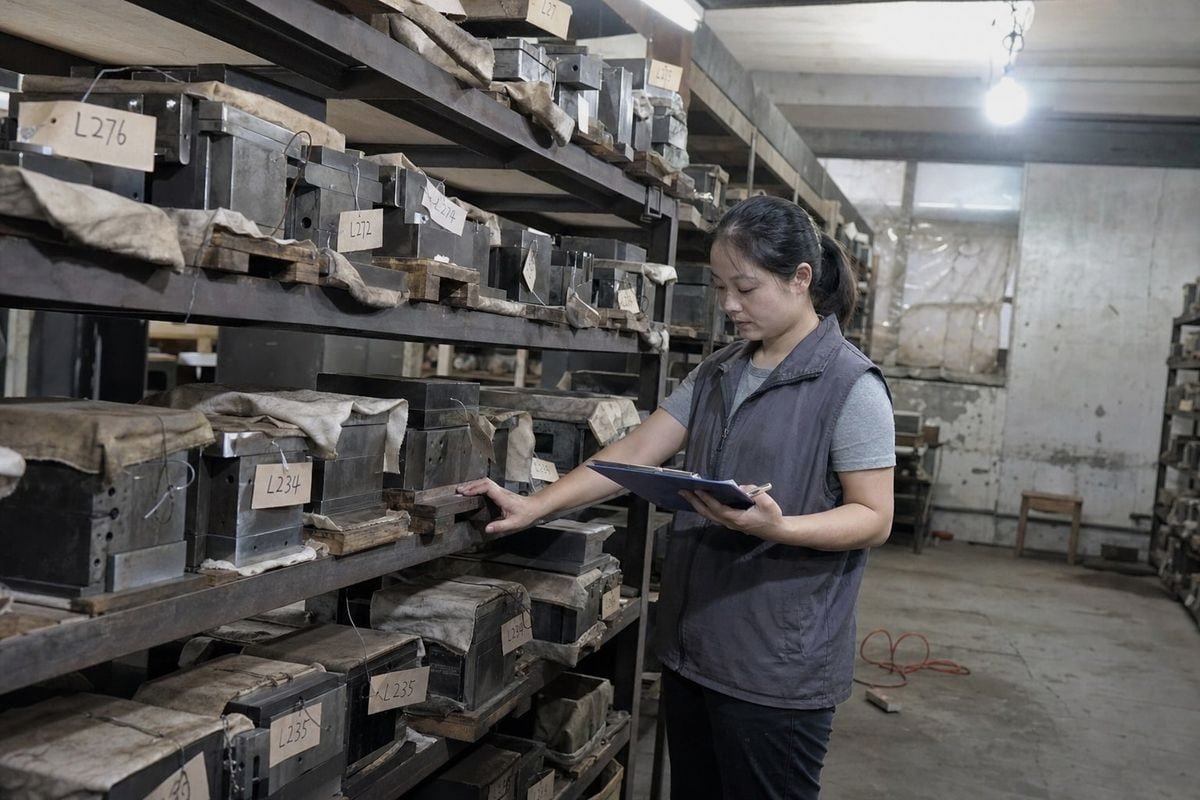
This is a sequencing strategy, not just a discount trick. Your leverage grows at each stage, and so does the factory's confidence in your brand.
The staged negotiation playbook
| المرحلة | What you order | What you negotiate |
|---|---|---|
| 1. Test | Open-mold style, custom colors and logo | الحد الأدنى لكمية الطلب 7 flexibility, color splits |
| 2. Validate | Semi-custom modification of an existing shape | Waived or reduced modification tooling |
| 3. Invest | Private mold for your own design | Tooling amortization or a refundable rebate |
At stage three, real numbers back you up. A typical custom minimum order quantity for kids frames sits around 500 pieces per style. Some suppliers refund the mold fee once cumulative volume passes about 5,000 units. That is a tooling rebate, and it only becomes negotiable when your reorder history makes the volume promise credible. Vague forecasts are weak leverage; written milestones in a letter of intent or framework agreement are strong leverage.
Tooling amortization works similarly. The factory spreads the mold cost across your first few orders instead of billing it upfront. You trade a slightly higher early unit price for preserved cash flow. Some buyers prefer the opposite: pay tooling separately upfront, keep the first production run small, and lock ownership immediately. Both are legitimate. Choose based on whether cash or control matters more right now.
One more tactic saves money at every stage. Ask about modular inserts in the mold design. Interchangeable inserts let one tool produce bridge or temple-length variations for different age groups without building entirely new molds. Likewise, using the factory's open molds for non-critical components, temple tips, internal hinges, keeps custom tooling focused only on the parts parents will actually notice.
الخلاصة
Overpaying for tooling, or losing your mold in a dispute, can sink a young kids eyewear brand. Neither risk is necessary.
Start with existing styles, demand line-item quotes, tie payments to sample milestones, and put ownership, non-use, and transfer terms in writing. When demand is proven, invest in private tooling from a position of strength. Our team in Taizhou has guided brands through this exact sequence for fifteen years, and the pattern holds: the best deal is never just the lowest fee. It is the clearest combination of ownership, reuse rights, and total landed cost.
ملاحظات ختامية
1. Authoritative Wikipedia entry for polyamides, the chemical family of TR90 eyewear material. ↩︎
2. Authoritative Wikipedia entry for thermoplastic elastomers, the material class for TPEE. ↩︎
3. Explains the injection molding process referenced when discussing tooling build time for PC and TR90 frames.
مقالات أخرى قد تعجبك
أغسطس 5, 2026
Bio-Based vs Regular Cellulose Acetate: What's the Difference for Kids' Frames?

أغسطس 5, 2026
How Recyclable Are Kids' Optical Frame Materials, and What Eco-Friendly Alternatives Exist?
أغسطس 5, 2026
Do Kids Optical Frames Whiten or Age in Storage, and How to Control Warehouse Conditions?
هل تبحث عن شريك موثوق به للنظارات للأطفال؟
استكشف أكثر من 800 نمط جاهز ودعم OEM/ODM كامل مصمم خصيصًا لعلامتك التجارية.
اتصل بنا English
  Español de México
  Deutsch
  Français
  日本語
日本語  العربية
  Português do Brasil