How Long Do Kids’ Eyewear Last, and How Often Should They Be Replaced?
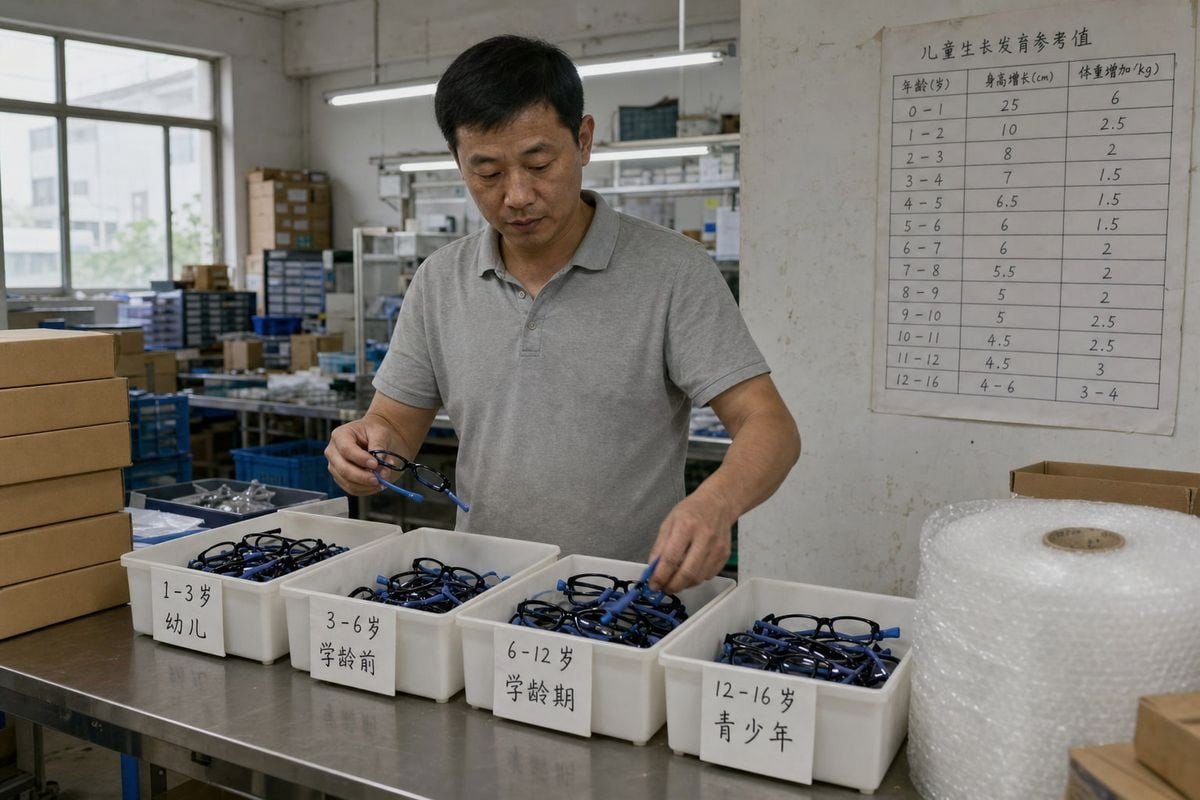
Kids’ eyewear lifespan is one of the first questions buyers ask us at our Taizhou factory Myopia progression 1. And honestly, it is the right question. A frame that fails early damages your brand, frustrates parents, and floods your inbox with complaints. I have seen importers lose retail accounts over one bad batch. The fix is understanding the real replacement drivers — growth, prescription changes, and damage — and sourcing frames built to survive real childhood.
Kids’ eyewear typically lasts 1–2 years, but replacement is driven by growth, prescription changes, and damage rather than frame age. Toddlers may need new frames every 3–6 months, preschoolers every 6–12 months, school-age children every 12–18 months, and teens can often wear the same pair for 2+ years.
That is the short answer. But if you are building or buying a children’s eyewear line, you need more detail. Let me walk you through what actually determines lifespan, the warning signs of failure, how materials change the math, and how to pick a supplier who protects your brand.
How long can I expect TPEE and TR90 kids' frames to last before replacement?
During a torsion test on our line last spring, a TR90 sample survived several thousand flex cycles before we stopped counting. That test taught me something: with these materials, the frame usually outlives the fit.
Well-made TPEE and TR90 kids' frames can physically last 2–3 years of active daily wear. However, most children replace them sooner — within 6–18 months — because their faces outgrow the fit or their prescription changes, not because the flexible frame itself wears out.
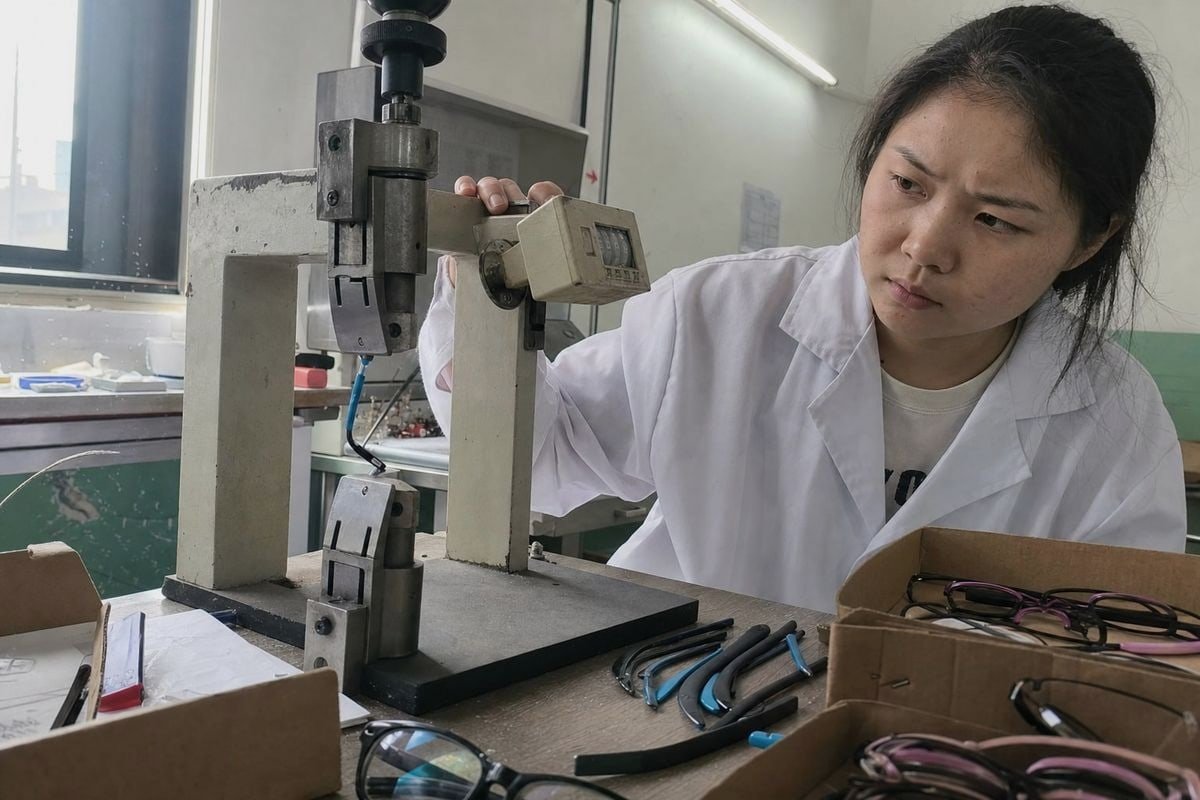
This is the key distinction I explain to every new buyer. There are really three separate timelines running at once. The frame's physical durability is only one of them. The child's growth curve and their prescription changes run on their own clocks. Whichever clock runs out first decides the replacement date.
The three replacement clocks
TPEE 2 and TR90 are engineering-grade materials. TR90 is a thermoplastic with excellent memory. It bends and returns to shape. TPEE is even softer and more elastic, which is why we use it for temples on many of our children's styles. These flexible frames absorb the twisting, sitting-on, and dropping that destroys rigid ، بوليمر ذاكرة حراري بلاستيكي، يقلب هذه المعادلة. يحتفظ بشكله عند مقاطع عرضية رفيعة، لذلك يمكن للمصممين تقليص الإطار الأمامي والأذرع دون إنشاء نقاط ضعف. النتيجة هي إطار يزن أقل ويبقى أكثر مقاومة للصدمات. 3 or cheap injection plastic. In pure material terms, they can serve well beyond two years.
But here is the honest picture, broken down by age:
| فئة العمر | Typical replacement interval | Main driver |
|---|---|---|
| Infants and toddlers (0–3) | 3-6 أشهر | نمو الوجه السريع |
| Preschoolers (3–5) | 6-12 شهرًا | النمو بالإضافة إلى التعامل الخشن |
| الأطفال في سن المدرسة (6-12 سنة) | 12-18 شهرًا | Prescription changes, wear |
| Teenagers (13+) | 2+ years | Damage or prescription only |
So when a distributor asks me, "Will your TR90 frames last two years?" my answer is yes — the frame will. Whether the child still fits it in two years is a different matter. This is actually good news for brands: parents accept regular replacement when the reason is growth, but they blame the product when the reason is breakage. Durable materials keep the replacement narrative on your side.
One nuance worth raising: some consumer guides quote 1–3 years as a normal glasses lifespan. That figure is drawn mostly from adult wear. For young children, quoting it without context sets false expectations. We advise our brand customers to communicate age-based intervals honestly on their packaging and websites. Parents trust brands that tell them the truth up front.
What signs tell me it's time to replace my child's eyewear?
A buyer from Australia once forwarded me a parent's photo: red pressure marks on a child's nose, temples bowed outward like wings. That single image explains fit failure better than any spec sheet I could write.
Replace a child's eyewear when the frame slips, pinches, or leaves red marks; when temples bow outward; when lenses show scratches in the central optical zone; when coatings peel or craze; or when the child squints, avoids reading, or reports headaches — a likely sign of prescription changes.
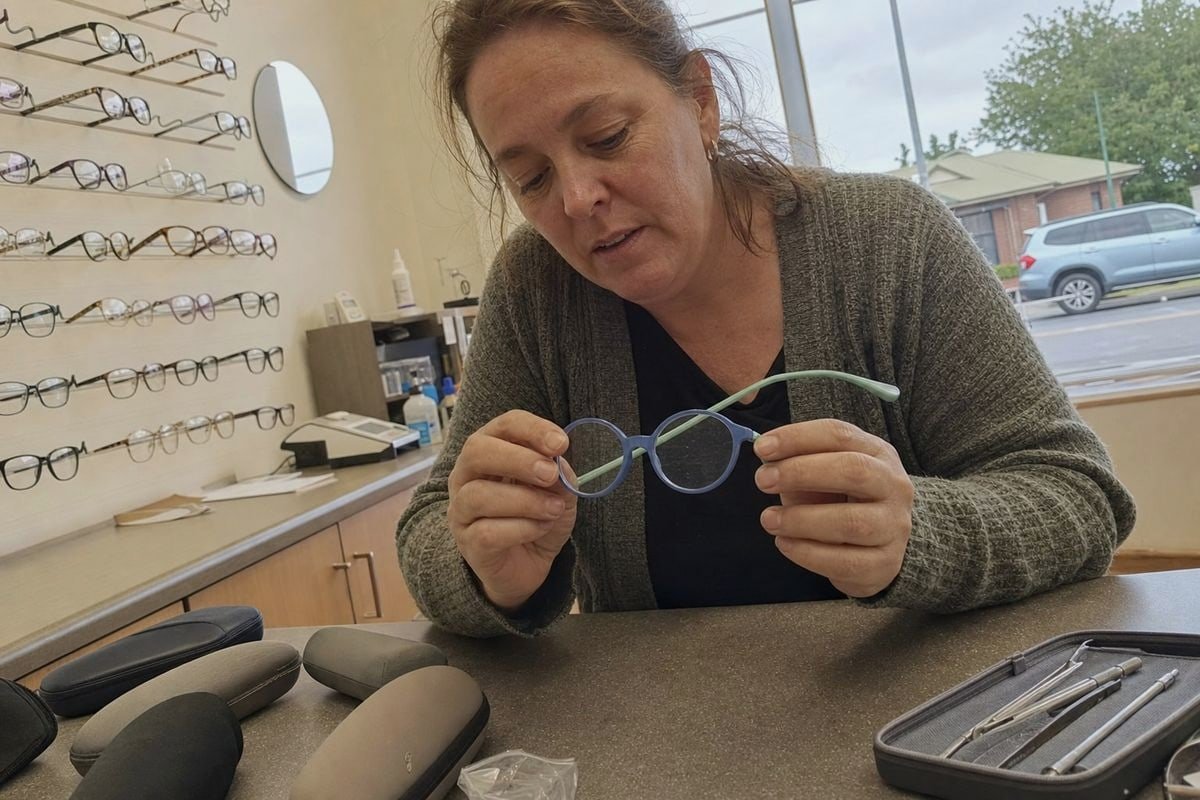
Parents rarely miss a snapped frame. What they miss are the quiet failures. In our experience supporting optical brands across 20+ countries, the subtle signs cause more vision problems than the dramatic ones. Here is how I break them down for our customers' education materials.
Physical fit signals
Red marks on the nose or behind the ears mean the frame is compressing growing tissue. Temples that bow outward mean the frame front is now too narrow for the child's head. Glasses that sit crooked or slide down constantly force the child to look over or around the lenses. Minor frame adjustments can buy a few weeks, but once the temples are permanently splayed, adjustment is a patch, not a fix.
Lens and coating signals
Scratched lenses are not just cosmetic. Scratches inside the central optical zone create micro-distortions that cause genuine eye strain. Coatings deserve special attention. Modern sunscreens and alcohol-based hand sanitizers — both constants in a child's day — can delaminate lens coatings surprisingly fast. Peeling or "crazing" coatings scatter light and degrade vision even when the lens surface looks intact from a distance.
Behavioral signals
These are the earliest warnings, and parents should treat them as replacement triggers:
- The child suddenly avoids reading or homework.
- Afternoon headaches become frequent.
- The child squints even while wearing glasses.
- Teachers report the child struggling to see the board.
- The child keeps taking the glasses off "because they hurt."
Any of these justifies a pediatric eye exam 4 before waiting for the annual schedule. Myopia progression in school-age children can move fast, and lenses that were correct six months ago may already be behind. For children wearing myopia management lenses with peripheral defocus designs, the cadence must be even stricter — those defocus zones only work when aligned with the pupil, so a shifted fit quietly cancels the therapeutic benefit.
How does frame material affect the durability and lifespan of children's glasses?
Choosing between materials is a trade-off we weigh on almost every ODM project: flexibility versus structure, softness versus shape retention, cost versus complaint rate. Fifteen years of eyewear production has made those trade-offs very concrete for me.
Frame material is the single biggest durability factor. Flexible TR90 and TPEE resist snapping and hold shape through daily abuse, while rigid acetate and cheap plastics crack under twisting. Paired with polycarbonate lenses and spring hinges, flexible materials can double or triple a frame's usable life.
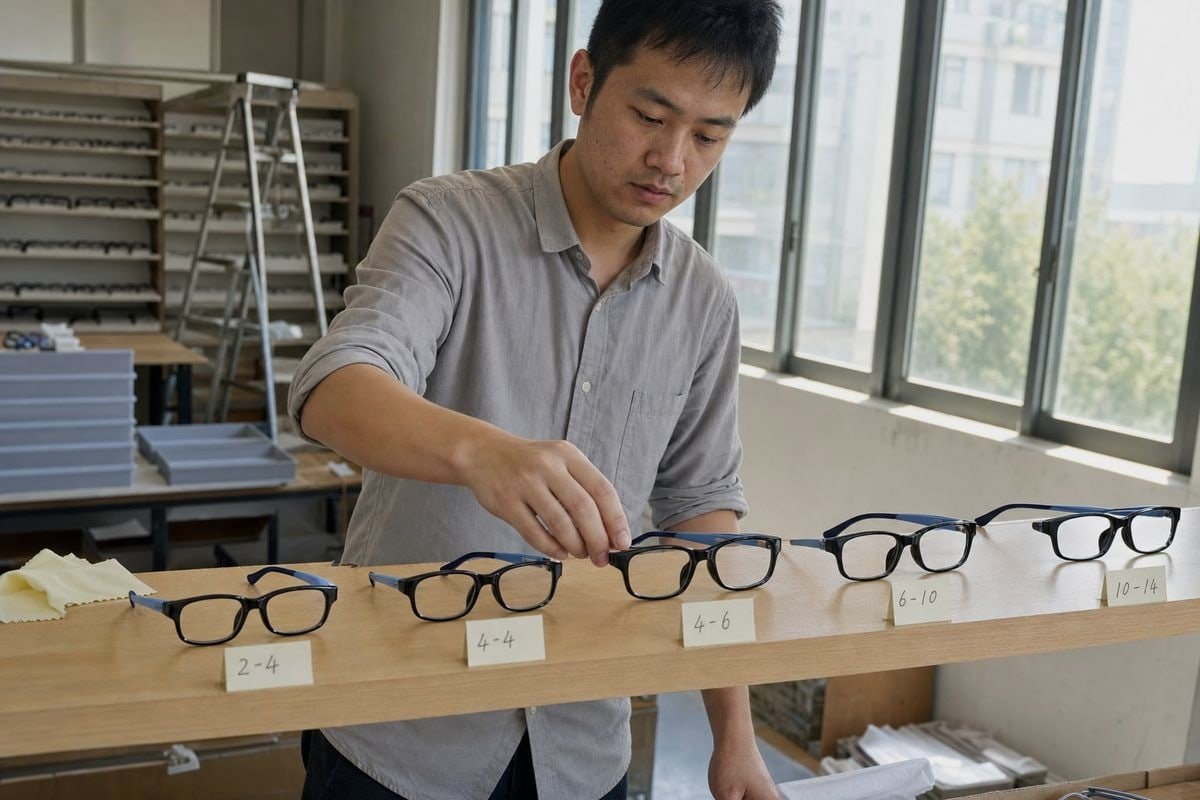
Children do not treat glasses like adults do. They sleep in them, sit on them, throw them in backpacks without cases, and pull them off with one hand. Material choice determines whether those events end in a bounce or a break.
الوزن النسبي
| المواد | المرونة | مقاومة الصدمات | Typical failure mode | الدفع الآمن عبر المنصة |
|---|---|---|---|---|
| TPEE | ممتازة | ممتازة | Rarely fails; fit outgrown first | Toddlers, active kids |
| TR90 | جيد جدًا | جيد جدًا | Hinge screws, extreme abuse | All children's ages |
| أسيتات | منخفض | معتدل | Cracks at bridge or hinge | Style-focused teens |
| بلاستيك حقن قياسي | منخفض | ضعيف | Snaps under torsion | Budget lines (not advised) |
| معدن | منخفض | معتدل | Bent temples, nose pad loss | Older, careful teens |
Lens material matters just as much. We fit عدسات بولي كربونات 5 as standard on children's frames because their impact resistance protects the eye itself, not just the product. A shattered glass lens near a child's eye is a scenario no brand can afford. Trivex is a strong alternative with similar safety properties.
Hardware and design details
مفصلات زنبركية 6 deserve their own mention. They absorb the outward pull when a child yanks glasses off one-handed — the most common daily stress. Frames without them transfer that force straight to the frame front. Rounded edges, screwless or reinforced hinge designs, and one-piece flexible constructions all extend service life further.
One buyer objection I hear often: "Cheaper frames make replacement less painful, so why pay for TR90?" The math rarely supports it. If a low-cost frame fails twice within a year, the parent has paid for three frames, two urgent replacements, and lost trust in the brand. A sturdier pair that survives until the child outgrows it costs less over the same period and generates a repeat purchase instead of a refund request. Environmental responsibility points the same direction — our TPEE and TR90 materials are environmentally friendly, and fewer broken frames means less waste.
Care habits extend any material's life. A hard case, correct cleaning with lens-safe solutions instead of shirt hems, and offloading sports to dedicated sports-rated goggles 7 can dramatically stretch a daily-wear frame's lifespan. Some families even run a two-pair rotation, which reduces mechanical fatigue on hinges by letting materials rest.
How can I choose a supplier whose quality control ensures longer-lasting kids' eyewear for my brand?
Early in my career, I watched a customer's launch stall because a previous supplier shipped frames with inconsistent hinge tension — half loose, half stiff. That lesson shaped how we built our own 5S-managed workshop.
Choose a supplier with documented QC checkpoints — incoming material verification, in-process flex and torsion testing, hinge cycle tests, and pre-shipment inspection — plus proven children's-material expertise in TR90 and TPEE, existing tooling to reduce mold risk, and full OEM/ODM support with consistent, retail-ready output.
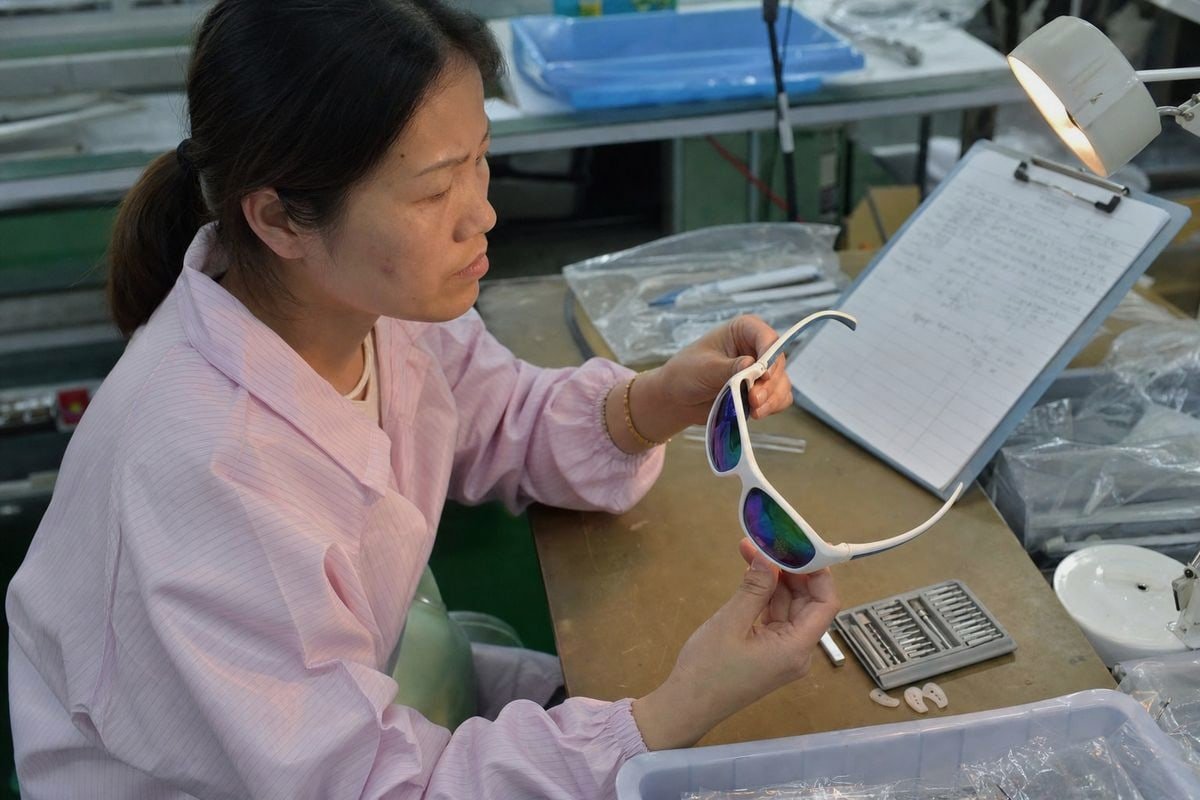
Durability is not designed once. It is enforced batch after batch. A frame that tests beautifully as a sample but varies in production will still generate returns. So when you evaluate suppliers, look past the showroom sample and audit the process behind it.
قولبة TPEE و TR90 داخل الشركة، وثائق مواد خالية من BPA وغير سامة
| ما يجب التحقق منه | لماذا هو مهم | What good looks like |
|---|---|---|
| Material traceability | Fake or blended TR90 fails early | Certificates for each resin batch |
| Flex and torsion testing | Predicts real-world child abuse | Documented in-process test protocol |
| Hinge cycle testing | Hinges fail before frames do | Repeated open-close cycle checks |
| Coating adhesion checks | Prevents peeling and crazing | Tested against sweat and chemical exposure |
| Dimensional consistency | Fit drives comfort and safety | Tight tolerances across batches |
| Factory vs. trader status | Traders can't control the line | Direct factory with on-site QC |
Beyond QC: reducing your commercial risk
Quality control keeps frames consistent. But supplier choice also affects your speed and risk. At our facility, we maintain roughly 800 existing styles, which lets new brands launch and test the market without heavy mold investment. That matters because durability learnings compound: styles that have already survived thousands of children in the field carry far less risk than an unproven new tool.
Full OEM/ODM support is the other half. Custom colors, logos, يو في 400 8 or polarized lens options, packaging, and accessories should all come from one accountable partner. Fragmented supply chains create fragmented quality. And ask about people, not just machines — a stable workforce of trained assemblers (ours is about 120 workers with 15 years of accumulated eyewear experience) produces more consistent hinge tension and lens seating than a factory with constant turnover.
Finally, think about the parent at the end of the chain. Many families rely on vision insurance benefits that cover one frame per year, or every six months for very young children in some markets. If your frames cannot reliably last that coverage window, parents pay out of pocket — and they remember which brand cost them. A supplier whose QC keeps your frames alive through the insurance cycle is directly protecting your retention rate.
الخلاصة
Kids' eyewear has no fixed expiration date. Growth, prescription changes, and damage set the schedule. Choose flexible, well-made frames and a QC-driven supplier, and replacement becomes a milestone — not a failure.
ملاحظات ختامية
1. Official NEI resource explaining myopia causes and management. ↩︎
2. Explains the polymer class behind TPEE’s flexibility used in children’s eyewear temples. ↩︎
3. Background on the rigid frame material contrasted with flexible TR90/TPEE options. ↩︎
4. CDC resource on children’s vision screening supports the article’s exam recommendation. ↩︎
5. Provides context on the impact-resistant lens material standard for children’s eyewear. ↩︎
6. ISO standard for spectacle frames covers hinge durability testing referenced in the article. ↩︎
7. ASTM standard defines sports eyewear performance criteria mentioned as an alternative to daily frames. ↩︎
8. FDA guidance on UV protection standards for eyewear supports the lens option mentioned. ↩︎
مقالات أخرى قد تعجبك
هل تبحث عن شريك موثوق به للنظارات للأطفال؟
استكشف أكثر من 800 نمط جاهز ودعم OEM/ODM كامل مصمم خصيصًا لعلامتك التجارية.
اتصل بنا English
  Español de México
  Deutsch
  Français
  日本語
日本語  العربية
  Português do Brasil