How to Estimate Breakage Rate for Kids Optical Frames and Order Extra Stock?
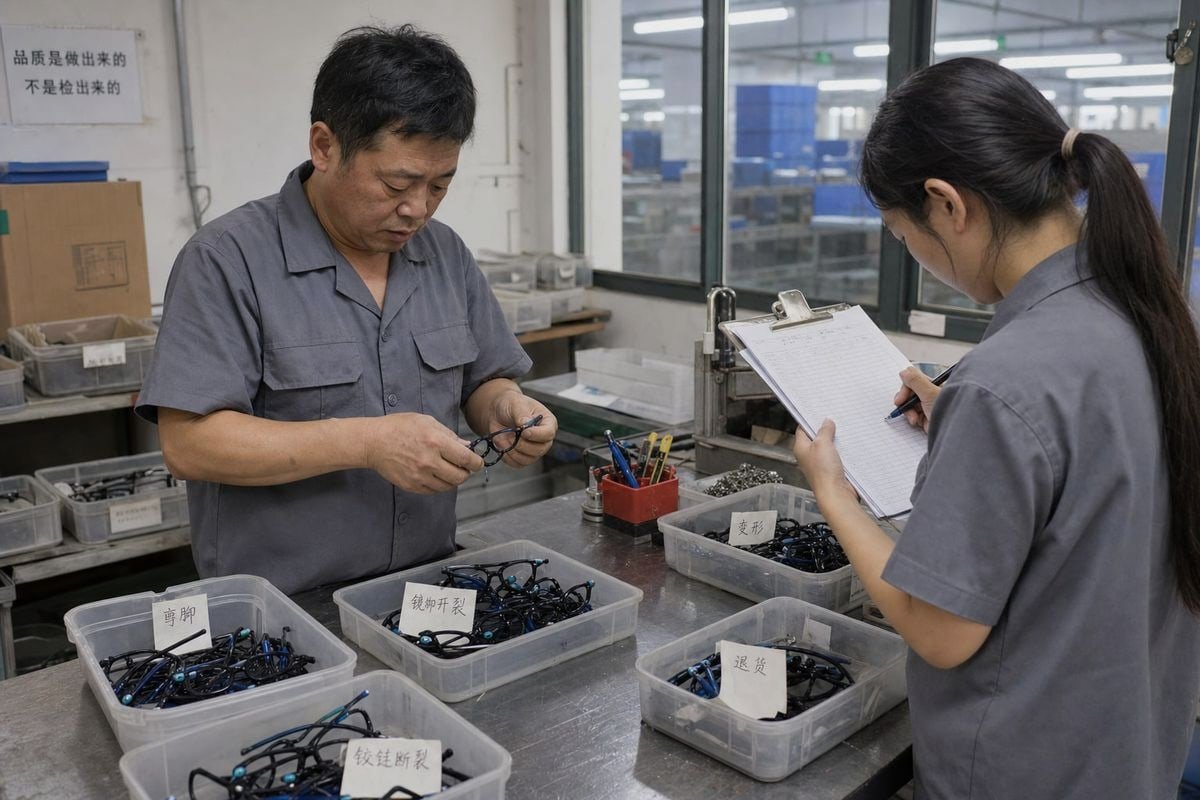
Estimating breakage rate 1 for kids optical frames is a question our buyers ask constantly. On our production line, we see why: children’s glasses fail, and empty shelves cost you sales.
To estimate breakage rate for kids optical frames, track your replacements over 6–12 months, separate breakage from loss and growth, and expect roughly 1–2 pairs per child per year. Then order extra stock using: monthly kids sales × breakage factor × lead time, plus safety stock.
That formula sounds simple. But the inputs matter. Let me walk you through each step, from realistic breakage benchmarks to a working reorder rule you can apply this quarter.
What is a normal breakage rate I should expect for kids optical frames?
A distributor in Australia once sent me photos of forty broken frames from a single school term. That conversation changed how we talk about pediatric eyewear durability with every new buyer at our Taizhou factory.
A normal breakage rate for kids optical frames is 1–2 pairs per child per year, with children aged 5–9 causing the most damage. Expect 15–30% of your annual pediatric frame sales to generate a breakage-driven replacement or repair request.
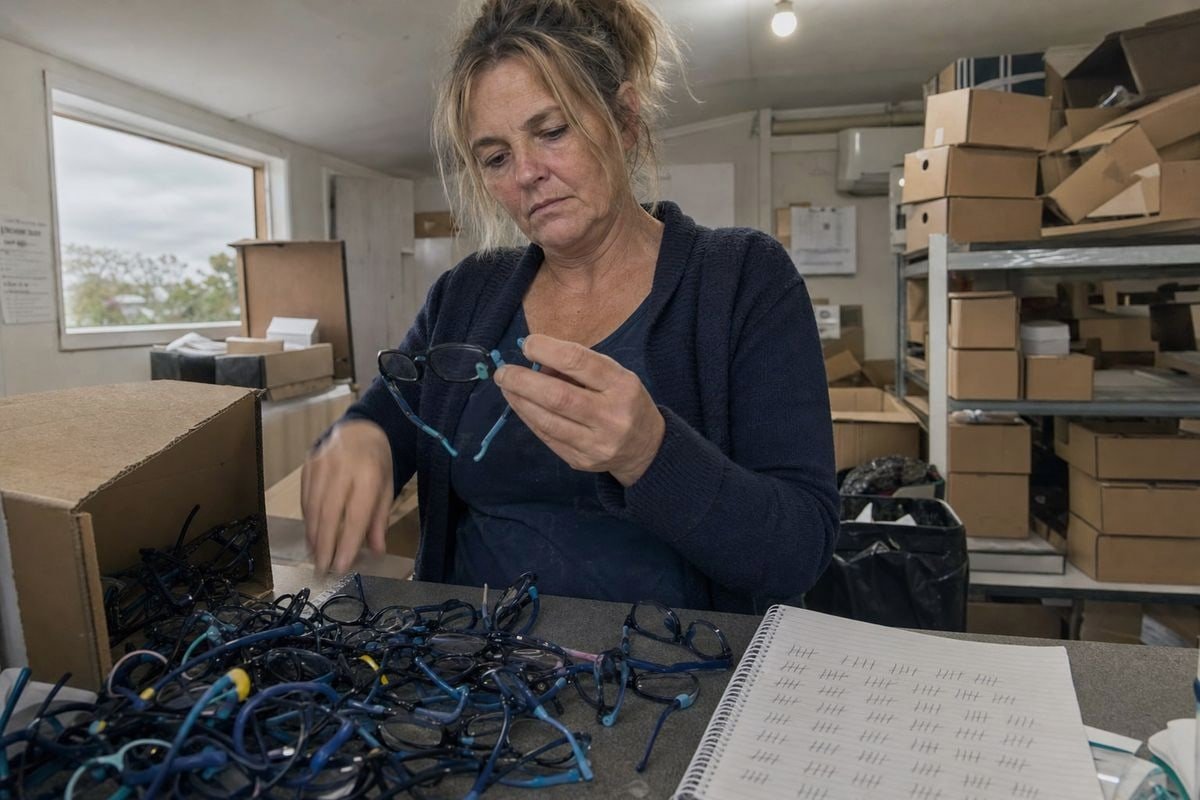
Before you can order extra stock, you need a realistic baseline. The published anecdotal figures are consistent: opticians commonly see children break or lose one to two pairs per year. Some children's frame grades are simply not expected to last longer than twelve months. That is not a quality failure. It is the nature of the segment.
But here is the critical distinction many buyers miss. Breakage rate is not the same as replacement rate. Three separate demand streams create reorders in pediatric eyewear:
- Breakage — dropped, bent, sat on, or twisted frames.
- Loss — glasses left at school, in cars, or at the pool.
- Growth and prescription change — very young children may need a new frame every 3–6 months as facial dimensions change.
If you lump all three together, your breakage estimate will be inflated and your stock plan distorted.
Why age segmentation matters more than a flat rate
One flat "kids rate" hides the real risk curve. In our export experience across 20+ countries, buyers who segment by age band order far more accurately.
| Age band | Typical breakage risk | Main failure drivers |
|---|---|---|
| 0–4 years | مرتفع | Rough handling, chewing, pulling; rapid growth adds churn |
| 5–9 years | الأعلى | Play, sports, one-handed removal, backpack damage |
| 10–13 years | معتدل | Sports impacts, careless storage |
| 14+ years | Low–moderate | Closer to adult behavior patterns |
Poor fit amplifies everything. A frame that is too wide, has a mismatched bridge 2, or was bought "to grow into" slides, twists, and fails sooner. So your true breakage rate depends partly on how well your dispensing team fits each child — a clinical issue and an inventory issue at the same time.
How do I calculate the right amount of extra stock to order for breakage coverage?
The trade-off I weigh with buyers every week is capital tied up in shelves versus a child waiting two weeks without glasses. Neither extreme is acceptable, so we help clients build a simple numbers-based rule.
Calculate extra stock as: average monthly kids frame sales × breakage factor × replenishment lead time in months, plus safety stock. Safety stock = (maximum daily sales × maximum lead time) − (average daily sales × average lead time). Adjust upward 30–50% for back-to-school peaks.

جيد optical retail management 3 starts with your own data, not vendor averages. Pull your point-of-sale and remake records for the last 6–12 months. Tag every pediatric replacement as breakage, loss, or growth. Your breakage factor is simply breakage replacements divided by total pediatric units sold in that period. Then sanity-check it against the published 1–2 pairs per year figure. If your number is wildly higher, look at fit practices or frame quality before ordering more inventory.
مثال عملي
Say you sell 60 kids frames per month. Your logs show a breakage factor of 0.20 (one in five frames comes back broken within the year, averaged monthly). Your supply chain lead time from order to shelf is 1.5 months.
| إدخال | Value |
|---|---|
| Average monthly kids frame sales | 60 units |
| Breakage factor (from your logs) | 0.20 |
| Replenishment lead time | 1.5 months |
| Base extra stock | 60 × 0.20 × 1.5 = 18 units |
| Safety stock buffer | +6 units (peak variance) |
| Total extra stock to hold | 24 units |
Spread those 24 units across your best-selling SKUs, not evenly across the wall. This is where SKU turnover rate matters: a tiered approach works best.
Tier your buffer, don't flatten it
- A-grade frames (top sellers, core colors, core sizes): hold 2–4 weeks of extra stock, often more than one backup unit per style.
- B-grade frames: hold a small buffer of one unit in the most common size.
- Specialty or fashion styles: stay lean and rely on quick reorders and frame warranty claims instead.
Finally, set a reorder point calculation for each A-grade SKU: reorder when stock hits (average daily sales × lead time) + safety stock. Integrate school calendars and local youth sports seasons into your planning, and pre-order two weeks before peak activity windows. Practices with long lead times or high pediatric volume should hold more; those with fast replenishment can hold less.
Which frame materials help me reduce breakage rates in children's eyewear?
When we were developing our TR90 kids optical frames 4 with TPEE temples, our engineers bent sample temples through thousands of flex cycles before approving production. That material fatigue testing taught us exactly where children's frames fail — and how material choice changes the math.
Shape-memory materials like TR90 and TPEE cut breakage rates significantly compared with rigid acetate or metal. Combine a flexible TR90 front, TPEE temples, spring hinge mechanisms, and impact-resistant polycarbonate lenses to reduce the failures that drive most pediatric replacement orders.

Material choice directly changes your breakage factor, which changes how much extra stock you need. In other words, durable frames are an inventory decision, not just a product decision. Here is how the common children's frame materials compare, based on what we see across roughly 800 styles in our catalog:
| المواد | المرونة | مقاومة الصدمات | الوزن | Relative breakage risk |
|---|---|---|---|---|
| TR90 | High (shape memory) | ممتازة | خفيف جدا | منخفض |
| TPEE | Very high (rubber-like) | ممتازة | خفيف جدا | الأدنى |
| معابد TR90 + TPEE | عالي جداً | ممتازة | خفيف جدا | الأدنى |
| Standard acetate | Low–moderate | جيد | معتدل | Moderate–high |
| Metal with nose pads | منخفض | معتدل | خفيف | High for young kids |
Beyond the base material
The frame body is only part of the story. Hinges are the single most common failure point we see in returned samples. Reinforced 180-degree spring hinge mechanisms 5 absorb the outward twisting force of one-handed removal — the classic kid habit. Track your own failure points too: if hinges break more than bridges in your returns, shift procurement toward spring-hinged or hingeless flexible designs.
Two more rules protect your stock plan. First, never dispense glass lenses to children; impact-resistant polycarbonate 6 is the standard, and scratched lenses lose impact resistance, so replace them rather than tolerate them. Second, fit trumps material. Even our most flexible TPEE frame will fail early if it is oversized and constantly knocked off. Durable materials and proper fit work together — one without the other still means a high breakage rate. For highly active kids, add a strap option or recommend sports-specific eyewear as a companion sale.
How can I work with my manufacturer on a replacement stock or warranty policy for broken frames?
A lesson I learned early in fifteen years of eyewear production: the buyers who negotiate replacement terms before the first purchase order always run smoother reorder cycles than those who raise breakage only after complaints arrive.
Negotiate three things with your manufacturer: a defined warranty covering manufacturing defects and hinge failures, a spare-parts supply of temples and bridges, and a standing replenishment agreement with reserved production capacity for your core kids SKUs during peak seasons.
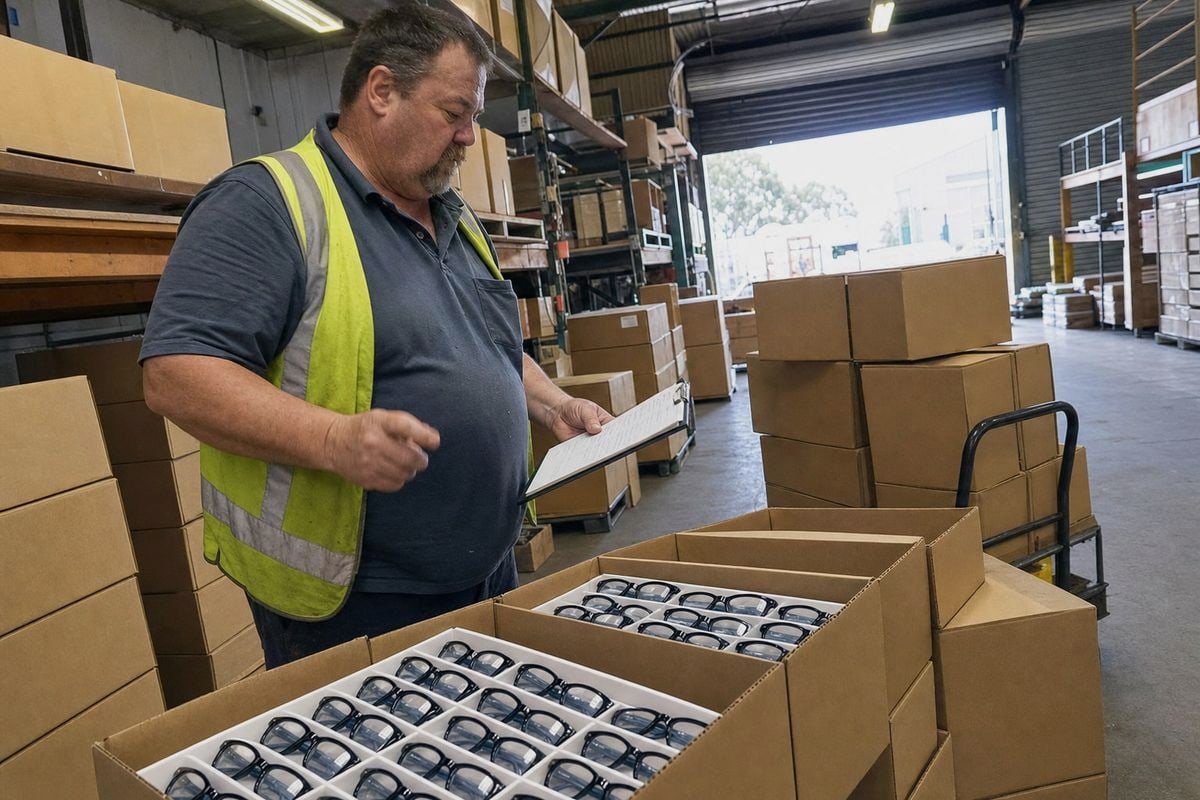
A warranty strategy and an inventory strategy solve different problems. Warranties reduce your cost exposure when frames fail. Extra stock reduces downtime for the child. You need both, because a warranty credit does not help a seven-year-old who cannot see the whiteboard tomorrow morning. When we set up OEM programs for kids brands in Europe and Japan, we structure the conversation around four practical elements.
What to put in the agreement
- Clear defect definitions. Separate manufacturing defects 7 (hinge failure under normal use, coating peel, frame cracking without impact) from user damage. This keeps frame warranty claims fast and dispute-free.
- Modular spare parts. Stocking individual temples and bridges resolves the majority of breakages without depleting full-frame inventory. Ask your factory to include a small spare-parts kit — extra temples in core colors — with each bulk order. We do this for several long-term clients, and it cuts their full-frame replacement draw noticeably.
- Replenishment terms. Agree on lead times in writing, ask about reserved capacity before back-to-school season, and confirm minimum reorder quantities for single-color, single-size top-ups rather than full-collection minimums.
- Data sharing. Send your factory your breakage logs. When a buyer showed us repeated failures at one hinge point, our engineers revised the mold and reinforced the joint. Your data improves the next production run — and lowers your future breakage factor.
Some brands go further and build a backup-pair or subscription-style replacement offer for parents, using their known breakage probability to price an annual fee. That model only works if your manufacturer can supply consistent, retail-ready replacement stock on schedule — so choose a partner with genuine capacity and quality control, not just a low unit price.
الخلاصة
Kids frames will break — plan for it. Measure your own breakage factor, tier your safety stock, choose flexible TR90/TPEE builds, and lock warranty terms with your factory early.
ملاحظات ختامية
1. Wikipedia entry defining failure and breakage rates in technical and industrial contexts. ↩︎
2. AAO guide on proper fit and bridge selection to ensure children’s eyewear stays in place. ↩︎
3. Wikipedia overview of retail management principles applicable to optical inventory and sales tracking. ↩︎
4. Technical background on Nylon 12, the polymer used for TR90 flexible eyewear frames. ↩︎
5. Authoritative industry guide that specifically defines 180-degree hinges and their benefits for kids’ frames. ↩︎
6. American Academy of Ophthalmology recommendation for polycarbonate as the safest lens material for children. ↩︎
7. ISO standard defining the quality and performance requirements for spectacle frames. ↩︎
مقالات أخرى قد تعجبك
أغسطس 5, 2026
Bio-Based vs Regular Cellulose Acetate: What's the Difference for Kids' Frames?
أغسطس 5, 2026
How Recyclable Are Kids' Optical Frame Materials, and What Eco-Friendly Alternatives Exist?
أغسطس 5, 2026
Do Kids Optical Frames Whiten or Age in Storage, and How to Control Warehouse Conditions?
هل تبحث عن شريك موثوق به للنظارات للأطفال؟
استكشف أكثر من 800 نمط جاهز ودعم OEM/ODM كامل مصمم خصيصًا لعلامتك التجارية.
اتصل بنا English
  Español de México
  Deutsch
  Français
  日本語
日本語  العربية
  Português do Brasil