How to Clear Kids Optical Frames Inventory Without Undermining Retail Price?
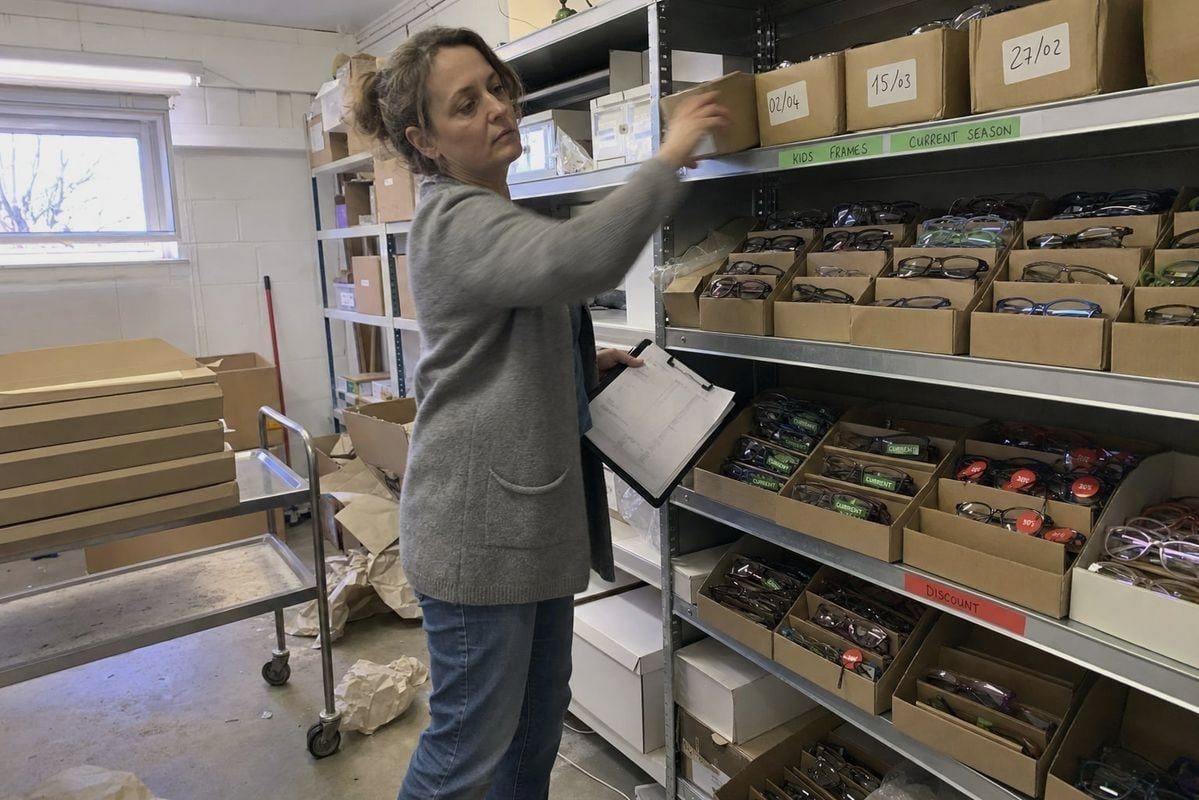
Buyers ask us how to clear kids optical frames inventory almost every quarter aged dead stock 1. Overstocked frames tie up cash, age badly, and tempt panic discounting that damages your retail price.
To clear kids optical frames inventory without undermining retail price, discount only aged dead stock, run time-boxed clearance events, bundle old frames with premium lenses or second-pair offers, negotiate vendor exchanges, and tighten future purchasing so clearance stays a one-time correction, not a habit.
That is the short answer. Below, I break down each part. I will show you what to clear, how to clear it, and how to stop the overstock from coming back.
How can I move slow-selling kids optical frames without triggering a race to the bottom on price?
During a factory visit last spring, a European distributor told me his kids frame board had not turned in 14 months vendor buybacks 2. His first instinct was a 50% storewide sale. We talked him out of it.
Move slow-selling kids frames by isolating them from your core assortment first. Apply staged markdowns only to flagged dead stock, promote them as second pairs or sports backups, and keep current best-sellers at full price. Never discount the whole children's category at once.
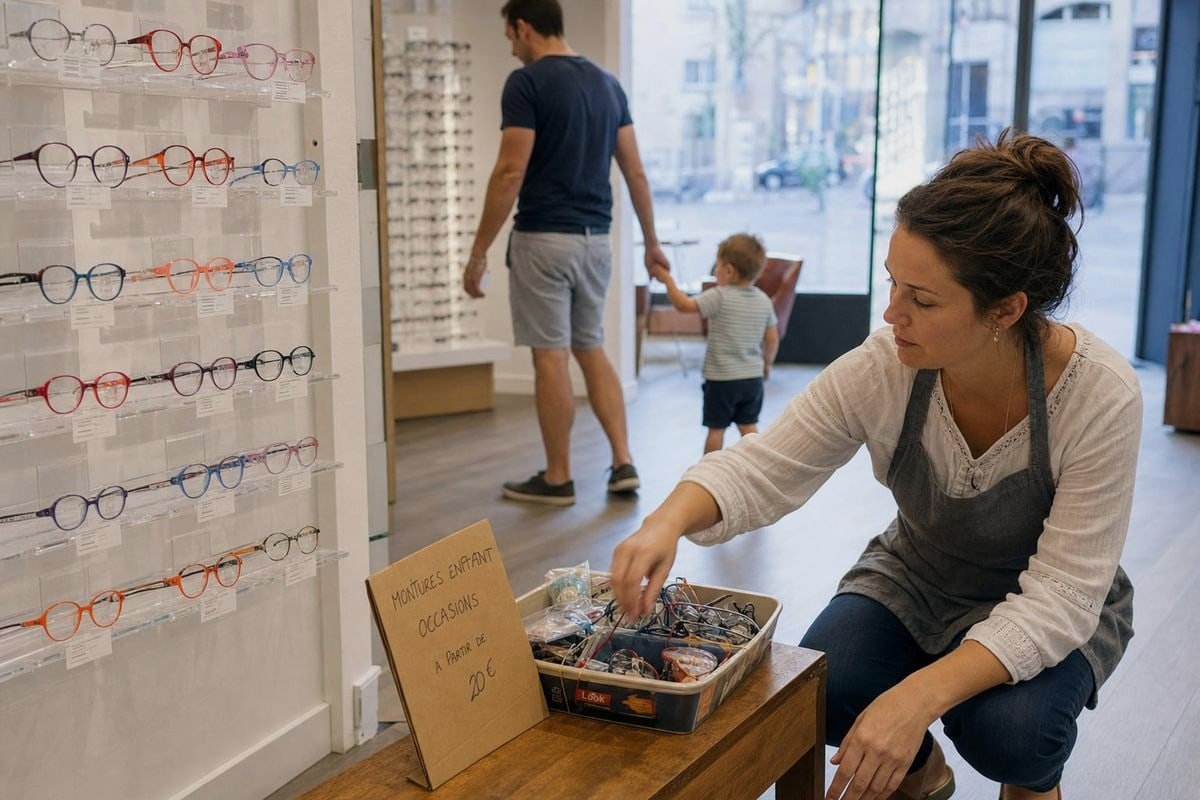
The core principle is simple: clear the backstock, not the brand Promotional bundling 3. A race to the bottom starts when families learn that kids frames always go on sale eventually. Once parents expect discounts, your full-price conversion collapses. So the goal is surgical dead stock reduction, not a category-wide sale.
Separate the sick from the healthy
Start with your inventory turnover metrics 4. Pull an aged-stock report and flag every frame older than 12 months or with fewer than one turn per year. Then compare your sales mix to your inventory mix. If kids frames are 15% of your sales but 30% of your frame board, your assortment is out of balance. That imbalance, not price, is usually the real problem.
Use a markdown ladder, not a cliff
Staged discounts protect price perception better than one deep cut. Here is a simple ladder we recommend to our wholesale partners:
| المرحلة | التوقيت | Discount | Message to shopper |
|---|---|---|---|
| 1 | Months 12–15 in stock | 20–25% off | "Select styles, limited time" |
| 2 | Months 15–18 | 35–40% off | "Final styles from last season" |
| 3 | Month 18+ | 50%+ or donate | "Last chance" or remove quietly |
Each stage has a deadline. Deadlines create urgency without teaching customers to wait forever. Keep the clearance frames on a separate display, away from your regular-price children's eyewear. Physical separation signals that the discount applies to these frames only, and the rest of the assortment holds its value.
What clearance strategies protect my brand's retail positioning while still freeing up warehouse space?
One trade-off we weigh constantly in our Taizhou workshop is speed versus positioning. A frame can leave a warehouse fast or leave it cleanly. The best clearance tactics manage both.
The safest clearance strategies are controlled trunk-show or open-house events, discounted second-pair programs where lenses carry the margin, vendor buybacks or supplier exchanges, staff incentives on designated clearance lines, and off-channel disposal such as donations or eyewear closeout deals to secondary markets.
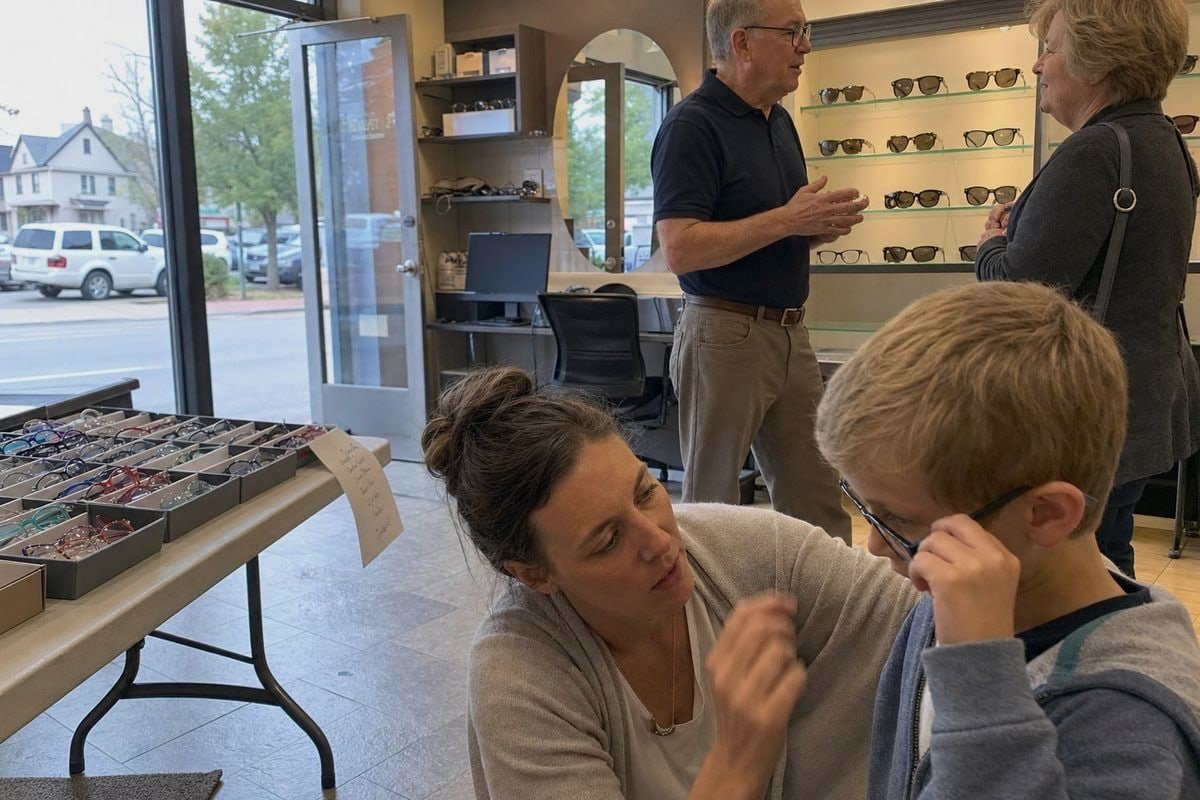
Not all clearance channels carry the same brand risk. Some tactics move units quietly. Others broadcast a discount message to every patient who walks in. Good optical dispensary management means matching the tactic to the stock you are clearing.
Compare the main clearance channels
| Tactic | Speed | Brand risk | Margin recovery | الدفع الآمن عبر المنصة |
|---|---|---|---|---|
| Controlled clearance event | Fast | منخفض إلى متوسط | Medium (lenses carry margin) | Larger batches of aged frames |
| Second-pair offer 5 | متوسط | منخفض جدًا | مرتفع | Frames with broad size appeal |
| Vendor buyback / exchange | متوسط | لا شيء | متوسط | Stock under 12 months old |
| Staff sales incentives | متوسط | منخفض جدًا | متوسط | Specific slow-moving lines |
| Closeout to secondary channel | Fast | Low (off-brand) | منخفض | Very old or discontinued styles |
| Donation programs | Fast | Positive | None, but goodwill | Stock past economic recovery |
Why events beat permanent markdowns
A one-day open house aimed at old inventory works because it is framed as an event, not a policy. Parents understand that the sale ends. Pair every clearance frame with full-price lenses, coatings, or a blue-light option, and the transaction still earns real margin. One optical-management approach many of our customers use: the frame is the hook, the lens package is the profit.
Staff incentives matter too. Pay your opticians a small bonus for each designated clearance frame they move. This focuses selling energy on the frames you want gone, while regular-price stock stays untouched by discount conversations.
Should I bundle, rebrand, or repackage old inventory instead of discounting it directly?
عندما قمنا بتطوير OEM packaging program 6, a Japanese buyer surprised us. She cleared two seasons of aged frames simply by repackaging them into a back-to-school gift set. No markdown at all.
Yes, often. Promotional bundling, repackaging, and light rebranding can move old kids frames at or near full price. Pair aged frames with premium lens upgrades, protection plans, cases, or seasonal kits so the value increases instead of the price decreasing. Discount directly only when bundling fails.
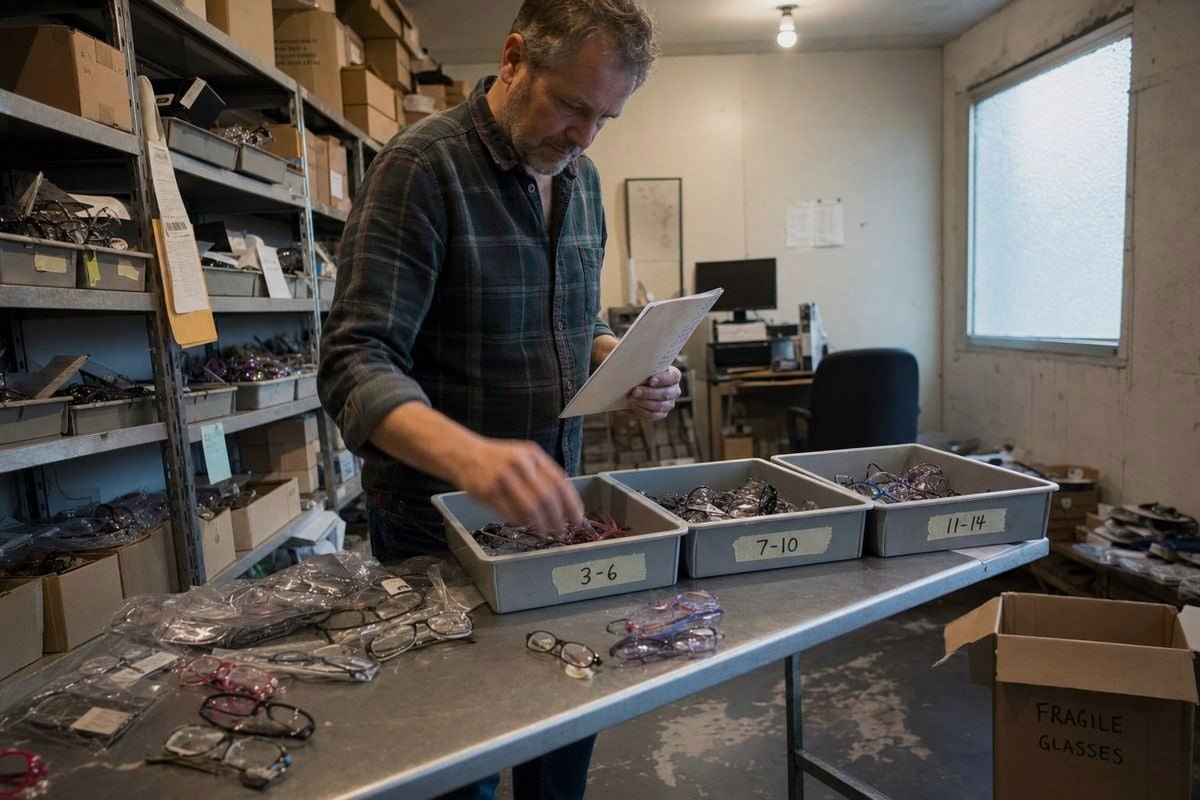
Discounting reduces price. Bundling increases perceived value. Both close the gap between what the frame costs and what the shopper will pay, but they send opposite signals about your retail pricing tactics. Whenever possible, add value first.
A decision path for old stock
- Check the product itself. Is the frame still safe, current in fit, and undamaged? A flexible TR90 frame with TPEE temples ages well physically; a dated color story ages fast visually.
- Try a bundle. Combine the frame with polycarbonate lenses, anti-glare or blue-light coating, a hard case, and a one-year protection plan. Sell the package, not the frame.
- Try repositioning. Market the frame as a sports backup, a school spare, or an FSA/HSA year-end purchase. A second-pair story changes the buying rationale without touching the price.
- Try repackaging. New retail-ready boxes, a seasonal sleeve, or a small gift item can refresh a style for back-to-school or holiday seasonal sales planning.
- Discount last. If the frame still will not move, it is true dead stock. Apply the markdown ladder 7 and exit it.
Where repackaging works best
Repackaging works when the frame is fine but the presentation is stale. In our experience supplying children's product brands across 20+ countries, kids frames rarely fail on function. They fail on story. A glossy black frame with royal-blue silicone temple tips sells as a "sports durability" pair in one market and a "everyday school" pair in another. Same frame, different packaging, different sell-through. Because we offer custom packaging and accessories as part of our ODM support, several of our brand customers refresh slow lines this way rather than cutting price at retail.
How do I work with my manufacturer to prevent excess inventory from building up in future orders?
A lesson we learned early in our 15 years of eyewear production: most overstock is created at the purchase order, not at the shelf. The children's eyewear market punishes overbuying harder than the adult market because sizes and tastes are narrower.
Prevent future overstock by building a kids frame matrix tied to your actual pediatric sales mix, ordering less but more often, choosing suppliers with ready-made style libraries and low minimums, confirming supplier exchange policies upfront, and reviewing turn rates with your manufacturer every quarter.

Your manufacturer should be part of your inventory management strategies, not just a shipping address. The right partner structure reduces the amount of stock you must hold at any moment.
Buy from a style library, not from molds
New brands often overbuy because tooling forces big commitments. This is exactly why we maintain roughly 800 existing styles at our factory. A buyer can test five or six kids styles in small quantities, read real sell-through data, and reorder only the winners. No mold investment means no pressure to order deep on unproven designs. Lower risk at the order stage means less slow-moving stock at the retail stage.
Set the rules before the first PO
| Prevention lever | What to agree with your manufacturer | Why it protects you |
|---|---|---|
| Frame matrix | Define kids share, size range, colors, price tiers | Purchases mirror real demand, not optimism |
| Order cadence | Smaller orders, more frequent replenishment | Cash and shelf space stay flexible |
| Reorder triggers | Restock only when a style hits a turn threshold | Winners get depth; losers get cut |
| Exchange terms | Ask about swaps on unsold colorways within a set window | Aged stock rotates instead of dying |
| Seasonal buys | Cap extra units for back-to-school or summer sunwear | Seasonal peaks do not become permanent overhang |
| Quarterly review | Share sell-through data both ways | Forecasts improve every cycle |
Simplify the assortment
Carry fewer children's collections with more depth in each. Frame board optimization is easier with 4 strong lines than 10 shallow ones. Every quarter, we sit with repeat buyers, look at their turn data, and trim the tail together. When purchasing discipline improves, clearance becomes a rare event instead of an annual ritual — and your retail price stays credible year-round.
الخلاصة
Excess kids frames drain cash and threaten your pricing. Clear only true dead stock, use time-boxed events and bundles, and fix buying discipline with your manufacturer so overstock never returns.
ملاحظات ختامية
1. Explains how to identify, prevent, and liquidate unsold inventory, including the concept of aged dead stock. ↩︎
2. Explains what vendor buybacks are and their benefits for both buyers and suppliers in managing unsold inventory. ↩︎
3. Defines product bundling as a pricing and merchandising strategy to sell multiple products together and increase perceived value. ↩︎
4. Provides a detailed explanation of inventory turnover, its calculation, and its purpose in inventory management. ↩︎
5. Discusses strategies for driving second-pair eyewear sales, including the use of discounts and early conversations. ↩︎
6. Provides a comprehensive guide to OEM packaging, defining its purpose, benefits, and impact on branding and customer perception. ↩︎
7. Defines and explains the concept of a discount ladder as a predefined sequence of markdown levels for inventory management. ↩︎
مقالات أخرى قد تعجبك
أغسطس 5, 2026
Bio-Based vs Regular Cellulose Acetate: What's the Difference for Kids' Frames?

أغسطس 5, 2026
How Recyclable Are Kids' Optical Frame Materials, and What Eco-Friendly Alternatives Exist?
أغسطس 5, 2026
Do Kids Optical Frames Whiten or Age in Storage, and How to Control Warehouse Conditions?
هل تبحث عن شريك موثوق به للنظارات للأطفال؟
استكشف أكثر من 800 نمط جاهز ودعم OEM/ODM كامل مصمم خصيصًا لعلامتك التجارية.
اتصل بنا English
  Español de México
  Deutsch
  Français
  日本語
日本語  العربية
  Português do Brasil