How to Choose Kids Optical Frames for Long-Term Subscription Restocking?
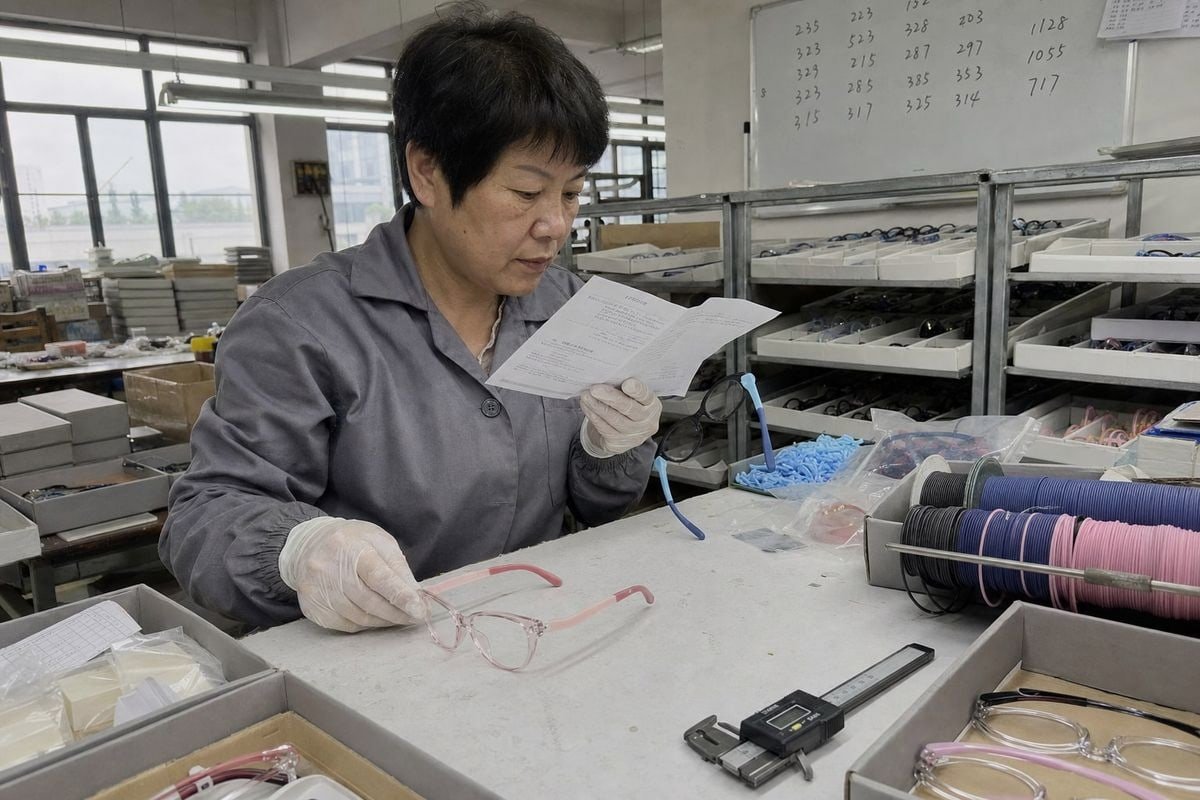
Choosing kids optical frames for long-term subscription restocking is harder than it looks Full OEM/ODM capability 1. On our production line in Taizhou, I have watched promising subscription brands stumble over one avoidable mistake: they picked frames that looked great in month one but could not be reordered consistently in month six. The sizing drifted. The colors changed. The supplier discontinued the SKU. Suddenly, their whole restocking model fell apart, and angry parents canceled. The solution is to select frames — and a manufacturing partner — built for repeatability from day one.
To choose kids optical frames for subscription restocking, prioritize flexible, durable materials like TR90 and TPEE, verified fit measurements (lens width, bridge, temple length), broad style variety from stable SKUs, and a factory partner that guarantees consistent sizing, color matching, and on-time reorders across every cycle.
Let me break this down into the four questions every subscription buyer asks us. Each one affects your retention rate, your return rate, and your margins.
How can I find a supplier with enough style variety to keep my subscription boxes fresh every cycle?
A buyer from Australia once told me her biggest fear was not quality — it was boredom. Her subscribers expected something new every quarter, and her previous supplier offered only forty styles. Our catalog solved that overnight.
Find a supplier with a large, ready-made style library — ideally hundreds of existing molds — covering multiple shapes, sizes, and colorways. This lets you rotate fresh designs each cycle without paying for new tooling, while keeping core best-sellers permanently available for restocking.
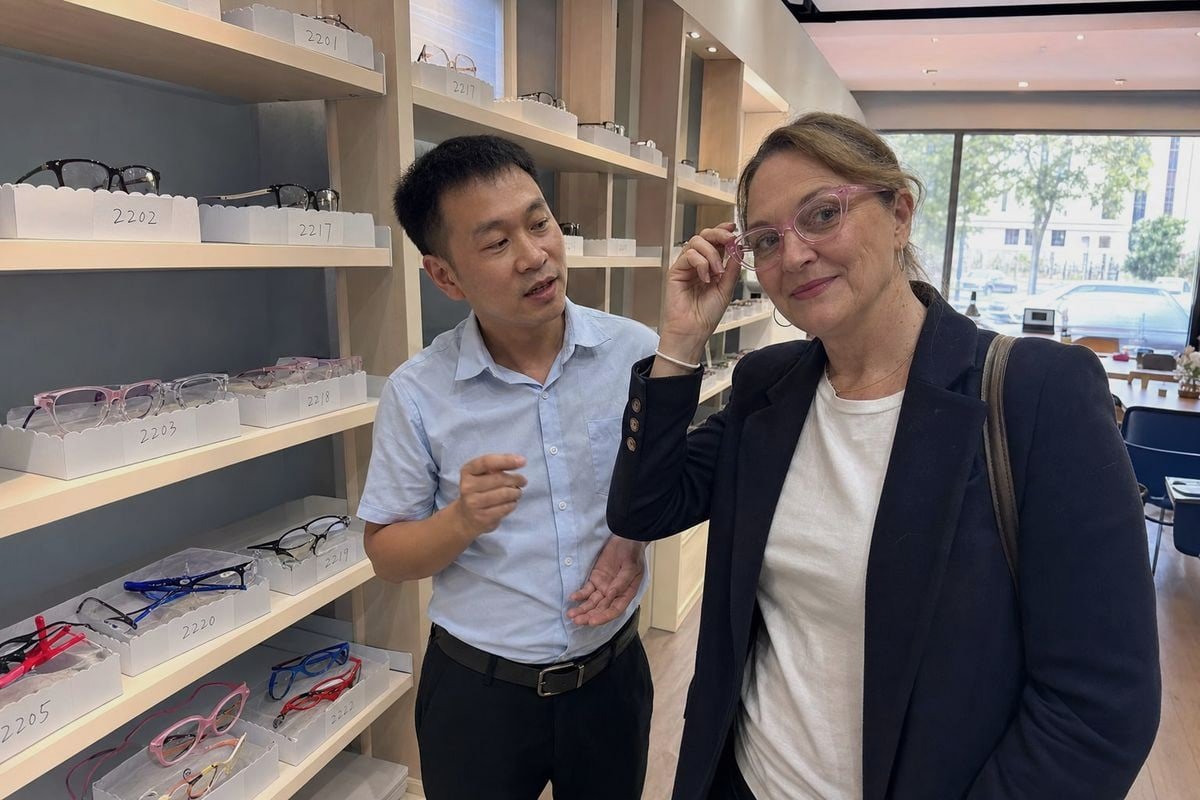
Style fatigue is a silent killer for any eyewear subscription service. Kids want color and personality. Parents want function. Your job is to satisfy both, every single cycle, without blowing your budget on custom molds.
Here is the practical math. A new mold 2 for a children's frame can cost thousands of dollars and take months to develop. If you need six to twelve fresh looks per year, custom tooling alone can sink a young brand. That is why we built our library to roughly 800 existing styles. Buyers can test the market with low risk, then invest in custom designs only after a shape proves itself.
What variety actually means for a subscription box
Variety is not just "many colors." It has three layers:
| Variety Layer | What It Includes | Why It Matters for Restocking |
|---|---|---|
| Shape | Rounded rectangle, soft square, cat-eye-inspired, sporty wrap | Different face shapes and ages need different silhouettes |
| Size range | Toddler eyeglasses through pre-teen sizes | Pre-teens sit between child and adult sizing; you need both ends |
| Color & finish | Glossy black, two-tone rubber, translucent "jelly" pastels | Child preference drives compliance and reduces returns |
Take two frames from our own line as examples. One is a glossy black rounded rectangle with navy-and-black flexible rubber temples 3 and cable-style ear hooks — sporty, secure, made for active boys and girls. Another is a translucent blush-pink acetate-look frame with a soft cat-eye shape and matte silicone temple tips — minimalist and cute. Same fit philosophy, completely different personality. That is the kind of range that keeps boxes fresh.
Also, ask your supplier one blunt question: which styles are permanent, and which are seasonal? Your anchor SKUs must never disappear mid-subscription. A good factory will flag its evergreen molds clearly and commit to keeping them in production.
What frame materials will hold up to repeated wear and shipping without breaking my quality standards?
Material choice is where I spend the most time educating new buyers. Fifteen years of making children's eyewear taught our team one thing: kids do not break glasses on purpose, but they will absolutely find every weak point.
Choose TR90 fronts with TPEE or rubberized temples for the best balance of flexibility, weight, and durability. Add spring hinges, cable temples for younger kids, and impact-resistant polycarbonate lenses with anti-scratch coating. These flexible frame materials survive drops, twisting, sports, and international shipping.
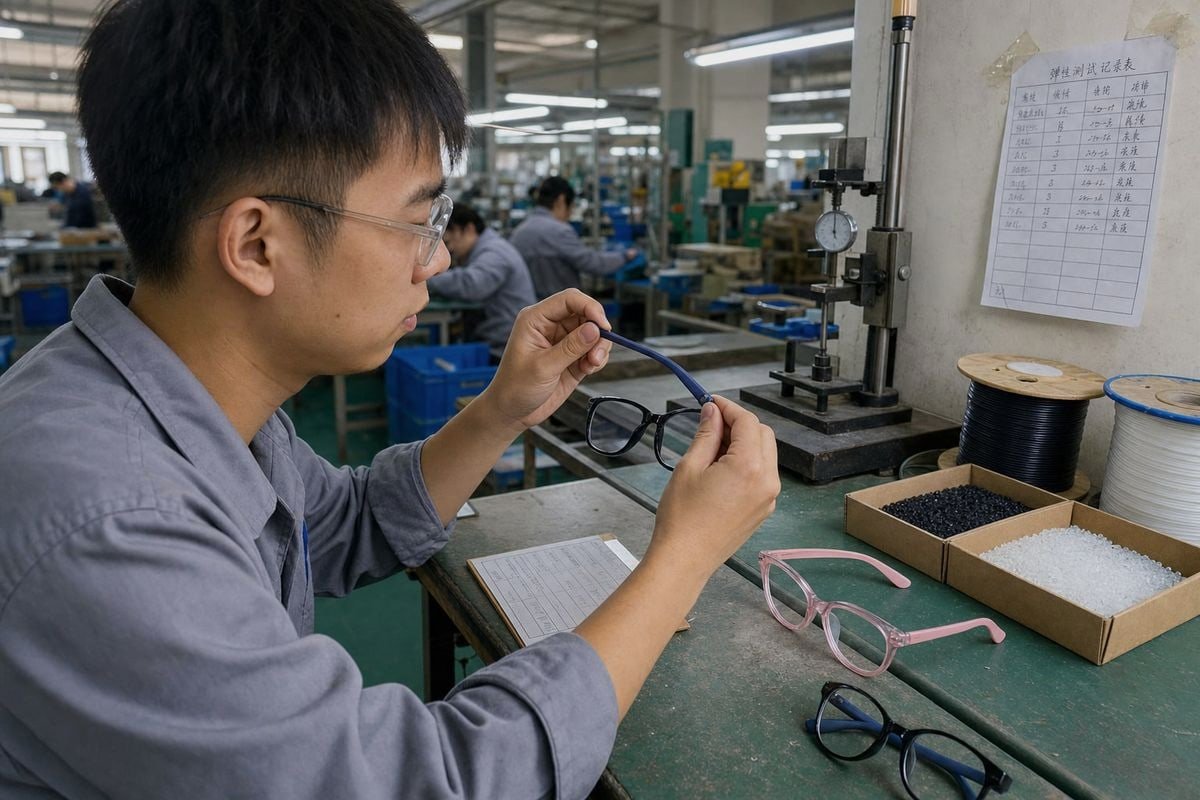
Durability is not one property. It is a system of choices that work together. Let me walk through the system the way our engineers do.
Frame body materials compared
| المواد | المرونة | الوزن | Best Use Case | Restocking Reliability |
|---|---|---|---|---|
| TR90 | High — bends and returns to shape | خفيف جدا | Everyday frames for school-age kids | Excellent; stable, repeatable molding |
| TPEE | Very high — soft and bendable | خفيف جدا | Temples and toddler eyeglasses | Excellent; forgiving of rough handling |
| Standard acetate | Low — rigid, can snap | معتدل | Fashion-forward looks for careful pre-teens | Good, but higher breakage rates |
| Metal / titanium | Moderate (memory metals bend) | Light to moderate | Older kids wanting an adult look | Good, but hinges need reinforcement |
At our factory, the combination we trust most is a TR90 front with TPEE temples. The front holds the lenses securely and keeps its shape. The temples flex when a child pulls the glasses off one-handed — which every child does, every day. This is genuine flexible-material expertise, not just cheap plastic in bright colors.
The details that prevent returns
Beyond the base material, insist on these features:
- Spring hinges. Temples flex outward without cracking, which cuts repair and replacement frequency dramatically.
- Cable temples or ear hooks. For toddlers and active kids, these keep lightweight frames centered without constant adjustment.
- Polycarbonate lenses. Impact-resistant lenses are non-negotiable for children. Polycarbonate or Trivex will not shatter, filters UV, and stays light on small noses. Blue light filtering options add value for screen-heavy households.
- Anti-scratch coating. Kids set glasses lens-down on every surface imaginable. Coating extends usable life between restocks.
One more point buyers overlook: shipping stress. A frame that survives a playground must also survive a container crossing the ocean. Flexible materials absorb transit shocks that crack rigid acetate. That is one reason our export cartons see very low damage claims across the 20+ countries we ship to.
How do I ensure consistent quality and sizing across every restocking order over time?
The trade-off I weigh most often is speed versus consistency. A buyer may push for a faster reorder, but if we rush color mixing or skip a fit check, the second batch will not match the first — and in a subscription business, batch two must be identical to batch one.
Lock every SKU to documented specifications — lens width, bridge width, temple length, color codes, and coatings — then require your factory to verify each restocking batch against a golden sample. Consistent children's eyewear fit depends on written specs, not verbal promises.
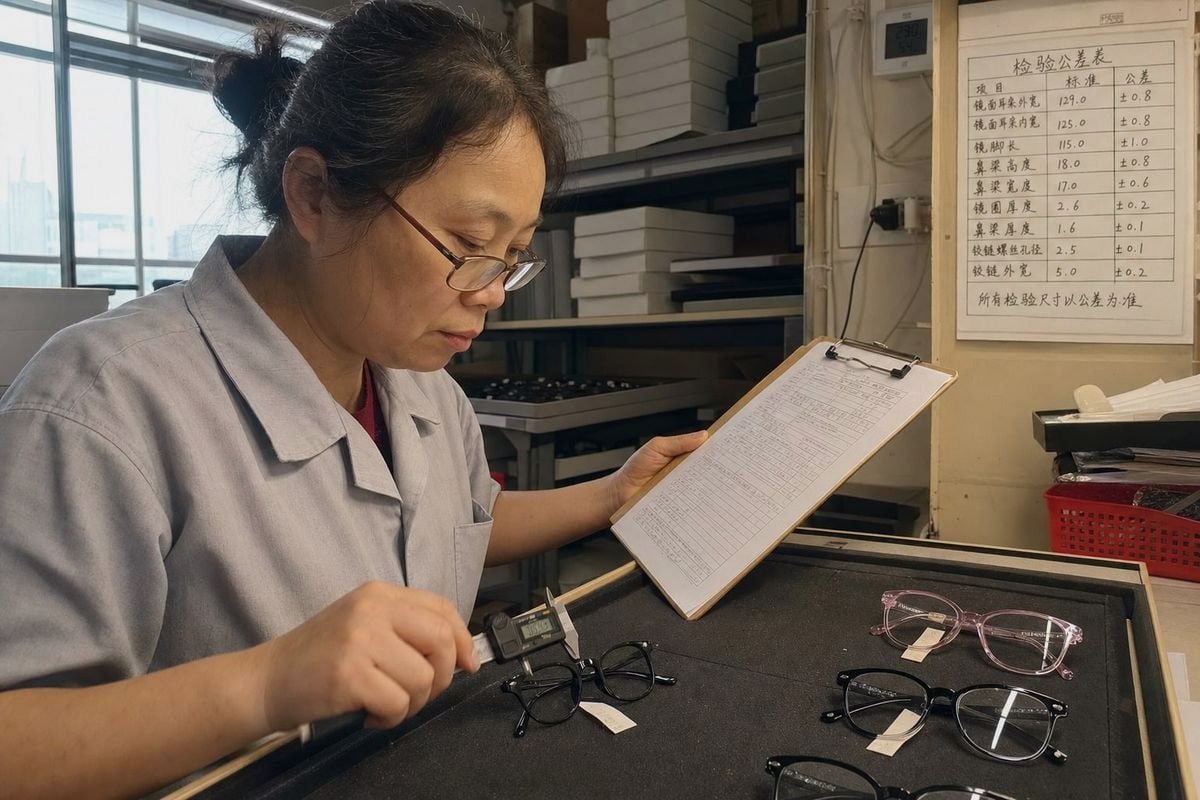
Sizing consistency matters more in children's eyewear than almost any other product category. Here is why. Parents reorder based on a known-good pair. If your restocked frame is even slightly different at the bridge, it slides down a child's developing nose, the glasses stop working optically, and the parent blames your brand — not the factory.
The three numbers that must never drift
Every frame carries three measurements printed inside the temple arm:
| Measurement | What It Controls | Acceptable Variance for Restocking |
|---|---|---|
| Lens width | Overall frame proportion on the face | Must match exactly across batches |
| Bridge width | Nose fit and stability | Critical — children's noses are still developing |
| Temple length | Retention behind the ears | Must match; pair with flexible tips for comfort |
When we set up a subscription client's SKUs, we document these numbers alongside color formulas, hinge specs, and lens coatings. Every restocking batch then gets checked against a retained golden sample 5 in our 5S-managed workshop before packing.
Resist the "room to grow" trap
Some buyers ask us to size up frames so kids can "grow into them." I push back every time. Expert guidance is clear: oversized frames fit poorly today, slide constantly, and most children damage or scratch their glasses long before they outgrow them. The smarter subscription logic is the opposite — fit the child correctly now, then use your restocking cycle to step up sizes at the right moment. That is exactly what a recurring model is good at: predictable size refreshes, backup pairs, and planned replacement frames instead of emergency ones.
A practical tip for your customer-facing side: teach parents to read those three frame numbers. Since most subscription orders happen online, measurement literacy reduces misfits and returns. Some brands are even exploring predictive sizing that anticipates growth patterns between shipments — but that only works if the underlying factory sizing never drifts.
What should I look for in a manufacturing partner to guarantee reliable, on-time restocking for my subscription business?
A lesson I learned early in our export business: subscription buyers do not really buy frames. They buy predictability. One missed restocking window can cost a brand an entire cohort of subscribers, so the partner behind the product matters as much as the product itself.
Choose an actual factory — not a trader — with proven SKU continuity, documented QC, full OEM/ODM support for logos and packaging, transparent lead times, and clear communication. Verify workforce size, years of experience, and willingness to commit evergreen molds to your restocking calendar.
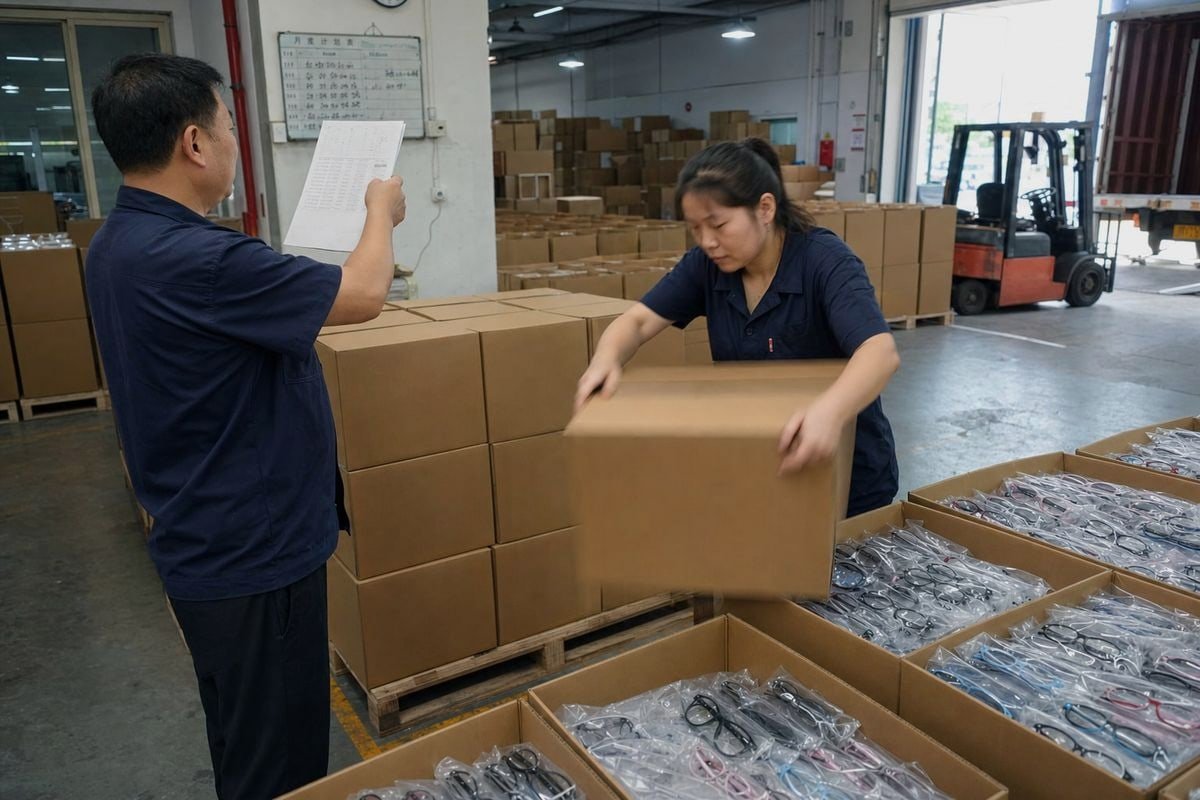
Let me be direct about what separates a restocking-ready partner from an ordinary supplier. Over fifteen years, our team of roughly 120 workers has served children's brands, importers, optical companies, and distributors across more than twenty countries. The buyers who succeed long-term all evaluate partners on the same checklist.
The subscription partner checklist
- Factory-direct, not trading. A trader cannot guarantee the same mold, the same line, or the same QC process on reorder. A factory can. Ask for workshop photos, worker counts, and process documentation.
- SKU continuity commitments. Get it in writing: which molds are evergreen, how much notice you receive before any discontinuation, and whether the factory will hold tooling exclusively for your core styles.
- Full OEM/ODM capability. Your boxes need branded, retail-ready presentation — custom colors, printed logos, lens upgrades, packaging, and accessories like cases and straps. Piecing this together from multiple vendors multiplies your failure points.
- Warranty and spare-pair economics. Children's glasses take a beating, so breakage and scratching are expected, not exceptional. Negotiate replacement terms and second-pair pricing upfront. Backup pairs are a natural subscription upsell, and many parents can apply vision insurance benefits toward them.
- Lead-time honesty. A partner who says "45 days" and delivers in 45 days beats one who promises 25 and delivers in 60. Build your restocking calendar around verified, not optimistic, timelines.
- Safety and sustainability alignment. Environmentally friendly materials and safe, comfortable construction are no longer nice-to-haves for parents in Australia, Japan, or Europe. Your factory's material choices become your brand's story.
Finally, judge communication quality during sampling. If a supplier answers spec questions slowly before you have paid, imagine the response after a problem appears in batch five. Reliable restocking is built on boring, consistent, well-documented execution — and that is precisely what you should demand.
الخلاصة
Subscription success in kids optical frames comes down to repeatability: durable flexible materials, locked sizing specs, deep style variety, and a factory partner committed to your restocking calendar.
ملاحظات ختامية
1. Clarifies OEM and ODM manufacturing models and their services. ↩︎
2. Explains custom mold costs and the option of using open molds. ↩︎
3. Details benefits of flexible temples for comfort, durability, and optical alignment. ↩︎
4. Explains how spring hinges work and their benefits for durability and comfort. ↩︎
5. Defines a golden sample as a quality benchmark in manufacturing for consistency. ↩︎
مقالات أخرى قد تعجبك
أغسطس 5, 2026
Bio-Based vs Regular Cellulose Acetate: What's the Difference for Kids' Frames?
أغسطس 5, 2026
How Recyclable Are Kids' Optical Frame Materials, and What Eco-Friendly Alternatives Exist?
أغسطس 5, 2026
Do Kids Optical Frames Whiten or Age in Storage, and How to Control Warehouse Conditions?
هل تبحث عن شريك موثوق به للنظارات للأطفال؟
استكشف أكثر من 800 نمط جاهز ودعم OEM/ODM كامل مصمم خصيصًا لعلامتك التجارية.
اتصل بنا English
  Español de México
  Deutsch
  Français
  日本語
日本語  العربية
  Português do Brasil