How to Avoid Back-to-School Stockouts of Best-Selling Kids Optical Frames?
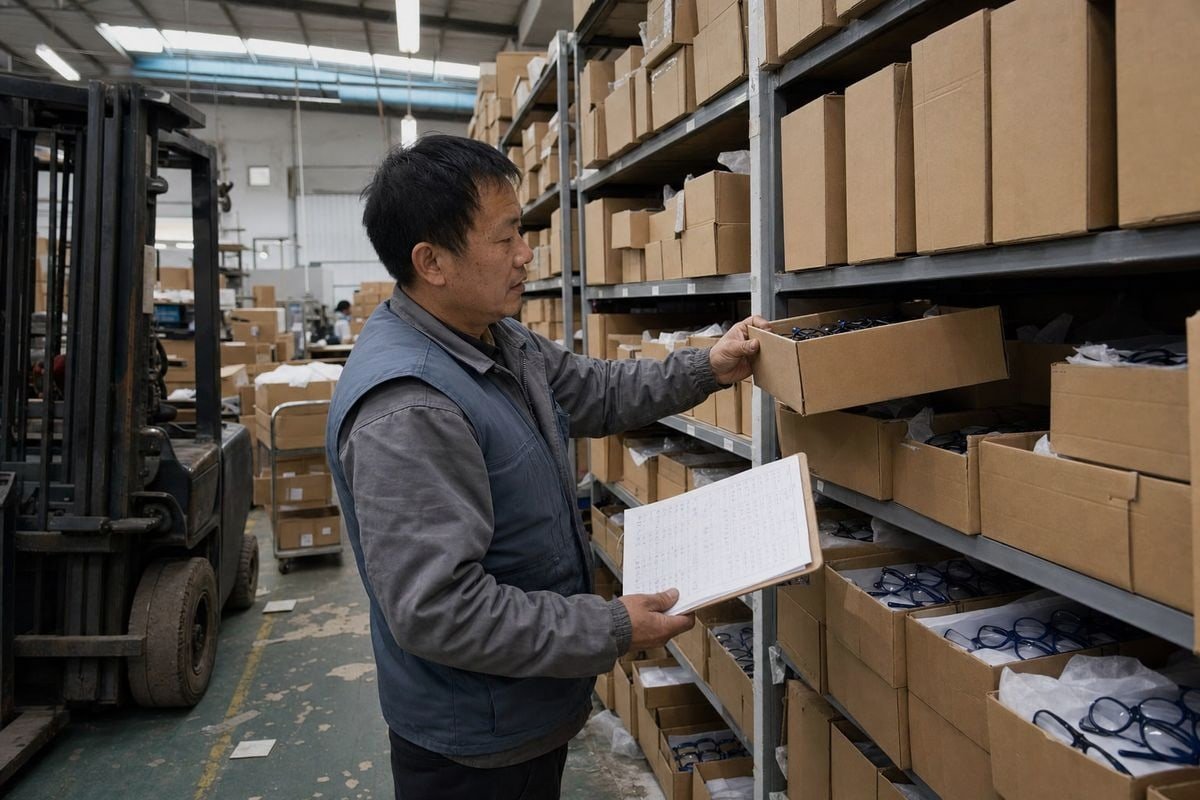
Every July, our factory floor in Taizhou fills with urgent emails about back-to-school stockouts of best-selling kids optical frames rubberized temple tips 1. Buyers who waited too long are suddenly out of options.
To avoid back-to-school stockouts of best-selling kids optical frames, forecast demand at the SKU level using last season’s sell-through data, stock your proven TR90 winners 2–4 weeks deeper, place seasonal orders 4–6 months early, and partner with a factory offering ready styles for fast replenishment.
Each of those four steps deserves a closer look. Below, I break them down in the same order, using what we see from our side of the supply chain every single season.
How can I forecast demand for kids optical frames before the back-to-school rush hits?
A buyer from Australia once told me she ordered "roughly the same as last year." Then a single pink frame sold triple its forecast. Our team now helps clients dig deeper than that.
Forecast demand by analyzing last year's August–September sales at the SKU level, tracking weekly sell-through by color and size, factoring in local school start dates, and separating core replenishment frames from seasonal fashion styles. SKU-level data reveals which exact variants will sell out first.

Category-level forecasting hides the real problem. You might have plenty of "kids frames" in total while your three fastest movers sit at zero. In our experience exporting to buyers in 20+ countries, the stores that avoid stockouts always forecast at the variant level: exact shape, exact color, exact pediatric size.
Start with the data you already have
Your practice management software or POS system already holds the answers. Pull the numbers from last year's back-to-school window and ask three questions. Which SKUs sold out, and when? Which colors and bridge sizes moved fastest? How did appointment volume translate into frame purchases?
Forecast by school start date, not by calendar month
Demand does not follow the calendar. It follows the first day of school in your specific area. A retailer near schools that open in mid-August faces a different peak than one where classes begin in September. Map your forecast to that local date, then work backward.
| Forecasting input | ما يخبرك به | How to use it |
|---|---|---|
| Prior-year SKU sales | Which exact frames sold out | Set deeper buys on proven winners |
| Weekly sell-through analysis | Velocity by color and size | Adjust reorder points before the surge |
| Appointment bookings | Upcoming exam-to-glasses conversions | Predict demand 2–4 weeks ahead |
| Local school start dates | Timing of the peak | Schedule inbound stock arrival |
One more distinction matters. Core frames that sell every year deserve a real forecast and a real safety buffer. Limited fashion styles can be bought shallow and allowed to sell out. Mixing the two is how full-looking frame boards still lose sales. Seasonal demand surges punish vague planning, and children's glasses are a necessity purchase — a parent who cannot buy today will simply buy somewhere else.
Which best-selling TR90 frame styles should I stock extra inventory of for back-to-school season?
When we developed our TR90 frames with TPEE temples, we tested how far a child could twist them before failure. Parents notice durability first — and durable styles dominate our reorder sheets.
Stock extra inventory of flexible TR90 rounded-rectangular frames in common pediatric sizes, styles with soft TPEE or rubberized temples, slip-resistant ear hooks, and lightweight builds. Prioritize black, navy, and clear neutrals plus one or two proven brights like translucent pink.
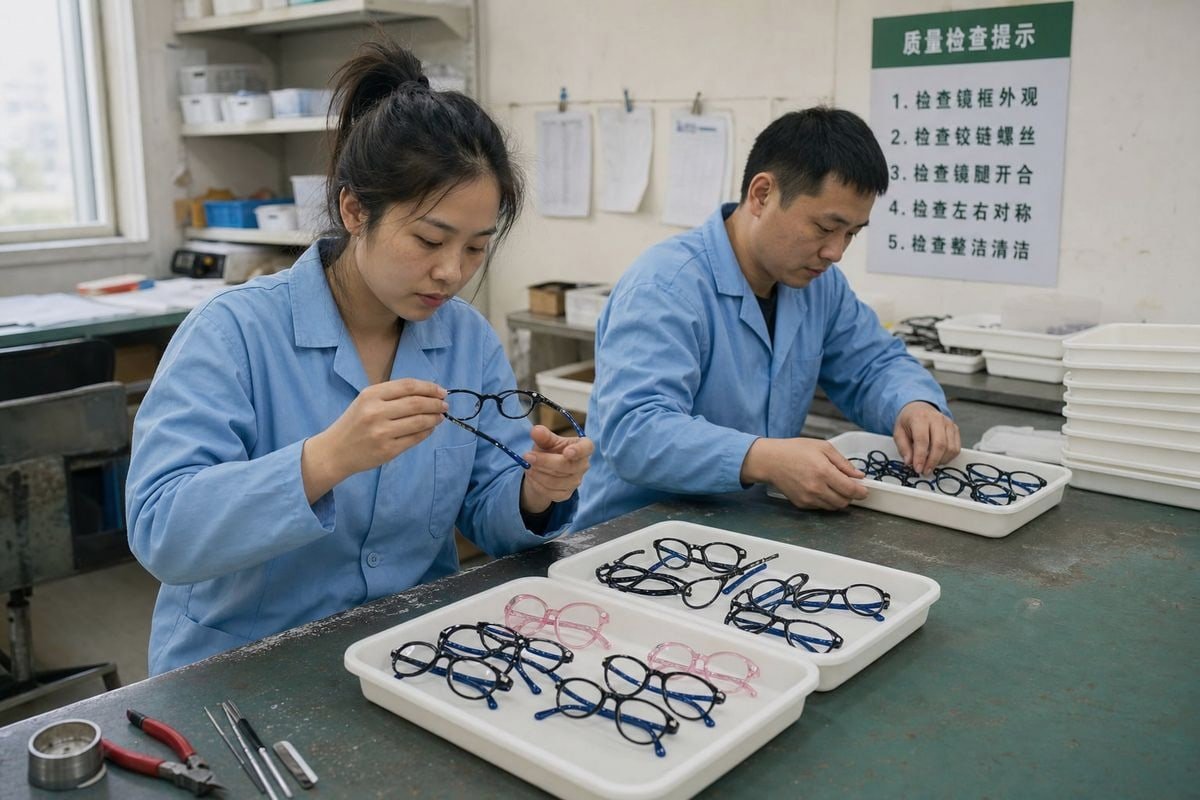
Across roughly 800 existing styles in our catalog, the back-to-school best-sellers cluster around a short list of attributes. This is the 80/20 rule of pediatric eyewear: a handful of SKUs drive most of the volume, and they deserve a different replenishment strategy from the rest of your board.
The attributes that define a back-to-school winner
Parents shopping in August want frames that survive the playground. In fifteen years of making children's eyewear, we have watched the same features win again and again. Flexible واجهات TR90 2 resist snapping. TPEE or rubberized temple tips grip during sports. Rounded shapes avoid sharp angles near a child's face. Silicone hinge connectors and adjustable ear hooks keep frames in place on active kids.
| Style profile | Key features | Best age fit | Stock depth |
|---|---|---|---|
| Sporty black/navy TR90 with rubber temples | Flexible hinges, dotted grip texture, ear hooks | 5–10, active kids | Deep — top reorder item |
| Translucent pastel (pink/blue) rounded rectangle | Two-tone temples, glossy finish, lightweight | 6–12, fashion-aware | Deep in top 2 colors |
| Clear/crystal minimalist frame | Neutral, works for boys and girls | 7–13 | Deep — safest neutral |
| Bright seasonal fashion colors | Trend-driven, higher style risk | Varies | Shallow — let them sell out |
Neutrals deep, brights selective
Neutral colors — black, navy, clear — sell across genders and ages, so they anchor your safety stock levels 3. Then add depth in only one or two brights that your own sell-through analysis has already proven. A wall of untested colors ties up cash without protecting availability. More styles is not the same as more availability; disciplined frame board management means trimming near-duplicate SKUs and concentrating buy depth in the winners so your inventory turnover rate stays healthy.
How far in advance should I place orders with my eyewear manufacturer to avoid stockouts?
The hardest email I send each June is telling a buyer we cannot squeeze a custom order into the back-to-school window. Production capacity is real, and July is always full.
Place custom or private-label orders 4–6 months before your local school start date, meaning February to April for an August peak. This covers manufacturing lead time, shipping, customs clearance, and inbound processing. Reorders of ready styles can be placed 6–10 weeks out.
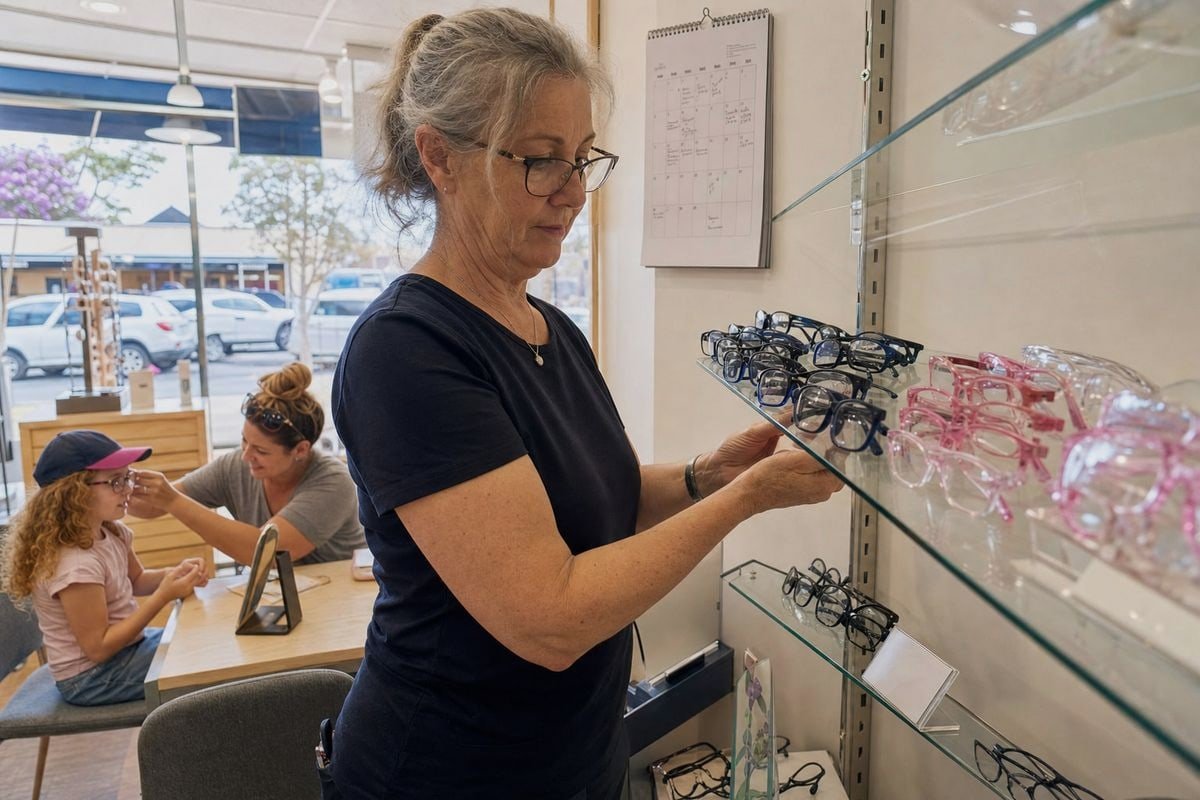
Lead time management 4 is where most stockouts are actually born. The demand spike happens in August, but the decision that causes the stockout happens in spring. Imported frames pass through several sequential stages, and each one adds days you cannot compress later.
A realistic countdown for an August peak
| Timing before school start | إجراء |
|---|---|
| 6 months (Feb–Mar) | Finalize forecasts; confirm custom colors, logos, and packaging with your factory |
| 4–5 months (Mar–Apr) | Place the main purchase order; pre-book production slots |
| 3 months (May) | Approve pre-production samples; confirm QC checkpoints |
| 2 months (Jun) | Goods ship; track sea or air freight and customs |
| 4–6 weeks out (Jul) | Receive, inspect, and merchandise stock; set reorder points |
| Season (Aug–Sep) | Monitor sell-through weekly; trigger fast reorders of ready styles 5 |
Set reorder points and safety stock before the surge
Once stock lands, protect it. Set a reorder point for each core SKU based on daily sales velocity multiplied by your supplier's lead time, plus a buffer. For top sellers ahead of school season, we suggest clients hold safety stock levels covering 2–4 weeks of peak demand — higher than they would carry in a normal quarter. A missed kids frame sale is rarely delayed; it is lost to a competitor down the street.
I understand the objection: deep inventory ties up cash. That is true, which is why the buffer belongs only on your proven A-grade SKUs, not across the whole assortment. Concentrate the cash where the demand is certain. One more caution — do not heavily promote a frame unless your inventory depth can support the expected lift. Aggressive discounts on thin stock create artificial shortages at the worst possible moment.
Can working with a factory that offers ready styles help me restock faster during peak season?
Last September, a European distributor sold through a pastel frame in two weeks. Because it was one of our existing catalog styles, we restocked her before the season closed — no mold, no development wait.
Yes. A factory with ready styles cuts restocking time from months to weeks because designs, molds, and materials already exist. You skip development entirely, order proven best-sellers in the exact colors selling out, and keep shelves stocked through the entire back-to-school peak.
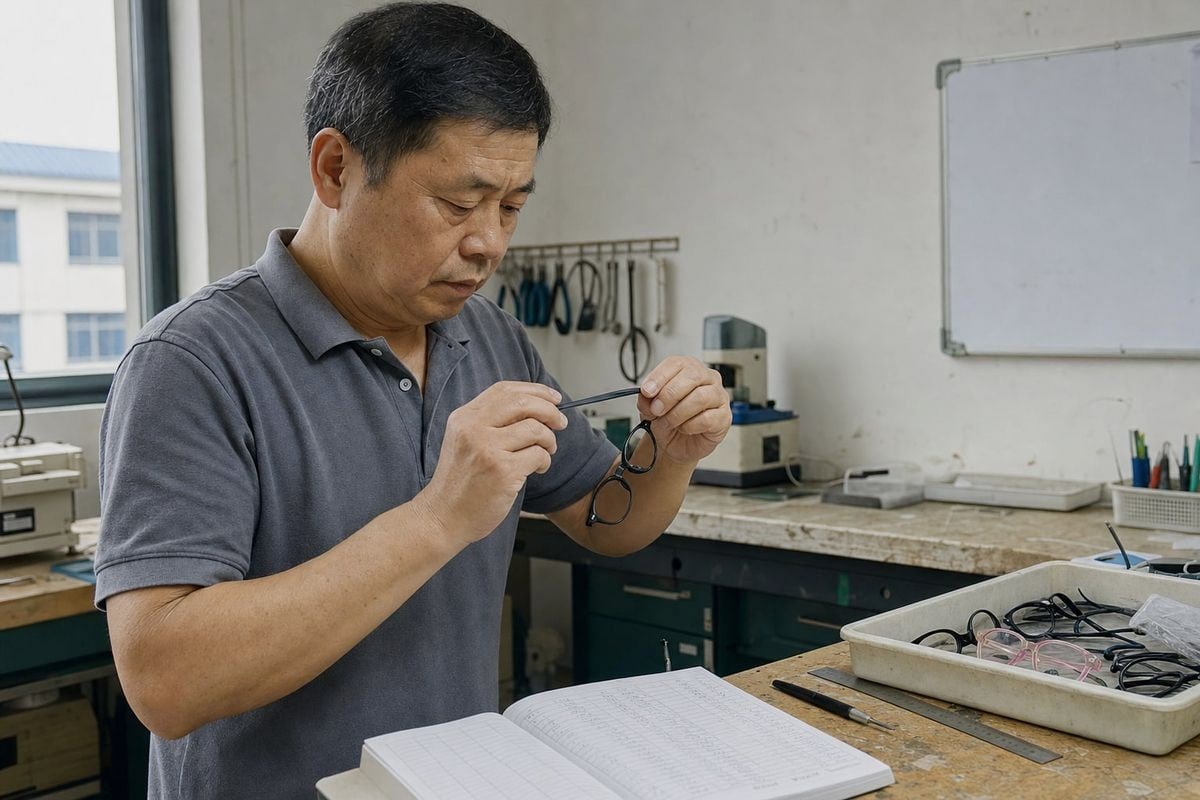
The math is simple. Custom development involves design, mold tooling, sampling, and approval before production even starts. A ready style skips all of that. At our workshop, choosing from around 800 existing TR90 and TPEE styles means a mid-season reorder moves straight to production scheduling, and lower minimums let you test new colors without heavy mold investment.
How ready styles change your replenishment strategy
Think of ready styles as your emergency lane. Your main seasonal buy still arrives early, planned months ahead. But when a specific SKU sells faster than forecast, a ready-style reorder can land in 6–10 weeks instead of 4–6 months. That difference decides whether you restock in early September or miss the season entirely.
Some buyers worry that ready styles mean generic products that weaken their brand. In practice, the opposite works well: the frame shape is proven, but custom colors, printed logos, custom lenses, and retail-ready packaging make it fully yours. You get brand identity without carrying the lead-time risk of a from-scratch project during the most dangerous months of the year.
Vet the supplier, not just the catalog
Fast restocking only works if the factory actually delivers. Keep a simple vendor scorecard 6: fill rate, on-time delivery, defect rate, and willingness to expedite during peak season. Ask how مراقبة الجودة 7 is managed on repeat runs — consistency matters more than a one-time good sample. Some retailers also diversify with a secondary ready-to-ship vendor as a backup, and a few independents even trade overstock with non-competing peers. Both help, but a reliable primary factory relationship remains the strongest protection, because your best-sellers stay consistent in fit, material safety, and finish from order to order.
الخلاصة
Stockouts of kids optical frames cost sales, exam conversions, and parent trust. Forecast by SKU, stock TR90 winners deep, order months early, and lean on ready styles for speed.
ملاحظات ختامية
1. TPEE used in temple tips is a thermoplastic elastomer; explains the grip material. ↩︎
2. TR90 is a flexible nylon resin; background on the material aids reader understanding. ↩︎
3. Defines the inventory concept buyers rely on to avoid peak-season stockouts. ↩︎
4. U.S. trade authority resource on managing manufacturing and shipping lead times. ↩︎
5. Alibaba.com is the leading sourcing platform for ready-made manufactured product styles. ↩︎
6. Comprehensive Wikipedia entry on supplier evaluation and performance measurement tools like scorecards. ↩︎
7. Authoritative FDA guide on quality systems and manufacturing practices for medical devices like optical frames. ↩︎
مقالات أخرى قد تعجبك
أغسطس 5, 2026
Bio-Based vs Regular Cellulose Acetate: What's the Difference for Kids' Frames?

أغسطس 5, 2026
How Recyclable Are Kids' Optical Frame Materials, and What Eco-Friendly Alternatives Exist?
أغسطس 5, 2026
Do Kids Optical Frames Whiten or Age in Storage, and How to Control Warehouse Conditions?
هل تبحث عن شريك موثوق به للنظارات للأطفال؟
استكشف أكثر من 800 نمط جاهز ودعم OEM/ODM كامل مصمم خصيصًا لعلامتك التجارية.
اتصل بنا English
  Español de México
  Deutsch
  Français
  日本語
日本語  العربية
  Português do Brasil