هل نظارات الأطفال الواقية من الضوء الأزرق تفيد الأطفال حقًا؟

المشترون يواصلون سؤال مصنعنا في تايتشو عن نظارات الأطفال الواقية من الضوء الأزرق. الادعاءات التسويقية صاخبة، والأدلة ضعيفة، والاختيار الخاطئ يعرض مصداقية علامتك التجارية للخطر مع الآباء الحذرين.
توفر نظارات الأطفال الواقية من الضوء الأزرق حماية غير مثبتة ضد قصر النظر أو تلف العين أو إجهاد العين الرقمي. الفائدة الوحيدة المعقولة هي دعم متواضع للنوم عند ارتدائها قبل النوم. حماية UV400 في الهواء الطلق أكثر أهمية بكثير لعيون الأطفال النامية من أي وقت مضى لترشيح الضوء الأزرق.
هذه الإجابة المختصرة تخفي الكثير من التفاصيل الدقيقة. دعني أشرح لك ما تقوله العلوم، وما يجب على المشترين التحقق منه، وكيفية بناء استراتيجية عدسة صامدة.
كيف أعرف ما إذا كانت عدسات الضوء الأزرق ضرورية لخط نظارات الأطفال الشمسية الخاص بي؟
في العام الماضي، طلبت منا مشترية علامة تجارية أوروبية للأطفال إضافة طلاءات الضوء الأزرق إلى مجموعتها بأكملها. لقد أبطأناها. خبرتنا التي تمتد لخمسة عشر عامًا في مجال البصريات للأطفال علمتنا أن نشكك في الاتجاهات أولاً.
عدسات الضوء الأزرق اختيارية، وليست ضرورية، لخط نظارات شمسية للأطفال. تُلبس النظارات الشمسية في الخارج، حيث تكون حماية UV400 هي الأولوية. ضع في اعتبارك خيارات الضوء الأزرق فقط كخط ملحق منفصل للاستخدام الداخلي أو المسائي، مع التركيز بصدق على وقت الشاشة وروتين النوم بدلاً من حماية العين.
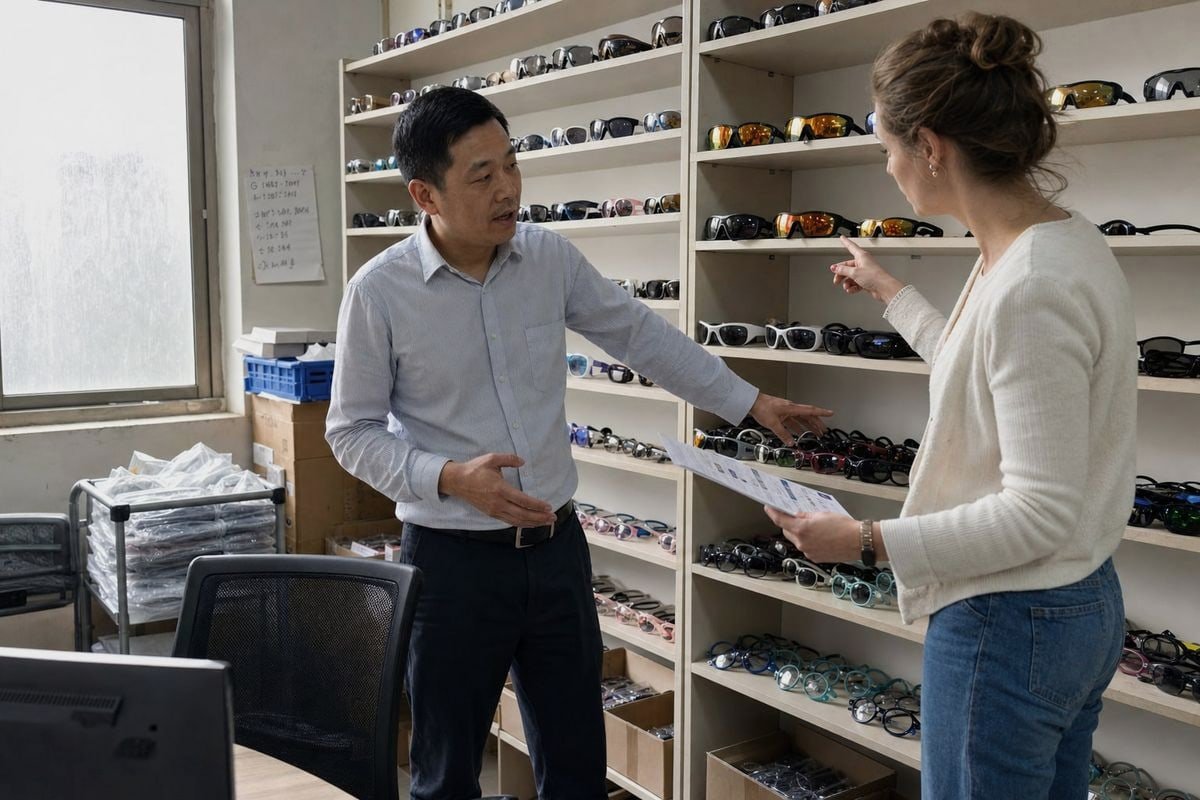
أول شيء أخبر به المشترين هو ببساطة: النظارات الشمسية ونظارات الضوء الأزرق تحل مشاكل مختلفة. تحمي النظارات الشمسية الأطفال من الأشعة فوق البنفسجية والوهج في الهواء الطلق. تقوم نظارات الضوء الأزرق بتصفية جزء من طيف الضوء المرئي عالي الطاقة، ومعظمه من الشاشات في الداخل. خلط الفئتين دون سبب واضح يربك الآباء ويضعف رسالتك.
اطرح ثلاثة أسئلة قبل الالتزام
أولاً، من هو عميلك النهائي؟ إذا كانت علامتك التجارية تبيع ملحقات خارجية وشاطئية،, حماية UV400 1 و عدسات مستقطبة هي قصتك الحقيقية. إذا كانت علامتك التجارية تبيع حول التعلم عن بعد والأجهزة اللوحية وروتين وقت النوم، فقد تكون مجموعة ملحقات الضوء الأزرق مناسبة - ولكن يجب أن تظل الادعاءات محدودة.
ثانياً، ما هو الادعاء الذي ستجعله عبوتك؟ صحة عيون الأطفال 2 موضوع حساس. تدفع الجهات التنظيمية وأخصائيو العناية بالعيون بقوة ضد النظارات التي تعد بمنع قصر النظر أو حماية نمو الشبكية من الشاشات. لا يوجد دليل قوي على أي من الادعاءين.
ثالثاً، هل يأتي الطلب من الآباء أم من تسويق الموردين الآخرين؟ في خبرتنا التصديرية عبر أكثر من 20 دولة، يتبع الطلب المتكرر الحقيقي التموضع الصادق. المنتجات المبنية على الضجيج تُباع مرة واحدة ثم تجلس في المستودعات.
| إشارة من سوقك | ما تشير إليه |
|---|---|
| يسأل الآباء عن آثار وقت الشاشة والنوم | قد تكون مجموعة ضوء أزرق مسائية صغيرة مناسبة |
| يسأل الآباء عن استخدام الشمس والشاطئ والرياضة | ركز على نظارات UV400 الشمسية المستقطبة |
| يطالب تجار التجزئة بادعاءات "منع قصر النظر" | ارفض؛ الادعاء غير مدعوم |
| يريد شركاء البصريات إطارات داخلية للأطفال | يمكن أن يكون طلاء الضوء الأزرق خيارًا إضافيًا |
إذا كان الطلب حقيقيًا، فتعامل مع عدسات الضوء الأزرق كخيار واحد من بين العديد - وليس كالوعد الأساسي لخط منتجات الأطفال الخاص بك.
ما هو الدليل العلمي الذي يجب أن أبحث عنه قبل إضافة حماية الضوء الأزرق إلى نطاق منتجاتي؟
أرسل لي مدير مشتريات من اليابان ذات مرة كتيب مورد يدعي أن عدسات الضوء الأزرق "تمنع قصر النظر لدى الأطفال". قمنا بسحب الدراسات الفعلية معًا قبل تقديم عرض أسعار. لم ينج الكتيب من القراءة.
ابحث عن تجارب سريرية خاضعة لمراجعة الأقران، وليس كتيبات الموردين. الأدلة الحالية لا تظهر أي دليل على أن الضوء الأزرق للشاشة يضر بعيون الأطفال، ولا يمنع قصر النظر، ولا يخفف بشكل موثوق من إجهاد العين الرقمي. الادعاء الوحيد الذي يمكن الدفاع عنه هو الدعم المحتمل للميلاتونين والنوم عند ارتدائه في المساء.
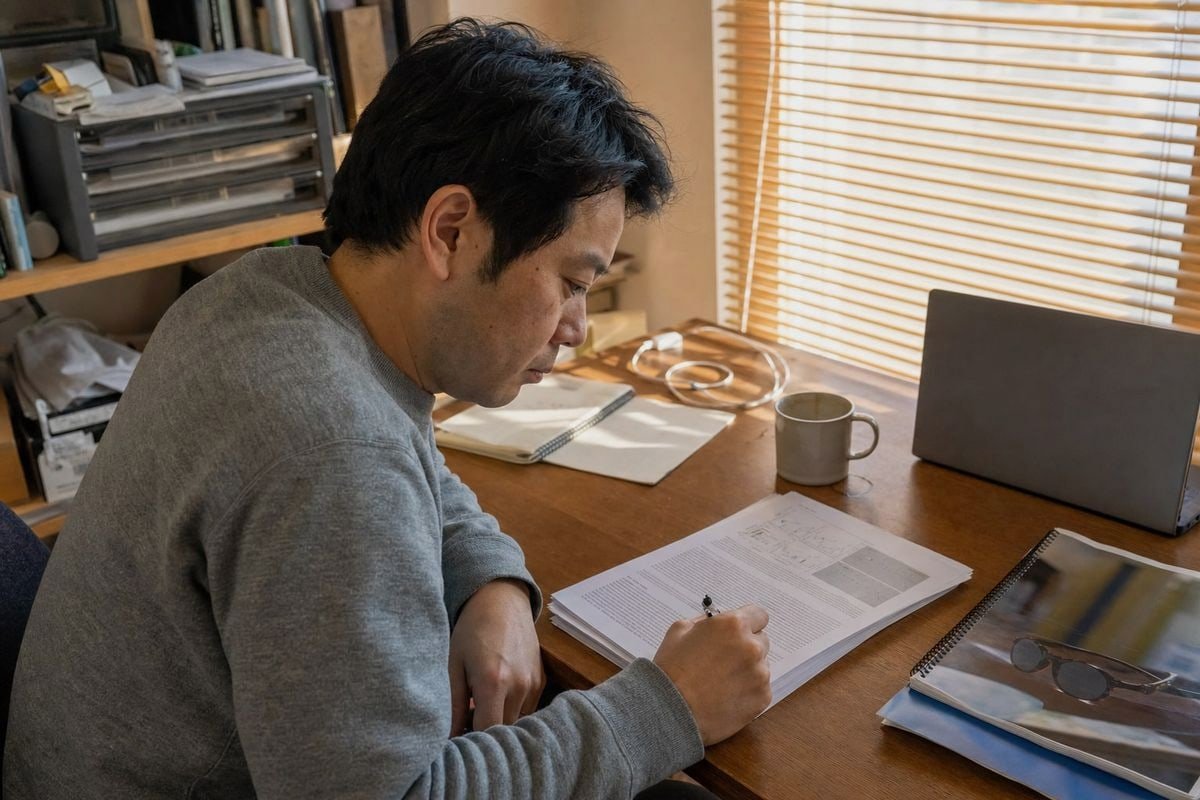
صورة الأدلة أوضح مما يوحي به التسويق. تشير مراجعات متعددة والهيئات المهنية، بما في ذلك الأكاديمية الأمريكية لطب العيون 3, ، إلى عدم وجود دليل علمي على أن الضوء الأزرق من الشاشات يضر بعيون الأطفال. يجب أن يرتكز ذلك على كل قرار منتج تتخذه.
الادعاءات الثلاثة، مرتبة حسب الأدلة
منع قصر النظر هو أضعف ادعاء. قصر النظر مدفوع بشكل أساسي بـ الاستطالة المحورية 4 للعين، والوراثة، والعمل القريب المطول - وليس بالضوء الأزرق. عدسات الضوء الأزرق لا تغير أيًا من هذه العوامل. أثار الباحثون حتى تساؤلات مفتوحة حول ما إذا كانت العدسات المقطوعة للضوء الأزرق يمكن أن تؤثر على تطور طول العين، مما يدعو إلى الحذر، وليس الادعاءات الجريئة.
تخفيف إجهاد العين الرقمي 5 ضعيف أيضًا. وجدت الدراسات المضبوطة التي قارنت عدسات حجب الضوء الأزرق مع عدسات وهمية عدم وجود انخفاض كبير في التعب البصري. يأتي إجهاد العين من الشاشات في الغالب من انخفاض الرمش، ومسافة المشاهدة السيئة، وجلسات التركيز الطويلة.
دعم النوم هو أقوى ادعاء، ولا يزال متواضعًا. يمكن أن يؤثر الضوء الأزرق المسائي على الإيقاع اليومي 6 من خلال قمع الميلاتونين. قد تساعد النظارات التي تُرتدى قبل النوم بعض الأطفال على النوم بسهولة أكبر. لاحظ الصياغة: هذا هو دعم توقيت النوم، وليس حماية العين.
| الفائدة المعلنة | قوة الدليل | هل من الآمن وضعه على العبوة؟ |
|---|---|---|
| يمنع قصر النظر | لا شيء | لا |
| يحمي من أمراض العين | لا شيء | لا |
| يقلل من إجهاد العين الرقمي | ضعيف / لا يوجد أفضلية للدواء الوهمي | لا |
| يدعم روتين النوم المسائي | معقول، متواضع | نعم، مع صياغة دقيقة |
تحذير آخر من البحث: الترشيح النهاري المكثف قد يقلل من حساسية التباين ويخفف إشارات الضوء الساطع التي تحتاجها أدمغة الأطفال لليقظة أثناء النهار. الأدلة متضاربة، لذا اجعل الادعاءات ضيقة وصادقة.
هل يمكنني الجمع بين فلتر الضوء الأزرق مع حماية UV400 في نفس عدسة الأطفال؟
من الناحية الفنية، نعم - وقد قمنا بتشغيل هذا المزيج في خط الإنتاج الخاص بنا. السؤال الأصعب الذي أطرحه على المشترين هو ما إذا كان الجمع بينهما يخدم الطفل أم مجرد ورقة المواصفات.
نعم، يمكن دمج فلترة الضوء الأزرق وحماية UV400 في عدسة واحدة للأطفال، إما من خلال إضافات لمادة العدسة أو طبقة طلاء مضادة للانعكاس. يجب أن تكون حماية UV400 دائمًا هي الطبقة الأساسية غير القابلة للتفاوض؛ فلترة الضوء الأزرق هي ميزة اختيارية مضافة فوقها لحالات استخدام محددة.
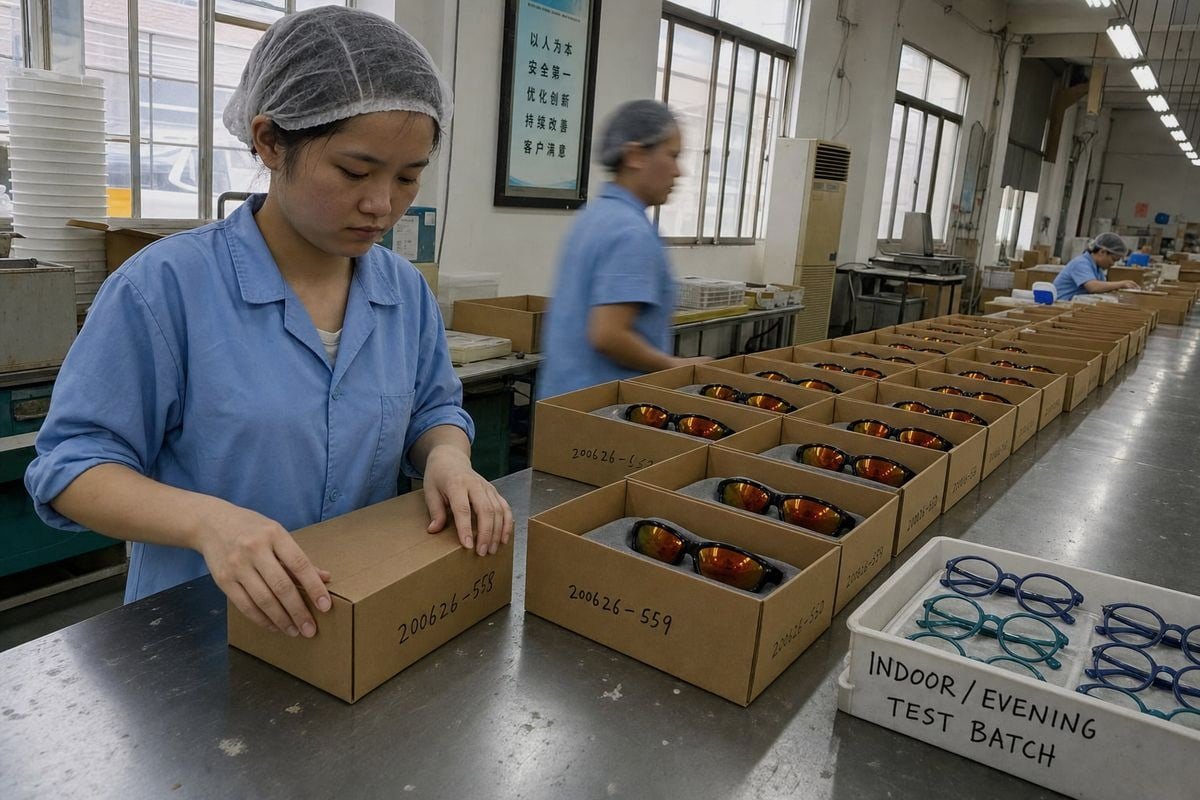
من وجهة نظر التصنيع، تعمل الحمايتان عند أطوال موجية مختلفة. يحظر UV400 الأشعة فوق البنفسجية حتى 400 نانومتر. تقوم مرشحات الضوء الأزرق بتخفيف جزء من الطيف المرئي فوق ذلك مباشرة، تقريبًا من 400 إلى 455 نانومتر. يمكن لعدسة بولي كربونات واحدة أو عدسة PC التعامل مع كليهما، إما عن طريق دمج الممتصات في مادة العدسة أو عن طريق إضافة طلاء عدسة عاكس مضاد للانعكاس يعكس جزءًا من الضوء الأزرق البنفسجي.
ما الذي يتغير عند دمجهما
هناك مفاضلات، والأطفال يلاحظونها بشكل أسرع من البالغين. عادة ما تحمل عدسات الضوء الأزرق الماصة صبغة صفراء. على عدسة نظارة شمسية داكنة، تختفي هذه الصبغة بسهولة. على عدسة داخلية شفافة، فإنها تغير مظهر الألوان ويمكن أن تزعج الأطفال أثناء الرسم أو القراءة. تظل المرشحات القائمة على الطلاء أكثر وضوحًا ولكنها تظهر انعكاسًا أزرق بنفسجي على سطح العدسة.
نظرًا لأن عدسات الأطفال النامية أكثر شفافية وتفلتر ضوءًا أقل من الطول الموجي القصير مقارنة بعيون البالغين، تظل قصة الأشعة فوق البنفسجية الخارجية هي الأولوية. أي عدسة مدمجة نبنيها للعميل تبدأ من أداء UV400 موثق, ، تم فحصه باستخدام مطياف في مراقبة الجودة الواردة ومرة أخرى بعد الطلاء. ثم يتم تحديد تخفيف الضوء الأزرق كنسبة مئوية عند طول موجي محدد، بحيث يمكن لادعاءات التعبئة والتغليف الخاصة بك أن تتطابق مع الأرقام القابلة للقياس.
| النهج | كيف تعمل | إيجابيات | سلبيات |
|---|---|---|---|
| ممتص في المادة | ممتصات زرقاء ممزوجة في ركيزة العدسة | متين، لا تآكل للطلاء | صبغة صفراء طفيفة |
| مرشح قائم على الطلاء | طلاء عدسة مضاد للانعكاس متعدد الطبقات | مظهر أكثر وضوحًا | انعكاس أزرق مرئي، يمكن أن يخدش الطلاء |
| عدسة شمسية مصبوغة + UV400 | عدسة نظارة شمسية داكنة قياسية | بسيط، مثبت، منخفض التكلفة | لا يوجد ادعاء تسويقي محدد للضوء الأزرق |
ملاحظة صادقة واحدة: عدسة شمسية داكنة عالية الجودة UV400 تقلل بالفعل من الضوء المرئي العام، بما في ذلك الضوء الأزرق. للاستخدام الخارجي، هذا عادة ما يكون حماية كافية.
كيف أختار شريك تصنيع يمكنه تقديم خيارات عدسات موثوقة للضوء الأزرق؟
الدرس الأكثر تكلفة الذي شاهدت المشترين يتعلمونه هو هذا: يمكن لأي مصنع طباعة "حجب الضوء الأزرق" على بطاقة تعليق. عدد قليل جدًا يمكنه إثبات أن العدسة تؤدي بالفعل - دفعة بعد دفعة.
اختر شريكًا لديه بيانات اختبار عدسات قابلة للتحقق، ومواد مرنة آمنة للأطفال، وأنظمة مراقبة جودة راسخة، وإرشادات حول المطالبات الصادقة. يجب أن يُظهر المصنع تقارير نقل طيفي، ويقدم أنماطًا موجودة للإطلاقات منخفضة المخاطر، ويدعم التخصيص الكامل للعدسات والألوان والشعارات والتعبئة والتغليف الجاهز للبيع بالتجزئة من خلال مصنعي المعدات الأصلية/مصنعي التصميم الأصلي.
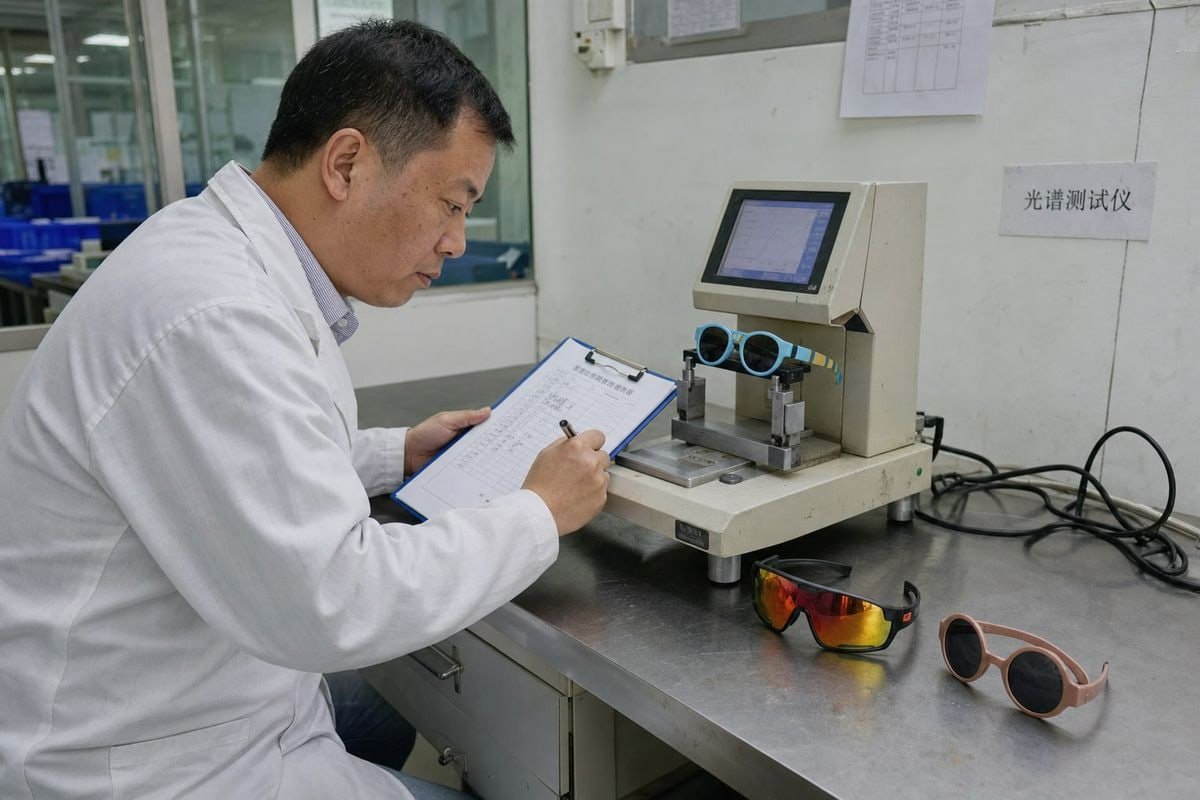
ابدأ بالإثبات، وليس الوعود. اطلب من كل مصنع مرشح تقديم تقارير نقل الطيف 7 على العدسة الدقيقة التي سيقدمونها - وليس ورقة بيانات عامة. يجب أن يوضح التقرير حظر UV400 ونسبة تخفيف الضوء الأزرق المحددة عند الأطوال الموجية المذكورة. في ورشة العمل الخاصة بنا التي تديرها 5S في تايتشو، نحتفظ بهذه السجلات مرتبطة بدفعات الإنتاج، لأن المشترين في الأسواق المنظمة يطلبون بشكل متزايد إمكانية التتبع.
قائمة تحقق عملية للتحقق
- تحقق من بيانات العدسة. اطلب نتائج مطياف من طرف ثالث أو داخلي، وقم بتأكيد نطاق اختبار الطول الموجي كتابيًا.
- تحقق من مواد الإطار. عدسات الضوء الأزرق لا تفعل شيئًا إذا انكسر الإطار في الملعب. نقوم ببناء إطارات من TPEE و TR90 - مرنة وخفيفة الوزن وآمنة عندما يقوم الأطفال بثنيها أو إسقاطها أو الجلوس عليها. الراحة تقرر أيضًا ما إذا كان الطفل يرتدي النظارات على الإطلاق، وهو ما يقلل من تقديره معظم الآباء.
- قم بتقييم انضباط الادعاء. سيخبرك الشريك الجيد بما لا يجب طباعته. إذا شجعك المورد على ادعاءات "يمنع قصر النظر" أو "يحمي نمو الشبكية"، ابتعد. هذه اللغة تعرض علامتك التجارية.
- ابحث عن مرونة الإطلاق. لا ينبغي للعلامات التجارية الجديدة تحمل استثمار قوالب ثقيل لاختبار فئة متخصصة. تسمح لنا أنماطنا الحالية البالغ عددها حوالي 800 بتجربة المشترين لمجموعة صغيرة من الضوء الأزرق أو النظارات الشمسية، والتحقق من الطلب، والتوسع لاحقًا بألوان مخصصة وشعارات ومواصفات عدسات وتعبئة وتغليف من خلال دعم OEM/ODM كامل.
- تأكيد موثوقية مراقبة الجودة والتسليم. اسأل عن مراحل الفحص، والتعامل مع العيوب، وسجل التسليم في الوقت المحدد. مع حوالي 120 عاملاً وخمسة عشر عامًا من التركيز على نظارات الأطفال، نتعامل مع الاتساق كمنتج - لأن شركاء التجزئة الخاص بك سيفعلون ذلك.
يتصرف الشريك الموثوق به كمتعاون طويل الأمد، وليس بائعًا منخفض السعر. يظهر هذا الاختلاف في معدلات الإرجاع والمراجعات الخاصة بك.
الخلاصة
يقلق الآباء بشأن الشاشات؛ تشعر العلامات التجارية بالضغط للاستجابة. لكن الإفراط في الوعود يضر بالثقة بسرعة. ابنِ على حماية UV400 المثبتة، وقم بوضع عدسات الضوء الأزرق بصدق لروتين النوم، واختر شركاء يثبتون الأداء.
ملاحظات ختامية
إرشادات وكالة حماية البيئة بشأن الحماية من الأشعة فوق البنفسجية المتعلقة بادعاءات النظارات الشمسية للأطفال. ↩︎
مورد المعهد الوطني للصحة من المعهد الوطني للعيون حول رؤية الأطفال وحالات العين. ↩︎
يستشهد بموقف هيئة طب العيون الرائدة بشأن الضوء الأزرق وعيون الأطفال. ↩︎
4. Background on the eye-growth mechanism underlying childhood myopia. ↩︎
5. Background on the screen-related visual fatigue condition referenced in the article. ↩︎
6. Explains the biological clock affected by evening blue-light exposure. ↩︎
7. Authoritative Wikipedia entry explaining international ISO standards for sunglasses and spectral transmittance requirements. ↩︎
مقالات أخرى قد تعجبك



هل تبحث عن شريك موثوق به للنظارات للأطفال؟
استكشف أكثر من 800 نمط جاهز ودعم OEM/ODM كامل مصمم خصيصًا لعلامتك التجارية.
اتصل بنا English
  Español de México
  Deutsch
  Français
  日本語
日本語  العربية
  Português do Brasil