ما هي متطلبات EN ISO 12312-1 لنظارات الأطفال الشمسية؟
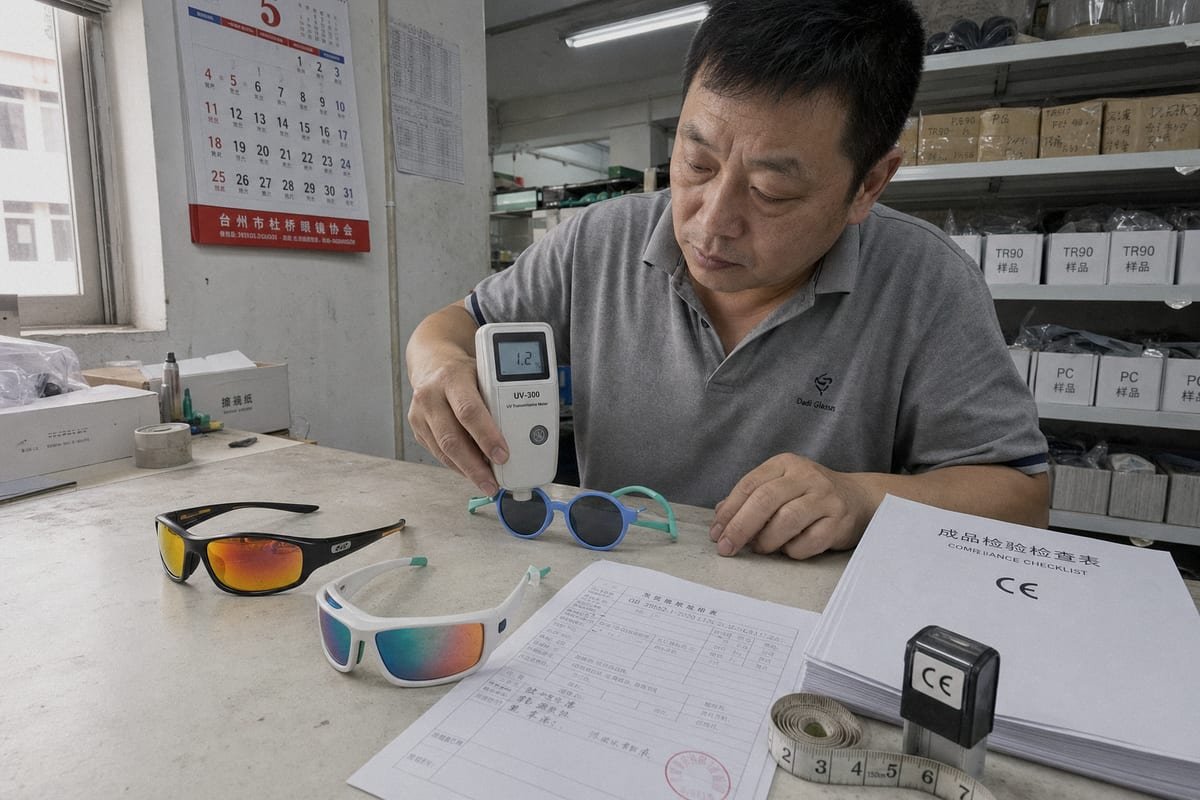
ما زلت أتذكر أول مشترٍ سأل مصنعنا في تايتشو عن EN ISO 12312-1 1 متطلبات نظارات الأطفال الشمسية. يمكن أن يؤدي اختبار واحد فاشل إلى حظر شحنة كاملة عند الجمارك الأوروبية - وتدمير موسم الإطلاق.
تتطلب EN ISO 12312-1 أن تحجب نظارات الأطفال الشمسية الأشعة فوق البنفسجية حتى 380 نانومتر، وأن تحمل فئة مرشح مصنفة (0-4)، وأن تلبي حدود جودة الفئة البصرية 1، وأن تجتاز اختبارات الميكانيكية والمتانة، وأن تكون حوافها ناعمة، وأن تُباع مع علامة CE بالإضافة إلى الوثائق المناسبة.
هذه الإجابة المختصرة تخفي الكثير من التفاصيل. أدناه، سأفصل كيفية التحقق من المورد، وما تقوله قواعد الأشعة فوق البنفسجية والعدسات فعليًا، وأي الاختبارات مهمة، وما هي الأوراق التي تحتاجها.
كيف أعرف ما إذا كان مورد نظارات أطفالي الشمسية يفي بمعايير EN ISO 12312-1؟
أرسل لي مدير مشتريات من أستراليا ذات مرة "تقرير اختبار" لمنافس كان عمره ثلاث سنوات وغطى نموذج إطار مختلف. يكتشف فريقنا فجوات كهذه كل شهر.
تحقق من المورد عن طريق طلب تقارير اختبار حالية من طرف ثالث تشير إلى EN ISO 12312-1، وإعلان المطابقة بموجب لائحة معدات الوقاية الشخصية 2016/425، ودليل على الاختبارات الخاصة بالأطفال، وسجلات مراقبة الجودة على مستوى الدفعة، وعينات مادية يمكنك إرسالها للتحقق من مختبر مستقل.
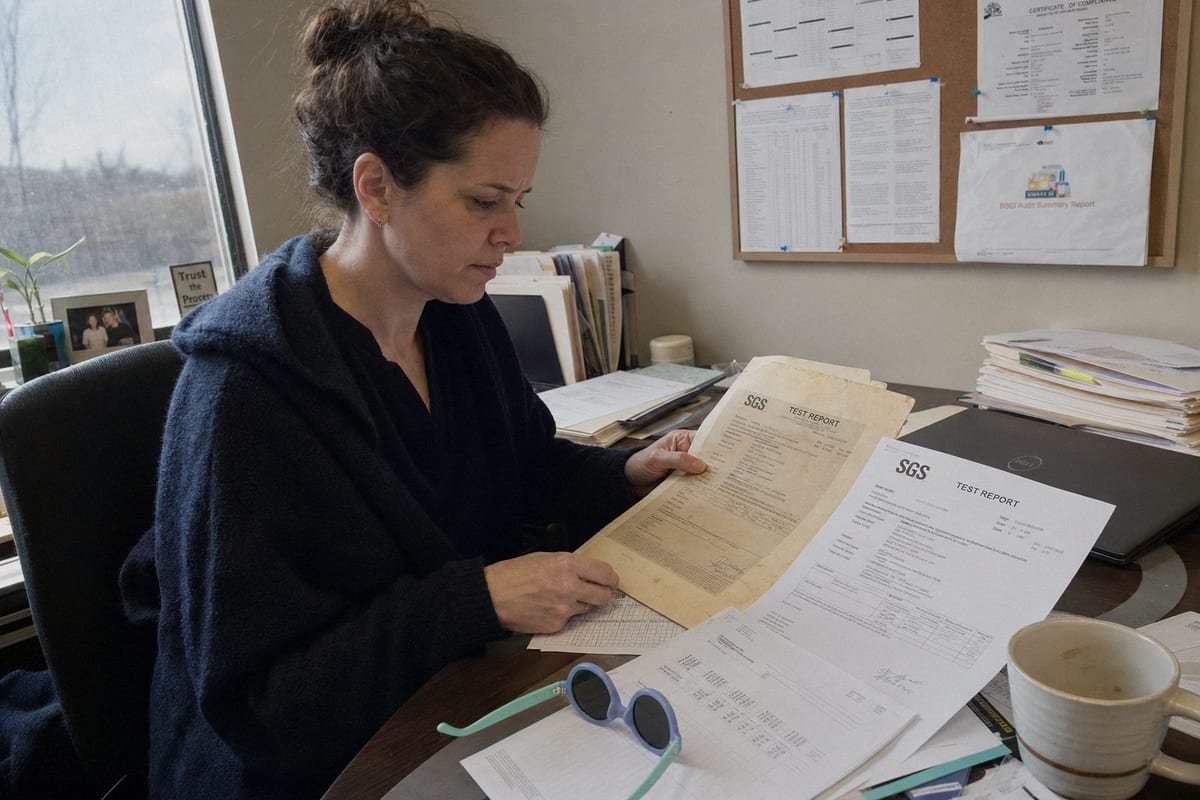
في خمسة عشر عامًا من بناء نظارات الأطفال للعلامات التجارية في أكثر من 20 دولة، تعلمنا شيئًا واحدًا. الادعاءات رخيصة. الدليل ليس كذلك. يمكن للمورد الذي يلبي بالفعل EN ISO 12312-1 أن يريك مسارًا ورقيًا دون تردد. المورد الذي لا يستطيع سيتلكأ، أو يرسل ملفات PDF ضبابية، أو يقدم تقريرًا لمنتج لا يشبه منتجك على الإطلاق.
المستندات التي يمكن للمورد الحقيقي أن يريك إياها
ابدأ بتقرير الاختبار. يجب أن يأتي من مختبر معتمد من طرف ثالث. يجب أن يذكر النموذج المحدد ونوع العدسة ومادة الإطار التي تخطط لشرائها. يجب أن يشير إلى الإصدار الحالي للمعيار. في الاتحاد الأوروبي، تندرج النظارات الشمسية تحت لائحة معدات الحماية الشخصية 2016/425 2 كـ معدات حماية شخصية من الفئة الأولى، لذلك يجب على المورد أو المستورد أيضًا دعم إعلان المطابقة 3 و علامة CE. بالنسبة للسوق البريطانية، تتبع علامة UKCA منطقًا موازيًا.
علامات حمراء مقابل علامات خضراء
| إشارة | علامة خضراء | علامة حمراء |
|---|---|---|
| تقرير الاختبار | حديث، خاص بالنموذج، مختبر معتمد | قديم، عام، أو مختبر غير مسمى |
| المعيار المذكور | EN ISO 12312-1 (الإصدار الحالي) | صياغة غامضة "جودة CE" |
| اختبار خاص بالأطفال | اختبارات أثناء الارتداء على أشكال رؤوس أصغر | بيانات اختبار للبالغين فقط معاد استخدامها |
| سجلات مراقبة الجودة | سجلات فحص الدُفعات متاحة | "إجابات "ثق بنا" |
| عينات | تُقدم مجانًا لفحوصات مختبرك الخاصة | تردد في إرسال العينات |
نصيحة عملية أخرى. اسأل كيف يتعامل المصنع مع ملاءمة الأطفال. يعامل المعيار نظارات الأطفال كحالة مميزة، يتم اختبارها في وضع الارتداء مع إعداد قياس أصغر من إطارات البالغين. المورد الذي لم يسمع أبدًا بهذا الاختلاف من المحتمل أن يشحن بيانات اختبار البالغين على منتجات الأطفال. هذا خطر امتثال لا تريد ربطه بعلامتك التجارية.
ما هي متطلبات حماية الأشعة فوق البنفسجية وفئة العدسة التي يجب أن أتحقق منها للامتثال؟
إليك المقايضة التي نزنها في كل طلب عدسة جديد: يحب الآباء العدسات الداكنة جدًا لأنها "تبدو واقية"، لكن الظلام والحماية من الأشعة فوق البنفسجية خاصيتان منفصلتان تمامًا للأداء.
تحقق من أن العدسات تحجب الأشعة فوق البنفسجية حتى 380 نانومتر - والتي يشار إليها عادةً باسم حماية UV400 - وأن فئة المرشح (0-4) تتطابق مع الاستخدام المقصود. فئة المرشح 3 تناسب الظروف الخارجية الساطعة، بينما الفئة 4 مظلمة جدًا للقيادة وتتطلب تغطية جانبية على إطارات الأطفال.
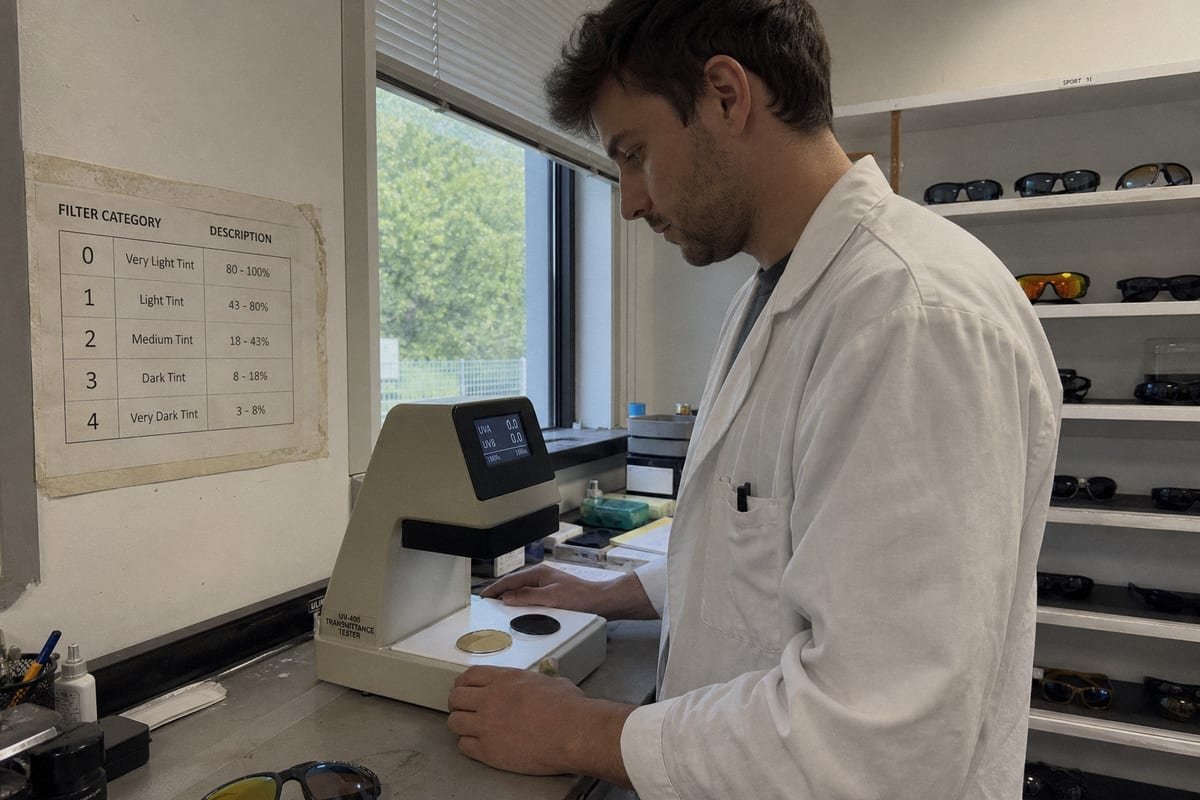
عندما نحدد عدسات UV400 لإطارات TR90 و TPEE الخاصة بالأطفال 4, ، فإننا نعالج المتطلب الأكثر أهمية في المعيار بأكمله. تُعرّف الحماية من الأشعة فوق البنفسجية بقدرة مادة العدسة على امتصاص الأشعة فوق البنفسجية، وليس بمدى قتامة اللون. بموجب المعيار، تعني الحماية الكاملة من الأشعة فوق البنفسجية أن النفاذية حتى 380 نانومتر تظل أقل من عتبة صغيرة - صفر فعليًا. يمكن لعدسة كهرمانية باهتة أن تحجب كل الأشعة فوق البنفسجية. يمكن لعدسة سوداء تقريبًا أن تفشل. هذا هو أكبر سوء فهم نقوم بتصحيحه للمشترين الجدد.
فهم فئات المرشحات الخمس
تصف فئات المرشحات نفاذية الضوء - كمية الضوء المرئي التي تمر عبر العدسة. إنها تتعلق بالوهج والسطوع، وليس الأشعة فوق البنفسجية. يقسم الإصدار الحالي للمعيار مرشحات وهج الشمس إلى خمس فئات.
| الفئة | الضوء المرئي المنقول | الاستخدام النموذجي للأطفال | مناسبة للقيادة؟ |
|---|---|---|---|
| 0 | 80–100% | الموضة، وهج منخفض جدًا | نعم |
| 1 | 43–80% | أيام غائمة، ظل خفيف | نعم |
| 2 | 18–43% | ضوء الشمس المتوسط | نعم |
| 3 | 8–18% | الشمس الساطعة، الشاطئ، الملعب | نعم (خلال النهار) |
| 4 | 3–8% | الجبال العالية، الأنهار الجليدية | لا |
بالنسبة لمعظم الارتداء اليومي للأطفال في الهواء الطلق،, فئة المرشح 5 3 هي النقطة المثالية العملية. إنها تقلل الوهج القوي دون أن تترك الطفل يحدق في الظل. الفئة 4 حالة خاصة. وسع الإصدار 2022 من المعيار متطلبات الحماية الجانبية لنظارات الأطفال الشمسية المزودة بعدسات من الفئة 4، لأن العدسة الداكنة جدًا مع تسرب الضوء من الجوانب يمكن أن تؤدي إلى تفاقم التعرض - تتسع حدقة العين خلف العدسة الداكنة بينما يدخل الضوء غير المرشح جانبيًا.
العدسات المتغيرة اللون تحتاج إلى تدقيق إضافي
The 2022 edition also added optional reporting on photochromic activation at 5 °C and 35 °C. Photochromic kids' lenses are trendy, but their darkening behavior shifts with temperature. If you plan a photochromic line, ask for that temperature data before you commit.
ما هي اختبارات السلامة والمتانة التي تحتاج نظارات الأطفال الشمسية لاجتيازها وفقًا لهذا المعيار؟
During a 5S audit of our workshop last spring, our QC lead pulled a frame off the line because one temple edge felt slightly sharp under a fingertip. That instinct comes straight from what this standard demands.
يجب أن تجتاز نظارات الأطفال الشمسية فحوصات الجودة البصرية للقوة الانكسارية والعيوب، واختبارات المتانة ومقاومة الصدمات، واختبارات تشوه الجسر ومتانة الأذرع، وفحوصات بناء الحواف الملساء، وحدود إطلاق النيكل على الأجزاء المعدنية، واختبارات التغطية أثناء الارتداء باستخدام هندسة بحجم الأطفال.
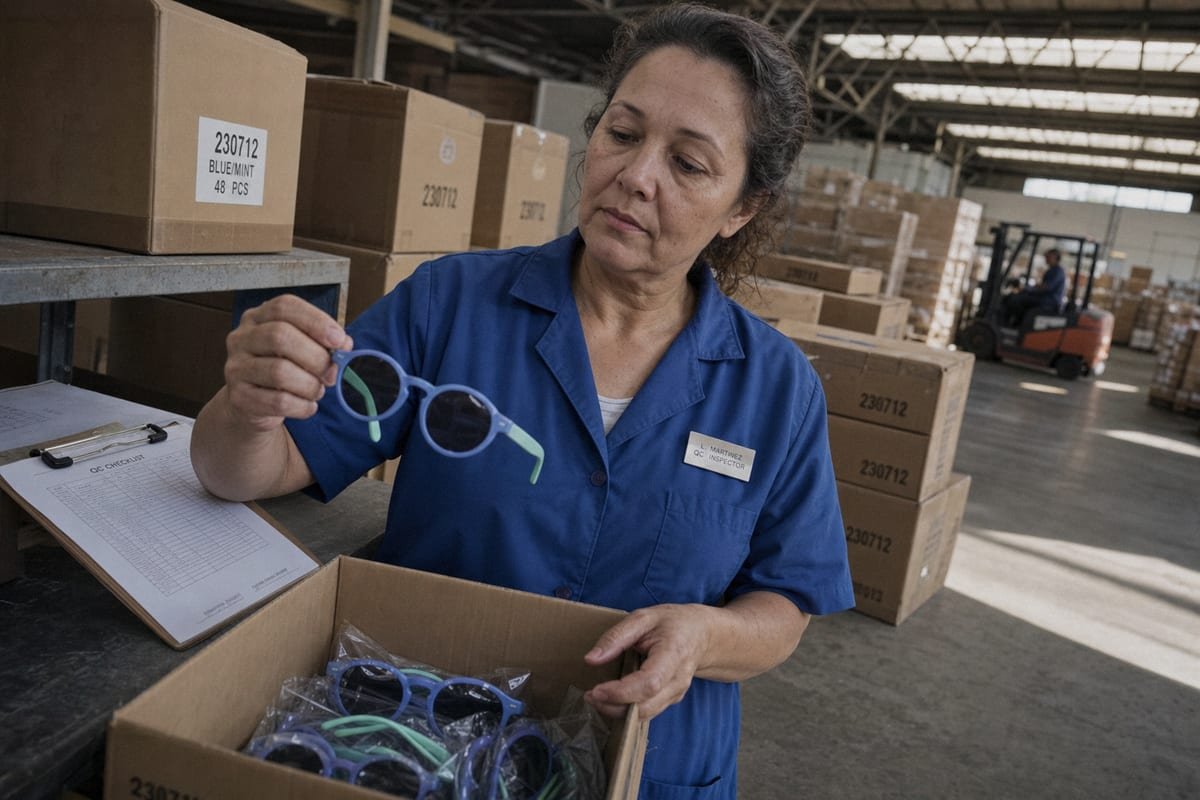
Our engineers build every children's frame around flexibility for a reason. Kids sit on their sunglasses. They chew the temples. They yank them off with one hand. The standard anticipates this reality with a battery of mechanical and optical tests, and materials like TPEE and TR90 make passing them far easier than brittle cheap plastics do.
Optical Quality Tests
Lenses must effectively behave as optical class 1 quality — free of significant refractive power errors 6 that could cause eye strain, headaches, or distorted vision. The standard also limits defects. Within a 30 mm diameter zone around the reference point (excluding a small marginal band), the lens must show no bubbles, scratches, or machining flaws that could impair vision. A separate requirement ensures the tint does not prevent recognition of traffic signal colors, which matters even for a child riding in a bike seat.
Mechanical and Material Tests
Here is a simplified view of the main physical checks:
- Robustness testing. The complete sunglasses must withstand a defined static load or impact without fragmenting into dangerous pieces. Basic مقاومة الصدمات protects a child if the glasses take a knock during play.
- Bridge deformation testing. The frame is stressed across the bridge and must not permanently deform beyond limits. Flexible TR90 with TPEE temples performs well here; rigid budget plastics often crack.
- Edge and surface inspection. All surfaces, frames, and edges that contact the wearer must be smooth and free of sharp projections. No burrs, no sharp screw tips at the hinge.
- Nickel release testing. Metal parts in prolonged skin contact — hinges, decorative trims — must stay within nickel release limits to prevent allergic reactions on sensitive young skin.
- Resistance to ignition, perspiration, and radiation. Materials must not ignite easily, corrode from sweat, or degrade under solar exposure.
Why Child-Specific Testing Matters
Children's sunglasses are tested in the as-worn position using smaller test geometry than adult eyewear, reflecting pediatric headform dimensions. Coverage that works on an adult face can leave large lateral gaps on a toddler. This is why we prototype our children's styles — like our compact round pastel frames — on child-scale fit references before any lens spec is finalized.
كيف يمكنني الحصول على وثائق وشهادات مناسبة لعلامتي التجارية لنظارات الأطفال الشمسية؟
The lesson that shaped our export process came early: a beautifully packed shipment is worthless if the paperwork behind it cannot survive a customs question or a retailer audit.
احصل على تقرير اختبار EN ISO 12312-1 خاص بالنموذج من مختبر معتمد، قم بإعداد ملف فني، وإصدار إعلان المطابقة بموجب لائحة معدات الوقاية الشخصية 2016/425، وقم بتطبيق علامة CE (أو علامة UKCA للمملكة المتحدة)، وقم بتسمية المنتجات بفئة الفلتر وتعليمات العناية.
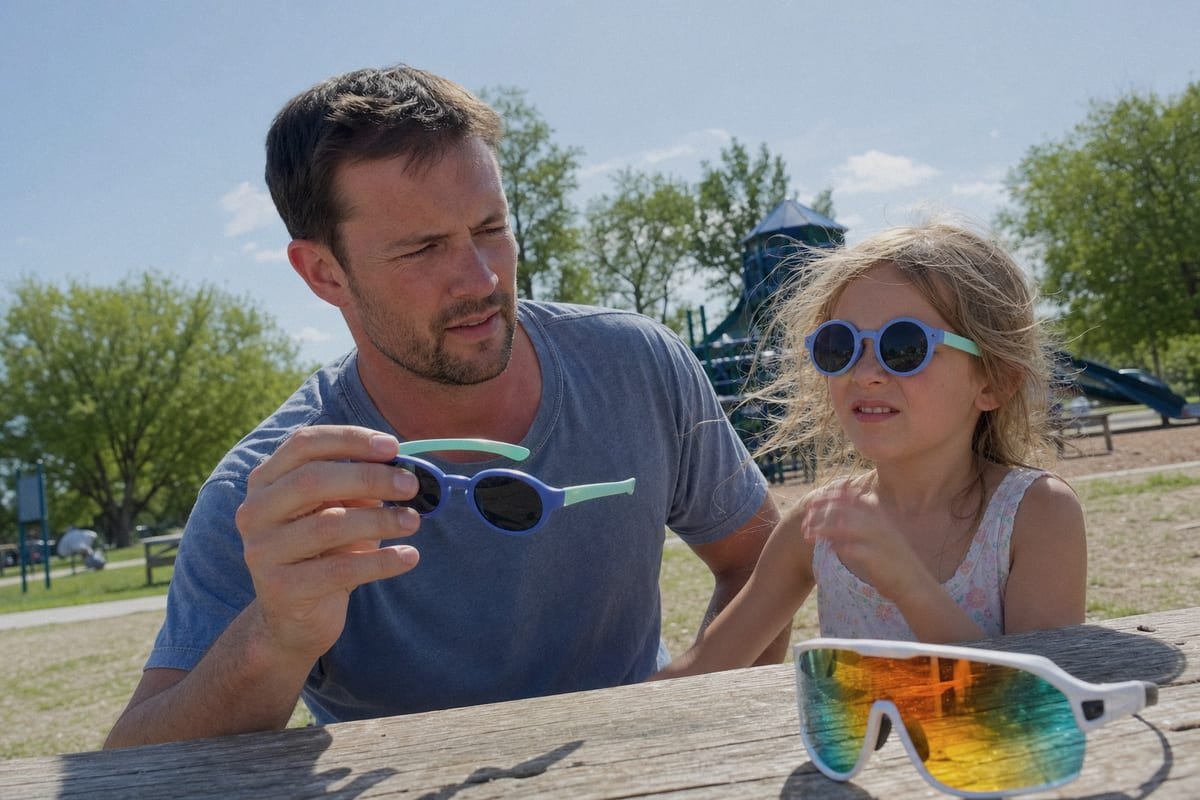
When we support OEM/ODM buyers launching their own children's eyewear brands, documentation is where we spend the most hand-holding time. The good news: because our roughly 800 existing styles have established material and construction baselines, new brands can often reach retail-ready compliance without heavy mold investment or starting testing from zero. Custom colors, logos, and packaging layer on top of a proven technical foundation.
The Documentation Stack, Step by Step
| خطوة | وثيقة | من يقوم بإعدادها | الغرض |
|---|---|---|---|
| 1 | Lab test report | مختبر طرف ثالث معتمد | Proves the model meets EN ISO 12312-1 |
| 2 | Technical file | Factory + brand | Design specs, materials, test evidence, risk assessment |
| 3 | إعلان المطابقة | Brand (as the party placing on market) | Legal self-declaration under PPE Regulation 2016/425 |
| 4 | CE / UKCA marking | Applied to product or packaging | Market access signal for EU / UK |
| 5 | Consumer labeling | Factory per brand artwork | Filter category, UV claim, care and use instructions |
Labeling Your Retail Packaging Correctly
Your packaging and product information should state the filter category number, the ادعاء الحماية من الأشعة فوق البنفسجية 7 (such as UV400), the manufacturer or importer identity, and basic care instructions. If you sell category 4 styles, you must warn they are not suitable for driving. We build these elements into branded, retail-ready packaging during production, so our buyers' products arrive shelf-ready rather than needing relabeling in a local warehouse.
One caution from experience. Responsibility does not end at the factory gate. The brand placing the product on the EU or UK market holds the legal obligation for conformity. A reliable factory partner reduces that risk enormously — but you should still keep your own copies of every report and declaration, review them at each reorder, and retest when lens suppliers, tints, or frame materials change.
الخلاصة
EN ISO 12312-1 turns kids’ sunglasses from a fashion gamble into verified protection. Our factory builds every children’s frame with that framework in mind — so your brand launches with confidence, not compliance anxiety.
ملاحظات ختامية
1. Official ISO Online Browsing Platform link for the current 2022 standard. ↩︎
2. Official European Union regulation regarding the design and manufacture of personal protective equipment. ↩︎
3. Official EU portal for business compliance and conformity documentation. ↩︎
4. Wikipedia entry describing the properties and applications of thermoplastic elastomers like TPEE. ↩︎
5. ISO Online Browsing Platform providing definitions for sunglare filter categories. ↩︎
6. Wikipedia explanation of optical power and its measurement in lenses. ↩︎
7. Wikipedia article detailing the history, types, and protective standards of sunglasses. ↩︎
مقالات أخرى قد تعجبك
August 1, 2026
هل يجب على المصنع التعامل مع تغليف ووضع ملصقات نظارات الأطفال الشمسية، أم استخدام مورد مخصص؟
August 1, 2026
مستودع خاص مقابل الوفاء المباشر من المورد: أيهما يقلل تكاليف الإرجاع لعلامات نظارات الأطفال الشمسية؟
August 1, 2026
مباشر إلى ميناء المستودع أو التخزين الخارجي: أيهما يوفر أكثر على شحن نظارات الأطفال الشمسية؟
هل تبحث عن شريك موثوق به للنظارات للأطفال؟
استكشف أكثر من 800 نمط جاهز ودعم OEM/ODM كامل مصمم خصيصًا لعلامتك التجارية.
اتصل بنا English
  Español de México
  Deutsch
  Français
  日本語
日本語  العربية
  Português do Brasil