كيفية مطابقة مقاس إطارات نظارات الأطفال مع المسافة بين الحدقتين (PD)؟
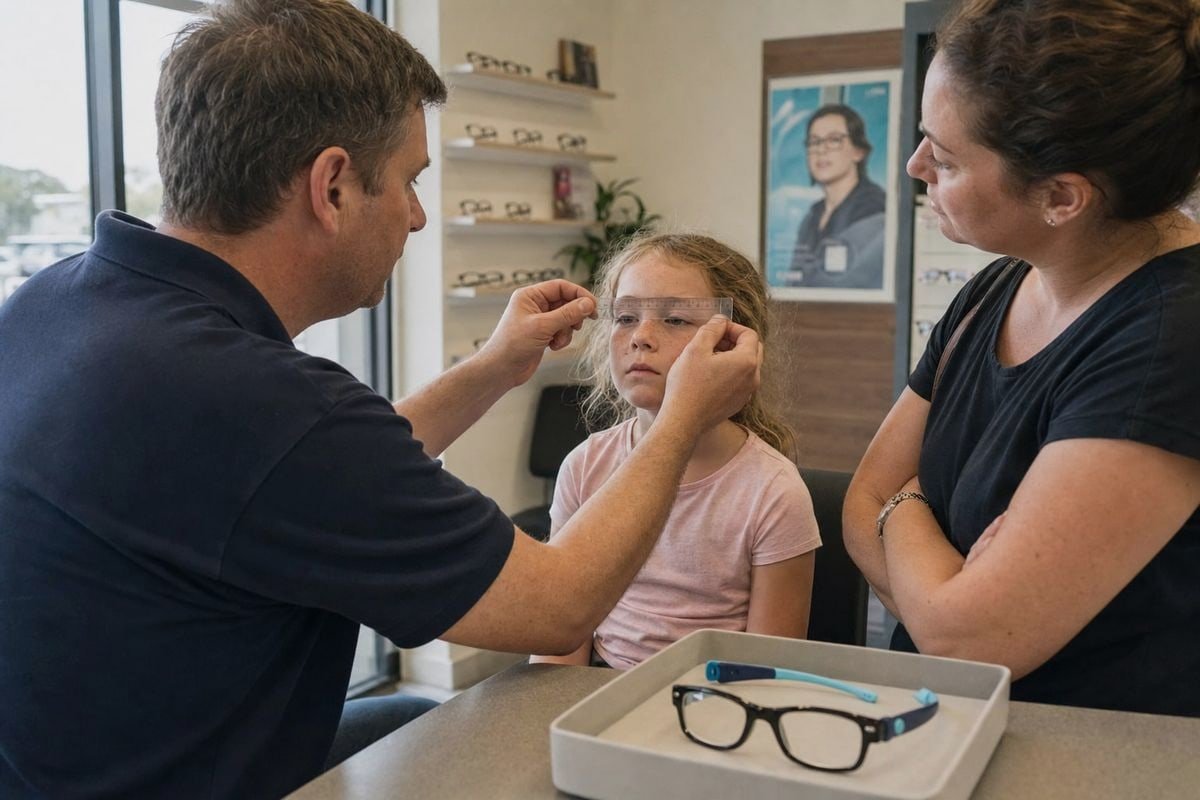
مطابقة مقاس إطارات نظارات الأطفال مع المسافة بين الحدقتين 1 هو المكان الذي تحدث فيه معظم أخطاء القياس. في خط الإنتاج لدينا في تايتشو، أرى علامات تجارية تطلب إطارات تبدو رائعة ولكنها لا تناسب وجوه الأطفال الحقيقية - حدقات تتجه نحو حواف العدسة، وصداع، ونظارات تُترك في حقائب المدرسة. يبدأ الحل بقياس واحد يتم بشكل صحيح.
لمطابقة مقاس إطارات نظارات الأطفال مع المسافة بين الحدقتين، قم بقياس المسافة بين الحدقتين للطفل بالمليمتر، ثم اختر إطارًا يساوي فيه عرض العدسة زائد عرض الجسر تقريبًا هذه المسافة بين الحدقتين. حافظ على كل حدقة ضمن 3-4 مم من مركز العدسة، مع عدم تطابق إجمالي أقل من 8 مم.
هذا هو الجواب المختصر. أدناه، سأشرح كيفية قياس المسافة بين الحدقتين، ولماذا المطابقة مهمة، وأي مقاسات إطارات تناسب أي أعمار، وكيفية القيام بذلك بشكل صحيح عبر خط إنتاج كامل.
كيف أقيس المسافة بين بؤبؤي طفلي بدقة قبل اختيار إطار؟
سألني مشترٍ من أستراليا ذات مرة لماذا إطاران بنفس عرض العدسة يناسبان مجموعته التجريبية بشكل مختلف. عاد الجواب إلى قياسات المسافة بين الحدقتين غير المتسقة. الحصول على الرقم الصحيح يأتي أولاً، قبل أن يكون أي مخطط لمقاسات الإطارات مهمًا.
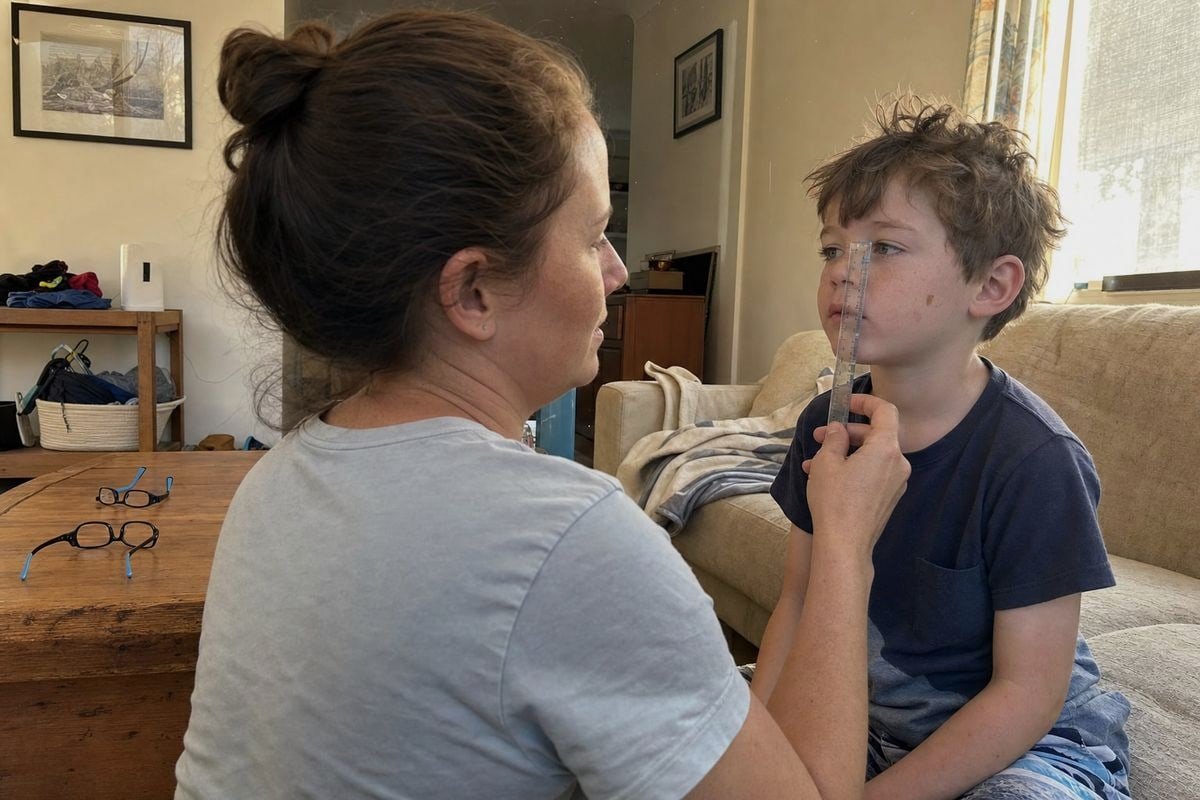
قم بقياس المسافة بين الحدقتين (PD) بجعل الطفل ينظر مباشرة إلى جسم بعيد، مع إمساك مسطرة ملليمترية بشكل مسطح على خط الحاجب، وقراءة المسافة بين مركزي الحدقتين. كرر ذلك مرتين أو ثلاث مرات، ثم احسب متوسط النتائج، وقم بالتأكيد بشكل احترافي للوصفات الطبية القوية أو المعقدة.
المسافة بين الحدقتين هي المسافة الأفقية، بالمليمتر، بين مركزي الحدقتين. تخبر المختبر بمكان وضع المركز البصري لكل عدسة بحيث يتوافق مع المحور البصري للطفل. معظم الأطفال تتراوح مسافتهم بين 41 و 55 مم، وغالبًا ما يقيس الأطفال الذين تتراوح أعمارهم بين 5 و 8 سنوات حوالي 46-50 مم. ولكن هذه نطاقات، وليست إجابات. لا تزال بحاجة إلى قياس الطفل الفردي.
طريقة الشخصين في المنزل
في تجربتي، تعمل طريقة الشخصين بشكل أفضل للأطفال. يمسك شخص بالغ المسطرة؛ ينظر الطفل إلى ما وراء كتف هذا الشخص البالغ نحو شيء بعيد، مثل صورة على الحائط البعيد. النظر إلى مسافة بعيدة يريح تقارب العين 2 ويعطي مسافة بين الحدقتين حقيقية. ثم اتبع هذه الخطوات:
- اجعل الطفل يجلس بثبات وينظر مباشرة إلى الهدف البعيد.
- ضع مسطرة مليمترية بشكل مسطح على الجبهة أو جسر الأنف.
- قم بمحاذاة علامة الصفر مع مركز إحدى الحدقتين.
- اقرأ الرقم عند مركز الحدقة الأخرى.
- كرر مرتين أو ثلاث مرات وقم بحساب متوسط القراءات.
يمكن لتطبيقات المسافة بين الحدقتين على الهواتف الذكية المساعدة، ولكن مع الأطفال الصغار الذين لا يستقرون غالبًا ما تخطئ. إذا اختلفت القراءات بأكثر من 1-2 مم، خذ الطفل إلى أخصائي بصريات.
متى يكون القياس الاحترافي مفيدًا
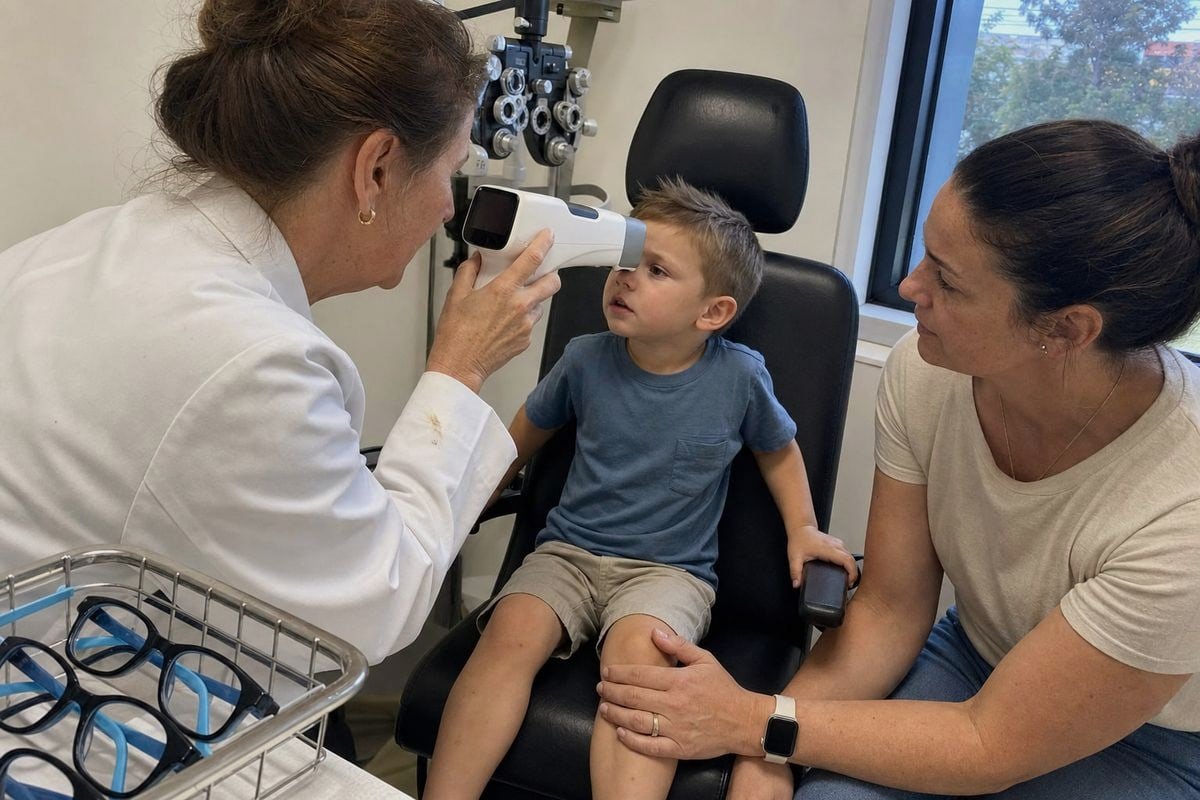
للوصفات الطبية عالية القوة،, عدسات التحكم في قصر النظر 3, ، أو الأطفال دون سن الخامسة، احصل على قياس احترافي. يمكن لأخصائي البصريات أيضًا تسجيل المسافة بين الحدقتين أحادية العين 4 - المسافة من كل حدقة إلى مركز جسر الأنف - وهو أمر مهم لأن وجوه العديد من الأطفال غير متماثلة قليلاً. تذكر أيضًا أن المسافة بين الحدقتين ديناميكية. تنمو مع نمو وجه الطفل، لذا قم بإعادة القياس عند كل تحديث للوصفة الطبية بدلاً من إعادة استخدام رقم العام الماضي.
لماذا يعتبر تطابق مسافة بين الحدقتين (PD) مع حجم الإطار أمرًا مهمًا لصحة العين وراحة الأطفال؟
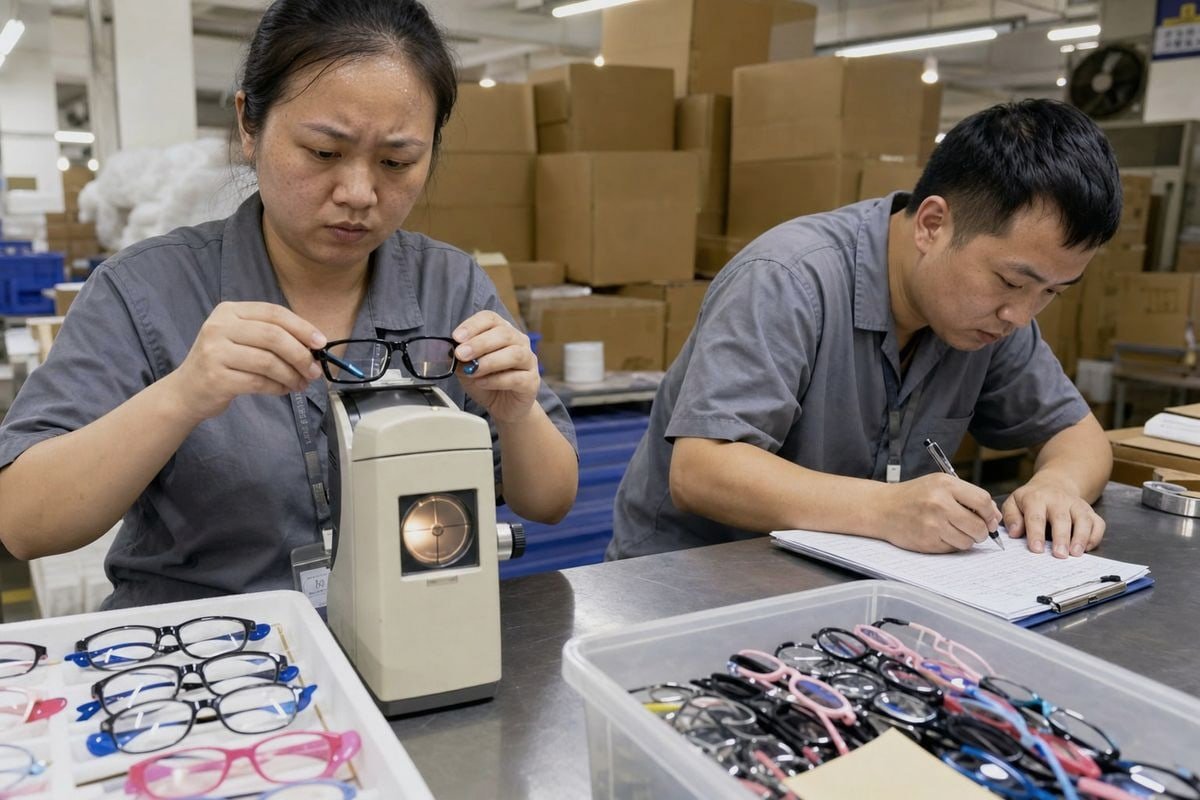
خلال مراجعة مراقبة الجودة في مصنعنا، رفضنا دفعة عينات ليس بسبب عيوب في المواد ولكن لأن مركز العدسة انحرف للخارج في نموذج يناسب الوجه الصغير. شكلت تلك التجربة مدى جديتنا في التعامل مع محاذاة المركز البصري في تركيب نظارات الأطفال.
مطابقة مسافة بين الحدقتين (PD) مع حجم الإطار تحافظ على المركز البصري لكل عدسة محاذيًا لبؤبؤ الطفل. عدم التطابق يخلق انكسارًا ضوئيًا مستحثًا، مما يسبب إجهاد العين والصداع وتشوش الرؤية وحواف عدسة أكثر سمكًا - وهي مشاكل غالبًا ما تجعل الأطفال يرفضون ببساطة ارتداء نظاراتهم.
كل عدسة طبية لها نقطة مثالية واحدة: مركزها البصري. عندما تنظر الحدقة عبر هذه النقطة، يمر الضوء دون انحراف غير مرغوب فيه. عندما يكون الإطار واسعًا جدًا بالنسبة للمسافة بين حدقتي الطفل، يجب على المختبر إزاحة العدسات، أو الأسوأ من ذلك، ببساطة تجلس الحدقات داخل المراكز البصرية. في كلتا الحالتين، تنظر العينان عبر الجزء الخاطئ من العدسة.
ما تفعله الإزاحة فعليًا
النتيجة هي المنشور المستحث 5 - تحول صغير وثابت للصورة يجب على نظام رؤية الطفل محاربته طوال اليوم. نادرًا ما يصف الأطفال هذا بشكل جيد. بدلاً من ذلك، يصابون بالصداع، أو يفركون أعينهم، أو يميلون رؤوسهم، أو يدفعون النظارات إلى أسفل أنفهم. الكثير منهم ببساطة يخلعون النظارات. يعتقد الآباء بعد ذلك أن الطفل يتصرف بصعوبة، بينما المشكلة الحقيقية هي بصرية.
هناك أيضًا تكلفة جمالية ووزنية. تصبح العدسات أسمك لكل مليمتر يتم إزاحتها. بالنسبة للوصفات الطبية الأعلى، يعني هذا نظارات أثقل، وسمك حافة أكثر وضوحًا، وأقوى تشوه محيطي 6 - تأثير حوض السمك. لهذا السبب غالبًا ما تكون الإطارات الأصغر والأكثر استدارة هي الخيار الصحيح للأطفال ذوي الوصفات الطبية القوية.
أرقام التفاوت التي تهم
قاعدتان عمليتان للتفاوت تظهران باستمرار في إرشادات طب الأطفال:
| القاعدة | السماحية | متى تنطبق |
|---|---|---|
| حد الانحراف لكل عين | 3-4 مم لكل عين | جميع وصفات الأطفال الطبية |
| حد عدم التطابق الإجمالي | 8 مم كحد أقصى مجمع | جميع وصفات الأطفال الطبية |
| قاعدة تقدير الملاءمة عبر الإنترنت | المسافة بين الحدقتين ضمن 4-6 مم من مسافة مركز عدسة الإطار | الوصفات الطبية المنخفضة إلى المعتدلة |
| الوصفات الطبية الأقوى | Tighter than 4 mm | High-power and myopia-control lenses |
For specialized myopia-control lenses such as DIMS or HALT designs, precise PD matching is even more critical, because the therapeutic peripheral zones only work when the central zone sits exactly over the pupil. And for school-aged children doing heavy reading or screen work, near PD — typically about 3 mm narrower than distance PD — deserves attention too, since converging eyes look through a slightly more nasal point on the lens.
ما هي خيارات عرض الإطار ومقاس الجسر التي تعمل بشكل أفضل لمختلف الفئات العمرية ونطاقات المسافة بين الحدقتين؟
One trade-off I weigh constantly when developing new molds is size versus stability. A frame front sized perfectly for a five-year-old's PD still fails if the nose bridge fit is wrong and the glasses slide with every jump. Width and bridge must be designed together.
اختر عرض عدسة تقريبًا 39-43 مم للأطفال الصغار، و 44-46 مم للأعمار من 5-8 سنوات، و 47-50 مم للمراهقين المبكرين، و 50-54 مم للمراهقين، ثم تحقق من أن عرض العدسة بالإضافة إلى عرض الجسر قريب من قياس PD الخاص بالطفل.
التحجيم حسب العمر is a shortcut, not a rule. Children's facial proportions vary widely, so treat the table below as a starting point for shortlisting frames, then confirm against the actual PD.
| فئة العمر | Typical PD range | Suggested lens width | Typical bridge width (DBL) | Approx. lens width + bridge |
|---|---|---|---|---|
| Toddlers (2–4) | 41–47 mm | 39-43 ملم | 13–15 mm | 52–58 mm |
| Young children (5–8) | 46–50 ملم | 44-46 ملم | 14–16 ملم | 58–62 mm |
| Pre-teens (9–12) | 48–54 mm | 47-50 ملم | 15–17 ملم | 62–67 mm |
| Teens (13+) | 52–60 mm | 50-54 ملم | 16–18 ملم | 66–72 mm |
Notice that lens width plus bridge width runs a little wider than PD in every row. That is normal. The goal is to get the geometric lens centers close to the pupils, then let the lab handle the last few millimeters through lens centration — as long as you stay inside the 3–4 mm per-eye tolerance.
Reading the numbers on a frame
Product pages list three key numbers, usually printed on the temple as something like 45-15-125:
- Lens width: the horizontal width of one lens.
- Bridge width (DBL): the gap between the lenses across the nose.
- Temple length: the arm length from hinge to ear tip.
Bridge design for young noses
Young children have low, soft nose bridges, so nose bridge fit deserves as much attention as width. A bridge that is too wide lets the frame slide down, which increases vertex distance 7 and weakens the effective prescription. Frames with adjustable nose pads let opticians fine-tune vertex distance and vertical alignment as the bridge matures. Our إطارات بصرية TR90 8 for younger kids use a lower, keyhole-style bridge shape for exactly this reason. And in ultra-flexible TPEE or silicone constructions, a rigid bridge bar is essential — without it, the lenses splay outward during play and the effective PD spacing drifts.
كيف يمكنني العمل مع الشركة المصنعة للحصول على قياسات دقيقة من PD إلى الإطار عبر خط الإنتاج الخاص بي؟
A lesson I learned early in our fifteen years of eyewear work: a brand's sizing problems are almost never about one frame. They come from a product line built without a coherent size ladder. Fixing that is a joint job between buyer and factory.
شارك شرائح العمر المستهدفة ونطاقات مسافة بين الحدقتين (PD) مع الشركة المصنعة الخاصة بك، واطلب مخططًا لحجم الإطارات يغطي عرض العدسة وعرض الجسر وطول الذراع لكل وحدة حفظ المخزون (SKU)، وتحقق من العينات على أطفال حقيقيين قبل الإنتاج. سيقوم شريك تصنيع المعدات الأصلية (OEM) الماهر بتعديل القوالب والجسور والمواصفات لتناسب سوقك.
At our Taizhou factory, we run about 800 existing kids' styles, and the most productive sourcing conversations start with the buyer's end user, not with our catalog. Tell us which age bands you sell to, whether the frames carry prescription lenses or plano sun lenses, and which markets you serve — facial anatomy differs between regions, and bridge specs should reflect that.
A practical development workflow
Here is the process we typically follow with brands building a PD-correct line:
- Define the size ladder. Map each SKU to an age band and PD range so the line covers toddlers through teens without gaps or overlaps.
- Request full specs. Every style should document lens width, bridge width (DBL), temple length, and total frame width — not just a vague small/medium/large label.
- Review material behavior. Flexible TPEE and TR90 frames are safe and comfortable for active kids, but we engineer bridge rigidity so lens spacing stays stable under flex.
- Sample and wear-test. Put samples on real children in your target age groups. Check lens centration visually: pupils should sit at or slightly above the horizontal lens midline.
- Lock QC tolerances. Agree on dimensional tolerances for the frame front before mass production, so every batch matches the approved sample.
What good OEM/ODM support looks like
Working from existing molds keeps your investment low, but a real factory partner will still tailor bridge height, temple length, and nose pad options for your market. We do this routinely for children's brands in Europe, Japan, and Australia — adjusting a bridge by a millimeter or two, or swapping a fixed bridge for adjustable pads on optical styles. For optical programs, we also flag which frames suit high-power lenses (smaller, rounder eye shapes) versus fashion sun styles. Add clear size labeling on your retail-ready packaging, and parents can shop your line by PD instead of guessing.
الخلاصة
Matching kids eyewear frame size with pupillary distance protects vision, comfort, and compliance. Measure PD, respect the 3–4 mm tolerance, size by age wisely, and partner with a factory that engineers fit deliberately.
ملاحظات ختامية
1. Defines pupillary distance and its role in lens optical alignment for readers unfamiliar with the term. ↩︎
2. Describes the physiological process of eyes turning inward, which affects pupillary distance measurements. ↩︎
3. Provides authoritative information on specialized pediatric lenses that require precise centration for effectiveness. ↩︎
4. Explains the measurement of each eye individually, crucial for children with facial asymmetry. ↩︎
5. Explains the optical phenomenon where decentered lenses create unwanted prismatic effects and eye strain. ↩︎
6. Technical resource detailing how lens power and decentration affect image quality at the edges. ↩︎
7. Defines the distance between the eye and lens, which is critical for maintaining prescription accuracy. ↩︎
8. Technical data on the high-performance polymer used for durable and flexible children’s eyewear frames. ↩︎
مقالات أخرى قد تعجبك

هل تبحث عن شريك موثوق به للنظارات للأطفال؟
استكشف أكثر من 800 نمط جاهز ودعم OEM/ODM كامل مصمم خصيصًا لعلامتك التجارية.
اتصل بنا English
  Español de México
  Deutsch
  Français
  日本語
日本語  العربية
  Português do Brasil