كيفية تحديد متطلبات سلامة الإطار والعدسة لموردي نظارات الأطفال الشمسية؟
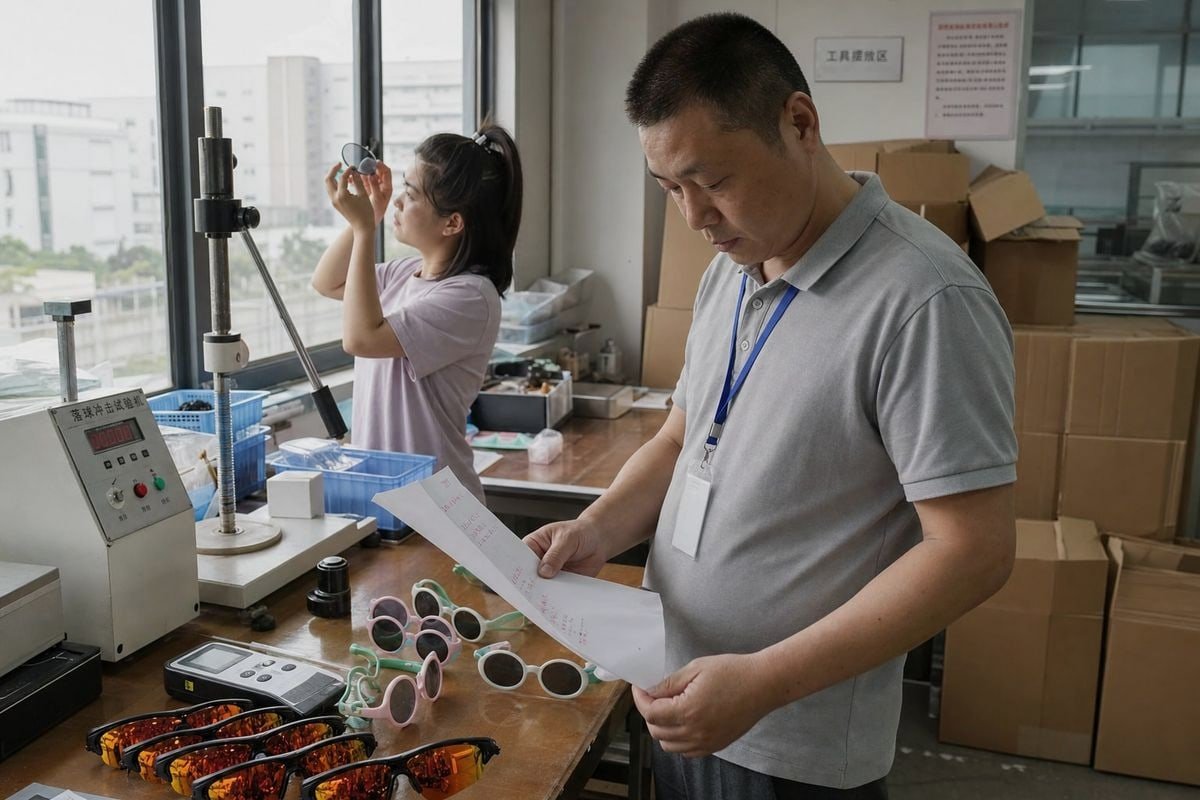
متطلبات سلامة الإطار والعدسة لموردي نظارات الأطفال الشمسية هي المكان الذي تبدأ فيه معظم مشاكل التوريد. لقد رأيت أوراق مواصفات غامضة على خط إنتاج تايتشو الخاص بنا تسبب عمليات استدعاء مكلفة.
لتحديد متطلبات سلامة الإطار والعدسة لموردي نظارات الأطفال الشمسية، حدد عدسات بولي كربونات مقاومة للصدمات مع حماية UV400، ومواد إطار مرنة غير سامة مثل TPEE أو TR90، والامتثال لـ FDA 21 CFR 801.410، ANSI Z80.3 أو EN ISO 12312-1، بالإضافة إلى حدود المواد الكيميائية CPSIA وتقارير الاختبار المعتمدة.
هذه الإجابة تغطي الأساسيات. لكن مواصفات المورد الحقيقية تحتاج إلى معايير قبول قابلة للقياس، وليس مجرد أسماء قياسية. دعني أفصل بالضبط ما يجب كتابته، قسمًا تلو الآخر.
ما هي معايير السلامة التي يجب أن أطلبها من مورد نظارات أطفالي الشمسية؟
أرسل لنا مشترٍ من أستراليا ذات مرة مواصفات من سطر واحد: "يجب أن تكون آمنة للأطفال". كان على فريق الهندسة لدينا إرسال ثلاث صفحات من الأسئلة قبل أن نتمكن من تقديم عرض أسعار دقيق.
تتطلب مقاومة الصدمات وفقًا لـ FDA 21 CFR 801.410 للولايات المتحدة، أو ANSI Z80.3 أو EN ISO 12312-1 للأداء البصري والأشعة فوق البنفسجية، وحدود الرصاص والفثالات وفقًا لـ CPSIA لمنتجات الأطفال، و ASTM F803 فقط إذا كان المنتج نظارات رياضية. طابق كل معيار بسوق وجهتك.
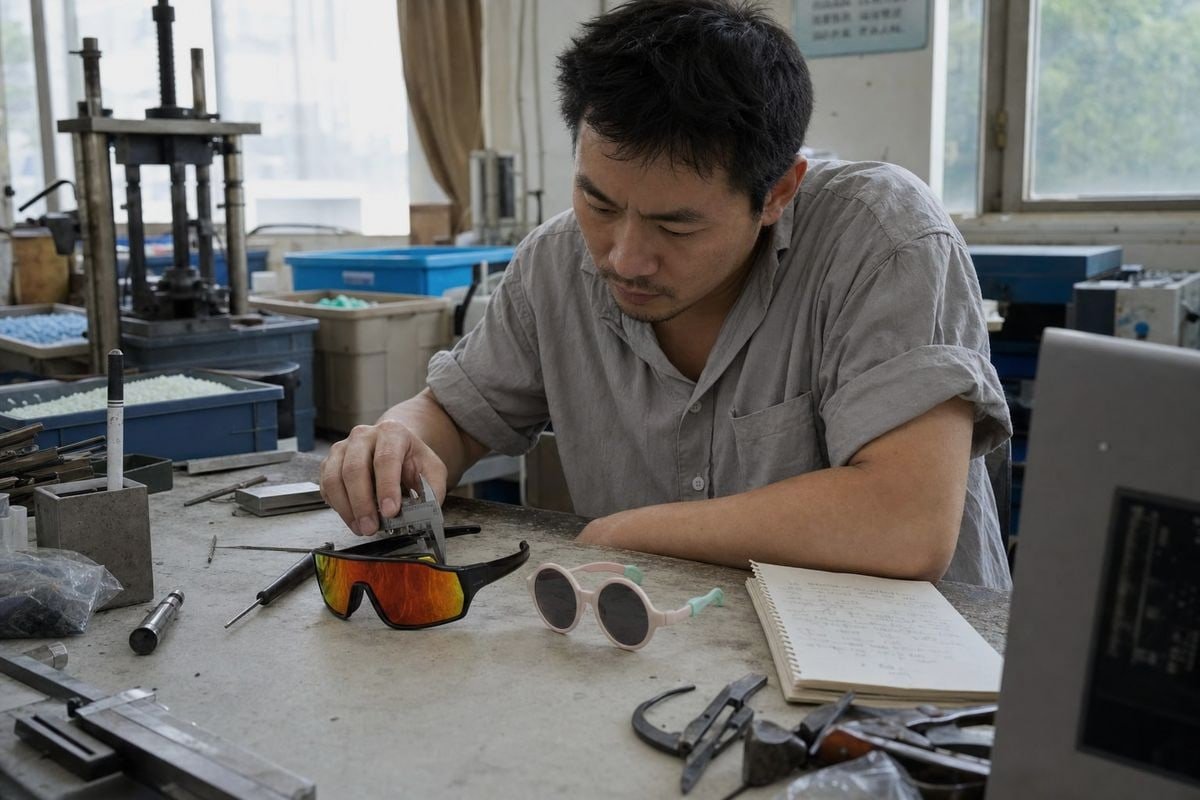
أكبر خطأ أراه في مواصفات الموردين هو التعامل مع جميع المعايير على أنها قابلة للتبديل. إنها ليست كذلك. كل منها يغطي خطرًا مختلفًا، ولكل سوق وجهة معايير قانونية خاصة به. يجب أن تربط ورقة المواصفات الخاصة بك المعايير بالأسواق بشكل صريح، حتى يعرف المورد الخاص بك بالضبط تقارير الاختبار التي يجب إعدادها.
طابق المعيار بالسوق
إليك التعيين الذي نستخدمه عند تقديم عروض الأسعار للمشترين في مناطق مختلفة:
| السوق | المعيار الرئيسي | ما يغطيه |
|---|---|---|
| الولايات المتحدة | هيئة الغذاء والدواء 21 CFR 801.410 1 | مقاومة عدسة الصدمات (اختبار الكرة الساقطة) |
| الولايات المتحدة | ANSI Z80.3 | نقل الأشعة فوق البنفسجية، الجودة البصرية، القابلية للاشتعال |
| الولايات المتحدة | قانون تحسين سلامة المنتجات الاستهلاكية 2 | الرصاص، الفثالات، ملصقات التتبع، شهادة CPC |
| أوروبا | EN ISO 12312-1 3 | حماية الأشعة فوق البنفسجية، القوة الميكانيكية، العلامات |
| أوروبا | 71-3 / EN REACH 4 | هجرة المواد الكيميائية، المواد المقيدة |
| أستراليا / نيوزيلندا | AS/NZS 1067 | فئات العدسات، حماية الأشعة فوق البنفسجية، الملصقات |
| الاستخدام الرياضي | ASTM F803 5 | حماية من الصدمات عالية السرعة |
نظارات شمسية عادية مقابل نظارات رياضية
هذا التمييز مهم أكثر مما يدرك معظم المشترين. نظارات الأطفال الشمسية العادية والنظارات الرياضية هي فئات منتجات منفصلة ذات اختبارات شديدة مختلفة جدًا. يجب أن تتحمل المنتجات الرياضية ASTM F803 صدمات عالية السرعة من شأنها تدمير إطار أزياء عادي. إذا كان منتجك عبارة عن درع ملتف لركوب الدراجات أو الجري، فلا تسميه 'واقي رياضي" ما لم يجتاز بالفعل المعيار الرياضي. اسأل المورد الخاص بك عن الفئة التي يقدم عرض أسعار لها. نؤكد دائمًا على هذا قبل فتح قالب، لأن سمك العدسة وهندسة الإطار وتصميم الاحتفاظ كلها تتغير.
تذكر أيضًا: نظارات الأطفال الشمسية في الولايات المتحدة هي منتجات للأطفال بموجب CPSIA. هذا يعني اختبارًا من طرف ثالث في معمل مقبول من CPSC، وشهادة منتج للأطفال، وملصقات تتبع دائمة. العديد من موردي النظارات العامة لا يعرفون هذا. المورد الذي يسألك عن سوقك المستهدف قبل تقديم عرض أسعار هو عادة مورد يستحق الاحتفاظ به.
كيف أحدد مادة الإطار المناسبة لنظارات الأطفال الآمنة والمريحة؟
خمسة عشر عامًا من تشكيل إطارات الأطفال علمت فريقنا درسًا قاسيًا واحدًا: الأطفال لا يرتدون النظارات الشمسية، بل يختبرون متانتها. يجلسون عليها، ويمضغونها، وثني الأذرع للخلف.
حدد بوليمرات مرنة ومقاومة للصدمات مثل TPEE أو TR90 التي تنحني دون أن تنكسر، وتتطلب مواد خالية من BPA والفثالات مع الامتثال الكيميائي CPSIA و EN 71-3، وتتطلب تشطيبًا ناعمًا بدون حواف حادة أو نتوءات أو أجزاء صغيرة قابلة للفصل.
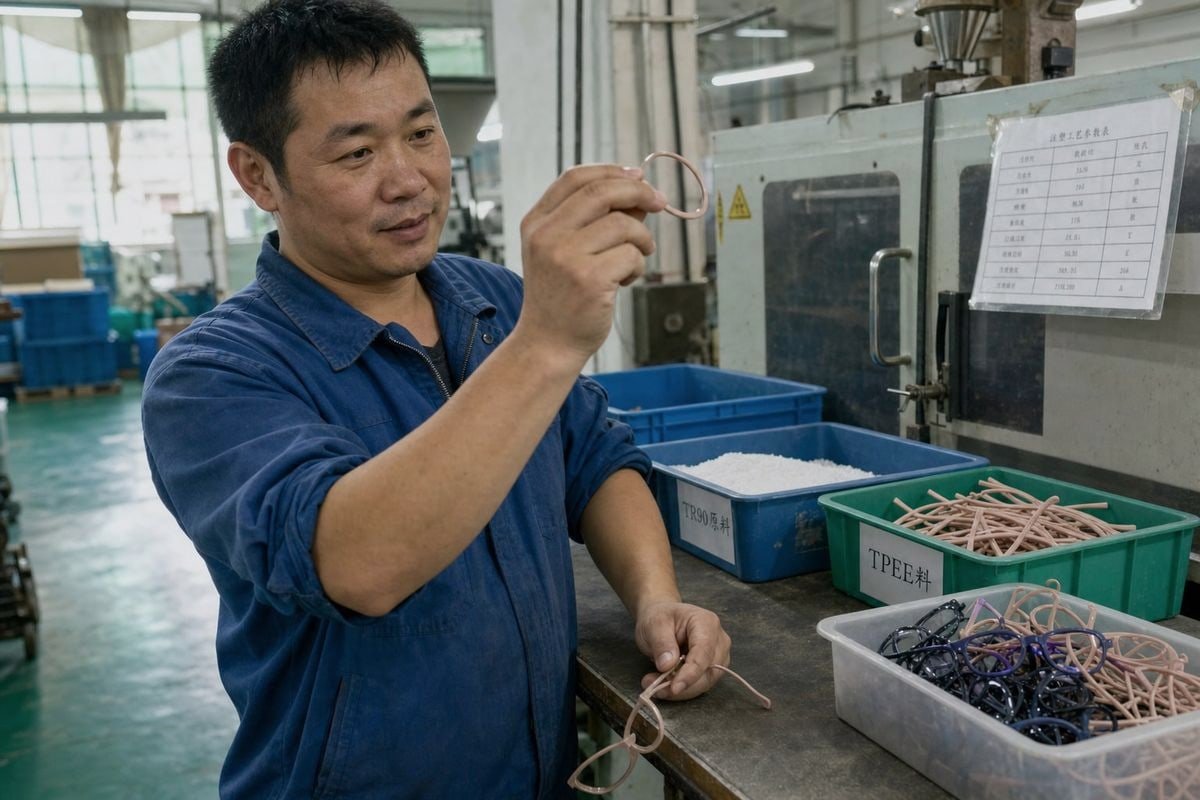
سلامة الإطار تعتمد على سؤالين. أولاً، ماذا يحدث ميكانيكيًا عندما يسيء الطفل استخدام الإطار؟ ثانيًا، ماذا يحدث كيميائيًا عندما يضع الطفل الإطار في فمه أو يرتديه على جلده طوال اليوم؟ يجب أن تعالج مواصفاتك كلاهما، بشكل منفصل وكتابيًا.
السلوك الميكانيكي: انثناء، لا كسر
البلاستيك الصلب الهش هو العدو في نظارات الأطفال. عندما ينكسر إطار صلب، فإنه يخلق حوافًا حادة بالقرب من عيني الطفل ووجهه. لهذا السبب نبني معظم خطوط الأطفال لدينا في إطارات TPEE مرنة أو TR90 6, ، غالبًا ما تجمع بين واجهة TR90 وأذرع TPEE. يمكن لـ TPEE الالتواء بشكل مسطح تقريبًا والعودة إلى شكله. TR90 هو نايلون ذاكرة خفيف الوزن يقاوم التشوه الدائم. لا تتشقق أي من المادتين تحت التعامل العادي للأطفال.
لغة مواصفات مفيدة يمكنك نسخها: "يجب أن تتحمل الإطارات الانثناء والالتواء المتكرر أثناء التعامل العادي للأطفال دون تشقق أو تشوه دائم أو تعرض حواف حادة أو نتوءات." أضف احتفاظ العدسة: "يجب ألا تدور العدسات أو تنفك أو تنفصل عن الإطار أثناء الاستخدام أو بعد اختبارات التعامل القياسية."
السلامة الكيميائية: ما يلامس الجلد مهم
| المتطلب | ما يجب تحديده | لماذا هو مهم |
|---|---|---|
| محتوى الرصاص | أقل من حدود CPSIA، تم اختباره من قبل طرف ثالث | متطلب قانوني للمنتجات الأطفال في الولايات المتحدة |
| الفثالات | شهادة خالية من الفثالات وفقًا لـ CPSIA | الملينات في البلاستيك الرخيص تشكل خطر الابتلاع |
| ثنائي الفينول أ | مواد خالية من BPA مع وثائق | مهم للمنتجات الصغار التي توضع في الفم |
| هجرة المعادن الثقيلة | اختبار EN 71-3 على جميع مكونات الإطار | يغطي التسرب عبر الجلد أو ملامسة الفم |
| إطلاق النيكل | اختبر أي مفصلات معدنية أو زخارف | بعض الأسواق تحد من النيكل في منتجات الأطفال |
One caution from experience: "BPA-free" is a useful purchasing term, but it is not a compliance package. Ask for the actual lab reports behind the claim. On our line, we keep material disclosure sheets for every resin batch, because buyers in Japan and Europe increasingly ask for them before placing a first order.
Fit Is a Safety Feature Too
Oversized "grow into it" frames slip, sit crooked, and leave gaps around the eyes. Specify sizing by age group, a flatter nose bridge suited to children's faces, and temple retention that keeps the frame stable during play. For babies and toddlers, sample-fit testing on representative head sizes is worth writing into the spec.
ما هي متطلبات جودة العدسة وحماية الأشعة فوق البنفسجية التي يجب أن أدرجها في ورقة مواصفات المورد الخاصة بي؟
The trade-off we discuss most often with new buyers is lens cost versus lens safety. Cheap acrylic lenses save cents per unit but fail exactly where children's eyewear cannot afford to fail.
حدد عدسات البولي كربونات التي تجتاز اختبار كرة السقوط من إدارة الغذاء والدواء الأمريكية، وحماية UV400 التي تحجب جميع الأشعة فوق البنفسجية الطويلة (UVA) وفوق البنفسجية القصيرة (UVB)، وجودة بصرية خالية من التشويه وفقًا لمعايير ANSI Z80.3 أو EN ISO 12312-1، وتثبيت آمن للعدسة، وحظر صريح لعدسات الزجاج للأطفال.
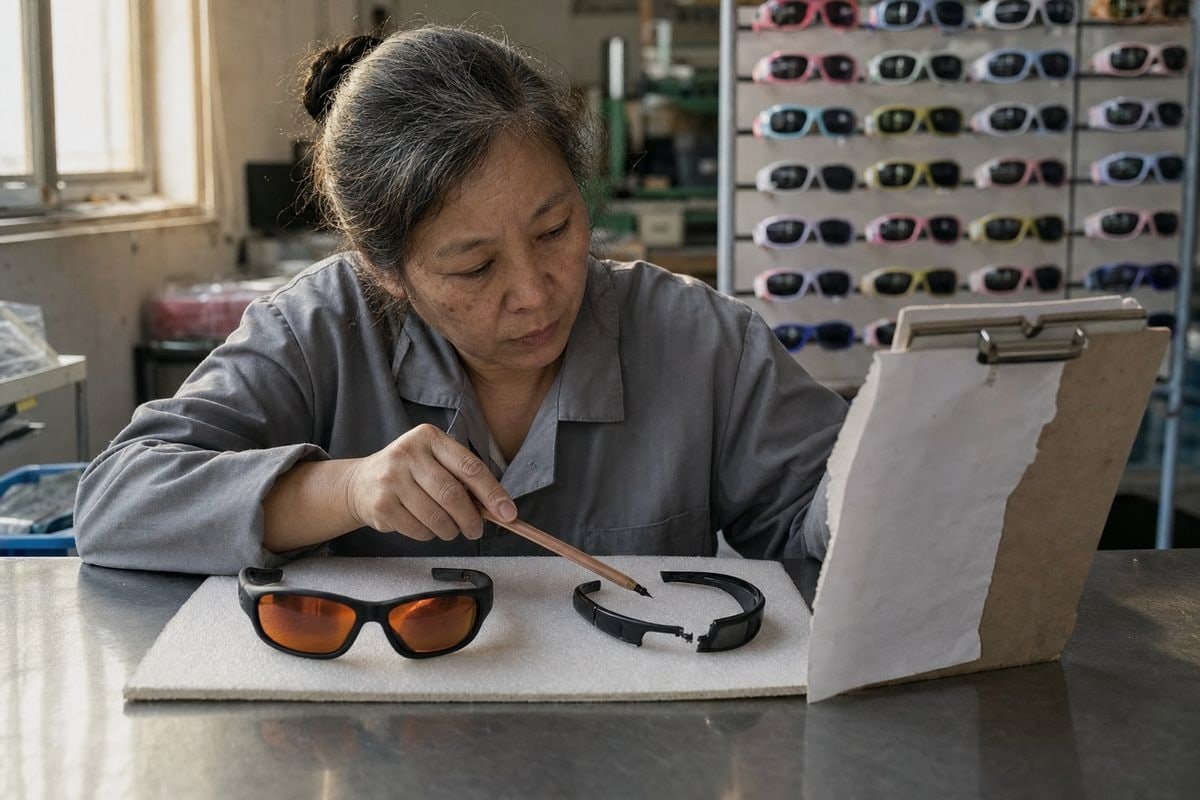
Lens requirements deserve their own section in your spec sheet, separate from the frame. Lens safety is about three things: what happens on impact, how much UV gets through, and how clearly the child sees. Weakness in any one of these makes the product unsafe or unsellable.
The Non-Negotiables, in Priority Order
- Impact resistance. البولي كربونات 7 lenses are the industry baseline for children. They are dramatically more impact-resistant than acrylic or CR-39 and far lighter than glass. Glass lenses should never be fitted to children — write that exclusion into the spec explicitly.
- Drop ball test compliance. For the US, require impact resistance testing per FDA 21 CFR 801.410. Ask your supplier whether they test every lens or use statistically valid batch sampling, and get that answer in writing.
- UV400 protection. Require lenses to block 100% of الأشعة فوق البنفسجية UVA و UVB 8 up to 400 nanometers. Children's eyes let more UV reach the retina than adult eyes, so this claim carries real health weight. Never accept "UV protective" without a measured transmittance report.
- Optical clarity. Poor optics cause distortion and visual fatigue. Reference the optical quality requirements in ANSI Z80.3 or EN ISO 12312-1 rather than inventing your own.
- احتفاظ العدسة. Lenses must not pop out, rotate, or loosen during use. This is a WHO/ISO-level guidance point, and it is a common failure on cheap frames.
ترقيات اختيارية تستحق النظر
Scratch-resistant hard coatings extend product life, since kids drop glasses lens-down constantly. Polarized lens options reduce glare for beach and water use, and we supply both UV400 and polarized versions across our children's range. Mirrored gradient coatings — like the orange-to-teal shields popular in sports styles — are cosmetic; make sure the UV claim comes from the lens material and testing, not the coating's appearance. A dark lens with weak UV blocking is worse than no sunglasses at all, because it dilates the pupil while letting UV in.
كيف يمكنني التحقق من أن المورد الخاص بي يفي بالفعل بمتطلبات السلامة التي حددتها؟
Early in our export history, a distributor told us he had been burned by a supplier who showed one golden sample, then shipped a different resin. That conversation shaped how we now document everything for buyers.
تحقق من الامتثال عن طريق طلب تقارير اختبار من طرف ثالث من مختبرات معتمدة، وشهادة منتج للأطفال للولايات المتحدة، وإعلانات المطابقة للاتحاد الأوروبي، ووثائق الكشف عن المواد، وعينات ما قبل الإنتاج المعتمدة، والتزام مكتوب بالتحكم في التغيير. تحقق من تواريخ التقارير وصور المنتجات واعتماد المختبر.
A spec sheet is only as strong as your verification process. Standards named on paper mean nothing if you never see the evidence. Here is the documentation pack we recommend buyers request before wiring any deposit.
The Compliance Pack Checklist
| وثيقة | ما يجب التحقق منه | علامة حمراء |
|---|---|---|
| تقارير الاختبار من طرف ثالث | Lab accreditation, test date, exact model tested | Reports older than 2 years or for a different SKU |
| شهادة منتجات الأطفال (CPC) | Cites CPSIA rules, lists CPSC-accepted lab | Supplier says a CPC is "not needed" for the US |
| Drop ball test records | Method matches 21 CFR 801.410 | Only a verbal claim of "impact resistant" |
| UV transmittance report | Measured blocking to 400 nm | UV400 printed on packaging with no data |
| Material disclosures | Resin grades for frame and lens, phthalate-free certification | Vague answers like "food-grade plastic" |
| إعلان المطابقة | References EN ISO 12312-1 for EU sales | CE mark with no supporting file |
| Sealed golden sample | Signed and retained by both parties | Supplier resists sealing a reference sample |
Verify the Process, Not Just the Paper
Documents can be recycled or borrowed. So go one level deeper. Ask how the factory controls material changes: a proper supplier commits in writing to notify you before switching any resin, coating, or component. Ask about in-line quality checks — our 5S-managed workshop logs incoming material inspection and finished-goods sampling for every order, and a serious factory should show you similar records. Video audits work well if you cannot visit. Finally, run your own spot checks: send one carton from an early shipment to an independent lab for CPSIA and UV testing. It costs a few hundred dollars and protects your brand against exactly the failure that hurts most — a false safety claim on a children's product.
Put the whole spec into your purchase order, not just an email. When requirements sit inside the contract, acceptance criteria become enforceable, and disputes get resolved by test data instead of arguments.
الخلاصة
A vague spec invites unsafe kids' sunglasses. Define frame materials, lens standards, UV400 claims, and compliance documents precisely — then verify everything. Your brand's trust depends on it.
ملاحظات ختامية
1. Direct link to the official FDA Code of Federal Regulations database for impact resistance. ↩︎
2. Authoritative CPSC page describing the Consumer Product Safety Improvement Act referenced throughout. ↩︎
3. Reliable summary of international sunglasses standards to avoid common 403 errors on the ISO website. ↩︎
4. ECHA’s official explanation of REACH chemical restriction regulation mentioned in the frame safety table. ↩︎
5. Official ASTM standard page for sports eyewear impact protection referenced for sports-use sunglasses. ↩︎
6. Background on nylon-based memory polymers like TR90 used in flexible children’s eyewear frames. ↩︎
7. Background reference on polycarbonate material properties used for impact-resistant children’s lenses. ↩︎
8. WHO reference on UV radiation health effects relevant to UV400 lens protection claims. ↩︎
مقالات أخرى قد تعجبك
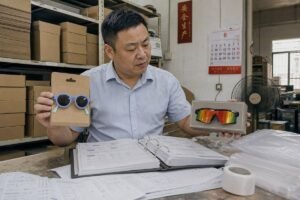
August 1, 2026
هل يجب على المصنع التعامل مع تغليف ووضع ملصقات نظارات الأطفال الشمسية، أم استخدام مورد مخصص؟
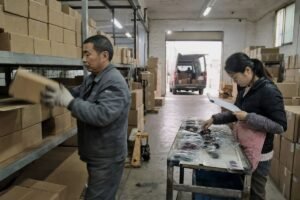
August 1, 2026
مستودع خاص مقابل الوفاء المباشر من المورد: أيهما يقلل تكاليف الإرجاع لعلامات نظارات الأطفال الشمسية؟
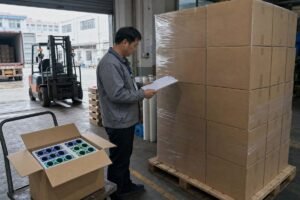
August 1, 2026
مباشر إلى ميناء المستودع أو التخزين الخارجي: أيهما يوفر أكثر على شحن نظارات الأطفال الشمسية؟
هل تبحث عن شريك موثوق به للنظارات للأطفال؟
استكشف أكثر من 800 نمط جاهز ودعم OEM/ODM كامل مصمم خصيصًا لعلامتك التجارية.
اتصل بنا English
  Español de México
  Deutsch
  Français
  日本語
日本語  العربية
  Português do Brasil