子供用サングラスサプライヤーとの検査基準と不良率について合意する方法?
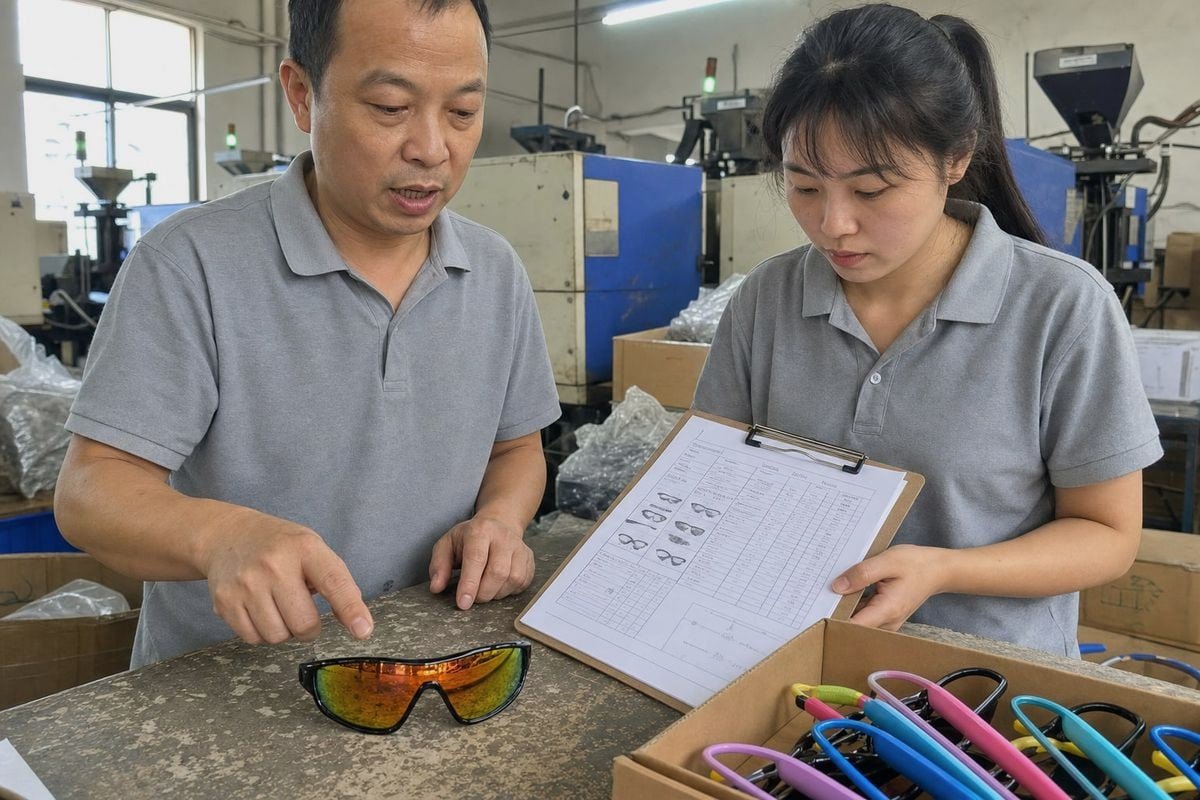
検査基準と不良率は、価格よりもバイヤーとサプライヤーの間の争いを引き起こします 最終出荷前検査 1. 。台州の生産ラインでは、「良い品質」が定義されていなかったために、注文が数週間も停滞するのを見てきました。曖昧な言葉は高額な紛争になります。その解決策は、生産が始まる前に作成された書面による合意です。.
署名済みの仕様書、ゴールデンサンプル、および書面による欠陥リストを購入注文書に添付して、検査基準と欠陥率に合意します。AQLしきい値(通常、重大な欠陥は0、主要な欠陥は2.5、軽微な欠陥は4.0)を設定し、出荷前検査の結果を出荷リリースと最終支払いに結び付けます。.
それが短い答えです。以下に、実際の注文がたどる順序で各ステップを説明します。まず基準、次に不良率、生産中のチェック、そして最後に紛争処理です。.
バルク注文を出す前に、どのような検査基準を要求すべきですか?
かつてオーストラリアのバイヤーが私に「サングラスは完璧でなければならない」という一行の品質条項を送ってきました。私たちのチームは断らなければなりませんでした。完璧は基準ではありません。子供用アイウェアの場合、基準は書面で、具体的で、テスト可能でなければなりません。.
購入注文書に、署名済みの製品仕様書、承認済みのゴールデンサンプル、3段階の欠陥分類、および安全コンプライアンスの証明(ISO 12312-1準拠、UV400保護テスト、耐衝撃性テスト、BPAフリー素材認証を含む)を、法的に拘束力のある書類として添付して請求してください。.
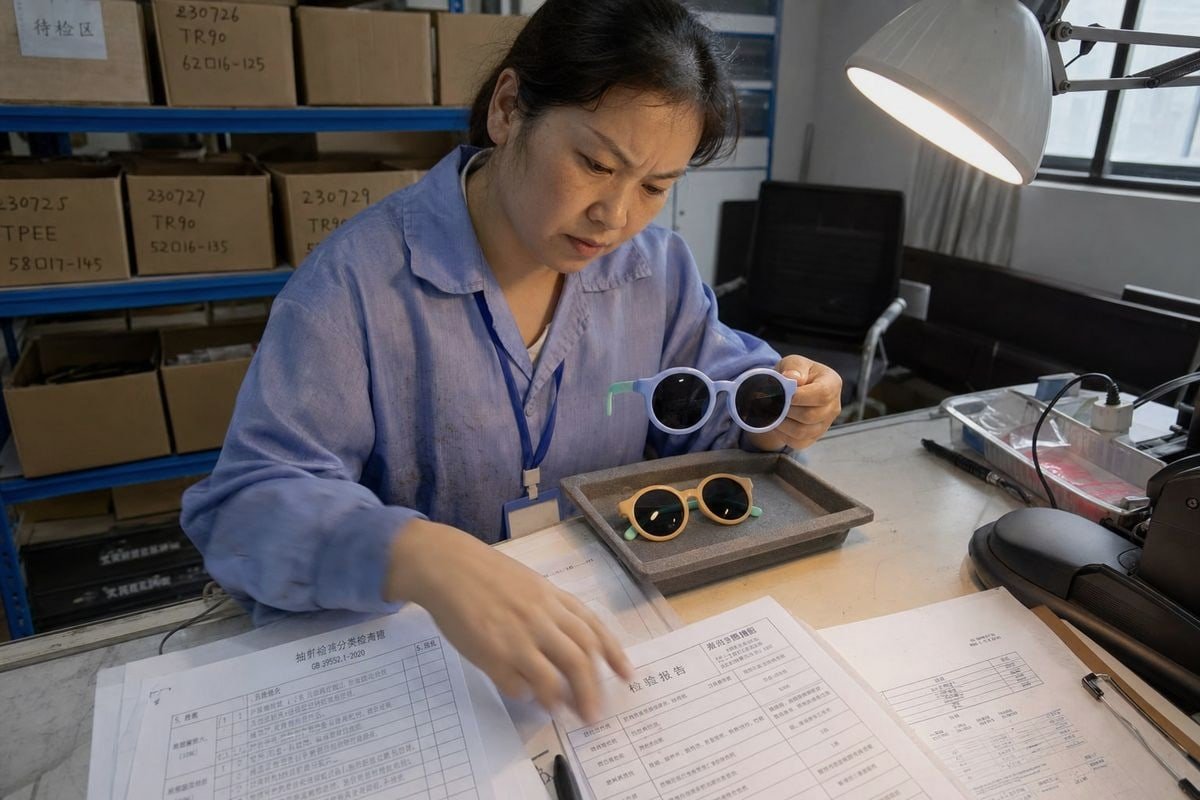
子供用サングラスは、大人用ファッションアイウェアよりも厳密な言葉遣いが必要です。大人用フレームの小さな外観上の欠陥は迷惑です。子供用フレームの鋭いエッジや緩んだレンズは安全上の問題です。したがって、検査基準は、最初から安全性、機能性、および外観を分離する必要があります。.
基準を定義する4つの文書
私たちの15年間の製造経験の中で TR90およびTPEEの子供用フレーム 2, 、すべてのスムーズな注文は同じ4つの文書に基づいています。
- 製品仕様書(PSS)。. 材料、寸法、公差、色、レンズタイプ、コーティング、およびパッケージが記載されています。単に「プラスチック」だけでなく、正確な樹脂の名前を記載する必要があります。これにより、サンプルが承認された後に工場が安価な傷防止コーティングに静かに切り替える「品質低下」を防ぐことができます。.
- ゴールデンサンプルの承認。. 両当事者は署名し、同一の物理サンプルを保管します。検査官は、記憶ではなく、生産ユニットをそれと比較します。.
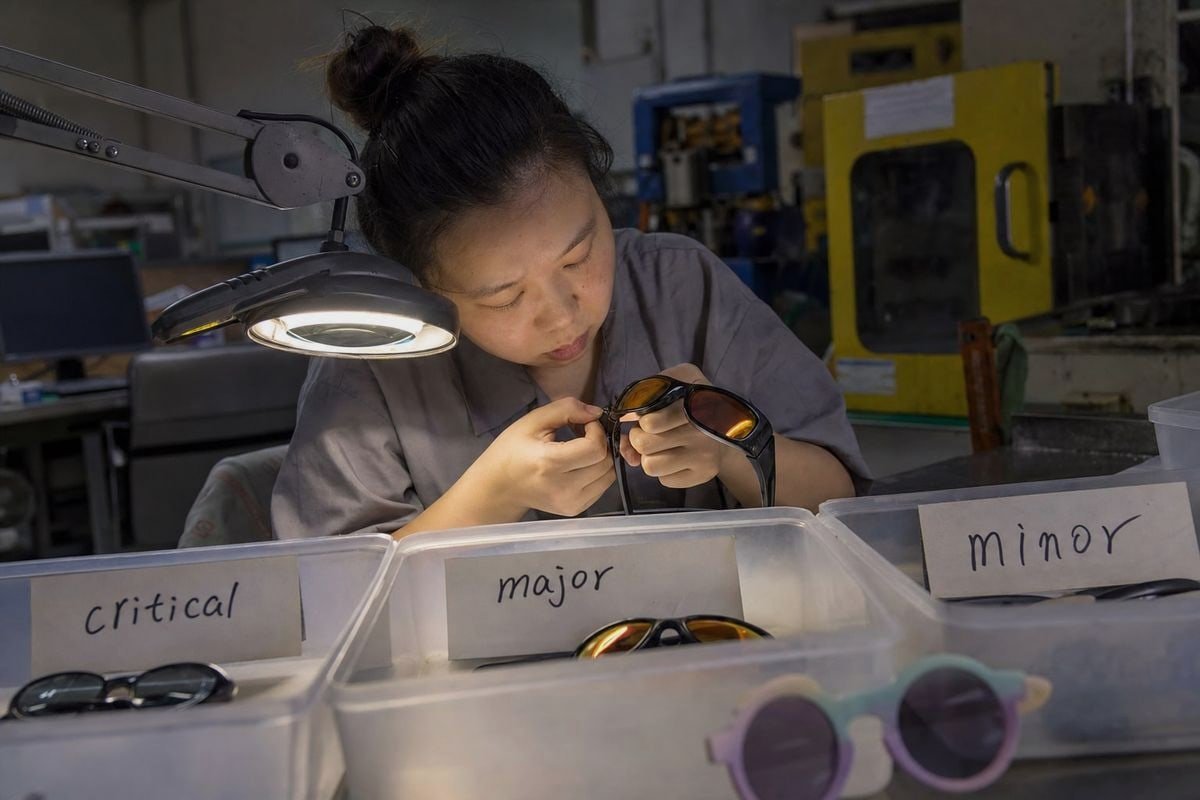
- 欠陥分類リスト。. あなたの正確なモデルに対する重大、主要、および軽微な欠陥の書面による例。レンズの歪み、ヒンジの緩み、テンプルのずれ、間違ったラベル—それぞれにカテゴリが付けられます。.
- 安全コンプライアンスの証拠。. 米国の場合、それはCPSIAと ボール落下衝撃試験 3 レンズ用。欧州の場合、EN 71およびISO 12312-1への準拠。UV400保護テストは、工場ステッカーだけでなく、第三者機関のラボテストによって検証される必要があります。.
子供用サングラスのサンプル欠陥分類
| スタイルの例 | 例 | なぜそれが重要なのか |
|---|---|---|
| 重大な | 鋭いエッジ、レンズの外れ、ヒンジの破損、UVまたは衝撃試験の失敗、禁止化学物質 | 子供への直接的な安全リスク; ゼロトレランス |
| 主要な | 光学歪み、ヒンジの緩み、テンプルのずれ、コーティングの剥がれ、レンズ色の間違い | 製品が意図したとおりに機能しない、または販売されない |
| マイナー | かすかな金型線、テンプルの先端の小さな化粧品の跡、箱のわずかに中心からずれた印刷 | 目立つが、安全性や使用には影響しない |
また、下請けの透明性も求めてください。レンズやコーティングの供給元を知ってください。なぜなら、静かな代替品が通常発生するのはそこだからです。.
子供用サングラスメーカーとの間で許容できる不良率を設定するにはどうすればよいですか?
私の輸出キャリアの初期に、あるヨーロッパのブランドから1万ペアの無欠陥を保証するように依頼されました。私は正直にトレードオフを説明しなければなりませんでした。大量生産には常にばらつきがあり、現実的な統計的しきい値は、不可能な約束よりも両当事者をより良く保護します。.
ISO 2859-1 に基づく許容品質水準 (AQL) を使用して不良率を設定します。子供用サングラスの場合、重要不良に対する AQL を 0、主要不良に対する AQL を 2.5、軽微不良に対する AQL を 4.0 とし、抜き取り計画全体(水準、サンプルサイズ、合格/不合格数)を契約書に明記します。.
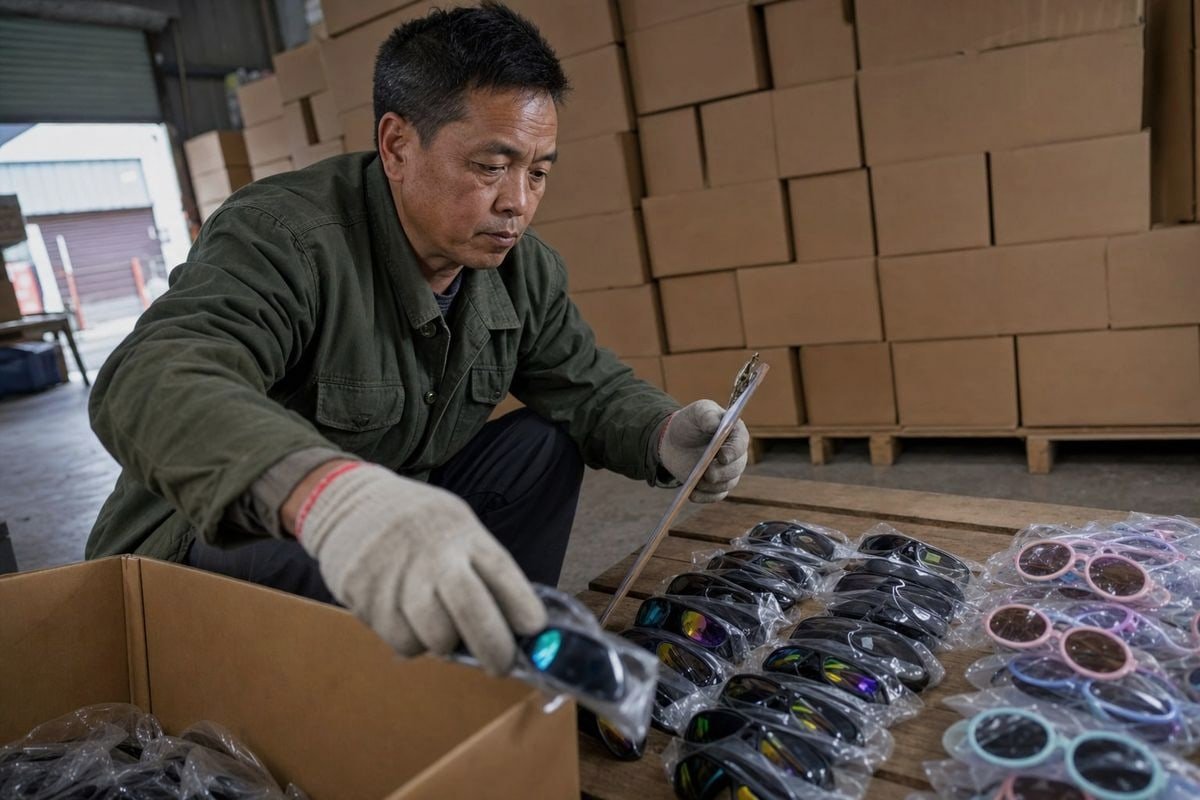
AQLは統計的な許容しきい値であり、すべてのペアが無傷であるという約束ではありません。それは1つの質問に答えます。ランダムサンプルに基づいて、このバッチは許容できますか?その区別は重要です。AQL 2.5を「私の商品の2.5%が壊れる」と見なすバイヤーは、システムを誤解しています。それは、検査官がロットを拒否する前に許容する最悪のプロセス平均を定義します。.
AQL番号で止まらないでください
多くの契約では単に「AQL 2.5」と記載されているだけで、それ以上はありません。それは十分ではありません。あなたの合意には以下を記載する必要があります。
- 検査レベル(一般レベルIIは一般的なデフォルトです)。.
- 注文数量から抽出されたサンプルサイズ。.
- 各欠陥クラスの正確な受け入れおよび拒否番号。.
- 計画がISO 2859-1サンプリングテーブルに従っていること。.
これは、典型的な子供用サングラスの注文の実際的な例です。
| 注文数量 | サンプルサイズ(レベルII) | クリティカル受け入れ | 主要受け入れ(AQL 2.5) | マイナー受け入れ(AQL 4.0) |
|---|---|---|---|---|
| 1,000ペア | 80 | 0 | 5 | 7 |
| 3,200ペア | 125 | 0 | 7 | 10 |
| 10,000 pairs | 200 | 0 | 10 | 14 |
If the inspector finds one critical defect — say, a sharp edge or a lens that fails impact resistance testing — the whole lot fails, regardless of how clean everything else looks.
Consider a Dynamic AQL clause
One negotiation tool I respect is a Dynamic AQL clause. The threshold starts at 2.5/4.0 for the first three production runs, then tightens as the factory's process stabilizes. It rewards suppliers who improve and gives buyers a built-in quality trajectory. At our workshop, we actually welcome this structure. It signals a long-term partner, not a one-order buyer, and it makes our 5S process discipline pay off commercially.
Whatever numbers you choose, put them in writing before the first purchase order. A defect rate negotiated after a bad batch arrives is not a negotiation. It is a fight.
生産中に確認すべき品質管理のステップは何ですか?
Mid-production is where quiet problems grow loud. Our QC team once caught a hinge-screw torque drift 4 halfway through a TR90 optical frame run — invisible on day one, obvious by pair three thousand. Catching it mid-run saved the whole order.
Confirm three checkpoints: pre-production sample approval before mass production begins, an in-process inspection at roughly 20–50% completion, and a final pre-shipment inspection under ISO 2859-1. Require a written Quality Control Plan (QCP) that names each test, its timing, and who performs it.
A single final inspection is a gamble. If the goods fail at the end, the factory reworks under deadline pressure or you accept a compromise. Neither outcome is good. Three staged checkpoints spread the risk across the whole production timeline.
The three-checkpoint structure
| チェックポイント | タイミング | What gets verified |
|---|---|---|
| 生産前承認 | 大量生産前 | Golden Sample match, materials, BPA-free material certification, lens supplier confirmation |
| In-process inspection | 20–50% of units complete | Assembly quality, hinge torque, frame alignment, coating consistency, early defect trends |
| 出荷前検査 | 80–100% complete and packed | Full AQL sampling, function tests, labeling, carton counts, packaging integrity |
Functional tests to write into the QCP
Cosmetic checks alone are not enough for children's eyewear. Your Quality Control Plan should list functional and safety tests by name:
- Hinge torque and over-flex stress testing. Kids' frames should survive 180-degree outward bending without snapping. This is exactly why we build with flexible TPEE temples on TR90 fronts — rough play is not an edge case for children, it is the normal use case.
- Frame alignment. Frames should sit flat on a level surface with no rocking.
- Lens checks. Optical distortion, scratch inspection under directed light, and batch-level impact resistance verification.
- Edge finishing. Every touchable surface must be smooth. No burrs, no flash, no sharp mold lines.
- Packaging and labeling. Correct SKUs, age-grading warnings, and accurate carton counts.
Some factories run their own rolling visual checks on 10–20% of units. That is a useful internal routine, and we do it ourselves. But contractual acceptance should still rest on the formal AQLサンプリング計画 5, not on informal spot checks. Finally, make one rule explicit: no shipment leaves the factory until the pre-shipment inspection is passed and the goods are formally released.
納品後の不具合に関する意見の相違にどう対処できますか?
Even careful partners disagree sometimes. A buyer once emailed us photos of scratched lenses three weeks after delivery. Because we had retained inspection photos and sealed reference samples, we traced the damage to transit handling — and resolved it in days, not months, with the relationship intact.
事前に合意された契約条件を通じて、納品後の紛争に対処する:定義された入荷検査期間、証拠要件、不合格当事者の費用負担での第三者再検査、手直し、交換、またはクレジットの明示的な救済措置、および合格した出荷前検査が隠れた欠陥を免除しないことを明記した潜在的欠陥保証。.
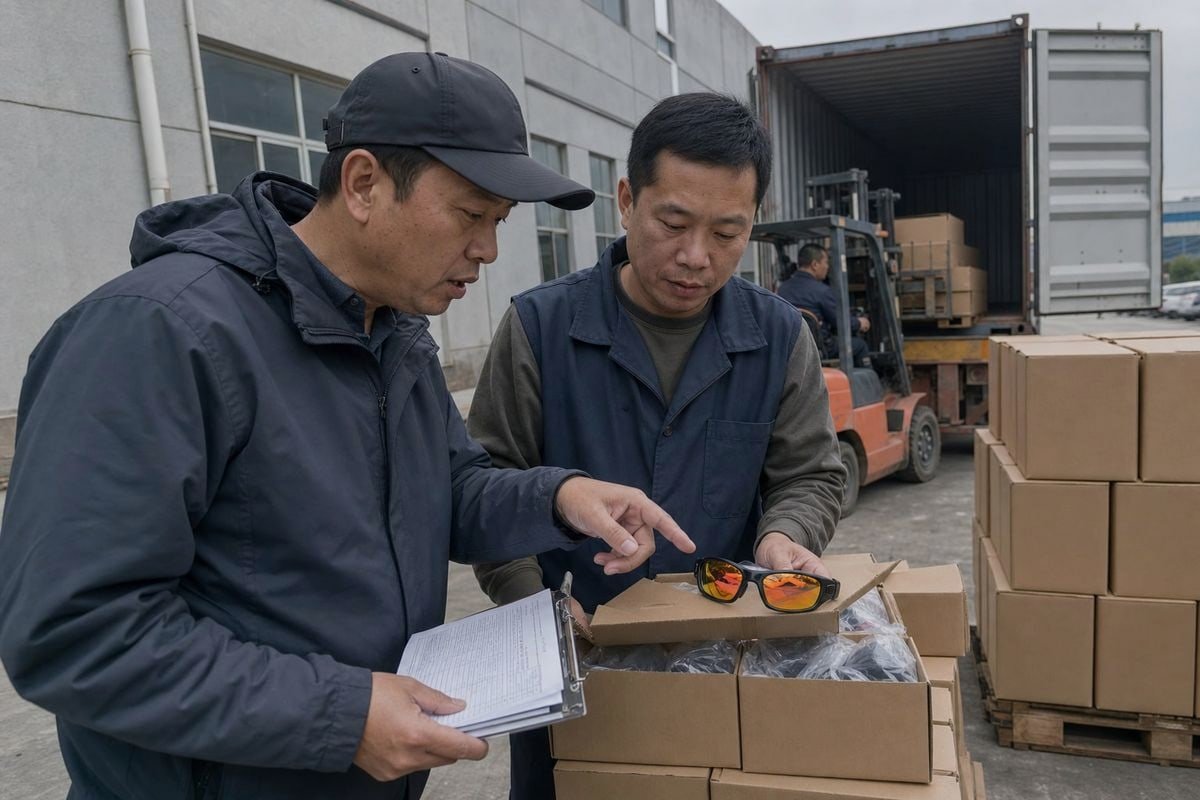
The core principle is simple: write the dispute process before the dispute exists. Once a bad batch is sitting in your warehouse, both sides are emotional and money is on the line. A pre-agreed procedure turns an argument into a checklist.
A practical dispute-resolution sequence
- Notify within the inspection window. Your contract should give you a defined period after arrival — commonly 14 to 30 days — to inspect and reject nonconforming goods. Payment made does not equal acceptance.
- Document with evidence. Photos, defect counts, batch numbers, and a comparison against the Golden Sample. Keep inspection records and photos for at least three years.
- Classify against the agreed defect list. Is this a major defect under the contract, or a minor one within tolerance? The written classification decides, not opinion.
- Escalate to third-party re-inspection if needed. A neutral firm such as SGS, Intertek, or TÜV 6 samples, tests, and reports. Agree in advance that the failing party pays the re-inspection fee, typically a few hundred US dollars per man-day, with reasonable notice for factory access.
- Apply the pre-agreed remedy. Rework, replacement, reproduction at the supplier's cost, or a credit note — matched to defect severity.
Protect yourself against latent defects
Some failures only appear after weeks of real use: hinge fatigue, frame brittleness, coating delamination. Your agreement should include a latent-defect clause 7 — often a 6 to 12 month window from ship date — holding the supplier responsible for hidden material or workmanship failures that no pre-shipment inspection could catch. Serious factories accept this. In our experience, a supplier who refuses any post-delivery responsibility is telling you something important about their confidence in their own product.
結論
Vague quality promises destroy kids' eyewear orders. Define defects in writing, fix AQL thresholds, stage three inspections, and pre-agree remedies — then disputes become procedures, not battles.
脚注
1. Professional quality assurance services for verifying product compliance and safety before goods are released for shipment. ↩︎
2. Technical details on Nylon 12, the high-performance polymer used to create flexible and durable TR90 eyewear frames. ↩︎
3. Official US government test method for ensuring the impact resistance of sunglass lenses for consumer safety. ↩︎
4. Scientific explanation of torque and its measurement, relevant to maintaining consistent assembly quality in eyewear hinges. ↩︎
5. Authoritative overview of the AQL statistical sampling standards used in manufacturing quality control. ↩︎
6. Leading global inspection company providing specialized quality assurance and laboratory testing for the eyewear industry. ↩︎
7. Legal definition of hidden product flaws that are not detectable during standard pre-shipment quality control inspections. ↩︎
 English
  Español de México
  Deutsch
  Français
  日本語
日本語  العربية
  Português do Brasil