Marcos de metal vs. acetato: ¿cuál es más duradero para las gafas de los niños?

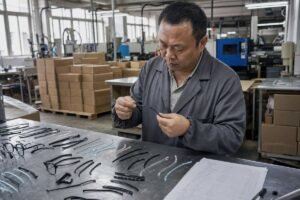
El debate entre monturas de metal y acetato llega a mi escritorio casi semanalmente. Los compradores eligen un material, envían un contenedor y luego se acumulan las devoluciones: puentes rotos, patillas dobladas, padres enfadados. En nuestra línea de producción en Taizhou, he visto cómo una elección de material equivocada puede arruinar silenciosamente el lanzamiento de unas gafas para niños. ¿La buena noticia? La respuesta se puede conocer una vez que se define qué significa realmente ’duradero“ para un niño.
Ninguna montura de metal ni de acetato gana de forma rotunda en durabilidad para gafas infantiles. El acetato absorbe mejor las caídas y los impactos, mientras que el metal, especialmente el titanio, mantiene su forma por más tiempo y resiste el calor. Para niños pequeños y activos, el plástico flexible con memoria TR90 a menudo supera a ambos al doblarse en lugar de romperse.
Permítanme desglosar esa respuesta adecuadamente. Compararé ambos materiales según métricas de durabilidad reales, introduciré alternativas flexibles y terminaré con las matemáticas de los pedidos al por mayor que importan a su marca.
¿Cómo sé si las monturas de metal o de acetato aguantarán mejor el uso diario rudo por parte de los niños?
Una sesión de control de calidad la primavera pasada me enseñó mucho. Probamos a torsión un lote de monturas de muestra: las patillas de metal se doblaron y se quedaron dobladas, mientras que acetato de celulosa 1 se flexionó, volvió a su posición y luego se agrietó en el extremo.
El acetato resiste mejor las caídas, los lanzamientos y los impactos en el patio de recreo porque se flexiona y absorbe los golpes. El metal resiste mejor el uso diario, el calor y el uso repetido porque mantiene su forma. Evalúa cada material según el comportamiento real de tu hijo, no según un ideal de laboratorio.

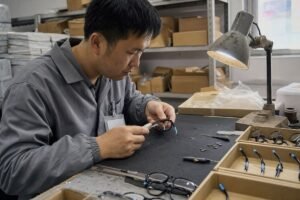
La durabilidad no es una propiedad. Son al menos cinco. Cuando realizamos controles de materiales entrantes en nuestras taller gestionado con 5S 2, probamos cada uno por separado, porque una montura puede pasar uno y fallar estrepitosamente en otro.
Las cinco caras de la durabilidad
| Factor de durabilidad | Acetato | Metal (titanio/acero inoxidable) |
|---|---|---|
| Supervivencia a caídas e impactos | Fuerte: absorbe los golpes | Más débil: puede romperse en las uniones soldadas |
| Mantenimiento de la forma con el tiempo | Puede ensancharse después de 12-18 meses de uso | Excelente: cambios mínimos a lo largo de los años |
| Tolerancia al calor (coches calientes, sol) | Pobre: propenso a deformarse por el calor | Muy buena |
| Resistencia a la corrosión y al sudor | Muy buena: químicamente resistente | El chapado puede picarse o pelarse; el titanio destaca |
| Reparación y ajuste | Necesita calor; las grietas son difíciles de arreglar | Fácil con herramientas estándar de óptica |
Observe el patrón. El acetato gana en los eventos repentinos y violentos. El metal gana en los lentos y constantes. Los niños producen ambos tipos de estrés, pero no en igual medida. Un niño de seis años deja caer las gafas, se sienta sobre ellas y se las quita con una mano. Esos son eventos de impacto: territorio del acetato. Un niño de doce años usa gafas diez horas al día, todos los días, durante dos años. Ese es el territorio de la resistencia, donde brillan las gafas de acero inoxidable y las monturas de titanio.
También hay un factor oculto. El grosor estructural del acetato permite una ranura de lente más profunda, por lo que policarbonato 3 es mucho menos probable que se salgan durante un impacto de alta velocidad en el patio de recreo. Los aros de metal finos no pueden igualar ese agarre. El acetato también amortigua la vibración, reduciendo el movimiento de la lente cuando un niño corre. Pero el acetato se deforma lentamente: muchas monturas de acetato se ensanchan gradualmente durante 12-18 meses de uso diario, mientras que una montura de metal bien hecha puede mantener la alineación durante cinco años o más.
Así que hágase una pregunta antes de elegir: ¿mi niño objetivo principalmente deja caer las gafas o principalmente las usa ? La respuesta suele decidir el material.
¿Qué debo buscar al comparar alternativas flexibles de TR90 con monturas tradicionales de metal y acetato?
Una compradora de Australia una vez nos envió una caja de sus monturas devueltas: la mitad de acetato agrietado, la mitad de metal doblado. Le enviamos muestras de TR90 con Templo TPEE 4. Su tasa de devolución se desplomó la temporada siguiente.
Al comparar alternativas flexibles, busque plástico con memoria TR90 que regrese a su forma después de torcerse, patillas TPEE que permanezcan suaves contra la piel, retención segura de las lentes, bisagras de resorte o un puente flexible, y resistencia certificada a los impactos. Estas características superan la resistencia de la materia prima para niños menores de diez años.
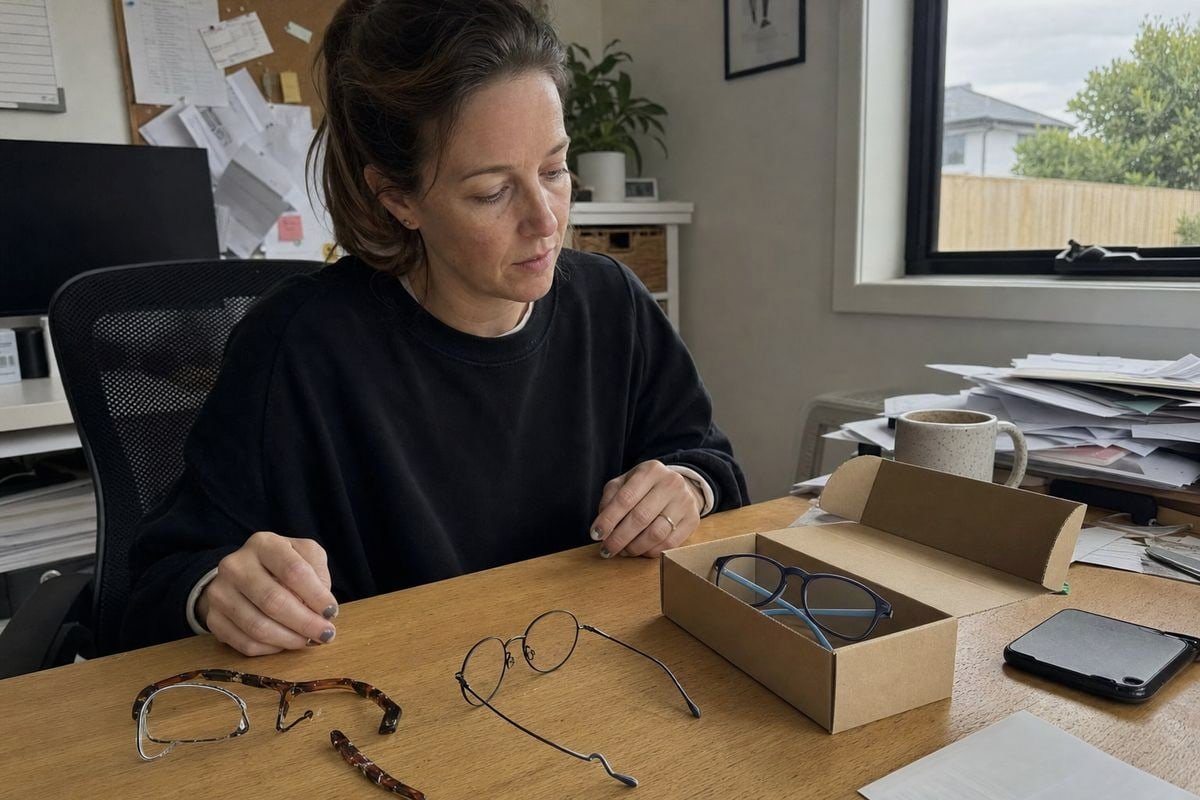
Aquí está la posición honesta de alguien que moldea TR90 todos los días laborables: la flexibilidad es una estrategia de durabilidad, no una concesión. Una montura que se dobla 90 grados y vuelve a su posición no puede romperse como el acetato rígido, y no puede mantener una doblez permanente como las aleaciones de metal blando.
¿Qué diferencia a las monturas flexibles buenas de las baratas?
No todo el plástico flexible merece ese nombre. Juzgue las muestras según estos puntos:
- Retorno de memoria. Gire la patilla una vuelta completa. Plástico con memoria TR90 5 debe volver a su geometría original en cuestión de segundos. El plástico PP barato o básico permanece deformado o se blanquea en la línea de tensión.
- Construcción de la bisagra. Bisagras de resorte 6 permite que las patillas se flexionen hacia afuera y sobrevivan al tirón con una sola mano que realiza cada niño. En las monturas de plástico económicas, las bisagras encastradas en caliente se extraen; las bisagras remachadas o atornilladas resisten esa fuerza mucho mejor.
- Comodidad de la patilla. Combinamos frentes de TR90 con patillas de TPEE en muchos de nuestros aproximadamente 800 estilos existentes porque el TPEE se mantiene suave, se sujeta ligeramente y nunca presiona con fuerza detrás de las orejas pequeñas.
- Seguridad de la lente. Comprueba que las lentes de policarbonato se asienten en una ranura profunda y completa. La flexibilidad no sirve de nada si la lente se expulsa al impactar.
- Seguridad de la piel. TR90 y TPEE son materiales hipoalergénicos 7 sin contenido de níquel, lo que elimina el riesgo de alergia que conllevan las aleaciones metálicas de baja calidad.
Puntuación rápida de materiales para niños menores de diez años
| Criterio | TR90 / TPEE | Acetato | Metal |
|---|---|---|---|
| Se dobla sin romperse | Excelente | Regular | Pobre a regular |
| Peso | Muy ligero | Moderado | Ligero (titanio) a pesado (aleación) |
| Riesgo de lesiones por impacto en la cara | Más bajo | Moderado | La más alta |
| Opciones de color y acabado | Amplio | El más amplio | Limitado por el chapado |
Para niños pequeños y en edad preescolar, esta comparación rara vez está reñida. Los materiales flexibles se doblan al impactar en lugar de introducir bordes rígidos en la cara de un niño, un punto de seguridad que la mayoría de las guías ópticas centradas en los niños respaldan.
¿Cómo equilibro la durabilidad con la comodidad y la seguridad al buscar materiales para gafas infantiles?
El compromiso más difícil que considero en el desarrollo de productos nunca es solo la durabilidad. Una montura a prueba de tanques que un niño se niega a usar falla más que una que se rompe, porque falla todos los días.
Equilibre los tres tratando la seguridad como innegociable, la comodidad como el motor del cumplimiento diario y la durabilidad como el resultado de los detalles de diseño. Elija materiales hipoalergénicos, construcción ligera bajo peso moderado, bordes redondeados, retención segura de las lentes y bisagras diseñadas para el abuso.
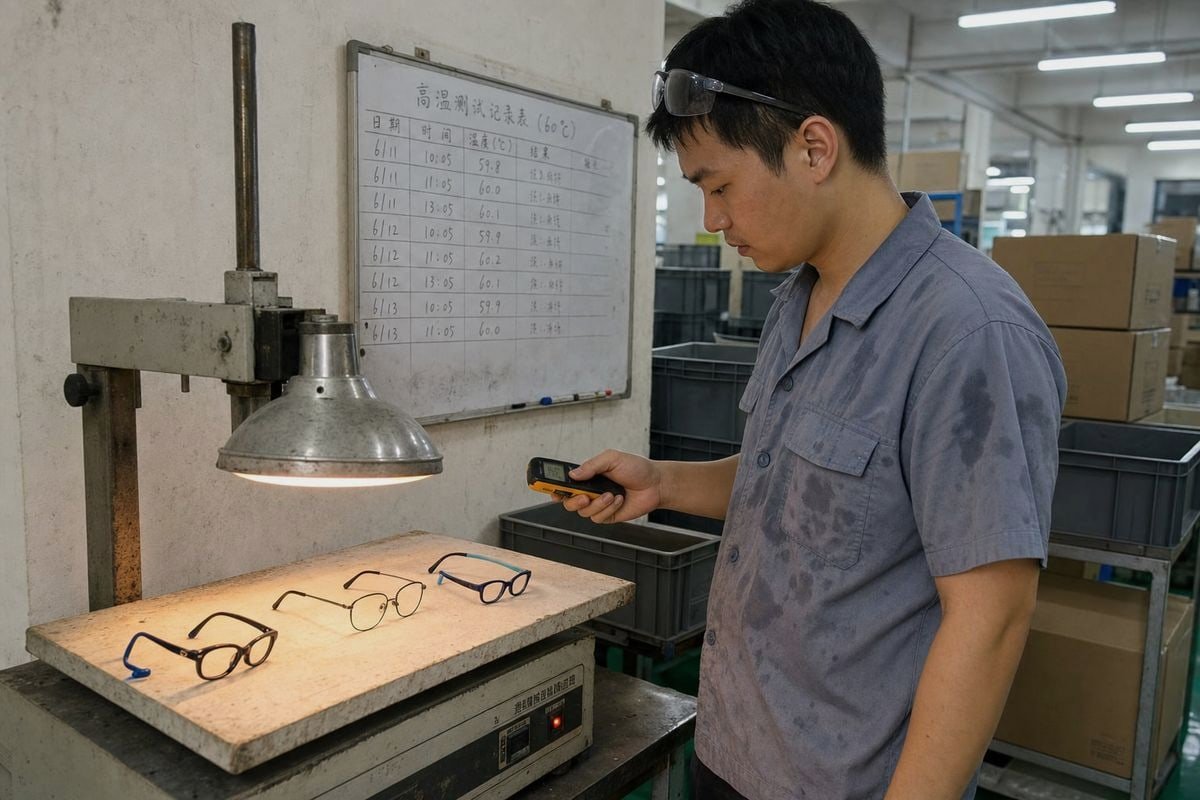
Aprendí esta lección al principio de nuestros quince años de trabajo en gafas: los padres devuelven las gafas incómodas tan rápido como las rotas. Los minoristas rara vez separan los dos en sus informes de quejas, por lo que un "problema de durabilidad" es a menudo un problema de comodidad disfrazado. Una montura que se desliza por el puente nasal plano de un niño se empuja hacia arriba cientos de veces al día, se tensa en las bisagras y, finalmente, se cae. La caída la rompe, pero el mal ajuste la causó.
La seguridad primero: lo innegociable
Algunas opciones simplemente están fuera de la mesa para los niños. Bordes metálicos afilados cerca del ojo. Aleaciones ricas en níquel contra la piel sensible: el acetato y el TR90 son naturalmente hipoalergénicos, lo que importa más de lo que muchos compradores se dan cuenta. Lentes de vidrio de cualquier tipo; lentes de policarbonato con Protección UV400 8 son el estándar que ajustamos en toda nuestra gama infantil. Y materiales rígidos para el grupo de menores de cinco años, donde una caída de cara convierte una montura rígida en un peligro.
La comodidad en segundo lugar: lo que mantiene las gafas en la cara
Las características de comodidad funcionan como características de durabilidad:
- Almohadillas nasales ajustables en monturas metálicas detienen el deslizamiento constante que conduce a caídas, algo crítico para los puentes nasales subdesarrollados. En nuestros estilos de TR90, moldeamos puentes nasales anatómicos para hacer el mismo trabajo sin piezas pequeñas.
- Un puente flexible distribuye la tensión por todo el frente de la montura en lugar de concentrarla en un solo punto de rotura.
- Puntas de patilla de silicona blanda, como las puntas de TPEE de color azul cielo en nuestras monturas ópticas de dos tonos, se sujetan suavemente para que los niños dejen de jugar con sus gafas.
- Bajo peso. Una montura más ligera rebota al impactar en lugar de impulsar su propia masa contra la ranura de la lente.
La durabilidad en tercer lugar: porque sigue de las dos primeras
Cuando la seguridad y la comodidad se diseñan correctamente, la durabilidad se cuida en gran medida. Una montura bien ajustada, ligera y flexible simplemente experimenta menos eventos violentos. Es por eso que nuestro proceso de control de calidad verifica la geometría del ajuste y la tensión de las bisagras en cada lote, no solo la dureza del material. La durabilidad es un sistema, no una línea de especificaciones.
¿Qué material de montura ofrece un mejor valor a largo plazo para mi marca al realizar pedidos al por mayor a un fabricante?
Un distribuidor europeo me pidió una vez que cotizara el mismo diseño en acetato, metal de aleación y TR90. Los precios unitarios diferían. El costo total de propiedad difería mucho más.
Para la mayoría de las marcas infantiles que piden al por mayor, el TR90 con componentes TPEE ofrece el mejor valor a largo plazo: menores tasas de devolución, menor coste unitario que el titanio, fuerte posicionamiento de seguridad y amplia personalización. Las monturas de titanio se adaptan a líneas ópticas premium; el acetato se adapta a colecciones de moda que necesitan colores intensos.
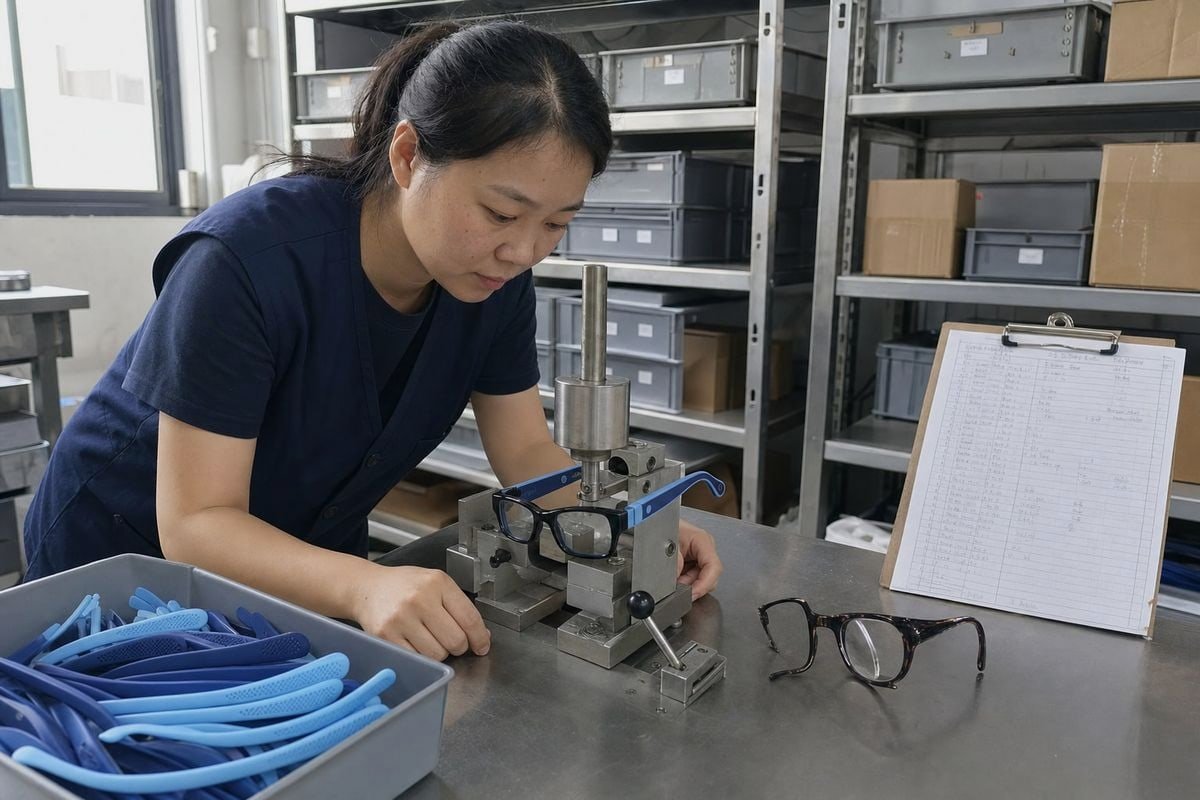
El valor en los pedidos al por mayor no es el precio FOB. Es el precio dividido por cuánto tiempo sobrevive la montura, multiplicado por lo que las devoluciones y las reseñas hacen a su marca. Permítame desglosar esto de la manera en que lo hago para los compradores que visitan nuestra fábrica de Taizhou.
Comparación de valor total para compradores al por mayor
| Factor de valor | Acetato | Titanio / acero inoxidable | TR90 + TPEE |
|---|---|---|---|
| Costo unitario | Moderado | Alto (titanio) | Bajo a moderado |
| Tasa de devolución esperada (niños activos) | Moderado | Moderado a alto | Baja |
| Personalización (colores, acabados) | Excelente | Limitada | Muy buena |
| Exposición de reclamaciones de garantía | Agrietamiento, deformación | Doblado, pérdida de tornillos, desgaste del revestimiento | Mínimo |
| Mejor posicionamiento | Líneas infantiles a la moda | Óptica premium, adolescentes | Gamas para el día a día, deportivas, para niños pequeños |
Las matemáticas detrás de la recomendación
Muchos armazones pediátricos duran uno o dos años con el cuidado normal. Si un armazón de aleación barato falla en seis meses, su cliente culpa a su marca, no al metal. Una devolución evitada a menudo borra el ahorro total por unidad del material más barato. El sudor y el protector solar empeoran esto para los metales económicos: el pH ácido y los protectores solares pediátricos picotean y pelan el revestimiento protector de los armazones de metal de baja calidad, mientras que el acetato y el TR90 resisten ambos químicamente.
Reducir el riesgo de lanzamiento
También está la cuestión de las herramientas. Las nuevas marcas a menudo asumen que necesitan moldes personalizados, lo que significa una fuerte inversión inicial antes de la primera venta. Esta es exactamente la razón por la que mantenemos alrededor de 800 estilos existentes en gafas de sol y armazones ópticos: una marca puede seleccionar diseños probados, aplicar colores personalizados, logotipos, especificaciones de lentes y empaques listos para la venta a través de nuestro proceso OEM/ODM, y probar el mercado sin costos de moldes. Comience con un pedido mixto: TR90 para la gama básica para el día a día, una pequeña cápsula de acetato para el atractivo de la moda y agregue titanio más tarde si su mercado admite precios premium. Esa secuencia mantiene el efectivo seguro mientras que los datos de venta le indican dónde invertir más.
Conclusión
Los armazones de metal vs. acetato no tienen un ganador universal: el acetato perdona los impactos, el titanio mantiene la forma y el TR90 flexible a menudo supera a ambos para niños pequeños. Adapte el material a la edad, el comportamiento y las matemáticas de valor de su marca, y elija un socio de fábrica que pruebe la durabilidad de la manera en que los niños realmente la ofrecen.
Notas al pie
Antecedentes sobre la flexibilidad y las propiedades de absorción de impactos del material polimérico discutidas en el artículo. ↩︎
Explica la metodología de fabricación esbelta referenciada para controles de calidad en la línea de producción. ↩︎
Proporciona antecedentes técnicos sobre el material de lente resistente a impactos mencionado repetidamente en el artículo. ↩︎
La guía de la FDA cubre la seguridad de los materiales utilizados en productos de consumo que se usan contra la piel. ↩︎
Entrada enciclopédica autorizada que cubre materiales de poliamida y plástico de memoria en gafas. ↩︎
La CPSC supervisa los estándares de seguridad para productos infantiles, incluidos los requisitos de durabilidad de bisagras y mecánicos. ↩︎
El recurso de los NIH explica los riesgos de alergia al níquel que los materiales de gafas hipoalergénicos están diseñados para evitar. ↩︎
Guía oficial de la Academia Estadounidense de Oftalmología sobre UV400 y seguridad ocular. ↩︎
Más artículos que te podrían gustar
¿Buscas un socio confiable en gafas para niños?
Explore más de 800 estilos listos y soporte OEM/ODM completo adaptado a su marca.
Ponte en contacto English
  Español de México
  Deutsch
  Français
  日本語
日本語  العربية
  Português do Brasil