هل تختلف معايير الحماية من الأشعة فوق البنفسجية لنظارات الأطفال الشمسية حسب البلد؟
اختبرت معايير الحماية من الأشعة فوق البنفسجية لنظارات الأطفال الشمسية أحد مشترينا الأستراليين الأوائل قبل سنوات. اجتازت شحنتهم فحوصات CE لكنها فشلت في المراجعة المحلية. كلفتهم تلك الخسارة موسمًا - وهي قابلة للتجنب تمامًا.
نعم، تختلف معايير الحماية من الأشعة فوق البنفسجية لنظارات الأطفال الشمسية حسب البلد. تتبع الولايات المتحدة ANSI Z80.3، وتستخدم أوروبا ISO 12312-1 مع علامة CE، وتفرض أستراليا AS/NZS 1067.1، وهي واحدة من أكثر المعايير صرامة. تكمن الاختلافات في أطوال موجات قطع الأشعة فوق البنفسجية، وطرق الاختبار، ووضع العلامات الإلزامي.
هذه الاختلافات ليست أكاديمية. إنها تحدد ما إذا كان منتجك سيجتاز الجمارك، ويجتاز عمليات تدقيق تجار التجزئة، ويحمي بالفعل عيون الأطفال. دعني أرشدك خلال ما يهم في كل سوق.
ما هي معايير الحماية من الأشعة فوق البنفسجية التي تنطبق على نظارات الأطفال الشمسية في الولايات المتحدة والاتحاد الأوروبي وأستراليا؟
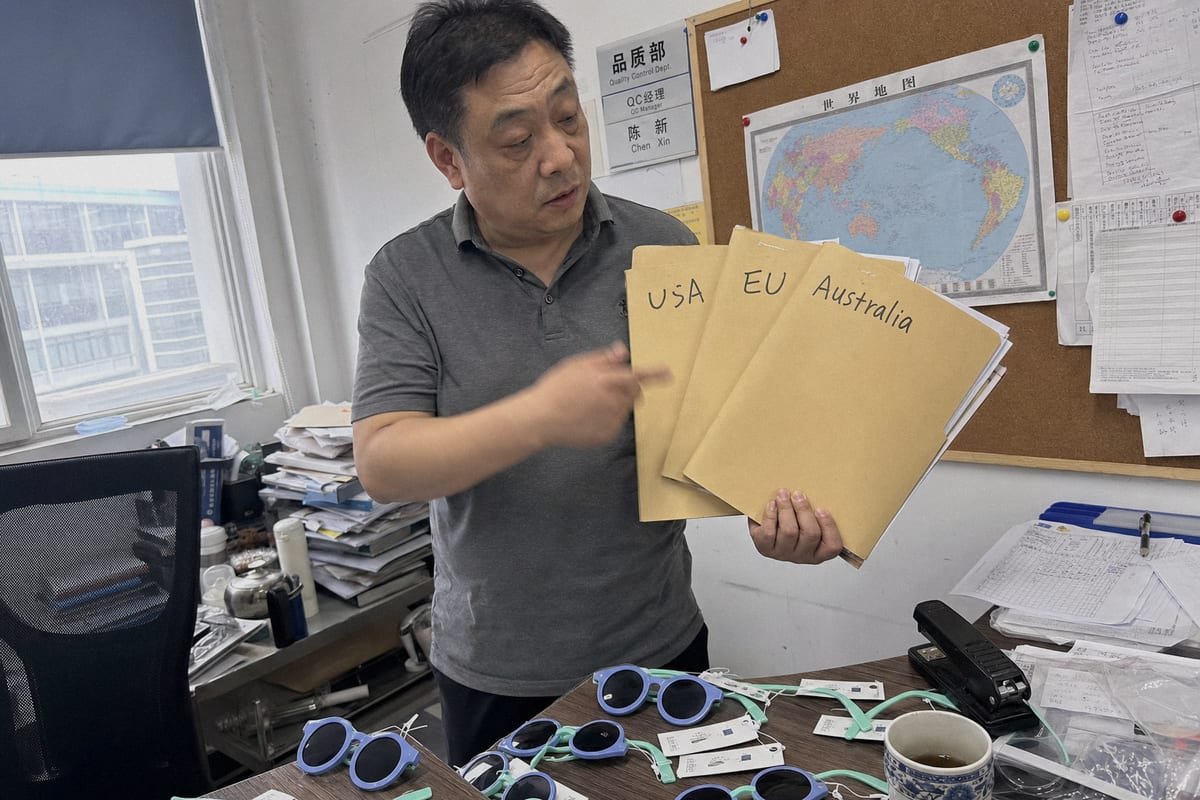
في مصنعنا في تايتشو، نحتفظ بثلاثة مجلدات امتثال منفصلة على جدار غرفة مراقبة الجودة لدينا - واحد لكل من الولايات المتحدة والاتحاد الأوروبي وأستراليا. يطلب المشترون من الأسواق الثلاثة نفس إطارات TR90، لكن الأوراق خلفها ليست متطابقة أبدًا.
تطبق الولايات المتحدة قواعد ANSI Z80.3 بالإضافة إلى قواعد اختبار الكرة المتساقطة من إدارة الغذاء والدواء؛ ويعامل الاتحاد الأوروبي النظارات الشمسية كـ معدات حماية شخصية بموجب ISO 12312-1 مع علامة CE إلزامية؛ وتفرض أستراليا ونيوزيلندا AS/NZS 1067.1، والتي يُنظر إليها على نطاق واسع على أنها المعيار الأكثر صرامة، مع فئات عدسات محددة ومتطلبات وضع علامات واضحة.
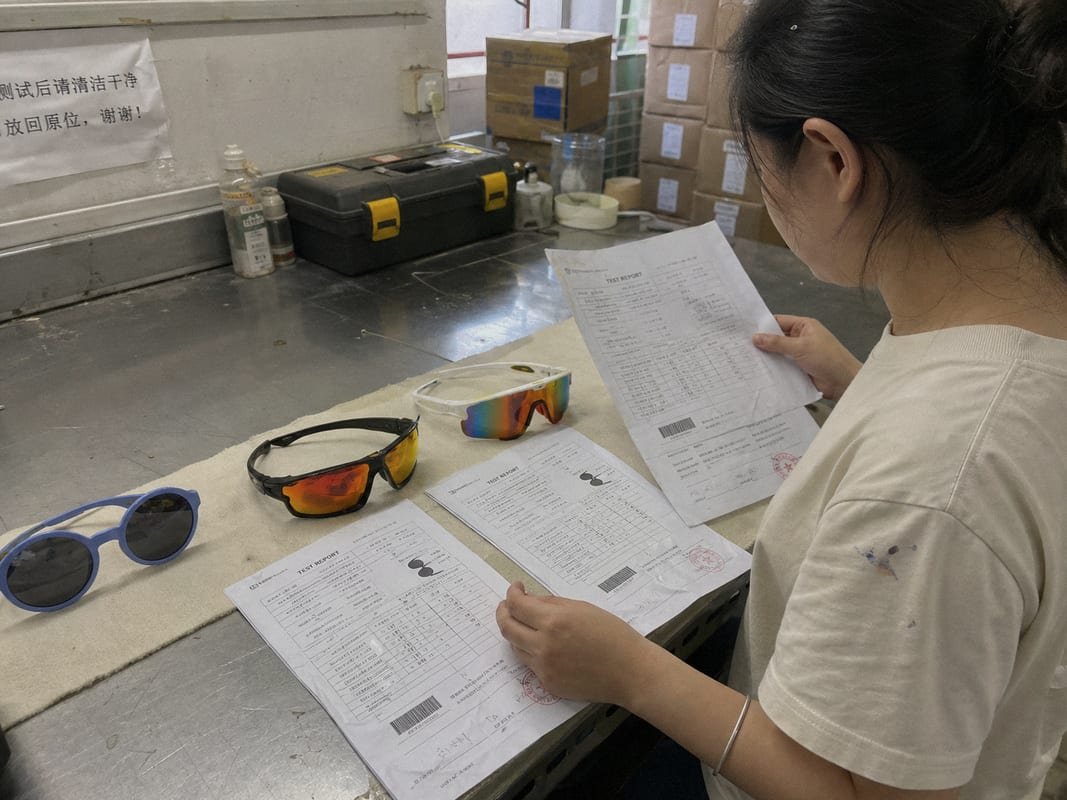
إليك المقارنة السريعة التي نشاركها مع مشتري B2B الجدد قبل أن نقتبس مشروعًا:
| السوق | معيار | الوضع القانوني | العلامة الرئيسية | تركيز الأشعة فوق البنفسجية |
|---|---|---|---|---|
| الولايات المتحدة | ANSI Z80.3 (2018) | معيار طوعي + قاعدة تأثير إدارة الغذاء والدواء | مطالبة الحماية من الأشعة فوق البنفسجية على البطاقة المعلقة | إشعاع UVA و UVB 1, ، UV400 شائع |
| الاتحاد الأوروبي | ISO 12312-1 2 (EN ISO 12312-1) | إلزامي بموجب لائحة معدات الحماية الشخصية | شهادة علامة CE | الحماية محددة بالنسبة لـ 380 نانومتر |
| أستراليا / نيوزيلندا | AS/NZS 1067.1 3:2016 | معيار المستهلك الإلزامي | "ملصق "يلبي AS/NZS 1067" | حدود نقل صارمة، فئات العدسات 0-4 |
لماذا يحتاج نفس المنتج إلى ملفات مختلفة
يبدو نظام الولايات المتحدة خفيفًا على الورق، لكنه ليس كذلك. ANSI Z80.3 طوعي تقنيًا، ومع ذلك فإن قاعدة إدارة الغذاء والدواء 21 CFR 801.410 4 قاعدة مقاومة الصدمات ليست كذلك. يجب أن تتحمل كل عدسة يتم شحنها إلى الولايات المتحدة - بما في ذلك عدسات الأطفال - اختبار الكرة الساقطة أو ما يعادله إحصائيًا. لذلك يهتم المشترون الأمريكيون بمعايير مقاومة الصدمات بقدر اهتمامهم بترشيح الأشعة فوق البنفسجية.
تأخذ أوروبا مسارًا قانونيًا. تُصنف النظارات الشمسية على أنها معدات الحماية الشخصية 5, ، لذا فإن شهادة علامة CE إلزامية، مدعومة بإعلان المطابقة وملف فني يشير إلى ISO 12312-1. لا توجد علامة CE، لا يوجد بيع قانوني.
تذهب أستراليا ونيوزيلندا إلى أبعد من ذلك. AS/NZS 1067.1 هو معيار منتج استهلاكي إلزامي, ، تم إنفاذه من قبل ACCC. يحدد فئات العدسات من 0 إلى 4، ويضع حدودًا صارمة للنقل، وتحذر الإرشادات الأسترالية صراحةً من أن النظارات الشمسية للألعاب لا تلبي المعيار ويجب وضع علامة عليها على هذا النحو. عندما نقوم بتطوير أنماط للأطفال للعلامات التجارية الأسترالية، فإننا نتعامل مع هذا المعيار كسقف - إذا اجتازت العدسة AS/NZS 1067.1، فإنها عادةً ما تلبي الإطارين الآخرين مع هامش احتياطي.
كيف يمكنني التأكد من أن عدسات الشركة المصنعة الخاصة بي تلبي معيار الأشعة فوق البنفسجية المطلوب في سوقي؟
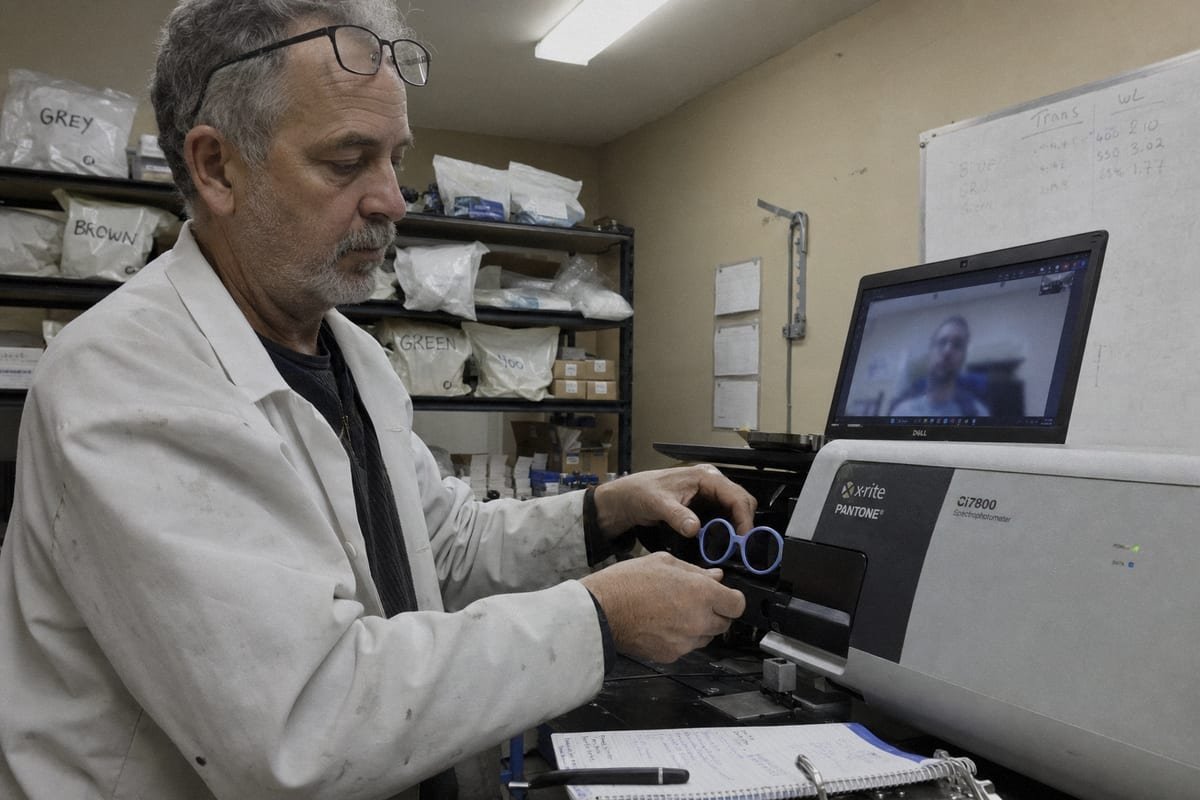
طلب مني مدير مشتريات من علامة تجارية أوروبية للأطفال ذات مرة إثبات - وليس وعدًا - بأن عدساتنا تحجب الأشعة فوق البنفسجية. سؤال عادل. قمنا بتشغيل دفعة العينة الخاصة بها من خلال جهاز قياس الطيف الضوئي الخاص بنا 6 في مكالمة فيديو، مباشرة. يجب أن يكون هذا المستوى من الانفتاح هو توقعك الأساسي من أي مورد.
حدد معيار وجهتك كتابيًا قبل الإنتاج، واطلب تقارير اختبار من طرف ثالث من مختبرات معتمدة وفقًا لذلك المعيار المحدد، وتحقق من نقل الأشعة فوق البنفسجية باستخدام بيانات جهاز قياس الطيف الضوئي، وقم بتدقيق ما إذا كانت شركتك تختبر لكل دفعة أم مرة واحدة فقط لكل نمط. لا تعتمد أبدًا على مطالبة شفهية بـ "UV400".
في خمسة عشر عامًا من تصدير نظارات الأطفال إلى أكثر من عشرين دولة، فإن المشترين الذين لا يواجهون مشاكل امتثال أبدًا يتبعون جميعًا عملية مماثلة. إليك الإصدار الذي نوصي به:
- اذكر المعيار في أمر الشراء الخاص بك. اكتب "يجب أن تتوافق العدسات مع AS/NZS 1067.1: 2016، فئة العدسة 3" - وليس مجرد "حماية جيدة من الأشعة فوق البنفسجية". المواصفات الغامضة تنتج عدسات غامضة.
- اطلب منحنيات نقل الطيف. يُظهر تقرير الأشعة فوق البنفسجية الحقيقي النقل عبر الأطوال الموجية، عادةً 280-400 نانومتر. إذا لم يتمكن المورد الخاص بك من إنتاج منحنى، فهو لا يقيس؛ إنه يخمن.
- قم بتكليف اختبار من طرف ثالث. يمكن للمختبرات المعتمدة مثل SGS و Intertek و TÜV أو Bureau Veritas اختبار العينات الذهبية وفقًا لـ ISO 12312-1 أو ANSI Z80.3 أو AS/NZS 1067.1. ضع ميزانية لذلك على كل مورد عدسة جديد أو لون عدسة.
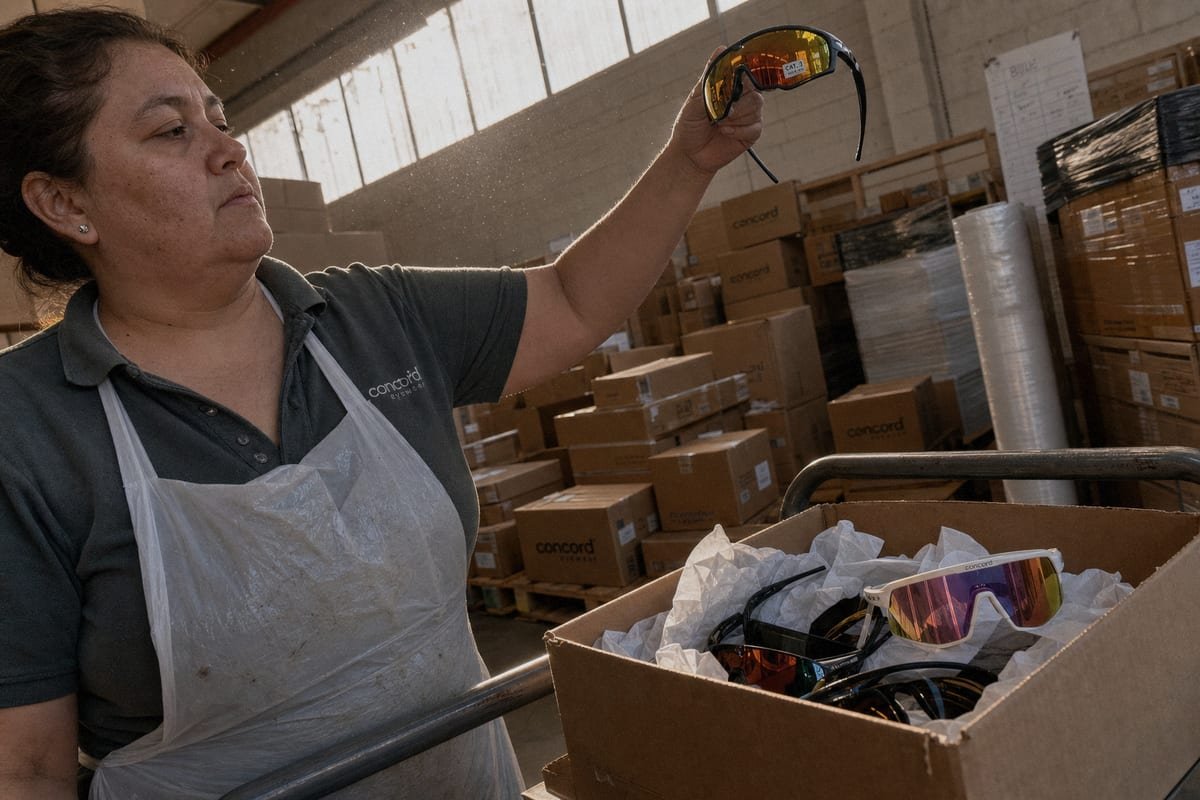
- تحقق من مراقبة الجودة على مستوى الدفعة، وليس فقط على مستوى النمط. تختلف دفعات صبغات العدسات بين دفعات الإنتاج. نقوم بفحص عينات من نفاذية الأشعة فوق البنفسجية على دفعات العدسات الواردة في مصنعنا لأن شهادة من عامين مضيا لا تقول شيئًا عن راتنج هذا الشهر.
- طابق فئة العدسة مع حالة الاستخدام. بالنسبة للارتداء العام في الهواء الطلق، تعد فئة العدسة 3 هي المعيار العملي للأطفال. الفئة 4 داكنة جدًا للاستخدام اليومي، والفئات 0-1 هي صبغات الموضة، وليست حماية من الشمس.
علامات حمراء نخبر المشترين بالبحث عنها
كن حذرًا إذا قدم المورد نفس "الشهادة" لكل منتج، إذا كان تقرير الاختبار يفتقر إلى صورة عينة أو رقم طراز، أو إذا كان سعر عدسة "UV400 مستقطبة" أقل بشكل مثير للريبة من سعر السوق. تكلف إضافات امتصاص الأشعة فوق البنفسجية المال. الاقتباس الذي يتجاهل تلك التكلفة عادة ما يتجاهل الحماية أيضًا.
ما هو الفرق بين UV400 وتصنيفات حماية الأشعة فوق البنفسجية الأخرى التي أراها على العدسات؟
هناك مقايضة واحدة نناقشها مع كل عميل أوروبي تقريبًا: معيارهم المنزلي يسمح تقنيًا بقطع أقل للأشعة فوق البنفسجية من UV400 مناسب الذي نضبطه كافتراضي. فهم هذه الفجوة هو مفتاح فك رموز ملصقات العدسات.
UV400 يعني أن العدسة تحجب كل الأشعة فوق البنفسجية حتى 400 نانومتر، مما يغطي طيف UVA و UVB بالكامل. قد تضمن الملصقات مثل "حماية 100٪ من الأشعة فوق البنفسجية" أو "تتوافق مع معيار CE" الحماية حتى 380 نانومتر فقط، تاركة نطاق UVA من 380-400 نانومتر مغطى جزئيًا.
الارتباك موجود لأن المعايير المختلفة تحدد خط "الأشعة فوق البنفسجية" عند أطوال موجية مختلفة. إليك كيف تقارن الملصقات الشائعة فعليًا:
| الملصق الذي تراه | ما يضمنه عادةً | هل يغطي 380-400 نانومتر؟ | الموثوقية للأطفال |
|---|---|---|---|
| UV400 مناسب | يحجب الأشعة فوق البنفسجية حتى 400 نانومتر | نعم | أفضل معيار متاح |
| 100٪ أشعة فوق بنفسجية طويلة ومتوسطة | حجب كامل للأشعة فوق البنفسجية UVA و UVB (يجب أن يصل إلى 400 نانومتر) | عادة نعم | جيد، إذا كان مدعومًا ببيانات اختبار |
| علامة CE فقط | الامتثال للمعيار ISO 12312-1، المشار إليه حتى 380 نانومتر | ليس بالضرورة | كافٍ، ولكن ليس أقصى |
| "واقي من الأشعة فوق البنفسجية" (بدون رقم) | ادعاء تسويقي غير مؤكد | غير معروف | تعامل بحذر |
| صبغة داكنة، لا ادعاء | لا شيء على الإطلاق | لا | يحتمل أن يكون ضارًا |
لماذا الأمتار العشرين الأخيرة مهمة للأطفال
يقع النطاق من 380 إلى 400 نانومتر في الجزء العلوي من نطاق UVA. يجادل بعض الباحثين بأنه يستحق اهتمامًا إضافيًا لأنه يخترق عمق العين. هذا يهم الأطفال أكثر من البالغين. عدسة الطفل لم تتطور بعد الاصفرار الطبيعي الذي يقوم بتصفية بعض الأشعة فوق البنفسجية لدى البالغين. حدقاتهم أكبر وتتقلص ببطء أكبر عند الانتقال من الظل إلى الضوء الساطع. النتيجة بسيطة ومثيرة للقلق: يصل المزيد من إشعاع UVA و UVB إلى الهياكل الداخلية لعين الطفل أكثر من البالغ تحت ضوء الشمس المتطابق. 7 أكثر شفافية من عدسة البالغ، لذلك تصل كمية أكبر بكثير من الأشعة فوق البنفسجية إلى الشبكية خلال الطفولة. الضرر الشمسي للعين تراكمي - إعتام عدسة العين، والظفر، وتغيرات الشبكية تعود إلى التعرض مدى الحياة الذي يبدأ في السنوات الأولى. لهذا السبب نستخدم عدسات UV400 كمعيار عبر مجموعتنا للأطفال، حتى لطلبات علامة CE حيث يكفي قانونيًا 380 نانومتر.
فخ توسع الحدقة
نقطة أخرى تستحق التأكيد. العدسات الداكنة بدون مرشحات UV مؤكدة أسوأ من عدم ارتداء نظارات شمسية. الصبغة تجعل بؤبؤ عين الطفل يتوسع، مما يسمح لمزيد من الأشعة فوق البنفسجية UVA و UVB غير المفلترة بالتدفق إلى العين. هذا هو بالضبط سبب فشل نظارات الأطفال والألعاب في تلبية توقعات الجهات التنظيمية. تسأل بعض العلامات التجارية أيضًا عن نهج عامل حماية العين الذي يقيم المنتج بأكمله - العدسة بالإضافة إلى تغطية الإطار - مما يعكس حقيقة أوسع: التغطية المحيطة والملاءمة مهمة جنبًا إلى جنب مع العدسة نفسها.
ما هي الشهادات أو تقارير الاختبار التي يجب أن أطلبها قبل استيراد نظارات شمسية للأطفال؟
وفرت الأوراق لأحد موزعينا القدامى من استدعاء مكلف. شكك ضابط جمارك في ادعاءات الأشعة فوق البنفسجية لشحنته؛ نظرًا لأن حزمة المستندات الكاملة كانت جاهزة - تقارير الاختبار، إعلان المطابقة، سجلات الدُفعات - تم تخليص الحاوية في أيام بدلاً من أشهر.
اطلب تقريرًا من طرف ثالث عن نقل الأشعة فوق البنفسجية وفئة العدسة وفقًا لمعيار سوقك، وتقرير اختبار مقاومة الصدمات، ونتائج السلامة الكيميائية لمواد الإطار، وإعلان المطابقة الموقع للاتحاد الأوروبي، وسجلات مراقبة الجودة الخاصة بالمورد والمربوطة بدفعة الإنتاج الخاصة بك.
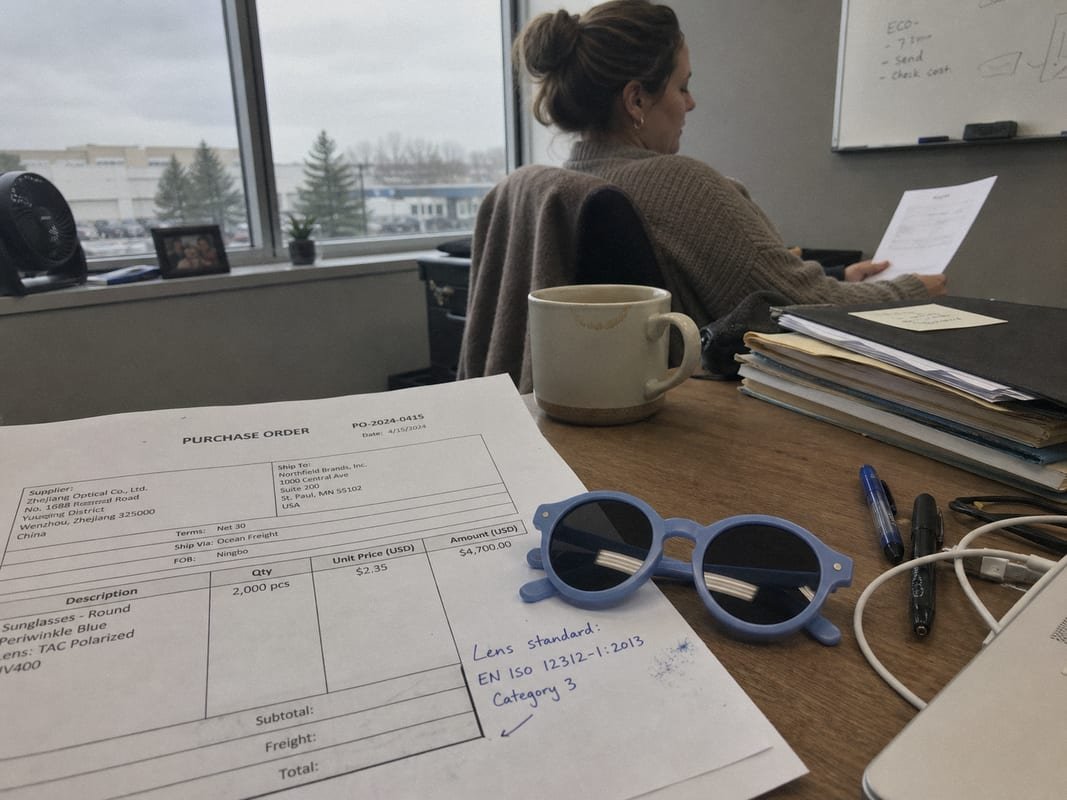
الوجهات المختلفة تحتاج إلى حزم مستندات مختلفة. هذا هو إطار قائمة التحقق الذي نعده للمشترين، مُكيف حسب السوق:
| وثيقة | الولايات المتحدة الأمريكية | الاتحاد الأوروبي / المملكة المتحدة | أستراليا / نيوزيلندا | الغرض |
|---|---|---|---|---|
| تقرير نفاذية الأشعة فوق البنفسجية (مختبر معتمد) | ANSI Z80.3 | ISO 12312-1 | AS/NZS 1067.1 | يثبت حجب الأشعة فوق البنفسجية وفئة العدسة |
| تقرير اختبار التأثير / الكرة الساقطة | هيئة الغذاء والدواء 21 CFR 801.410 | اختبار المتانة في ISO 12312-1 | بنود المتانة | يثبت مقاومة التكسر |
| إعلان المطابقة | — | إلزامي مع علامة CE | — | إعلان قانوني من الطرف المسؤول |
| تقرير السلامة الكيميائية (BPA، الفثالات، الرصاص، الكادميوم) | CPSIA ذو صلة بالأطفال | REACH | موصى به | سلامة مواد الإطار للأطفال الذين يمضغون الإطارات |
| شهادة منتج الأطفال (CPC) | مطلوب غالبًا لمنتجات الأطفال | — | — | الامتثال لمنتجات الأطفال الأمريكية |
| سجلات مراقبة الجودة الدفعية | موصى به | موصى به | موصى به | تربط التقارير ببضائعك الفعلية |
السلامة الكيميائية جزء من الصورة
بيانات الأشعة فوق البنفسجية وحدها لا تكفي لمنتجات الأطفال. الأطفال الصغار يمضغون أطراف المعابد. هذا أحد الأسباب التي تجعلنا نصنع إطاراتنا من TPEE و TR90 - مواد مرنة وخفيفة الوزن يمكننا دعمها بوثائق السلامة الكيميائية للفثالات و BPA والمعادن الثقيلة. إذا تردد موردك في إعلانات المواد، فإن هذا التردد يخبرك بشيء ما.
تحقق، لا تجمع فقط
مجموعة من ملفات PDF لا تثبت شيئًا إذا تم إعادة تدوير المستندات أو تزييفها. أدى ازدهار التجارة الإلكترونية عبر الحدود إلى ظهور سوق رمادية مليئة بادعاءات CE و UV400 المزيفة. لذا تحقق: اتصل بالمختبر أو استخدم بوابة التحقق من التقارير عبر الإنترنت، وتأكد من تطابق رقم طراز المنتج والصور في التقرير مع منتجك، وتحقق من أن تاريخ الاختبار حديث. لأول طلب لك مع أي مصنع، فكر في فحص ما قبل الشحن مع اختبار عشوائي للأشعة فوق البنفسجية. نرحب بهذه الفحوصات في ورشتنا، لأن المورد الواثق من عدساته ليس لديه سبب لتجنب التدقيق.
الخلاصة
تختلف معايير النظارات الشمسية للأطفال حسب البلد - في القطع والاختبارات والملصقات. تجاهل الاختلافات وخاطر بشحنات مصادرة وعيون صغار غير محمية. حدد المعيار الخاص بك، واطلب بيانات اختبار UV400 التي تم التحقق منها, ، وشارك مع مصنع يوّثق كل شيء.
ملاحظات ختامية
صحيفة حقائق منظمة الصحة العالمية حول الأشعة فوق البنفسجية تشرح المخاطر الصحية المشار إليها فيما يتعلق بالتعرض غير المصفى للأشعة فوق البنفسجية. ↩︎
ISO هيئة المعايير التي تنشر معيار النظارات الشمسية المشار إليه للامتثال للاتحاد الأوروبي. ↩︎
الجهة التنظيمية لسلامة المنتجات الأسترالية التي تطبق هذا المعيار الإلزامي للنظارات الشمسية للمستهلكين. ↩︎
لائحة إدارة الغذاء والدواء الأمريكية الرسمية المستشهد بها التي تتطلب اختبار مقاومة السقوط للعدسات المباعة في الولايات المتحدة. ↩︎
مفهوم الخلفية الذي يشرح سبب وقوع النظارات الشمسية تحت تصنيف اللائحة الأوروبية لمعدات الوقاية الشخصية. ↩︎
يشرح الأداة المستخدمة للتحقق من بيانات نقل الأشعة فوق البنفسجية المذكورة في عملية الامتثال. ↩︎
يقدم المعهد الوطني للعين التابع للمعاهد الوطنية للصحة معلومات أساسية موثوقة حول تشريح عين الطفل والتعرض للأشعة فوق البنفسجية. ↩︎
مقالات أخرى قد تعجبك


هل تبحث عن شريك موثوق به للنظارات للأطفال؟
استكشف أكثر من 800 نمط جاهز ودعم OEM/ODM كامل مصمم خصيصًا لعلامتك التجارية.
اتصل بنا English
  Español de México
  Deutsch
  Français
  日本語
日本語  العربية
  Português do Brasil