ماذا تفعل إذا تسببت نظارات الأطفال في حساسية الجلد أو علامات الضغط؟
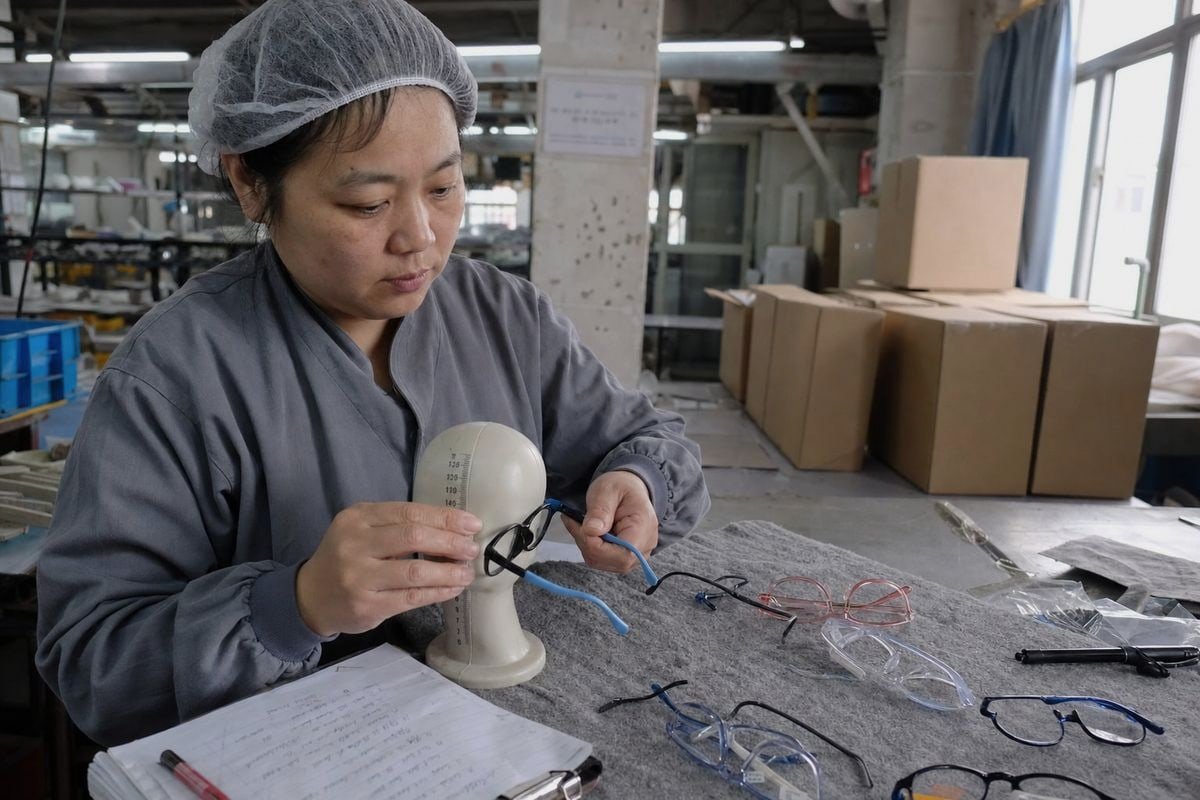
حساسية جلد نظارات الأطفال وعلامات الضغط هي شكاوى نأخذها على محمل الجد في خط إنتاجنا، لأن علامة حمراء واحدة مثيرة للحكة يمكن أن تكلف العلامة التجارية عميلاً مخلصًا إلى الأبد.
أولاً، حدد السبب: الطفح الجلدي المتكرر الذي يسبب الحكة يشير إلى التهاب الجلد التماسي التحسسي الناتج عن النيكل أو الإضافات البلاستيكية، بينما تشير الانبعاجات الحمراء إلى عدم ملاءمة جيدة. قم بالتبديل إلى مواد إطارات مضادة للحساسية مثل TR90 أو TPEE، واضبط الجسر والصدغين، واستشر أخصائي بصريات أطفال أو طبيب أمراض جلدية إذا استمر التهيج.
يعتمد الحل على المشكلة التي تواجهها بالفعل. أدناه، سأرشدك خلال المواد، وتشخيص الملاءمة، وأسئلة الشركة المصنعة، وكيفية إيقاف الشكاوى المتكررة بشكل دائم.
ما هي المواد التي يجب أن أبحث عنها لتجنب ردود الفعل التحسسية في نظارات الأطفال؟
على مدار أكثر من خمسة عشر عامًا من بناء إطارات الأطفال في مصنعنا في تايتشو، تعلمت شيئًا واحدًا: يحدد اختيار المواد معظم نتائج الحساسية قبل أن يرتدي الطفل النظارات.
اختر إطارات خالية من النيكل مصنوعة من TR90، TPEE، أسيتات طبية، تيتانيوم نقي، أو بوليمرات حيوية. تجنب السبائك المعدنية الرخيصة، والطلاءات غير الموثوقة، والبلاستيك منخفض الجودة مع الملدنات والأصباغ ومثبتات الأشعة فوق البنفسجية، حيث أن هذه الإضافات هي المسببات الأكثر شيوعًا لالتهاب الجلد التماسي لدى الأطفال.
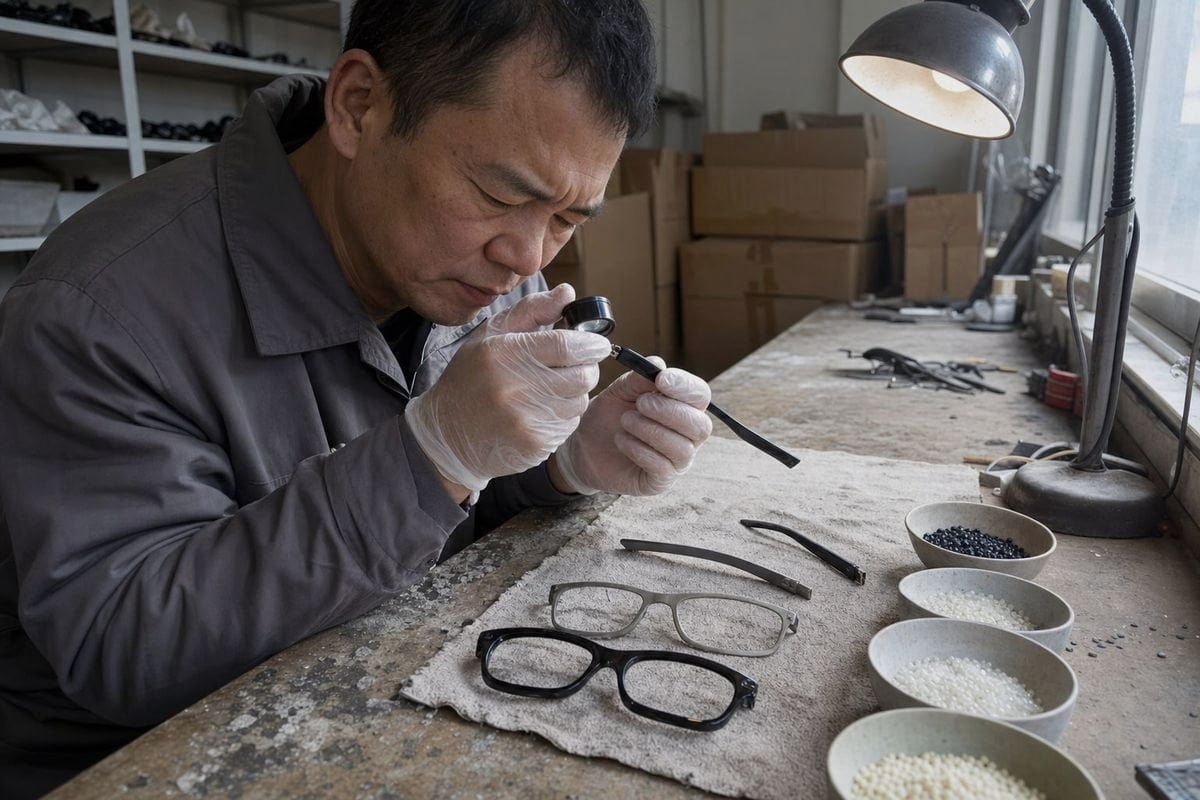
يظل النيكل هو الجاني الأكثر شيوعًا في مشاكل النظارات المتعلقة التهاب الجلد التماسي 1, ، وبشرة الأطفال ضعيفة بشكل خاص. تعتبر إطارات النظارات مصدرًا موثقًا لـ التعرض للنيكل 2 لدى الأطفال. غالبًا ما يترافق الكروم والكوبالت مع النيكل. لهذا السبب نقل مهندسونا ما يقرب من خط إنتاج الأطفال بالكامل إلى بوليمرات مرنة قبل سنوات. توفر واجهات TR90 مع معابد TPEE إطارات بدون معدن مكشوف في مناطق ملامسة الجلد.
ولكن هنا فارق دقيق يفوته العديد من المشترين: "البلاستيك" ليس آمنًا تلقائيًا. المخاطر الحقيقية في المواد البلاستيكية هي إضافات محددة - الملدنات 3, والمذيبات والأصباغ والشموع ومثبتات الأشعة فوق البنفسجية. تم تحديد أصباغ المعابد حتى على أنها مسببات حساسية للاختبار 4 في حالات التهاب الجلد المشتبه به. لذا فإن السؤال ليس "بلاستيك أم معدن"، بل "أي درجة، وماذا يوجد بداخلها"."
مقارنة المواد في لمحة
| المواد | خطر الحساسية | الوزن | المرونة | الأفضل لـ |
|---|---|---|---|---|
| TR90 | منخفض جدًا | خفيف جدا | مرتفع | إطارات النظارات الطبية اليومية |
| TPEE | منخفض جدًا | خفيف جدا | عالي جداً | الأطفال النشطون، الأطفال الصغار |
| إطارات الأسيتات الطبية | منخفض | متوسط | منخفض | أنماط عصرية |
| إطارات نظارات التيتانيوم الخالص | منخفض جدًا | خفيف | متوسط | خطوط مميزة |
| سبائك معدنية رخيصة | مرتفع (نيكل) | متوسط | منخفض | تجنب للأطفال |
| بوليمرات زيت الخروع الحيوية | منخفض جدًا | خفيف جدا | مرتفع | علامات تجارية ذات موقع بيئي |
انتبه للمعادن المخفية
تحقق أيضًا من المكونات المخفية. تحتوي بعض الإطارات البلاستيكية على نوى سلكية معدنية داخلية في المعابد. يمكن للخدوش الدقيقة وتآكل الطلاء أن تكشف هذا المعدن بمرور الوقت، مما يطمس الخط الفاصل بين تهيج الضغط والحساسية الحقيقية. نحدد مفصلات بلاستيكية أو نوى محمية لمجموعات الأعمار الأصغر لدينا لهذا السبب بالضبط.
كيف يمكنني معرفة ما إذا كان تصميم الإطار يسبب علامات ضغط على الوجوه الصغيرة؟
أرسلت لنا مشترية من أستراليا ذات مرة صورًا لخدوش حمراء على جسر أنف طفل، قلقة بشأن الحساسية. وجد مراجعة الملاءمة لدينا المشكلة الحقيقية في دقائق: كان الجسر أضيق بمقاسين.
تبدو علامات الضغط كعلامات حمراء أو ألم تظهر بعد الارتداء وتتلاشى بسرعة بمجرد خلع النظارات. تتركز عند جسر الأنف أو الصدغين أو خلف الأذنين. على عكس الطفح الجلدي التحسسي، فهي ليست مثيرة للحكة أو متقشرة أو متكررة على الجلد المرتاح.
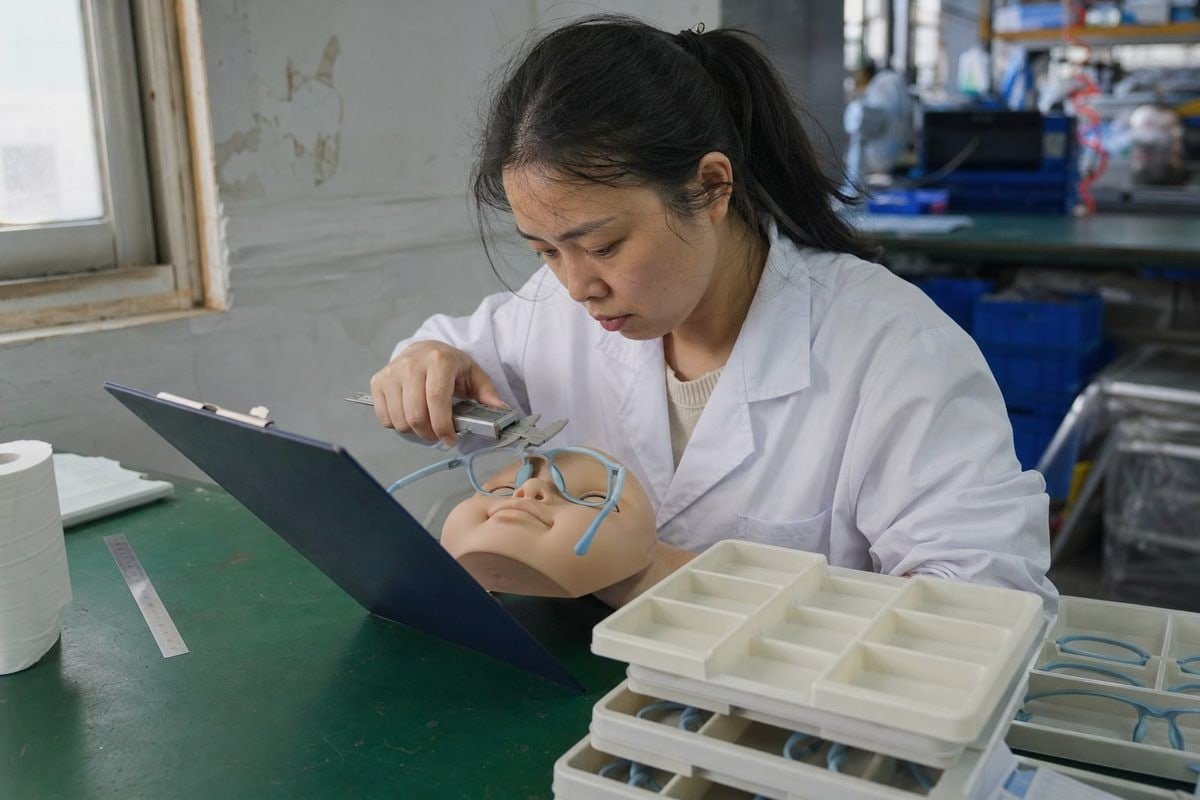
التمييز مهم لأن الحلول مختلفة تمامًا. الحساسية هي رد فعل مناعي. علامة الضغط هي تهيج ميكانيكي. خلطهما يؤدي بالآباء إلى تبديل الإطارات عندما يكون تعديل بسيط لملاءمة الجسر سيحل كل شيء - أو ما هو أسوأ، الاستمرار في تعديل إطار عندما يحتاج الطفل بالفعل إلى إطارات خالية من النيكل.
اختبار التشخيص البسيط
- قم بإزالة النظارات وانتظر من 30 إلى 60 دقيقة.
- إذا اختفت العلامة وبدت البشرة طبيعية، فهذا ضغط.
- إذا بقيت البشرة حمراء أو مثيرة للحكة أو متورمة أو متقشرة، فاشتبه في التهاب الجلد التماسي.
- إذا ظهرت كلتا الأعراض، عالج الملاءمة والمادة معًا، لأن الإطار الضيق يزيد من ملامسة الجلد والاحتكاك، مما يؤدي إلى تفاقم التعرض للمواد المسببة للحساسية.
أين تظهر العلامات وماذا تعني
| الموقع | السبب المحتمل | حل التصميم |
|---|---|---|
| خدوش جسر الأنف | الجسر ضيق جدًا أو الإطار ثقيل جدًا | جسر سرج أوسع، واجهة TR90 أخف |
| خطوط حمراء عند المعابد | واجهة الإطار ضيقة جدًا | إطار أوسع أو مادة معبد مرنة |
| ألم خلف الأذنين | المعابد قصيرة جدًا أو منحنية بشدة | Longer temples, softer temple tip covers |
| Marks under eyes | Frame sitting too low | Adjust pangle, raise bridge fit |
Children's faces also grow fast. A frame that fit perfectly in March can clamp by June. We recommend our brand partners tell retail customers to do a 90-day growth check on temple length and bridge width, since kids' facial development outpaces standard adjustment cycles. Our flexible TPEE temples buy extra tolerance here, because they hold securely with minimal clamping force instead of relying on tightness.
ماذا يجب أن أسأل مصنعي عن اختبارات وشهادات الحساسية؟
When new buyers audit our ورشة عمل مدارة بنظام 5S 5, the smartest ones ask about material documentation before they ask about price. That question order tells me they will build a durable kids' brand.
Ask for material composition disclosure, nickel-release test reports on any metal parts, heavy-metal and phthalate compliance for your target market, and colorant safety documentation. Also confirm batch-level quality control, since "hypoallergenic" has no legal definition and demands evidence.
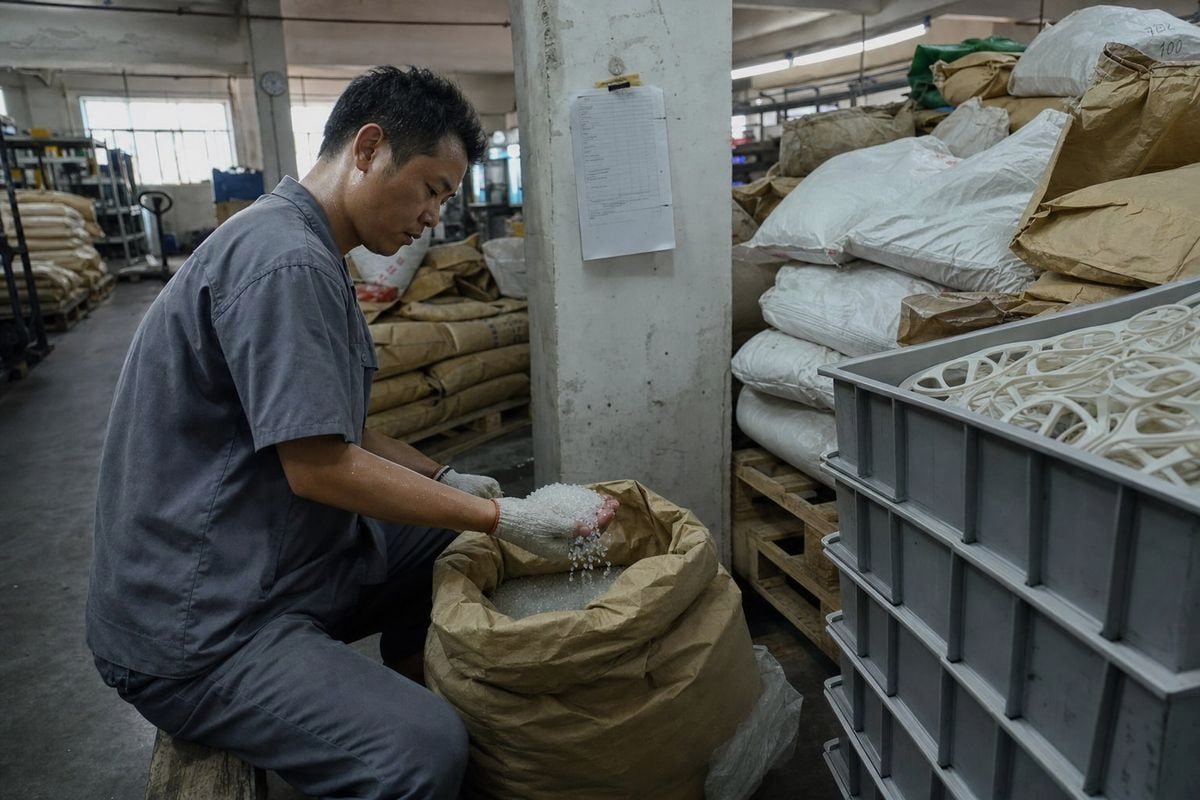
Here is an uncomfortable truth I share openly with our clients: "hypoallergenic" is a marketing word, not a certified standard. Any supplier can print it on a box. What protects your brand is documented proof for each specific claim. When we develop a custom frame for a client's market — Europe, Japan, Australia — we map the material file to that market's chemical regulations before tooling starts.
The Questions That Separate Real Factories From Traders
Ask these directly, and watch how fast and how specifically the supplier answers:
- What is the exact base polymer of the frame front and temples? Vague answers like "eco plastic" are a red flag.
- Do metal components (hinges, screws, wire cores) have nickel-release test data?
- Which plasticizers, dyes, and UV stabilizers are used, and are they compliant with my market's regulations?
- Are silicone nose pads and temple tips made from skin-contact-grade material?
- Is testing done per batch or only once per style?
- Can you provide the same material consistently across reorders?
That last question matters more than buyers expect. A frame that passed testing last year proves nothing if the factory quietly switches resin suppliers. Our incoming-material inspection exists precisely to prevent that drift. We also keep retained samples from production runs, so if a skin complaint ever arises, we can trace the exact batch and material lot within days, not weeks.
One more point on coatings: worn or scratched surface coatings 6 can increase allergen release from underlying materials. Ask how your supplier tests coating adhesion and durability, not just initial appearance.
كيف أصلح شكاوى تهيج الجلد المتكررة من أطفال عملائي؟
Recurring complaints once taught us a hard lesson: a European client's returns spiked every summer, and the pattern pointed to sweat and heat — not the frame itself — amplifying a borderline material issue.
بناء استجابة منهجية: تسجيل أنماط الشكاوى حسب الموقع والأعراض، وتزويد الآباء ببروتوكول إغاثة فوري للتنظيف وإعادة التركيب ومنتجات الحاجز، ثم تتبع الحالات المتكررة إلى مكونات محددة. قم بتبديل المواد أو إعادة تصميم نقاط الاتصال عندما يستمر ظهور نفس المحفز.
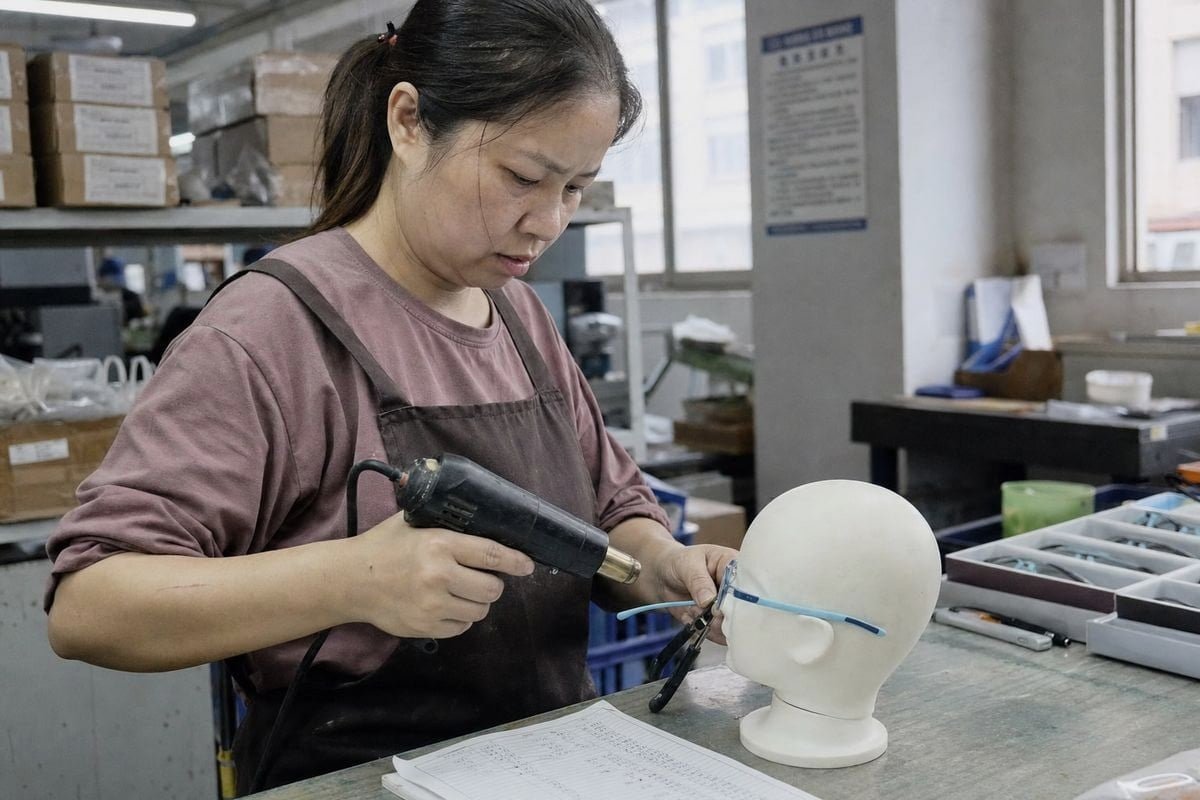
Random complaints are noise. Repeating complaints are data. So the first move is to log every case: symptom type, skin location, wear duration, season, and frame model. Patterns emerge fast. Complaints clustered behind the ears point to temple tips or temple dyes. Bridge complaints point to nose pad material or bridge geometry. Summer clusters point to sweat, sebum, and heat lowering the skin's tolerance threshold — active kids and sports make everything worse.
The Immediate-Relief Protocol to Give Parents
| خطوة | إجراء | لماذا تعمل |
|---|---|---|
| 1 | Pause wear if skin is swollen or broken | Prevents worsening and infection |
| 2 | Clean frames daily with mild soap and microfiber | Removes sweat, sebum, and residue that drive irritation |
| 3 | Visit a pediatric optician for refit | Redistributes weight evenly across the bridge and ears |
| 4 | Add moleskin strips or non-silicone pad covers | Creates a temporary barrier against friction |
| 5 | Apply fragrance-free barrier cream to contact zones | Repairs the skin barrier and reduces chafing |
| 6 | See a dermatologist if the rash recurs | Patch testing 7 identifies the specific allergen |
When to Escalate Beyond Home Fixes
Tell parents to seek medical care if the rash keeps returning in the same spots, if there is swelling, blistering, or broken skin, or if pain continues after professional adjustment. Patch testing can pinpoint whether nickel, a dye, or a rubber component is responsible.
On the product side, do not just refund and forget. Recurring cases justify component changes: swapping temple tip material, moving to nickel-free hinge hardware, or reworking the bridge for genuine skin sensitivity relief. When our clients report a pattern, we can usually pull an alternative from our roughly 800 existing styles, so they fix the problem without new mold investment. That speed — replacing a problem SKU in weeks rather than a full development cycle — is what turns a complaint wave into a retention story.
الخلاصة
Kids eyewear skin allergies and pressure marks are solvable: diagnose allergy versus fit, choose verified hypoallergenic frame materials, demand real testing documentation, and treat recurring complaints as design data.
ملاحظات ختامية
1. Authoritative NIH resource explaining the causes, symptoms, and types of contact dermatitis. ↩︎
2. NIH resource on nickel allergy supports the claim about nickel exposure risks in children. ↩︎
3. EPA page on phthalate plasticizers supports the discussion of harmful plastic additives. ↩︎
4. Background concept link clarifying what allergens are and how they trigger reactions. ↩︎
5. Background on the 5S manufacturing methodology referenced for factory quality management. ↩︎
6. General background on coatings supports the discussion of coating wear and allergen release. ↩︎
7. Medical reference explaining patch testing, the diagnostic method mentioned for allergen identification. ↩︎
مقالات أخرى قد تعجبك
هل تبحث عن شريك موثوق به للنظارات للأطفال؟
استكشف أكثر من 800 نمط جاهز ودعم OEM/ODM كامل مصمم خصيصًا لعلامتك التجارية.
اتصل بنا English
  Español de México
  Deutsch
  Français
  日本語
日本語  العربية
  Português do Brasil