كيفية التحقق من ادعاءات معدل حجب الضوء الأزرق في نظارات الأطفال؟
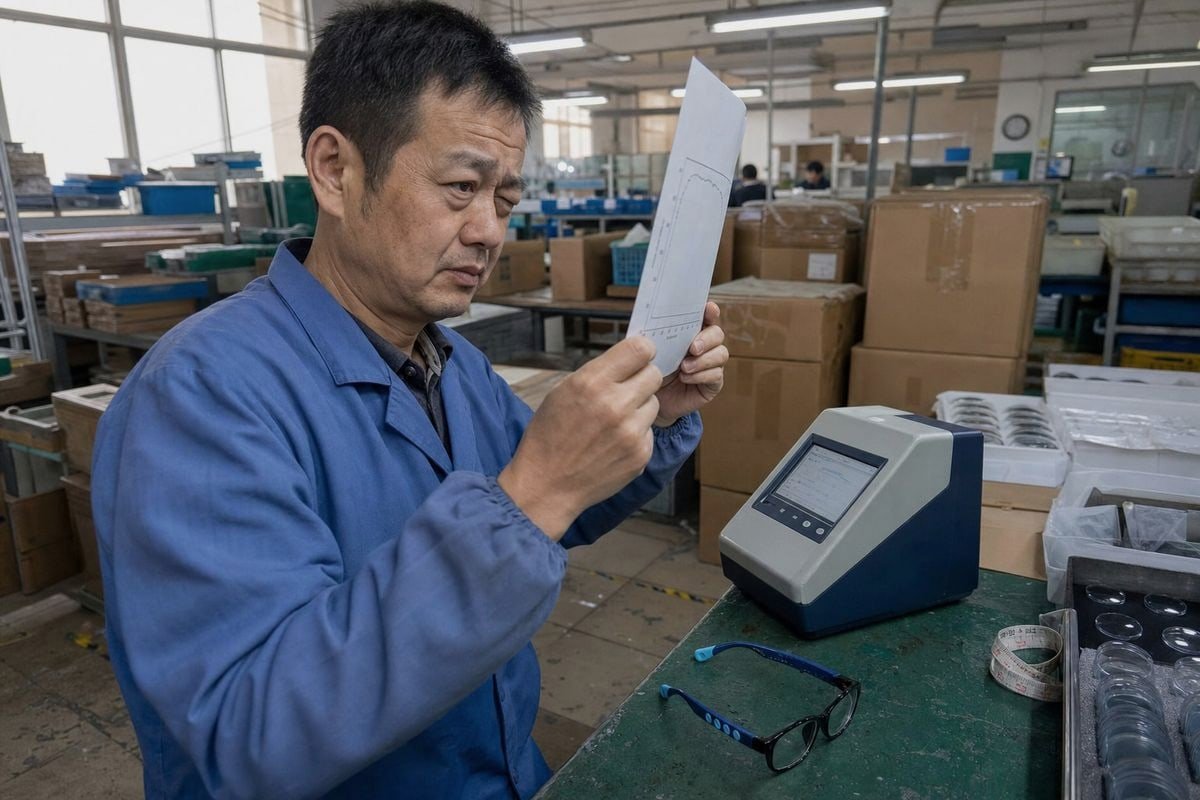
التحقق من ادعاءات معدل حجب الضوء الأزرق في نظارات الأطفال أصعب مما يتوقع معظم المشترين. في خط الإنتاج لدينا في تايتشو، رأيت عينات تصل بأرقام لا يمكن لأحد إثباتها فعليًا. يمكن أن يؤدي رقم خاطئ على عبوتك إلى إرجاع المنتجات، والشكاوى، وحتى المشاكل التنظيمية في سوقك المحلي. الحل هو معرفة المستندات والاختبارات والأسئلة التي تفصل بين الترشيح الحقيقي وضجيج التسويق.
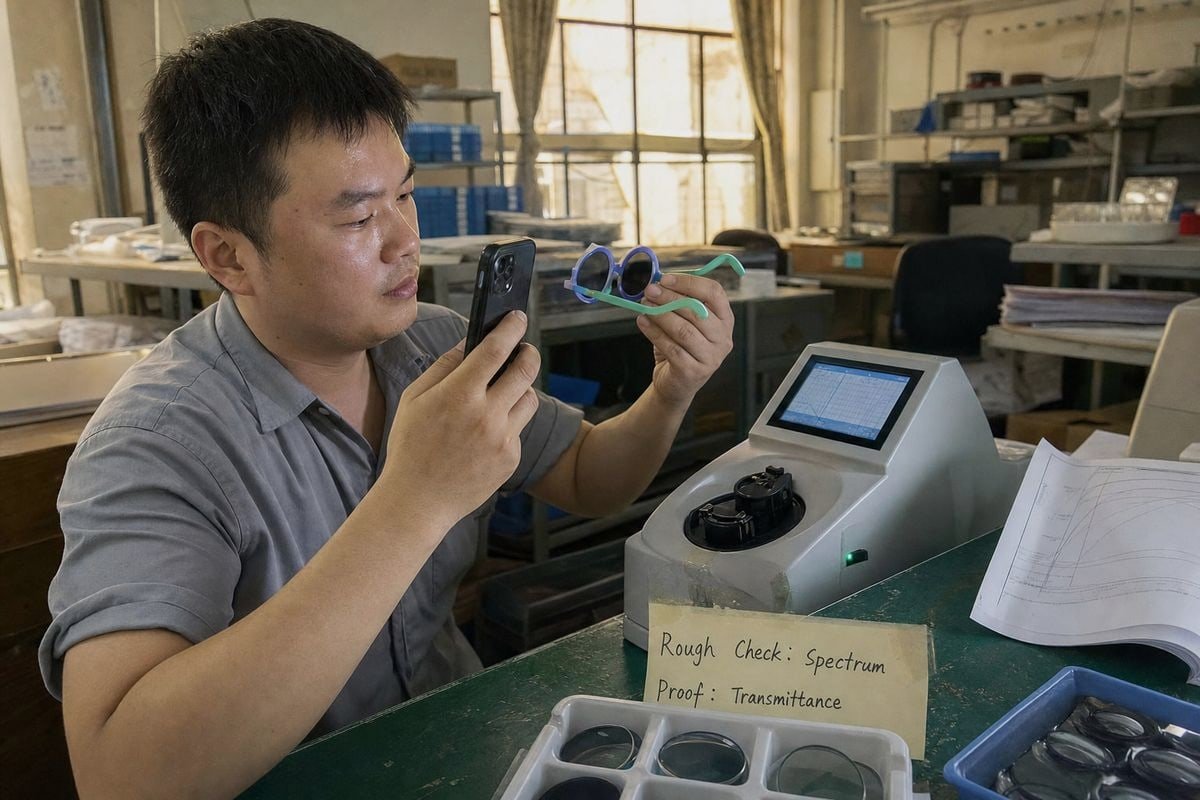
للتحقق من ادعاءات معدل حجب الضوء الأزرق في نظارات الأطفال، اطلب تقريرًا مستقلاً عن النفاذية الطيفية يوضح نطاق الطول الموجي المحدد الذي تم اختباره، وتأكد من مطابقته للعدسة التي تشتريها، وتحقق من الامتثال لمعايير مثل ANSI Z80.3، واستخدم الاختبارات المنزلية كأداة فحص تقريبية فقط.
أدناه، سأستعرض المعايير التي يجب المطالبة بها، وفخاخ الشهادات التي يجب تجنبها، وكيف يغير بناء العدسة الأداء الفعلي، والعلامات الحمراء التي يجب أن توقف طلبًا بالجملة.
ما هي معايير الاختبار التي يجب أن أطلبها من المورد الخاص بي لإثبات ادعاءات حجب الضوء الأزرق؟
خلال تدقيق حديث في ورشة العمل التي نديرها وفقًا لمعيار 5S، سألني مشترٍ أوروبي سؤالاً بسيطًا: أي مستند يثبت فعليًا نسبة الحجب؟ كانت الإجابة مفاجئة له.
اطلب من موردك تقرير النفاذية الطيفية الذي تم إنتاجه بواسطة تحليل مطياف، يغطي النطاق الأزرق 400-455 نانومتر، بالإضافة إلى مراجع الامتثال للمعايير البصرية مثل ANSI Z80.3 (الولايات المتحدة الأمريكية)، EN ISO 12312-1 (أوروبا)، أو AS/NZS 1067.1 (أستراليا) للعدسة المحددة الموردة.
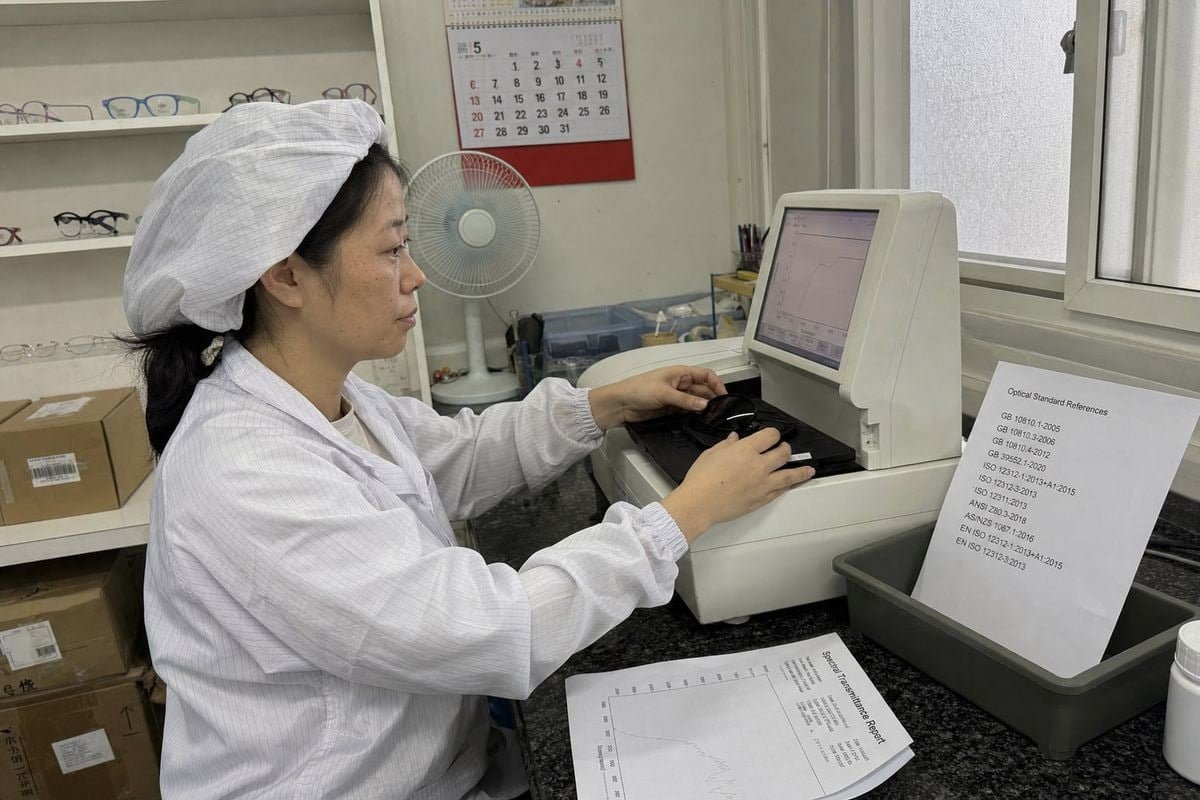
أهم مستند هو تقرير النفاذية الطيفية. يأتي هذا التقرير من تحليل مطياف 1 للعدسة الفعلية. يعرض منحنى نفاذية العدسة: مقدار الضوء الذي يمر عبر كل طول موجي، مقاسًا بالنانومتر. إذا قال التقرير إن العدسة تنفذ 60% عند 450 نانومتر، فإن معدل الحجب عند تلك النقطة هو 40%. حسابات بسيطة، ولكنها ممكنة فقط عندما يكون الرسم البياني مُصنّفًا بوضوح.
هذه هي المشكلة التي أثيرها مع المشترين الجدد طوال الوقت. ادعاء مثل "يحجب 40% من الضوء الأزرق" لا يعني شيئًا بمفرده. الضوء الأزرق ضمن طيف الضوء عالي الطاقة المرئي (HEV) 2 يمتد تقريبًا من 400 إلى 500 نانومتر. يمكن لعدسة أن تحجب 80% عند 410 نانومتر وتقريبًا لا شيء عند 450 نانومتر. يمكن لكلا العدستين المطالبة قانونيًا بـ "حجب الضوء الأزرق". لهذا السبب تعتبر بيانات ترشيح الطول الموجي 450 نانومتر مهمة جدًا للأطفال: إنها قريبة من ذروة انبعاث معظم الأجهزة اللوحية ذات الإضاءة الخلفية LED وأجهزة الكمبيوتر المحمولة المدرسية.
المستندات التي تستحق الطلب
| وثيقة | ما تثبته | الأولوية |
|---|---|---|
| تقرير النفاذية الطيفية | نسبة الحجب الدقيقة لكل طول موجي | ضروري |
| مرجع ANSI Z80.3 / EN ISO 12312-1 / AS/NZS 1067.1 | الامتثال العام لسلامة البصريات | ضروري |
| قيمة النفاذية الضوئية | العدسة ليست داكنة جدًا للارتداء اليومي | مرتفع |
| تدقيق معملي على مستوى الدفعة | الاتساق عبر دفعات الإنتاج | مرتفع |
| بيانات اختبار UV400 | حماية من الأشعة فوق البنفسجية (منفصلة عن الضوء الأزرق) | مرتفع |
أسئلة تكشف عن مورد جاد
اسأل عن نطاق الطول الموجي الذي تم قياسه. اسأل عما إذا كان الاختبار قد غطى مجموعة الإطار والعدسة التي تطلبها. اطلب تاريخ التقرير. عندما نقوم بإعداد عروض أسعار لأطر TR90 البصرية الخاصة بالأطفال، نرفق بيانات العدسة لتلك الدفعة المحددة من العدسات، لأن تقريرًا عمره عامان عن عدسة مختلفة لا يخبرك شيئًا عن شحنتك.
هل يمكنني الوثوق بشهادات الضوء الأزرق بدون التحقق من مختبر مستقل؟
قام موزع ذات مرة بإعادة توجيه شهادة منافس إليّ وسأل لماذا تضمنت عروض أسعارنا تكاليف اختبار إضافية. عندما نظرت عن كثب، لم يكن للشهادة اسم معمل ولا طريقة اختبار مذكورة.
لا. الشهادة بدون التحقق من مختبر مستقل هي مجرد إعلان ذاتي من المورد. الثقة تتطلب شهادة مختبر من طرف ثالث تسمي مختبرًا معتمدًا، وطريقة اختبار محددة، وتاريخًا حديثًا، وتأكيدًا بأن العينة المختبرة تطابق العدسة والدفعة التي طلبتها.
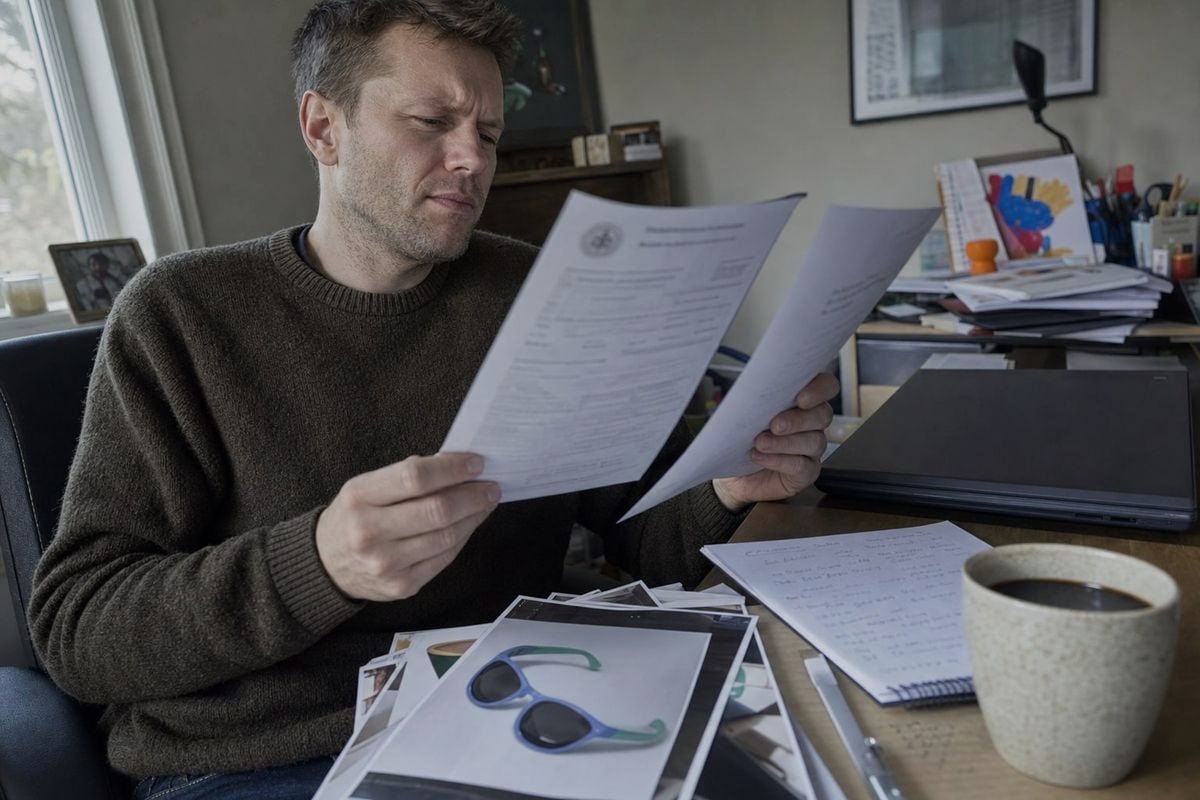
الشهادات تطفو في هذه الصناعة بحرية. بعضها حقيقي. بعضها منسوخ من مصانع أخرى. بعضها أصلي ولكنه يصف عدسة مختلفة تمامًا عن تلك التي يتم شحنها. في خمسة عشر عامًا من تصنيع نظارات الأطفال، تعلمت أن أعامل كل شهادة على أنها ادعاء يجب التحقق منه، وليس دليلاً بحد ذاته.
هناك ثلاثة مستويات للتحقق، ويجب على المشترين معرفة أي مستوى ينظرون إليه بالضبط:
- ادعاء تسويقي فقط. نسبة مئوية مطبوعة على العبوة أو موقع ويب. الأقل موثوقية. لا يوجد دليل وراء الرقم.
- اختبار بصري منزلي. أداة فحص. يمكن أن تظهر أن بعض الترشيح موجود، ولكن ليس المعدل الدقيق أبدًا.
- تقرير مستقل عن مطياف الأشعة. المعيار الذهبي. منحنى نفاذية العدسة 3 من معمل معتمد، مرتبط بمنتجك.
كيفية التحقق من أن الشهادة حقيقية
ابحث عن اسم المعمل 4 ورقم الاعتماد. ابحث عن المعمل عبر الإنترنت وتأكد من وجوده. تسمح لك بعض المعامل بالتحقق من رقم التقرير مباشرة. ثم تأكد من أن وصف العينة يطابق عدستك: نفس المادة، نفس الطلاء، نفس اللون. أخيرًا، تحقق من التاريخ. تتغير تركيبات العدسات. قد لا يعكس تقرير أقدم من دفعة الإنتاج الحالية ما يتم شحنه إليك.
لماذا تدقيق الدفعات أفضل من شهادة رئيسية واحدة
شهادة "رئيسية" واحدة من سنوات مضت لا يمكن أن تضمن الاتساق عبر الإنتاج الضخم. سمك الطلاء يتغير. يتغير موردو المواد. لهذا السبب ندعم شهادات المعامل الخارجية على مستوى الدفعات عندما يطلبها عملاء العلامات التجارية، خاصة بالنسبة لأسواق منتجات الأطفال مثل أستراليا واليابان حيث يكون تدقيق الاستيراد صارمًا. إذا رفض المورد مشاركة أي تقرير، فاعتبر ذلك عدم القدرة على إثبات الادعاء، وليس إزعاجًا بسيطًا.
ما هي الاختلافات في طلاء العدسة أو مادتها التي تؤثر على الأداء الفعلي لحجب الضوء الأزرق؟
The trade-off we weigh most often in development is durability versus optics. Children throw glasses in backpacks, sit on them, and chew the temples. Lens construction has to survive all of it.
يعتمد أداء الضوء الأزرق على ما إذا كان الترشيح مدمجًا في الركيزة في مادة العدسة أو مطبقًا كطلاء سطحي. تحتفظ العدسات القائمة على الركيزة بالحجب حتى عند خدشها، بينما يمكن أن تتآكل الطلاءات. يتغير عمق اللون وطبقات الانعكاس المضاد والنقل الضوئي أيضًا النتائج الواقعية.
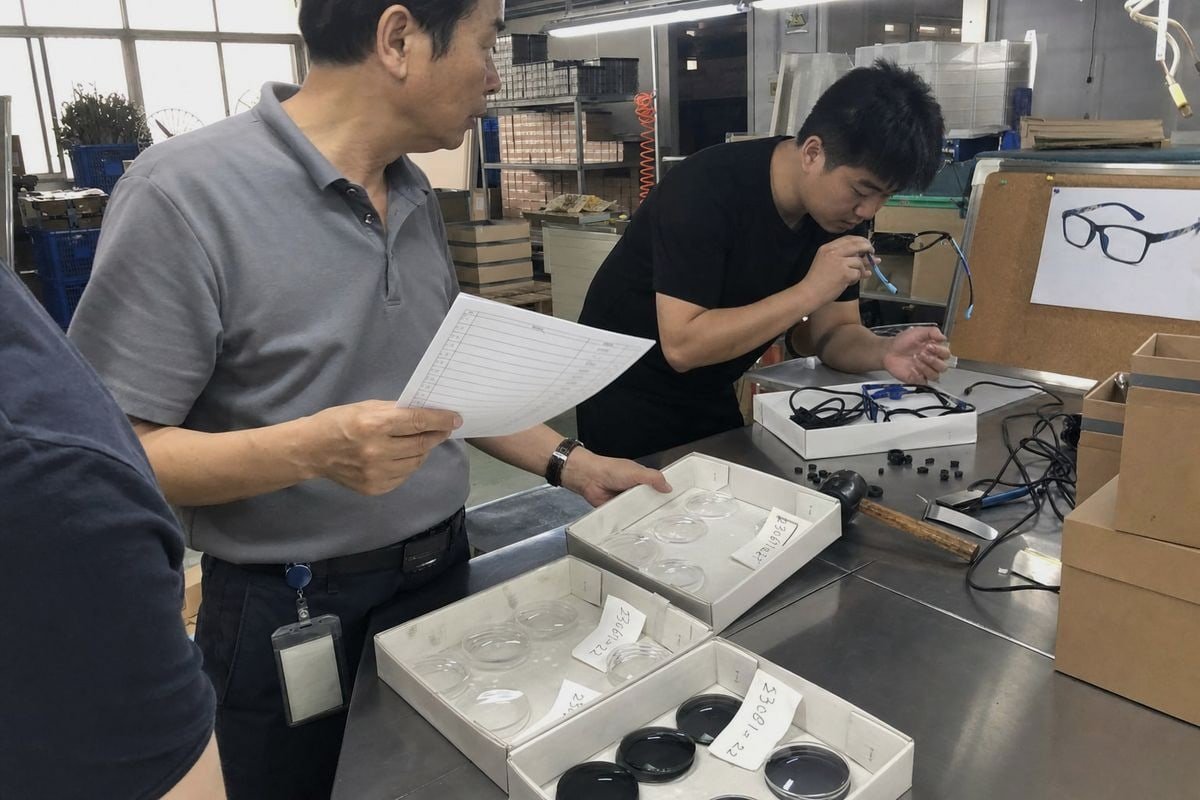
There are two main ways to make a lens filter blue light. The first is a reflective surface coating, often visible as a blue or purple sheen. The second is substrate-integrated absorption, where the filtering pigment is baked into the lens monomer itself. For adult office glasses, either can work. For kids, we strongly favor substrate-integrated lenses. A coating can scratch off with the rough handling children give their frames. When the coating goes, the protection goes with it, but the packaging claim stays.
Coating vs. substrate at a glance
| العامل | Surface coating | Substrate-integrated |
|---|---|---|
| Durability under kid use | Lower; can scratch and degrade | High; blocking is in the material |
| Visual appearance | Clearer, blue-purple reflection | Often slight yellow tint |
| Typical blocking at 450nm | Modest, often under 20–30% | Can reach higher, stable rates |
| Consistency over lifespan | Declines with wear | مستقر |
| Best fit | Light adult screen use | Children's daily eyewear |
The tint and brightness balance
Physics imposes an honest rule: a completely clear lens rarely blocks more than 20–30% of blue light. Stronger 450nm wavelength filtration usually brings a visible yellow or amber tint. That is not automatically bad, but for children it must be balanced against normal color perception. This is where the photopic transmittance value matters. If the blocking rate is so aggressive that overall brightness drops sharply, a child's pupils dilate and light sensitivity can increase. When we develop lens options for our TR90 frames with TPEE temples, we check photopic transmittance alongside blue light data, because a lens a child refuses to wear protects nothing.
One more nuance: an طلاء مضاد للانعكاس 5 on the back surface reduces glare but does not by itself block blue light. Buyers sometimes confuse the two. Glare reduction helps digital eye strain comfort; it is not blue light filtration.
كيف يمكنني اكتشاف ادعاءات التسويق المضللة للضوء الأزرق قبل تقديم طلب بالجملة؟
A lesson I learned early in exporting: the most confident-sounding claims often have the thinnest paperwork behind them. One sample kit we reviewed years ago claimed "100% blocking" on a water-clear lens. Physically impossible.
Spot misleading claims by checking for a percentage with no wavelength range, "100% blocking" on clear lenses, reliance on before-and-after photos, bundled blue-light pen kits that emit violet light, UV language disguised as blue light data, and refusal to share any lab report.
Before any bulk order, run every claim through a structured filter. The question is never just "does it block blue light?" It is: how much light, at which wavelengths, measured how, and by whom?
Red flags versus what to demand instead
| علامة حمراء | Why it misleads | What to demand instead |
|---|---|---|
| Percentage with no nanometer range | Number could apply to any narrow band | Blocking data at 400–455 nm, especially 450nm |
| "100% blue light blocking" on clear lenses | Physically impossible without heavy tint | Realistic figures with a transmittance graph |
| Blue-light "test pen" in the box | Pens often emit violet/UV, not screen wavelengths | Independent spectrometer analysis |
| Only before/after photos | Camera settings and lighting distort results | Dated third-party lab certification |
| UV400 language presented as blue light proof | UV and HEV blue light are different claims | Separate reports for UV and blue light |
| Sleep-benefit promises for daytime kids' glasses | Melatonin suppression 6 research targets evening use | Claims scoped to actual use case |
Home tests: useful, but only as a screening tool
You can do a reflection test by tilting the lens toward a light. A blue-purple sheen suggests a filtering coating exists. You can view an on-screen RGB color chart and see if blue squares dim through the lens. You can shine a blue LED through the lens onto white paper. These checks catch obvious fakes. But tint, ambient light, screen brightness, and anti-reflective coating effects can all fool your eyes. None of these tests measures a percentage. Never let a home demo substitute for a lens transmittance curve.
Keep the health framing honest
Some marketing leans hard on circadian rhythm disruption 7 and sleep science. The research on melatonin suppression mostly concerns evening light exposure in the 400–455 nm band. Daytime classroom glasses are a different use case than adult sleep glasses. When we help brand customers write packaging copy for our kids' ranges, we push them toward measured, defensible language. Overclaiming feels good at launch and hurts badly at the first regulator inquiry or viral customer complaint.
الخلاصة
Vague percentages put your brand at risk. Demand spectral transmittance reports, third-party lab certification, and substrate-integrated lenses. Verify the wavelength, the method, and the lab — then order with confidence.
ملاحظات ختامية
1. Academic explanation of how spectrometers measure the interaction of light with materials. ↩︎
2. Defines the high-energy visible light range that blue light-blocking lenses aim to filter. ↩︎
3. Peer-reviewed NIH study explaining spectral transmittance measurements and curves for protective eyewear lenses. ↩︎
4. Information on the international cooperation for laboratory accreditation and technical competence. ↩︎
5. Detailed explanation of how thin-film coatings reduce reflections on optical surfaces. ↩︎
6. Harvard Medical School resource on how blue light exposure affects hormone production.
مقالات أخرى قد تعجبك

هل تبحث عن شريك موثوق به للنظارات للأطفال؟
استكشف أكثر من 800 نمط جاهز ودعم OEM/ODM كامل مصمم خصيصًا لعلامتك التجارية.
اتصل بنا English
  Español de México
  Deutsch
  Français
  日本語
日本語  العربية
  Português do Brasil